
 US Dollar

2026 Apr 21st
Strawberry Matcha Is Still Exploding in Canada for Canada
The Strawberry Matcha Latte has transitioned from a fleeting TikTok viral sensation into a permanent, high-margin menu staple across Canadian cafes. This trend perfectly aligns with the 2025-2026 consumer shift toward "functional indulgence"—combining the perceived health benefits and antioxidants of matcha with the nostalgic, sweet comfort of strawberry. From what we've seen supplying from our Calgary warehouse, independent operators who successfully execute this layered, photogenic drink are capturing significant market share from major chains.
However, the global matcha market is currently experiencing a squeeze. Wholesale matcha prices in Canada have surged by 40% to 60% due to supply shortages in Japan's Uji and Nishio regions. To maintain profitability, Canadian operators must carefully balance their ingredient costs, opting for high-quality commercial syrups and reliable dairy alternatives that deliver consistency without sacrificing the premium aesthetic.
Author: Amani
The Anatomy of the Perfect Strawberry Matcha
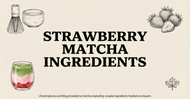
The appeal of the Strawberry Matcha Latte lies entirely in its visual presentation. The distinct separation of the bright red strawberry base, the creamy white milk center, and the vibrant green matcha top is what drives social media sharing. Achieving this requires specific ingredients and a precise build technique.
1. The Strawberry Base: While some boutique cafes make their own strawberry puree from scratch, this is often impractical for high-volume operations due to labor costs and short shelf life (typically 5-7 days). Furthermore, Canadian food safety regulations require strict labeling and handling for house-made fruit preserves. Instead, most successful operators use a premium commercial strawberry syrup or puree blend, such as Torani. These products provide a consistent, vibrant color and a concentrated flavor that cuts through the milk and matcha.
2. The Milk Layer: The choice of milk is critical for both flavor and structure. Barista-edition oat milk has become the industry standard for this beverage. Brands like Oatly (which utilizes Canadian-grown oats) offer a creamy texture and a natural sweetness that complements the earthy matcha without overpowering the delicate strawberry notes. The density of barista oat milk also helps support the matcha layer, preventing the drink from mixing too quickly before it reaches the customer.
3. The Matcha Top: Given the current wholesale price surges, using ultra-premium ceremonial grade matcha for a flavored, milk-heavy iced latte is an unnecessary expense. Instead, operators should source a high-quality "cafe-grade" or culinary matcha, or a specialized frappe mix like Cappucine. These blends are formulated to maintain their vibrant green color and robust, earthy flavor even when diluted with milk and sweet syrups.
Building the Drink for Maximum Visual Impact
To achieve the viral layered look, the drink must be built in a specific order, using the different densities of the liquids:
- The Base: Pump 1 to 1.5 ounces of strawberry syrup or puree into the bottom of a clear 16oz or 20oz cold cup.
- The Ice: Fill the cup 3/4 full with ice. The ice acts as a baffle to slow down the liquids.
- The Milk: Slowly pour 6 to 8 ounces of cold barista oat milk over the ice. Pouring slowly prevents the milk from aggressively mixing with the heavy syrup at the bottom.
- The Matcha: In a separate vessel, whisk 1 to 1.5 teaspoons of matcha powder with 2 ounces of hot water until smooth and frothy. Gently pour the concentrated matcha over the back of a spoon onto the top of the milk layer.
Frequently Asked Questions
The following operator questions are answered with cited sources. Every FAQ links to Health Canada, CFIA, Canada.ca, or another authoritative regulator.
What are the best wholesale coffee syrup brands for Canadian cafes?
Products referenced:
- Coffee Syrups
Source: wholesale syrups - r/barista
Where can Canadian cafes buy Monin syrup wholesale?
Products referenced:
- Coffee Syrups
Source: Find Monin - Monin Canada
Is Monin or Torani better for coffee shops?
Products referenced:
- Coffee Syrups
Source: Any recommendations for good quality syrups? - r/espresso
How much do wholesale coffee syrups cost per bottle in Canada?
Products referenced:
- Coffee Syrups
Source: wholesale syrups - r/barista
What are the most popular coffee syrup flavours for Canadian cafes?
Products referenced:
- Coffee Syrups
Where can I buy Torani syrup wholesale in Canada?
Products referenced:
- Coffee Syrups
Source: Wholesale Torani Syrups for Cafes & Restaurants - Kaldi
Are 1883 syrups worth the higher price for cafes?
Products referenced:
- Coffee Syrups
What is the shelf life of wholesale coffee syrups?
Products referenced:
- Coffee Syrups
Do I need a business license to buy wholesale coffee syrup in Canada?
Products referenced:
- Coffee Syrups
What sugar-free syrup options are available for Canadian cafes?
Products referenced:
- Coffee Syrups
Source: Where can I find Torani Puremade syrups in Calgary? - r/Calgary
Are coffee syrups regulated by Health Canada or the CFIA?
Products referenced:
- Coffee Syrups
Source: Labelling requirements for prepackaged water and ice - Canada.ca
What Canadian food safety standards apply to flavoured syrups used in cafes?
Products referenced:
- Coffee Syrups
Source: Food safety standards and guidelines - inspection.canada.ca