
2026 Mar 22nd
Starting a Soft Serve Business in Canada — Canada Guide
Key Takeaways
- Soft serve offers some of the highest gross profit margins in the Canadian foodservice industry, often exceeding eighty percent per serving.
- Choosing between gravity-fed and pump-fed machines dictates your initial capital investment and the texture of your final product.
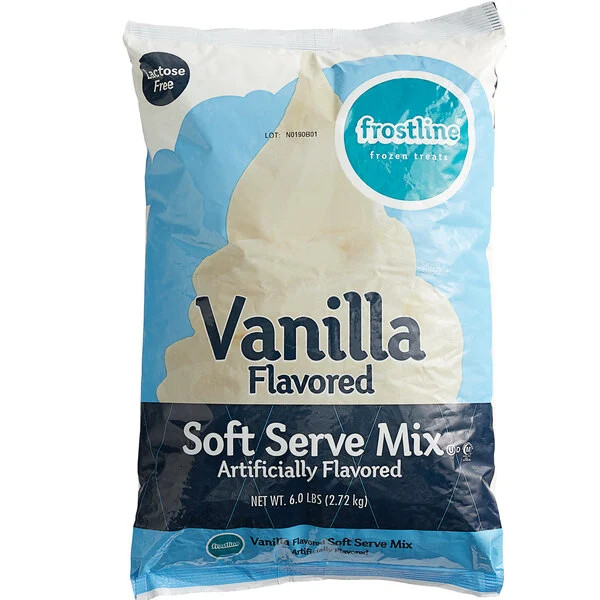
- Powder mixes eliminate the need for expensive refrigerated transport and provide a shelf life of up to 18 months, reducing waste.
- Navigating CFIA and provincial health regulations requires strict adherence to sanitation protocols and accurate menu terminology.
- Sourcing ingredients from a domestic supplier like ChickenPieces.com in Calgary protects your margins from cross-border shipping fees and delays.
Table of Contents
The Canadian summer is notoriously short, but the appetite for frozen desserts is massive. For aspiring entrepreneurs, starting a soft serve business—whether it is a standalone brick-and-mortar shop, a seasonal food truck, or an addition to an existing café menu—represents one of the most accessible and lucrative entry points into the hospitality industry. Unlike a full-service restaurant, a soft serve operation requires minimal kitchen space, zero cooking equipment, and very little specialized culinary training for your staff.
Starting a soft serve business in Canada requires a commercial machine, reliable mix supply, food handler certification, and a municipal business licence. Profitability comes from choosing the right mix format for your volume and building a topping station that drives add-on sales.
However, the simplicity of the final product masks the complexity of the business model. The difference between a thriving, highly profitable ice cream stand and one that struggles to break even comes down to a few critical decisions made before the first cone is ever poured. You must understand the mechanics of overrun, the logistical realities of the Canadian supply chain, and the strict health regulations that govern dairy and non-dairy desserts across the country.
This guide is designed to walk you through the foundational steps of launching a soft serve operation in Canada. We will examine the real costs of equipment, the strategic advantages of different mix formats, and how to build a supply chain that protects your profit margins from the unpredictable nature of cross-border shipping.
| Business Type | Recommended Mix | Weekly Volume | Key Consideration |
|---|---|---|---|
| Food truck | Powder (Frostline/DOLE) | 6–20 bags | No refrigeration needed for powder |
| Café/bubble tea shop | Powder or liquid | 4–15 bags | Consistent brand flavour profile |
| Ice cream shop | Multiple formats | 15–40 bags | Flavour variety, overrun quality |
| Hotel/resort | Liquid or powder | 10–30 bags | Staff ease-of-use |
| Events/pop-up | Powder only | 2–10 bags/event | Portability, no refrigeration needed |
Frequently Asked Questions
The following operator questions are answered with cited sources. Every FAQ links to Health Canada, CFIA, Canada.ca, or another authoritative regulator.
What equipment do I need to start a soft serve business in Canada?
Products referenced:
- CP-BLOG-218-001
Source: Starting an Ice Cream Shop (Advice) - Reddit r/icecreamery
What are the best commercial soft serve machine brands for a startup?
Products referenced:
- CP-BLOG-218-002
Source: Equipment brands for Ice Cream Business? - Reddit r/icecreamery
How profitable is a soft serve business? What are the margins?
Products referenced:
- CP-BLOG-218-003
Source: Soft-Serve Money Makers: Calculating ROI on Frozen Dessert Machines - Lane Equipment
What is the payback period for a soft serve machine investment?
Products referenced:
- CP-BLOG-218-004
Source: Soft Serve Machine Payback Period - Rocky Mountains Distributing
Can I start a soft serve food truck with a home appliance machine?
Products referenced:
- CP-BLOG-218-005
Source: Starting a froyo foodtruck with home appliance makers? - Reddit r/icecreamery
Where do I buy soft serve mix in Canada for my new business?
Products referenced:
- CP-BLOG-218-006
Source: Soft Serve Mix Canada | DOLE Pineapple & More | ChickenPieces.com
How many servings do I get per bag of soft serve mix?
Products referenced:
- CP-BLOG-218-007
Source: Soft Serve Mix Canada | DOLE Pineapple & More | ChickenPieces.com
What health regulations apply to soft serve businesses in Canada?
Products referenced:
- CP-BLOG-218-008
What is the difference between soft serve and frozen yogurt for a startup?
Products referenced:
- CP-BLOG-218-009
Source: Ice cream shop owners in this sub? - Reddit r/icecreamery
How do I calculate the startup costs for a soft serve business in Canada?
Products referenced:
- CP-BLOG-218-010
Source: What Size Soft Serve Machine Do You Need? - Rocky Mountains Distributing
Authoritative Sources
The following government and public-health sources informed the operator guidance above. Citations to Reddit, Quora, and operator forums appear in the FAQ block above.