
2026 Jul 19th
PFAS-Free Food Packaging: State Bans, Claim Checks, and
Many states now ban PFAS in food packaging. Check labels for 'PFOA/PFOS Free' or specific compliance statements. Switch to paper-based, fiber, or certified plastic alternatives. These materials meet FDA standards and keep your facility safe from regulatory fines.
PFAS-Free Food Packaging: State Bans, Claim Checks, and Safe Swaps
Facility operators and property managers need safe, legal packaging. New state laws restrict PFAS use. This guide helps you stay compliant without sacrificing quality or durability in your daily operations.
Key Takeaways
Here are the key steps for staying compliant.
Check State Laws
Verify local regulations. Some states ban PFAS entirely. Others restrict specific uses. Knowing your jurisdiction prevents costly violations and ensures your supply chain meets current legal requirements for food contact materials.
Read Labels Carefully
Manufacturers must declare compliance. Look for clear statements about PFAS absence. Do not assume paper is safe. Some coated papers contain fluorinated compounds. Always verify the material composition before purchasing bulk supplies for your facility.
Switch To Fiber
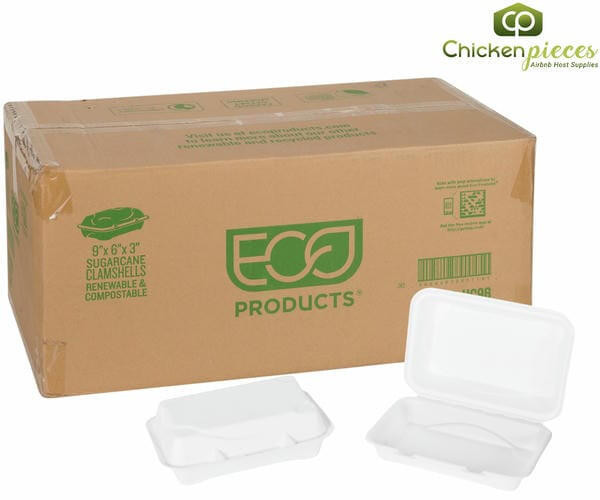
Paper and fiber options are often safer. Uncoated kraft paper is a strong choice. Look for molded fiber containers. These materials provide durability without chemical treatments. They handle heat and grease well when properly selected for your needs.
Verify Plastic Types
Not all plastics contain PFAS. Polypropylene and polyethylene are generally safe. Avoid unclear polymer blends. Check supplier documentation for material safety data sheets. Ensure the plastic type meets FDA food contact regulations for your specific use case.
Audit Your Stock
Review current inventory immediately. Identify items with unknown coatings or sources. Remove questionable products from service. Replace them with verified compliant alternatives. This proactive step reduces risk and demonstrates due diligence in your facility management practices.
Train Staff Members
Educate teams on new materials. Explain why certain containers are replaced. Ensure staff understand handling requirements for different packaging types. Proper usage prevents damage and waste. A knowledgeable team helps maintain compliance standards across all operational areas daily.
Understanding State Bans On PFAS Use
Regulations vary widely by state. Know the rules where you operate.
Several states have enacted strict bans on per- and polyfluoroalkyl substances in food packaging. Washington, Maine, and Colorado lead with comprehensive restrictions. These laws aim to reduce environmental contamination and health risks. Operators must adapt quickly to avoid penalties. Non-compliance can result in fines or business interruptions. Understanding the specific scope of these bans is essential for legal operation.
Other states like California and New York are moving toward similar regulations. Some restrict only certain applications, such as grease-resistant coatings. Others ban all PFAS-containing packaging sold within their borders. The FDA Food Code provides a baseline, but state laws often exceed federal requirements. You must follow the strictest applicable regulation in your location to ensure full compliance with local authorities.
Canadian provinces are also reviewing PFAS regulations. Ontario and British Columbia are considering stricter limits. While not yet as widespread as US bans, trends show increasing scrutiny. Suppliers must stay ahead of these changes. Preparing for future restrictions now saves time later. Proactive inventory management ensures you never face a sudden shortage of compliant packaging options.
How To Read Packaging Claims Correctly
Vague terms can hide non-compliant materials. Learn what to look for.
Many products claim to be safe without specifying the absence of PFAS. Terms like 'non-toxic' or 'natural' are unregulated and misleading. Look for explicit statements regarding PFOA, PFOS, and other long-chain fluorinated compounds. Manufacturers should provide clear documentation proving compliance with state bans. Vague marketing language does not protect you from regulatory scrutiny or potential health liabilities.
Paper packaging often contains hidden coatings for grease resistance. These coatings may use PFAS unless specified otherwise. Check the product specifications for details on surface treatments. Uncoated kraft paper is generally safer but less grease-resistant. If you need grease resistance, look for plant-based or non-fluorinated alternatives. Always verify the coating material before bulk purchasing.
Plastic containers also require careful inspection. Not all plastics are created equal regarding chemical safety. Identify the resin type and check for any additive disclosures. Reputable brands will state their compliance with FDA standards and state bans. If information is missing, contact the supplier directly. Transparency in supply chains is critical for maintaining high safety standards.
Transitioning To Compliant Paper Alternatives
Paper and fiber options offer safe, durable solutions.
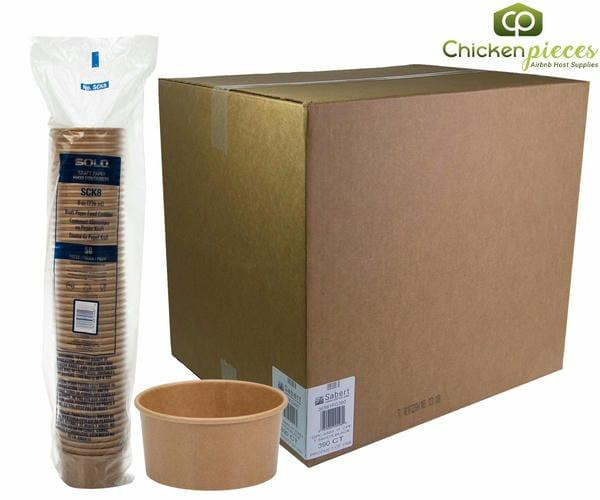
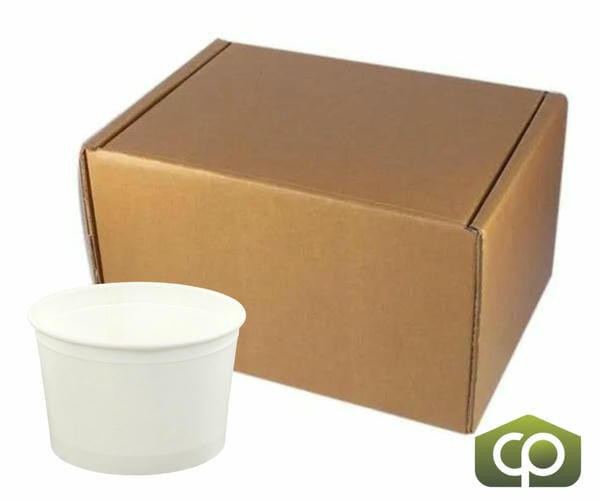
Switching to paper-based packaging is a common strategy for avoiding PFAS. Kraft paper and molded fiber are popular choices. These materials are biodegradable and compostable in many cases. They provide excellent structural integrity for various food types. Double-sided poly-coated paper offers enhanced durability without fluorinated chemicals. This coating helps prevent leaks while remaining compliant with strict state bans.
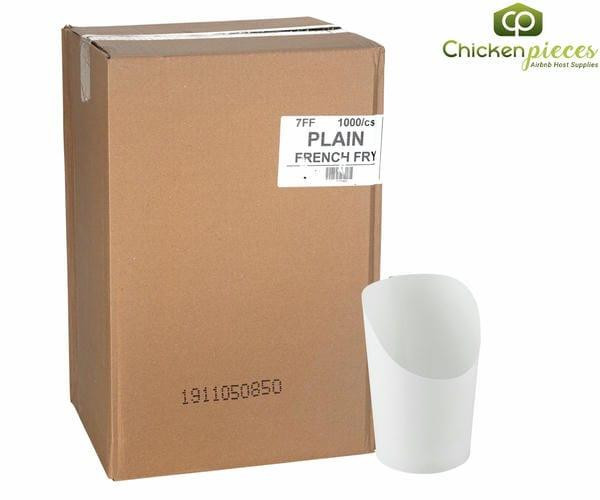
Kraft containers come in various sizes and shapes. Round bowls, rectangular trays, and cone cups are widely available. Each type serves different operational needs. Cone cups are ideal for hot foods like fries or popcorn. Round bowls work well for soups or salads. Choosing the right shape reduces waste and improves customer experience. Ensure the specific product line is certified PFAS-free.
Transitioning requires updating ordering processes. Identify which current items need replacement. Prioritize high-volume products to minimize disruption. Work with your supplier to find direct equivalents. Test samples before full rollout. This careful approach ensures smooth operations while meeting new regulatory demands effectively.
Choosing Safe Plastic Containers And Lids
Not all plastics are risky. Select verified safe types.
Plastic packaging is not inherently bad if it lacks PFAS. Polypropylene (PP) and polyethylene (PE) are safe choices. These resins do not require fluorinated treatments for durability. Look for products explicitly labeled as PFAS-free. Avoid unclear polymer descriptions or proprietary blends. Clear labeling helps you make informed decisions quickly and confidently.
Lids are often overlooked in compliance audits. Ensure lids match the safety profile of their containers. Mismatched materials can create contamination risks. Use lids made from the same safe resin types. Check for secure fit and heat resistance. Proper sealing prevents leaks and maintains food quality during transport or storage.
Bulk purchasing plastic items requires diligence. Verify each batch meets current standards. Suppliers should provide consistent quality assurance documentation. Regular audits of incoming stock help maintain compliance. Keep records of material certifications on file. This practice demonstrates due diligence during health inspections or regulatory reviews.
Working With Compliant Suppliers Effectively
Your supplier plays a key role in compliance.
Choose suppliers who prioritize transparency and compliance. They should proactively share information about PFAS-free options. Reliable partners help you stay ahead of regulatory changes. Ask for documentation supporting their claims. A trustworthy supplier will provide detailed product specifications and safety data sheets without hesitation.
Build a relationship with your account manager. Discuss your specific needs and concerns. They can recommend suitable alternatives when regulations change. Collaborative planning ensures you never face stockouts of compliant items. Regular check-ins help align inventory levels with operational demands effectively.
Evaluate supplier responsiveness to compliance queries. Quick, accurate answers indicate professionalism and care. Slow or vague responses may signal risk. Prioritize vendors who educate their customers on safety. This partnership approach strengthens your facility's overall compliance posture significantly.
Preparing For Future Regulatory Changes
Stay ahead of the curve with proactive planning.
Regulations will likely tighten further in coming years. Prepare by diversifying your packaging sources. Do not rely on a single material type. Explore multiple compliant options for flexibility. This strategy reduces vulnerability to sudden supply chain disruptions or new bans.
Invest in staff training on new materials. Educate teams on proper handling and disposal. Ensure everyone understands the importance of compliance. A well-informed workforce supports smoother transitions to new products. Consistency in usage prevents errors and waste.
Monitor industry news and legislative updates closely. Subscribe to relevant newsletters or alerts. Stay informed about emerging trends and requirements. Proactive monitoring allows you to adjust strategies before mandates take effect. This foresight protects your business from unexpected costs.
Comparing Packaging Material Types
This table compares common materials for compliance and performance.
| Material Type | PFAS Risk | Durability | Best Use Case |
|---|---|---|---|
| Uncoated Kraft Paper | None | Moderate | Dry Foods |
| Poly-Coated Paper | Low/None | High | Greasy Foods |
| Molded Fiber | None | High | Hot/Cold Meals |
| Polypropylene Plastic | None | Very High | Lids/Cups |
| Polyethylene Plastic | None | High | Bags/Containers |
| Fluorinated Coated Paper | High | Very High | Avoid Use |
| Biodegradable PLA | None | Moderate | Cold Items |
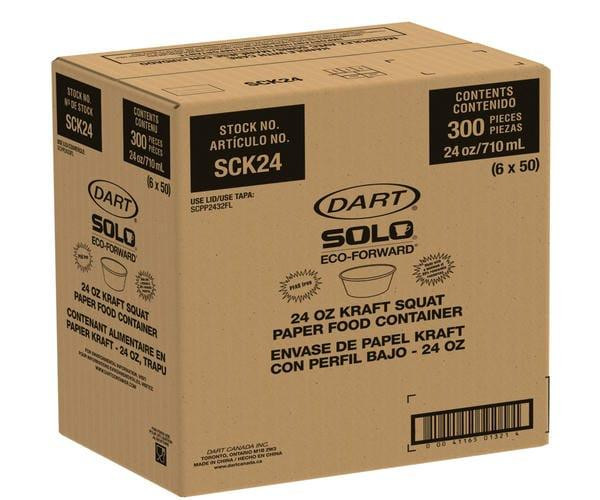
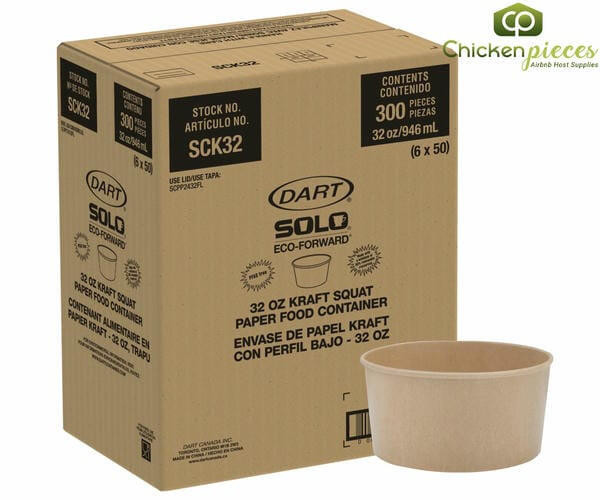
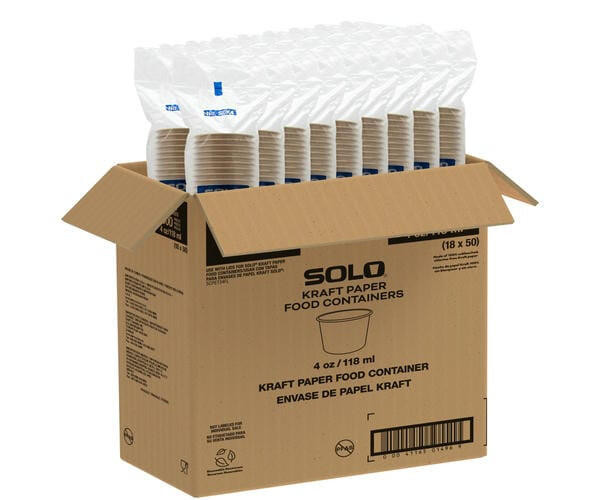
Shop Compliant Packaging Solutions
Browse our range of verified PFAS-free options.

People Also Ask
Real questions buyers search before they order — answered straight.
Are PFAS banned in food packaging?
PFAS are increasingly restricted rather than banned everywhere at once — a growing number of US states now prohibit intentionally-added PFAS in food packaging, and manufacturers have phased grease-proofing PFAS out of many products. The picture keeps shifting, so what is allowed in one jurisdiction may be restricted in another. Buyers should track the rules in every market they serve rather than assume a single national standard.
What type of food packaging contains PFAS?
PFAS have most often been used in grease- and water-resistant fibre packaging — moulded pulp bowls, fast-food wrappers and bags, microwave popcorn bags, and some bakery and takeaway papers. Rigid plastics and aluminium generally do not rely on them. The higher-risk items are the ones designed to resist oil and moisture without a visible plastic lining.
Why are PFAS used in food packaging?
PFAS were added because they give paper and fibre packaging cheap, effective resistance to grease and water, letting a fibre bowl hold oily food without leaking or going soggy. That performance is exactly why they became common. The challenge in removing them is finding barriers that match that grease resistance while still breaking down safely.
Is there still PFAS in food packaging despite the phase-out?
Yes — despite voluntary phase-outs and new bans, PFAS can still turn up in older stock, imported items, or products that were never reformulated. A phase-out at the manufacturer level does not instantly clear warehouses and shelves. That is why verifying each line with your supplier, rather than assuming, remains important.
What are the best PFAS-free swaps for grease-resistant items?
Common compliant swaps include clay- or bio-based-coated fibre, uncoated moulded pulp for drier items, aluminium, and rigid recyclable plastics where composting is not the goal. For greasy or saucy food, choose fibre products that state a PFAS-free grease barrier. Testing a sample against your messiest menu items confirms the swap holds up before you commit.
How can a facility keep its packaging purchases compliant as bans expand?
Ask suppliers for written PFAS-free confirmation on every affected line, keep those statements on file, and re-check when you reorder or change suppliers. Because rules expand over time, an item that passed last year may need re-checking. Building this into your normal purchasing routine keeps you ahead of the next round of restrictions.
What Canadian Facility operators say
See what operators say about their switch.
Switching to these kraft containers was easy. They hold up well with hot meals. My team noticed no leaks. Compliance is now stress-free for our Texas location. Highly recommended for busy kitchens.
We needed PFAS-free options fast. These poly-coated papers worked perfectly. Guests loved the quality. Our audit passed smoothly in Ohio. Great support from the supplier team too.
The paper fry cones are a hit. No grease soak-through issues. They match our Florida brand aesthetic. Easy to order and reliable delivery. A solid upgrade from our old stock.
Compliance Basics: Frequently Asked Questions
What is PFAS?
PFAS stands for per- and polyfluoroalkyl substances. These are synthetic chemicals used in many products. They resist heat, oil, and water. However, they persist in the environment and human bodies. Many states now ban them in food packaging.
Why should I care?
Regulations are changing rapidly. Using banned materials can lead to fines. It also poses health risks. Staying compliant protects your business reputation. It ensures a safe environment for guests and staff alike.
How do I know if packaging is safe?
Check product labels for PFAS-free claims. Request material safety data sheets from suppliers. Look for specific mentions of PFOA/PFOS absence. Trust reputable brands that provide transparency. When in doubt, ask questions.
Are all paper containers safe?
Not necessarily. Some papers use fluorinated coatings for grease resistance. Uncoated kraft is generally safer but less durable. Poly-coated papers can be safe if verified. Always check the specific product specifications before buying.
Which states have bans?
Washington, Maine, and Colorado have strict bans. California and New York are moving toward restrictions. Other states may follow soon. Check your local health department for current rules. Stay updated on legislative changes.
Can I use plastic?
Yes, if it is PFAS-free. Polypropylene and polyethylene are safe choices. Avoid unclear polymer blends. Verify the resin type with your supplier. Ensure lids match container safety profiles for full compliance.
How often should I audit?
Quarterly audits are recommended. Review inventory for outdated or non-compliant items. Check supplier updates regularly. Train staff on new materials as needed. Proactive management prevents last-minute scrambling during inspections.
Who can help me transition?
Your packaging supplier is key. Choose partners who prioritize compliance and transparency. They can recommend suitable alternatives. Work with them to plan inventory shifts. Collaborative efforts ensure a smooth transition process.
Is biodegradable always safe?
Biodegradable claims do not guarantee PFAS absence. Some bioplastics may still contain additives. Verify the full material composition. Look for specific compliance certifications. Do not assume 'eco-friendly' means legally compliant.
How do you calculate shipping on bulk orders?
We calculate shipping on live carrier rates at checkout, not on flat or subsidized tiers. Every order is priced against real LTL, parcel, or pallet-freight quotes from our Calgary warehouse to your dock. That means you never absorb hidden shipping costs into product margins — what we charge is what the carrier charges us, plus a small handling pass-through. For bulk and pallet orders this typically runs 15–25% lower than competitors who bake shipping into their unit prices, because the rate is transparent and tied to the actual shipment weight and distance.
Regulatory reference: Health Canada maintains a searchable database of approved disinfectants for use in Canadian facilities. The FDA Food Code also sets cleaning and sanitization standards for commercial food-contact surfaces.
Related guides from ChickenPieces
Why Buy From Us
We provide reliable, compliant packaging solutions for your facility.
Verified Compliance
All products are checked against current state bans. We ensure every item meets strict regulatory standards. Your supply chain remains safe and legal with our curated selection.
Fast Delivery
We stock high-demand items locally. Orders ship quickly to minimize downtime. Reliable logistics keep your operations running smoothly without unexpected delays in service.
Bulk Savings
Purchase in volume for better value. Our case pricing supports large-scale operations. You get consistent quality at competitive rates for all your facility needs daily.
FDA Standards
Every product meets FDA food-contact compliance. We prioritize safety and hygiene in our selections. Trust our inventory to handle various food types safely and effectively.
Sources & further reading
- Authorized Uses of PFAS in Food Contact Applications — U.S. FDA
- State packaging bans overview — Center for Environmental Health
Ready To Switch?
Contact us today for a quote. Our team helps you find compliant packaging solutions tailored to your facility needs.
Request a Quote