
2026 Jul 19th
Master EPA Sanitizers: Quats, Chlorine And Peroxide For
Food-safe sanitizers require valid EPA registration. Quats offer long wet times, chlorine acts fast but corrodes, and peroxides break down cleanly. Contact time matters most for compliance. Choose based on surface type and safety needs.
Master EPA Sanitizers: Quats, Chlorine And Peroxide For Facilities
This guide helps property managers and facility operators choose compliant sanitizers. You will learn about EPA registration details, required contact times and chemical safety.
Key Takeaways
Here are the key points for selecting your cleaning agents.
EPA Registration Is Key
Check the EPA number on every label. This proves the product kills specific pathogens. Without this registration, you cannot claim disinfection in commercial settings or pass health inspections.
Respect The Contact Time
Surfaces must stay wet for the listed time. Wiping dry too soon stops the kill process. Use timers or visual cues to ensure full efficacy during your daily cleaning routines.
Quats Are Gentle On Surfaces
Quaternary ammonium compounds are less corrosive than bleach. They work well on plastics and painted walls. However, they struggle with organic dirt, so clean first before sanitizing.
Chlorine Acts Quickly But Harshly
Bleach solutions kill germs fast but can damage metals. Always dilute correctly to avoid fumes and residue. It is ideal for non-porous surfaces that need rapid turnaround times.
Peroxide Breaks Down Safely
Hydrogen peroxide turns into water and oxygen. This leaves no toxic residue behind. It is a strong option for food contact areas where chemical buildup must be strictly avoided.
Match Chemical To Task
Do not use one size fits all. Heavy soil needs different agents than glass. Selecting the right tool prevents damage and ensures your team works efficiently every single day.
Understanding EPA Registration And Label Claims
Every sanitizer must meet federal standards to be legal for use.
The Environmental Protection Agency regulates antimicrobial pesticides in the US. A valid registration number appears on every label. This number links to a public database of approved products. Using unregistered chemicals risks heavy fines during inspections. Property managers must verify these codes before purchasing bulk supplies for their facilities.
Labels distinguish between cleaning, disinfecting and sanitizing. Cleaning removes dirt. Disinfecting kills germs on hard surfaces. Sanitizing reduces microbes to safe levels on food contact surfaces. Confusing these terms leads to compliance failures. Read the label instructions carefully to understand exactly what the product can legally do in your space.
Registration expires and changes happen frequently. Manufacturers update formulas or drop ingredients. You must check current status regularly, not just at purchase. Keep digital copies of Safety Data Sheets on file. This documentation proves due diligence if health officials question your cleaning protocols during an unexpected audit visit.
The Critical Role Of Contact Time
Wet time determines whether the chemical actually kills pathogens effectively.
Contact time is often called wet time. It is the duration a surface must remain visibly wet. Most labels require three to ten minutes. Wiping dry before this window ends fails the test. The chemical needs that full period to penetrate cell walls and destroy the target organisms effectively.
High traffic areas pose unique challenges. Doors and handles get touched constantly. You may need faster acting agents here. Conversely, low touch surfaces allow longer dwell times. Adjust your cleaning schedule based on usage patterns to maintain compliance without wasting labor hours on unnecessary reapplications.
Humidity affects evaporation rates significantly. Dry climates shrink wet time windows. You might need to mist lightly to keep surfaces damp. Always test in your specific environment conditions. Document these observations to train new staff members properly on local requirements and effective application techniques.
Quaternary Ammonium Compounds For General Cleaning
Quats are versatile, low odor and safe for many materials.
Quaternary ammonium compounds are widely used in hospitality. They offer a pleasant scent and low toxicity. These chemicals remain active for long periods on surfaces. This makes them ideal for high-touch points like light switches. Staff appreciate the reduced fume exposure compared to harsher alternatives.
However, quats have limitations with hard water. Calcium ions can reduce effectiveness significantly. If your facility has hard water issues, consider chelating agents. These additives bind minerals and restore quat power. Regular testing ensures your solution remains potent throughout the entire shift duration.
Compatibility with plastics is a major benefit. Quats rarely cause discoloration or degradation over time. This extends the life of furniture and fixtures. Facility operators save replacement costs by choosing gentler chemistry. Always verify manufacturer recommendations for specific material safety before widespread deployment.
Chlorine Bleach For Rapid Disinfection Needs
Bleach acts fast but requires careful handling and dilution.
Sodium hypochlorite is the active ingredient in bleach. It breaks down organic matter aggressively. This makes it excellent for biohazard cleanup situations. The speed of action is its primary advantage. You can achieve high kill rates in under a minute on some surfaces.
Corrosion is a serious downside to consider. Metals tarnish and fabrics fade rapidly. Use only on non-porous, inert surfaces like tile or sealed concrete. Rinse thoroughly if residue concerns exist. The smell also indicates active chemical presence which some guests find unpleasant.
Hydrogen Peroxide For Clean Breakdown Results
This option leaves zero residue and works on food surfaces.
Hydrogen peroxide oxidizes contaminants effectively. It decomposes into water and oxygen gas. This leaves absolutely no chemical residue behind. Food service areas benefit greatly from this property. You do not need extensive rinsing after application on food contact surfaces.
Stability can be an issue with older stock. Check expiration dates carefully before opening bulk containers. Fresh solutions ensure maximum efficacy against resistant spores. Accelerated hydrogen peroxide formulas offer broader spectrum activity. These advanced versions work faster and at lower concentrations.
Material compatibility is generally high but not universal. Some delicate fabrics may bleach slightly. Test in inconspicuous areas first. The lack of fumes makes it safer for occupied spaces. Guests rarely notice the cleaning process when peroxide is used properly.
Choosing The Right Sanitizer For Your Space
Match the chemical type to your specific facility needs.
Start by listing all surface types. Glass, metal, wood and plastic each have needs. A single solution rarely fits all categories well. Segment your cleaning zones accordingly. Assign specific chemicals to specific areas for optimal results.
Consider staff training requirements too. Complex dilution systems increase error risks. Ready-to-use products reduce mistakes but cost more per ounce. Balance labor efficiency with material costs carefully. Simple protocols yield better compliance in busy environments.
Environmental impact matters increasingly to clients. Green certified options exist for most chemical classes. Look for EPA Safer Choice labels where possible. These demonstrate commitment to sustainability without sacrificing performance metrics. Modern facilities demand responsible supply chain choices.
Compare Sanitizer Types And Key Features
Use this chart to match chemical properties with your facility requirements.
| Feature | Quaternary Ammonium | Chlorine Bleach | Hydrogen Peroxide |
|---|---|---|---|
| Speed Of Action | Moderate To Slow | Very Fast | Moderate |
| Surface Safety | High Compatibility | Corrosive To Metals | Mostly Safe |
| Residue Level | Low Residue | Requires Rinsing | None Remaining |
| Odor Profile | Mild Scent | Strong Pungent | Neutral Odor |
| Organic Matter Tolerance | Low Tolerance | High Tolerance | Moderate Tolerance |
| Best Use Case | General High Touch | Biohazard Cleanup | Food Contact Areas |
| Storage Needs | Standard Shelving | Ventilated Area | Opaque Container |
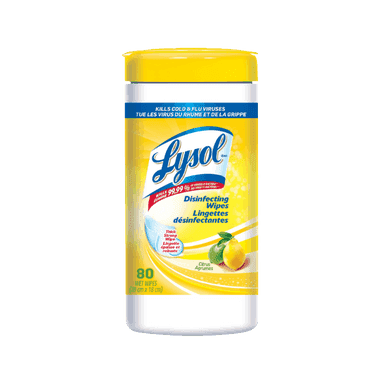
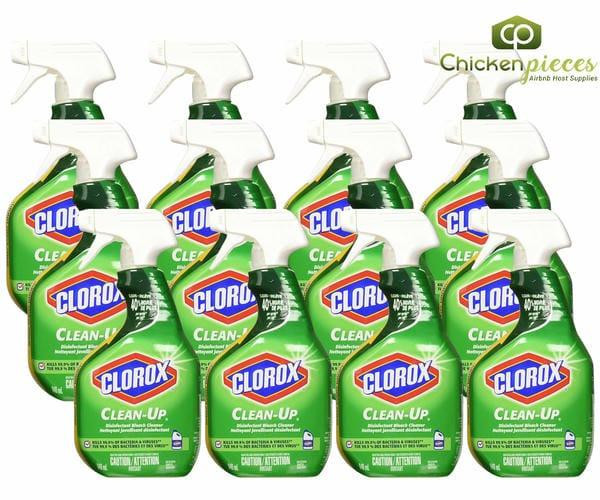
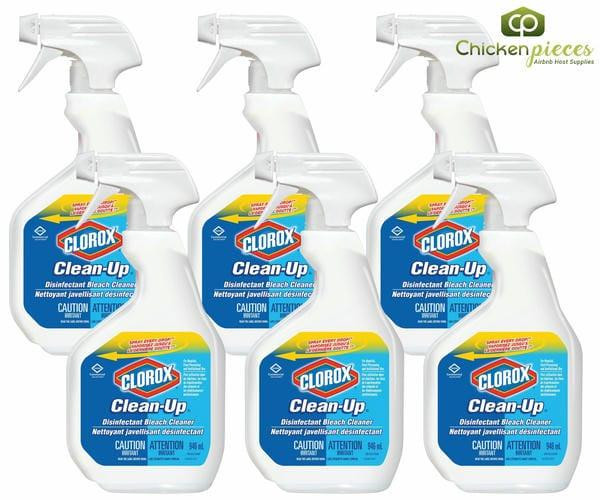
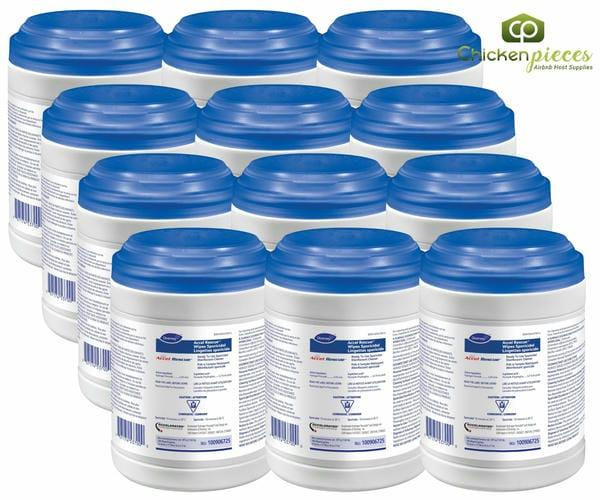
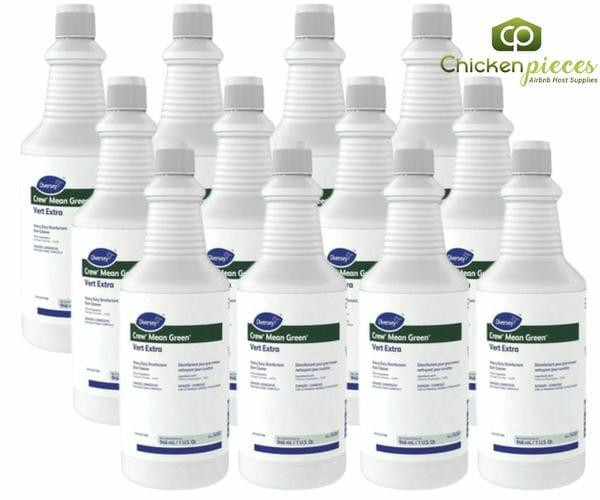
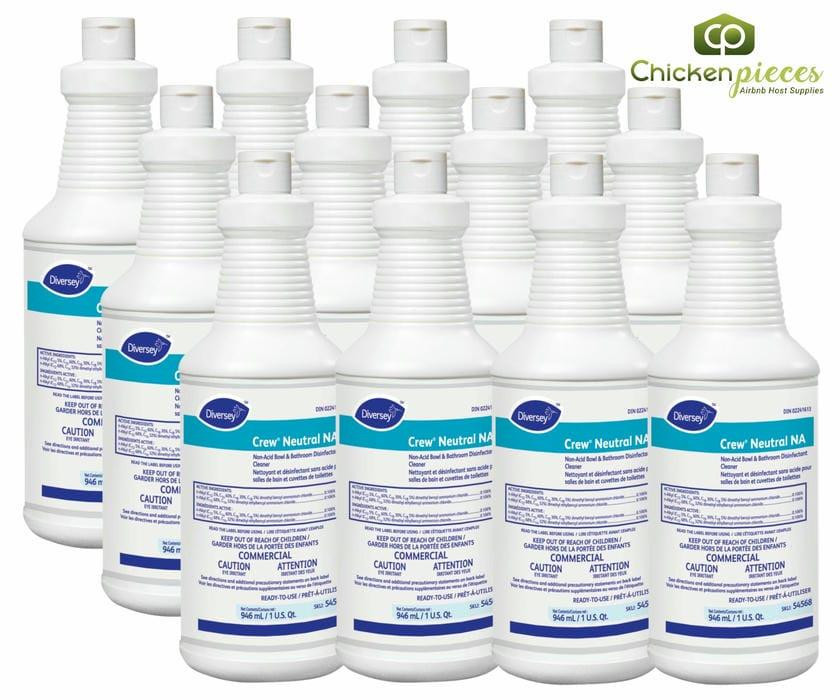
Explore Our Sanitizer Inventory
Find EPA registered products for every surface and budget need.



People Also Ask
Real questions buyers search before they order — answered straight.
What sanitizer do restaurants use?
Most kitchens rely on one of the food-contact sanitizers — chlorine (bleach-based), quaternary ammonium (quat), or iodine — rather than the alcohol gels used on hands. Chlorine is inexpensive and fast, quat leaves a longer-lasting film and is gentle on many surfaces, and iodine works at low concentrations but is used less often. The right pick depends on your water, your surfaces, and how you rinse, so many operators keep more than one on hand.
What are the three main types of food-safe sanitizer?
The three classic food-contact sanitizers are chlorine, quaternary ammonium (quat), and iodine, with newer peroxide-based options now joining them. Each has its own correct concentration and contact time, which is why you match the product to the job rather than assuming they are interchangeable. Whatever you choose, it must be cleared for food-contact surfaces and used at the strength shown on the label.
Do food-safe sanitizers kill norovirus?
Norovirus is tough, and not every sanitizer handles it well — a chlorine-based product at the right strength is the usual choice, while quat on its own is less reliable against it. The surface must be cleaned first and then sanitized for the full contact time, as leftover soil shields the virus. For an outbreak-level clean you step up to a disinfectant clearly labelled as effective against norovirus.
Is sanitizer just alcohol?
No — the alcohol gels people picture are hand sanitizers, whereas food-contact surface sanitizers are usually chlorine, quat, iodine, or peroxide diluted in water. Alcohol evaporates too fast to give the steady contact time a food surface needs. For counters, boards, and equipment, reach for a food-safe surface sanitizer rather than an alcohol hand product.
What are sanitizer test strips, and do I need them?
Test strips are small paper checks that show whether your sanitizer solution is mixed to the correct strength in parts per million. They matter because a solution that is too weak will not sanitize, while one that is too strong wastes product and can leave residue. Keeping strips on hand lets staff verify each fresh batch in seconds, and many inspectors expect to see them in use.
How do food-safe sanitizers actually work?
A sanitizer lowers the number of germs on an already-clean surface to a safe level, rather than wiping out every microbe the way a disinfectant aims to. That is why cleaning comes first — grease and food debris stop the solution from reaching the surface. Given the right concentration and a short contact time, it does its job, and for no-rinse products it is simply left to air dry.
What Canadian Facility Managers say
See what facility operators say about our supply reliability.
We switched to these wipes last month. The citrus scent is much better than bleach. My staff loves them because they do not need mixing. Compliance audits have been smooth since the change happened.
The peroxide spray works great on our kitchen counters. No rinsing required saves so much time during turnover. Guests notice the fresh air immediately. Highly recommend for short term rental hosts.
Bulk pricing on the bleach solutions is unbeatable here. Delivery arrives exactly when promised every week. The customer service team helps me pick right chemicals for our gym floors consistently.
Sanitizer Safety Questions: Frequently Asked Questions
The following operator questions are answered with cited sources. Every FAQ links to Health Canada, CFIA, Canada.ca, or another authoritative regulator.
What is the practical difference between quat, chlorine, and peroxide sanitizers in a commercial kitchen?
Products referenced:
- Quaternary Ammonium Sanitizer Concentrate
- Chlorine Bleach Sanitizer, 6 percent
Source: Professionals, what sanitizer do you use - r/Cooking
How do I read a quat test strip and what ppm should I aim for?
Products referenced:
- Quat Sanitizer Test Strips, 200 to 400 ppm
- Quaternary Ammonium Sanitizer Concentrate
Can I switch between chlorine and quat sanitizers in the same dispenser?
Products referenced:
- Chlorine Sanitizer Test Strips, 50 to 100 ppm
- Quat Sanitizer Test Strips, 200 to 400 ppm
Source: Need help interpreting sanitizer test strips and determining - r/KitchenConfidential
Are quat sanitizers safe on quartz countertops and other food prep surfaces?
Products referenced:
- Quaternary Ammonium Sanitizer Concentrate
- Chlorine Bleach Sanitizer, 6 percent
What is peroxyacetic acid sanitizer and when is it the best choice?
Products referenced:
- Peroxyacetic Acid Sanitizer Concentrate
- PAA Sanitizer Test Strips, 100 to 200 ppm
What does an EPA registration number on a sanitizer actually tell me?
Products referenced:
- Quaternary Ammonium Sanitizer Concentrate
- Chlorine Bleach Sanitizer, 6 percent
Source: Verifying correct sanitizer and detergent concentrations in cleaning - IFSQN
Why does my kitchen towel wipe down reduce the effectiveness of my sanitizer?
Products referenced:
- Quat Sanitizer Test Strips, 200 to 400 ppm
- Quaternary Ammonium Sanitizer Concentrate
Source: Does anybody ever actually use these before washing - r/KitchenConfidential
How should I rotate between quat, chlorine, and peroxide sanitizers to avoid resistance?
Products referenced:
- Quaternary Ammonium Sanitizer Concentrate
- Chlorine Bleach Sanitizer, 6 percent
- Peroxyacetic Acid Sanitizer Concentrate
Source: Professionals, what sanitizer do you use - r/Cooking
Related guides from ChickenPieces
Why Buy From ChickenPieces
We provide reliable supplies and expert support for your facility needs.
Fast Local Delivery
Our Calgary warehouse ships quickly across borders. You receive orders on time every week. No delays disrupt your cleaning schedules or leave you short on essential inventory items.
Expert Product Guidance
Our team knows EPA regulations inside out. We help you pick the right chemicals for specific tasks. Avoid costly mistakes with personalized advice from seasoned supply professionals who understand your industry.
Bulk Pricing Benefits
Order larger quantities to save on unit costs. We negotiate directly with manufacturers for better rates. Your bottom line improves while maintaining high quality standards throughout your entire cleaning operation.
FDA Compliance Focus
Every product meets strict FDA food-contact surface rules. You can trust our inventory for kitchens and dining areas. Pass inspections easily with fully compliant sanitizer options available today.
Sources & further reading
- EPA-registered disinfectants — U.S. EPA
- FDA Food Code 2022 — U.S. FDA
Request Your Custom Quote Now
Contact us to discuss your volume needs. We will provide a tailored supply plan that fits your budget and compliance requirements perfectly.
Request a QuoteAuthoritative References