
 US Dollar (USD)

2026 Aug 2nd
Protect Ice and Coffee Equipment from Scale Damage
Commercial water filters remove scale-forming minerals and chlorine before they enter ice machines and coffee equipment. Most manufacturers require certified filtration to maintain warranty coverage. Replace cartridges every six months, or sooner with high-volume use.
Protect Ice and Coffee Equipment from Scale Damage
Airbnb hosts, property managers, and facility operators in Calgary and across Canada use proper filtration to avoid costly repairs and keep guest-facing equipment running clean.
Key Takeaways
Here is what operators need to know before choosing filtration for guest-facing equipment.
Warranty requires filtration
Equipment makers void coverage if unfiltered water causes scale damage. Keep installation records and replacement receipts.
Scale ruins heat transfer
Mineral buildup forces compressors and heating elements to work harder, shortening lifespan and raising energy draw.
Chlorine affects taste
Residual chlorine in municipal water carries into ice and brewed coffee, noticeable to guests with sensitive palates.
Flow rate matters
High-volume brewers need higher GPM ratings. Undersized filters starve equipment during peak morning rushes.
Single vs combination
Primary filters handle sediment. Combination cartridges add scale inhibition and chlorine removal in one housing.
Track replacement dates
Set calendar reminders. Depleted cartridges stop protecting equipment and can release trapped contaminants.
Why manufacturers require certified filtration
Unfiltered water voids coverage on expensive equipment.
Ice machine and espresso manufacturers specify water quality standards in their service agreements. Hard water with high mineral content causes limescale accumulation on evaporator plates and boiler heating elements. When scale-related failure occurs, technicians test water source compliance. Missing or inadequate filtration shifts repair costs to the operator.
The damage pattern is predictable. Calcium and magnesium precipitate when water heats or freezes. In ice machines, scale insulates evaporator plates, forcing longer freeze cycles and incomplete cube release. In espresso equipment, scale narrows boiler passages and blocks solenoid valves. Both failures trigger expensive service calls that could have been prevented.
Manufacturers protect themselves with explicit filtration clauses. Hoshizaki, Follett, Ice-O-Matic, and Bunn all publish water specification documents. Installation manuals list acceptable hardness levels and required treatment methods. Operators who skip these steps lose parts-and-labour coverage, often worth thousands on commercial-grade units.
How mineral buildup destroys equipment from inside
Scale forms silently and compounds until failure.
Limescale is crystalline calcium carbonate that adheres to any surface where water temperature changes. Ice machines concentrate minerals during the freeze cycle because pure water crystallizes first, leaving dissolved solids in remaining liquid. This brine recirculates until it triggers automatic purge, but some scale deposits regardless.
Coffee and espresso equipment faces worse conditions. Boiler temperatures reach ninety degrees Celsius or higher, accelerating precipitation. Scale layers act as thermal insulation, forcing elements to run hotter and longer. Metal fatigue follows. Small boilers in high-volume locations can fail within eighteen months without protection.
The financial impact extends beyond repair bills. Scale-damaged ice machines produce hollow or malformed cubes that jam dispensers. Espresso machines with restricted flow deliver uneven extraction and bitter shots. Guests notice inconsistency. Negative reviews mentioning broken amenities or off-tasting coffee damage booking rates and repeat business.
Chlorine removal for taste and equipment life
Municipal disinfectant protects pipes but harms machines.
Canadian cities chlorinate water to prevent bacterial growth in distribution systems. The residual concentration reaching commercial kitchens typically ranges from half to two milligrams per litre. This protects public health but creates problems for foodservice equipment operators.
Chlorine is corrosive to metals common in espresso machines, including brass and copper group heads. It also oxidizes rubber seals and gaskets, causing premature leaks. Beyond equipment damage, chlorine carries distinct taste and odour. Ice made with chlorinated water can smell like a swimming pool when it melts in a guest's glass.
Carbon filtration removes chlorine through adsorption, where molecules bind to activated carbon surfaces. Quality cartridges maintain this capacity for thousands of litres. Bunn's WEQ chlorine-specific variant and combination filters from Everpure, 3M, and Follett all include this function. Operators in older Calgary neighbourhoods with higher chlorine residuals particularly benefit.
Matching cartridge specs to your equipment load
Flow rate and capacity must suit actual daily volume.
Filter selection starts with honest volume assessment. A fifty-room Airbnb property with self-serve breakfast coffee differs enormously from a two-hundred-unit managed apartment building with lobby espresso. Cartridges list maximum flow rates in gallons per minute and total rated capacity in thousands of gallons.
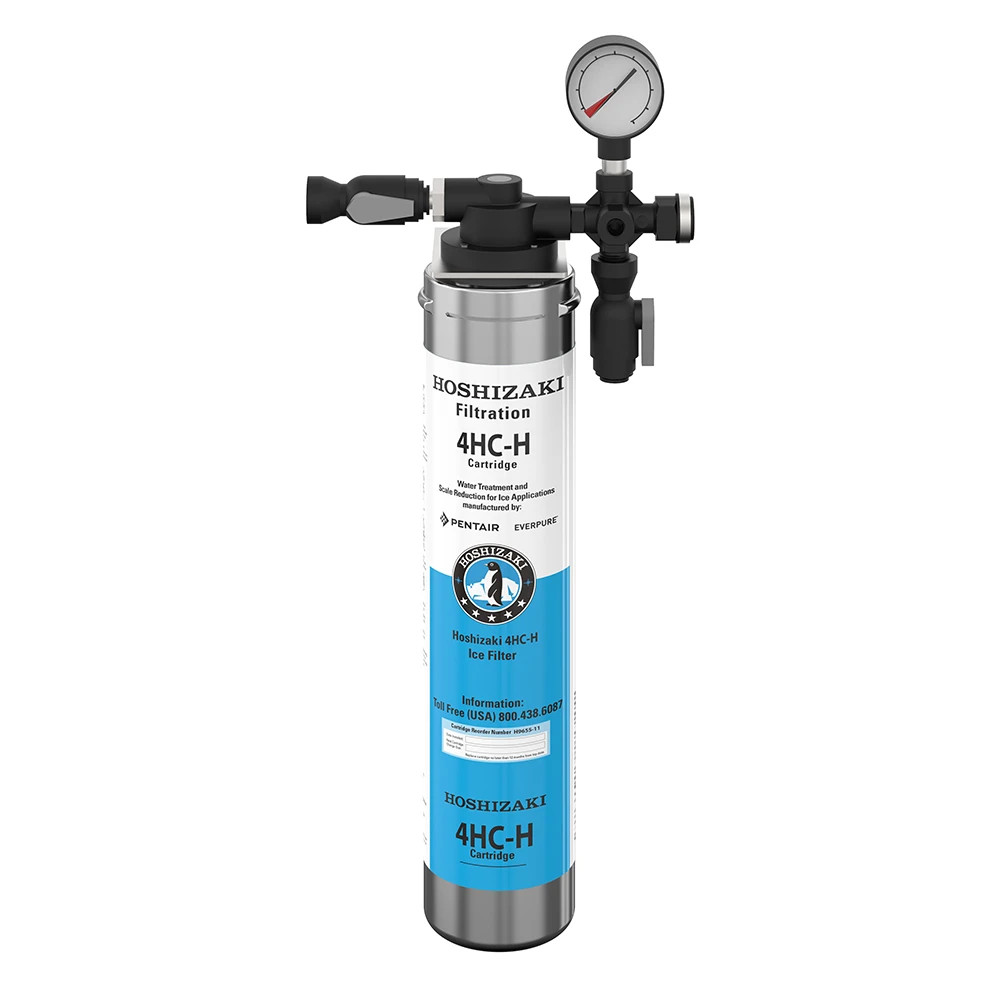
Undersizing causes pressure drop and inadequate protection during peak demand. The Bunn WEQ high-volume variant handles ten gallons per minute for busy coffee programs. Standard combination cartridges like the 3M Cuno ICE120S or Everpure Insurice models suit moderate ice machine loads. Hoshizaki's branded limescale-focused cartridge matches their own equipment specifications exactly.
Housing compatibility matters too. Some cartridges fit proprietary heads; others use standard Everpure QL or 3M Cuno mounts. Check existing filter housing model numbers before ordering replacements. Mixing incompatible cartridges wastes money and risks bypass leakage around poorly seated seals.
When to swap cartridges before failure
Calendar schedules beat guessing based on water appearance.
Most manufacturers recommend six-month replacement for standard commercial use. This interval balances cartridge capacity with bacterial growth risks inside exhausted carbon beds. High-volume locations may need four-month cycles. Seasonal properties opening after winter shutdown should install fresh cartridges regardless of prior use.
Capacity indicators help when available. Some systems include pressure gauges that rise as filters clog. Others use timed lights or simple calendar stickers. None replace disciplined maintenance logging. Property managers overseeing multiple locations need centralised tracking, not memory-dependent systems vulnerable to staff changes.
Delayed replacement creates worse problems than unfiltered water. Exhausted carbon releases previously trapped contaminants in concentrated bursts. Saturated scale-inhibition cartridges actually deposit accumulated minerals. The false security of an installed but spent filter leads to accelerated equipment damage that operators mistakenly attribute to other causes.
Manufacturer-specific replacement guidelines
Each brand publishes intervals tied to warranty terms.
Everpure Insurice systems specify six-month replacement for i2000² and PF-series combination cartridges under normal use. Their warranty documentation requires EV-number genuine parts. 3M Cuno ICE120S cartridges carry similar six-month guidance with capacity-rated replacement at twelve thousand gallons, whichever occurs first.
Bunn separates chlorine-removal and high-volume variants, both at six-month intervals. Follett's OEM cartridges for their Symphony and Horizon ice machines match their published maintenance schedules. Ice-O-Matic IFQ1 and Hoshizaki H9320-51 specify replacement tied to their equipment warranty programs, with Hoshizaki particularly strict about limescale-related claims.
Cross-reference these schedules against actual conditions. Calgary's municipal water averages moderate hardness but varies by source blending from Bow and Elbow rivers. Properties with private wells face entirely different mineral profiles requiring custom assessment. Adjust manufacturer baselines upward or downward based on water testing, not assumption.
Filter comparison by equipment type and protection focus
Match your primary equipment and concern to the right cartridge specification.
| Filter cartridge | Best for | Key protection | Typical lifespan |
|---|---|---|---|
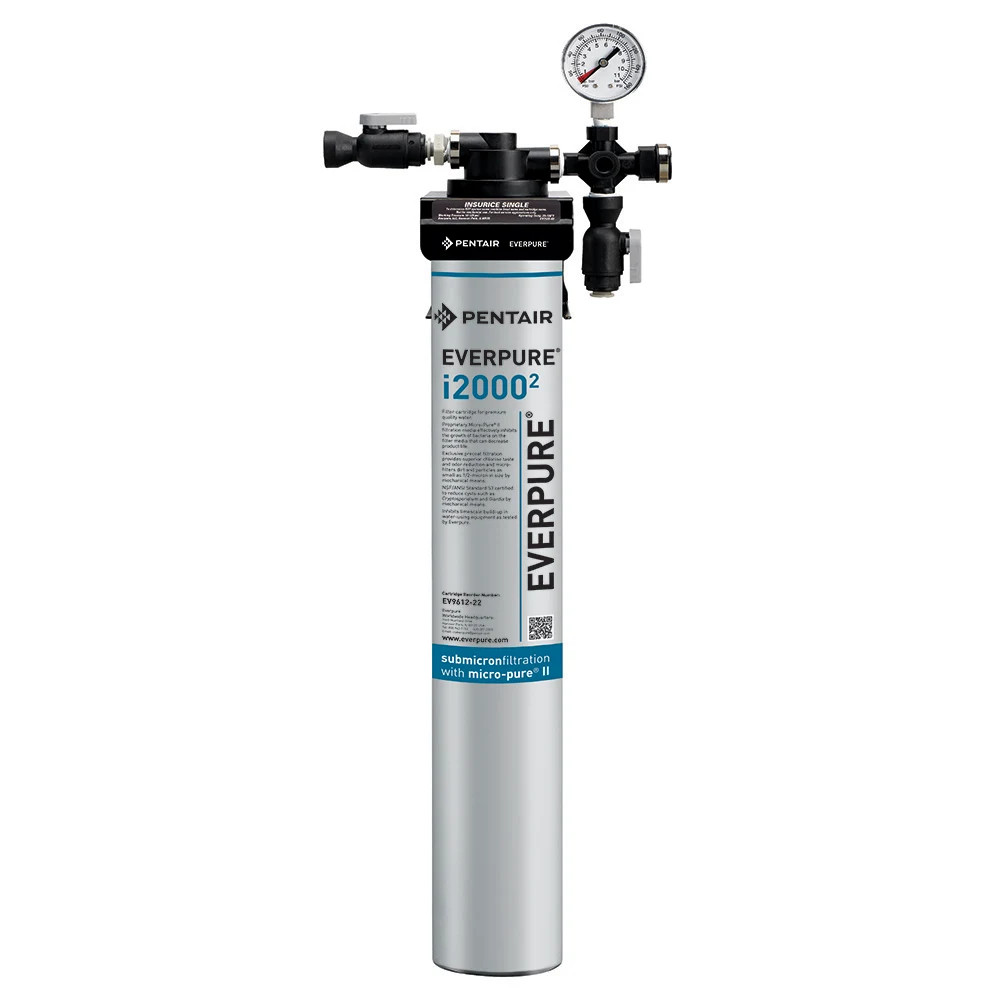
| Everpure EV932401 Insurice i2000² | Ice machines, moderate volume | Scale + chlorine + sediment | 6 months |
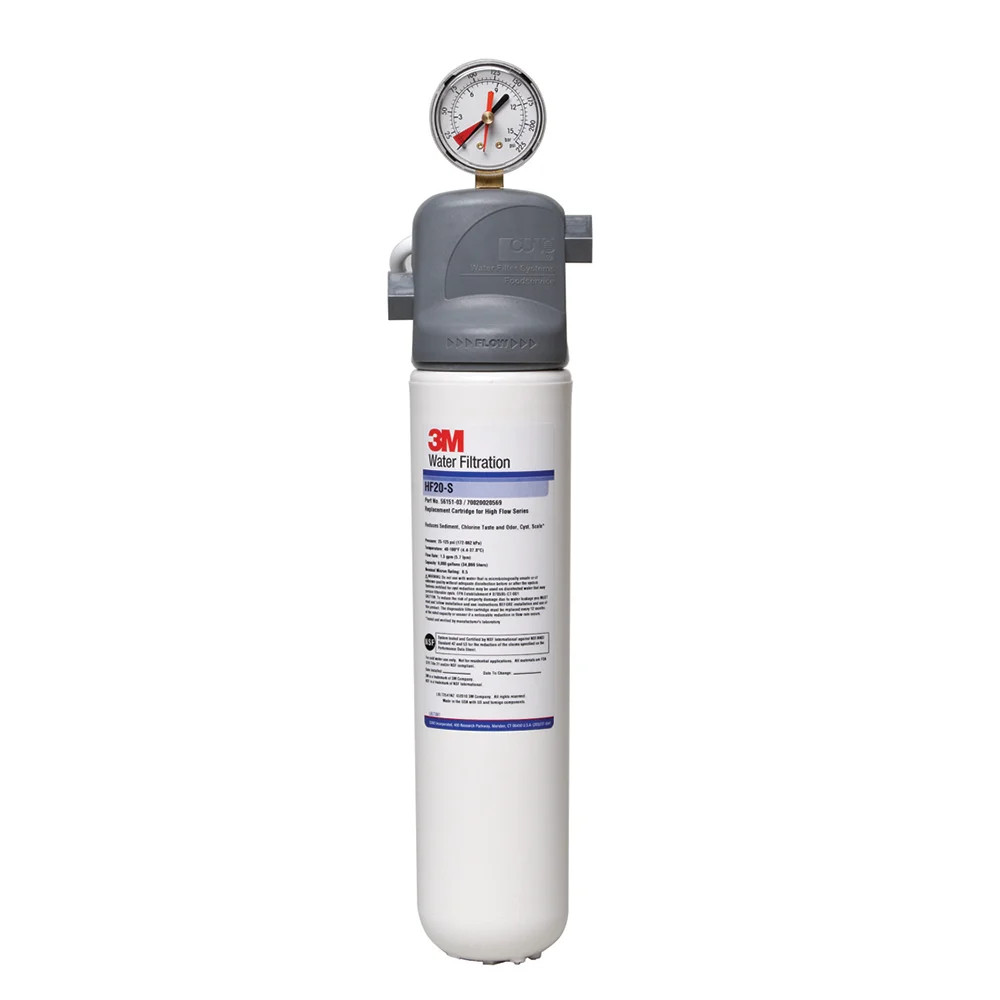
| 3M Cuno ICE120S | Ice machines, general commercial | Scale + chlorine + cyst reduction | 6 months / 12,000 gal |
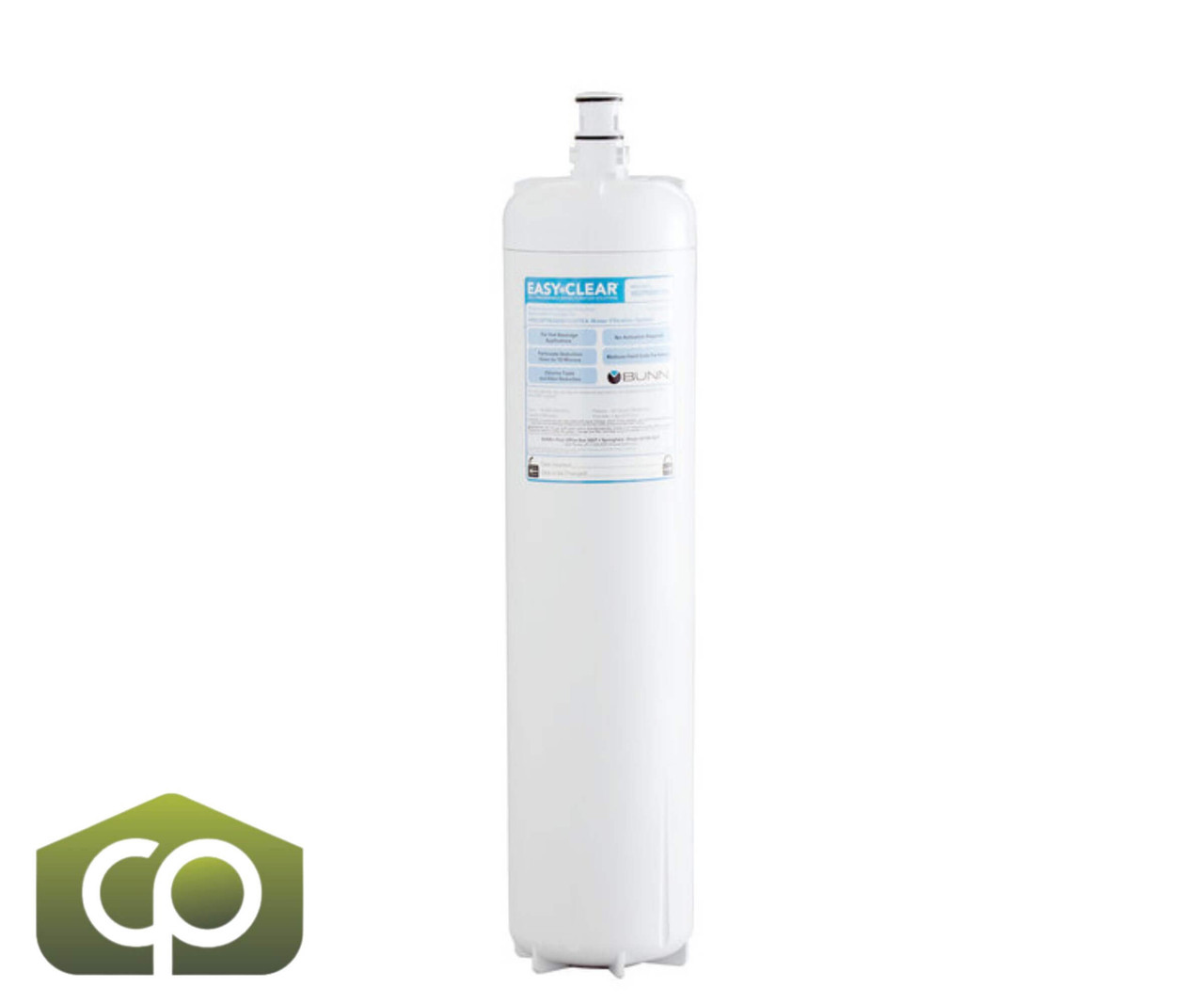
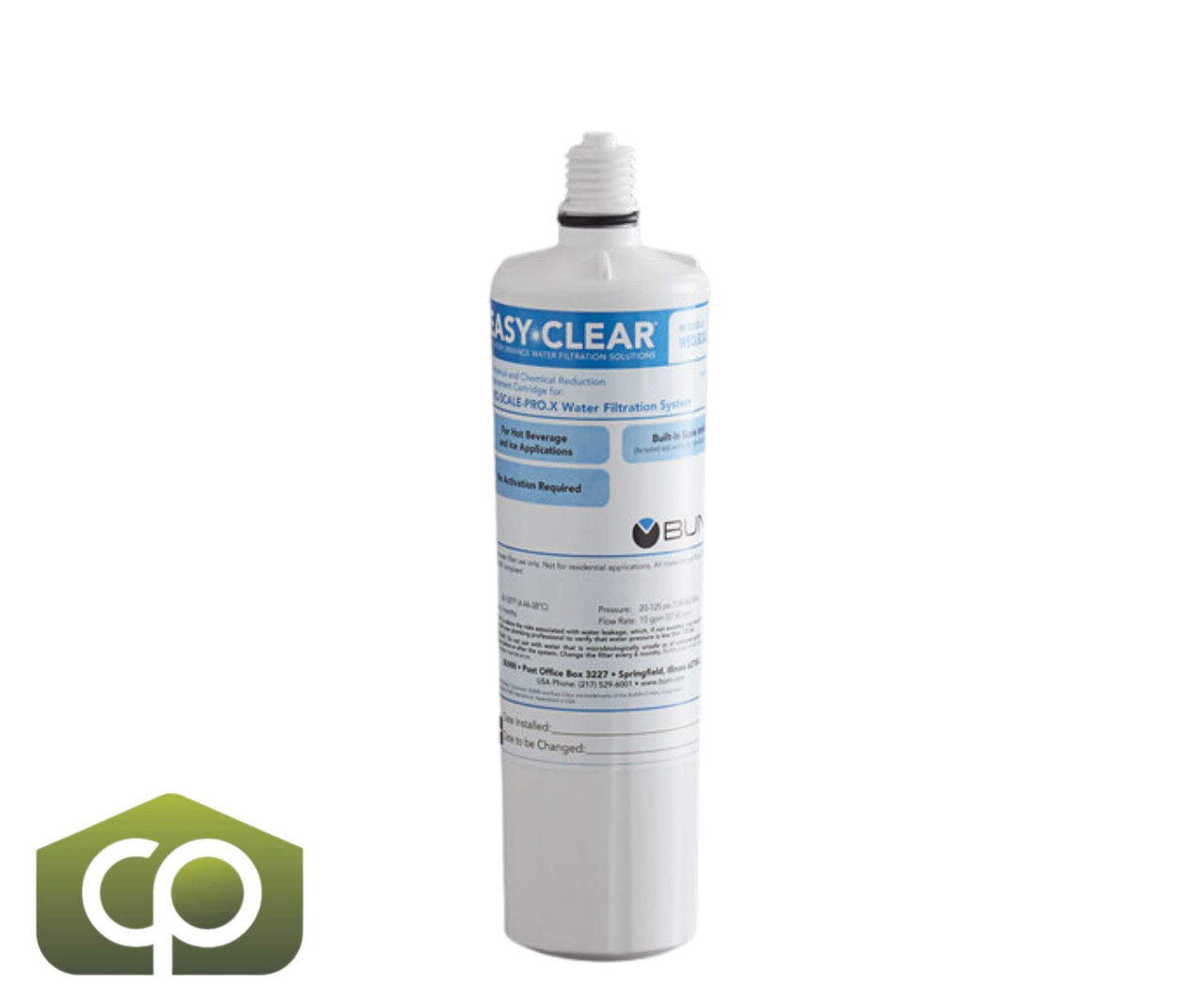
| Bunn WEQ Chlorine Removal | Tea brewers, taste-sensitive | Chlorine + odour | 6 months |
| Bunn WEQ High Volume 10 GPM | Coffee brewers, rush periods | Scale + high flow capacity | 6 months |
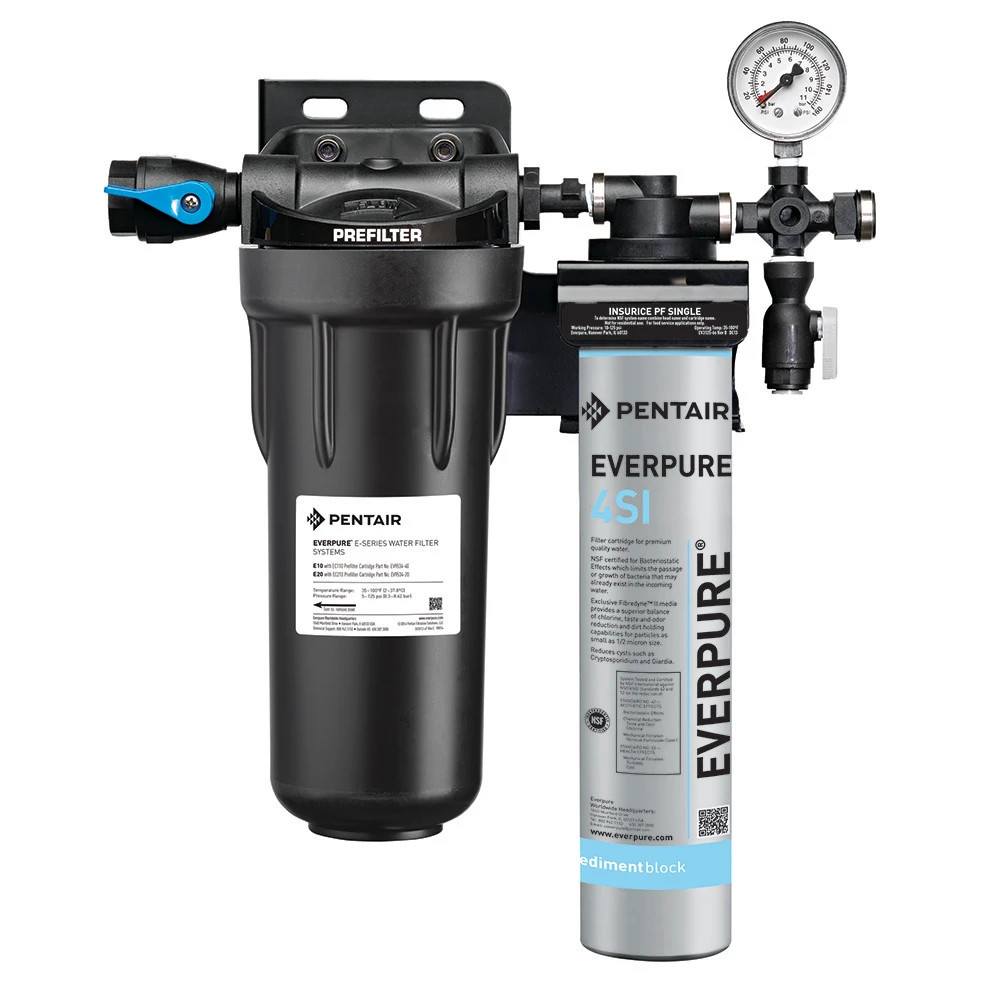
| Everpure EV932461 Insurice PF 4SI | Ice machines, scale-heavy water | Scale inhibition + phosphate | 6 months |
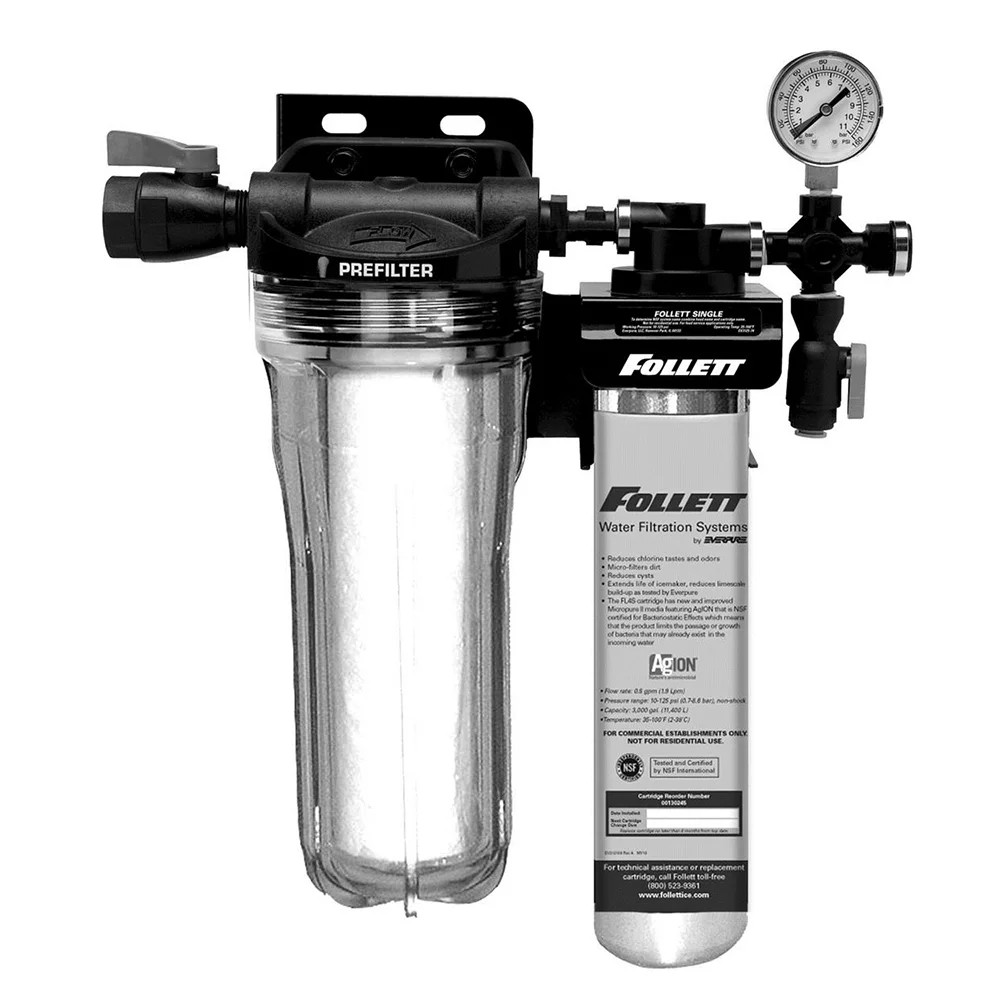
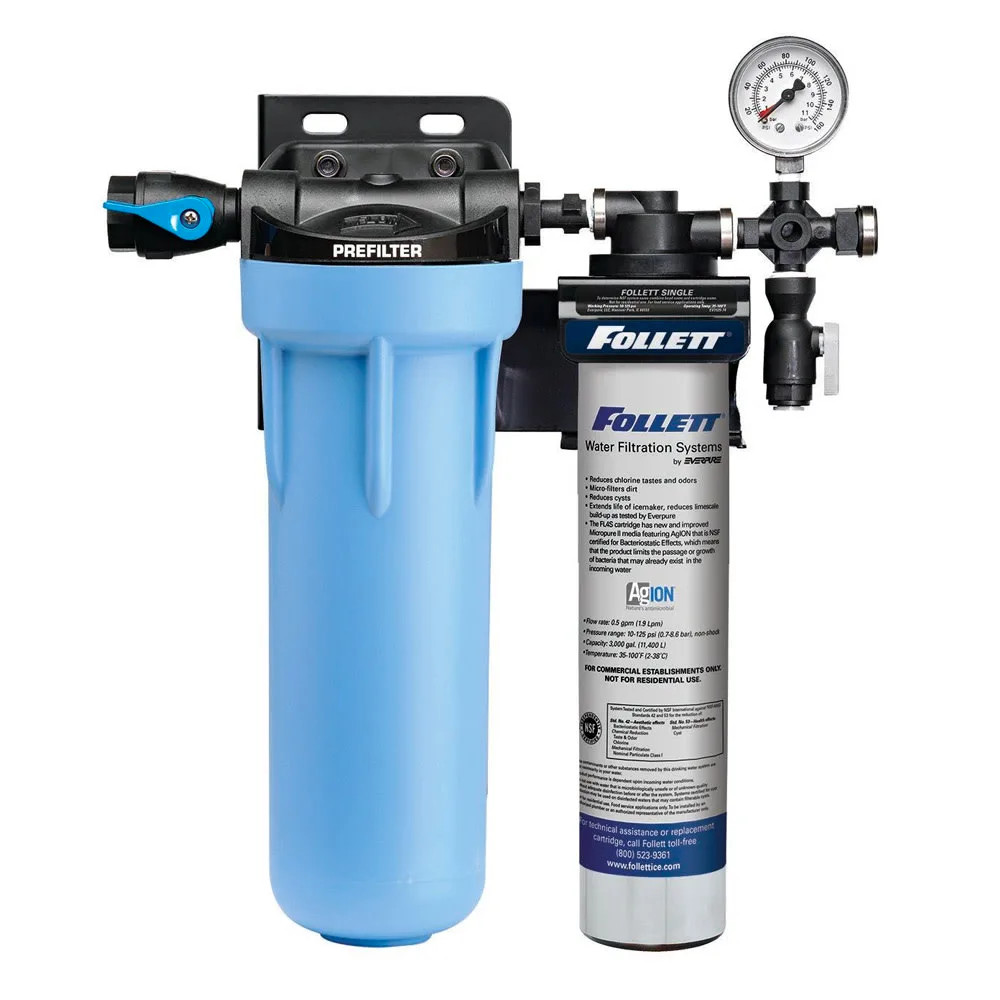
| Follett 00130229 / 00978957 | Follett ice machines | OEM warranty compliance | 6 months per manual |
| Hoshizaki H9320-51 | Hoshizaki ice machines | Limescale buildup prevention | 6 months |
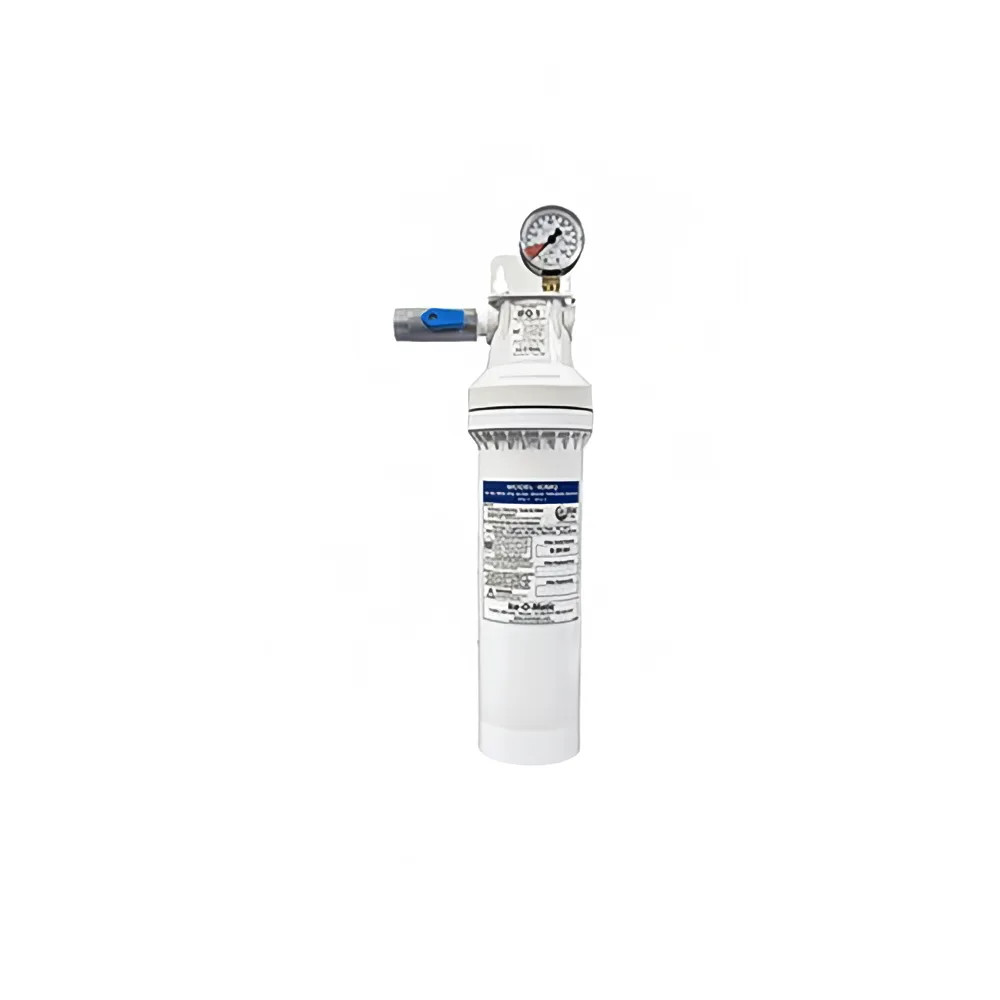
| Ice-O-Matic IFQ1 | Ice-O-Matic equipment | Combination + warranty terms | 6 months |
Commercial water filters stocked for Canadian operators
Genuine cartridges from Everpure, 3M, Bunn, Follett, Hoshizaki, and Ice-O-Matic ship from Calgary to properties nationwide.
What Canadian facility operators say
Canadian operators share how proper filtration reduced their service calls.
Our Hoshizaki ice machine kept throwing scale errors until we switched to their branded filter. Six months now, zero faults. Maintenance guy actually asked what we changed.
We run twelve Airbnb units with lobby coffee. The Bunn high-volume cartridge handles morning rush without pressure drop. No more guest complaints about bitter espresso.
Replaced our generic filter with the Follett OEM part and finally got warranty coverage back on our Symphony ice maker. Should have done it two years ago.
Filter maintenance: Frequently Asked Questions
Do I really need the manufacturer's branded filter, or will any compatible cartridge work?
Equipment warranties typically require OEM cartridges. Using non-branded alternatives often voids coverage for scale-related damage. Check your service manual for approved part numbers.
How can I tell if my filter is exhausted before the six-month mark?
Watch for slower ice production, off-tastes in brewed coffee, or visible scale on equipment surfaces. Some systems have pressure gauges that climb as cartridges clog.
What water hardness level causes problems for ice machines?
Calgary municipal water averages moderate hardness, but well water or seasonal source blending can spike levels. Test quarterly and adjust replacement frequency if readings exceed manufacturer limits.
Can I install these filters myself, or do I need a plumber?
Many cartridges twist into existing heads with basic tools. New installations requiring plumbing modification need a certified professional to maintain warranty and insurance compliance.
Why does my ice smell like chlorine even with a filter installed?
Exhausted carbon beds stop adsorbing chlorine. Summer municipal dosing increases can also overwhelm near-spent cartridges. Replace immediately if odour returns.
What is the difference between primary and combination filter cartridges?
Primary filters handle sediment and basic particulate. Combination cartridges add scale inhibition and chlorine removal in one unit, reducing housing complexity.
How do I dispose of used water filter cartridges?
Used cartridges contain trapped contaminants and should not go in standard recycling. Contact your local waste authority for commercial filter disposal guidelines, or ask about our collection program.
Will a high-GPM filter work on low-volume equipment?
Oversized filters function but cost more without benefit. Match flow rate to actual demand for proper contact time and cost efficiency.
Why does my espresso machine still scale with filtered water?
Scale inhibition cartridges reduce but do not eliminate mineral content. Extremely hard water may need additional softening. Also verify you are using the correct filter variant for hot-water equipment.
How do you calculate shipping on bulk orders?
We calculate shipping on live carrier rates at checkout, not on flat or subsidized tiers. Every order is priced against real LTL, parcel, or pallet-freight quotes from our Calgary warehouse to your dock. That means you never absorb hidden shipping costs into product margins — what we charge is what the carrier charges us, plus a small handling pass-through. For bulk and pallet orders this typically runs 15–25% lower than competitors who bake shipping into their unit prices, because the rate is transparent and tied to the actual shipment weight and distance.
Related guides from ChickenPieces
Why Canadian operators buy filtration from ChickenPieces
We stock genuine cartridges with traceable lot numbers for warranty compliance.
OEM-only stock
No aftermarket substitutes that void manufacturer coverage. Every cartridge ships with original packaging and date codes for your records.
Calgary-based dispatch
Western Canada operators receive shorter transit times. Eastern Canada orders ship same business day from our distribution network.
Volume account support
Multi-property managers get consolidated invoicing, scheduled replacement reminders, and dedicated account coordination.
Health Canada aligned
All filtration products meet or exceed Health Canada drinking water treatment device guidelines for material safety and contaminant reduction claims.
Get a filtration quote for your equipment
Tell us your machine models and monthly volume. We will match the right cartridges to your warranty requirements and usage pattern. Request a written quote with replacement scheduling.
Request a Quote