
 US Dollar

2023 May 6th
Bulk Grocery Shopping List for a Month: What You Need to
Buying groceries in bulk can be a smart way to save money and reduce waste. However, when it comes to buying groceries in bulk for a month, it can be overwhelming to figure out what to buy and how much. To help you get started, we've put together a bulk grocery shopping list for a month. Here's what you need to know:
- Plan Ahead
Before you head to the store, take some time to plan your meals for the month. This will help you determine what items you need to buy in bulk and how much. Be sure to consider any special occasions or events that may require additional groceries.
2. Stock Up on Pantry Staples
When buying in bulk for a month, it's important to stock up on pantry staples that have a long shelf life. These items can include grains, beans, nuts, and seeds. Buying in bulk will not only save you money but also reduce the amount of packaging waste.
3. Buy Seasonal Produce
When it comes to buying fresh produce, it's important to buy what's in season. Not only will it be fresher and tastier, but it will also be less expensive. Consider buying in bulk and freezing items that you can't use right away..
4. Consider Your Storage Space
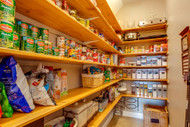
When buying in bulk for a month, it's important to consider your storage space. Make sure you have enough room to store all the items you plan to buy. Consider investing in storage containers or bags to keep items organized and fresh.
5. Don't Forget Your Household Items
In addition to food items, consider buying household items in bulk as well. This can include cleaning supplies, paper products, and toiletries. Buying in bulk can save you money and reduce the amount of packaging waste.
In conclusion, buying groceries in bulk for a month can be a smart way to save money and reduce waste. By planning ahead, stocking up on pantry staples, buying seasonal produce, considering your storage space, and not forgetting your household items, you can make the most out of your bulk shopping experience. Happy shopping!
Frequently Asked Questions
The following operator questions are answered with cited sources. Every FAQ links to Health Canada, CFIA, Canada.ca, or another authoritative regulator.
What should a one-month bulk grocery shopping list include for a family?
Products referenced:
- Bulk oats
- Bulk rice
- Bulk cooking oil
Source: How do you budget and plan for monthly meals? - r/EatCheapAndHealthy
How do I plan a monthly bulk grocery list that does not waste food?
Products referenced:
- Bulk rice
- Bulk pasta
- Bulk cooking oil
Source: Has anyone found or created a meal plan that builds a grocery list? - r/EatCheapAndHealthy
What is the most cost-effective monthly grocery list for a Canadian family of four?
Products referenced:
- Bulk rice
- Bulk beans
- Bulk cooking oil
Source: Spending 1300-1500 on groceries, family of 4 - r/Mommit
How do I handle fresh food when most of my monthly list is bulk?
Products referenced:
- Insulated cooler bag
- Fridge thermometer
- Produce storage containers
Source: How do you split bulk and regular grocery shopping? - r/Frugal
What is the best way to keep track of a monthly bulk grocery list?
Products referenced:
- Monthly bulk-buy tracker
- Bulk dry goods
Source: How do you budget and plan for monthly meals? - r/EatCheapAndHealthy
How do I balance a monthly bulk grocery list with a small kitchen?
Products referenced:
- Stackable clear bins
- Label maker
- Date-label stickers
Source: 50 Bulk Food Shopping Tips to Save Time and Money - Cheapism
What monthly bulk groceries help the most with meal prep?
Products referenced:
- Bulk rice
- Bulk oats
- Bulk canned tomatoes
Source: Cheapest way to buy groceries for a large family - r/Frugal
What is a reasonable monthly bulk grocery list for a single Airbnb host?
Products referenced:
- Case-pack bottled water
- Case-pack coffee
- Case-pack condiments
Authoritative Sources
The following government and public-health sources informed the operator guidance above. Citations to Reddit, Quora, and operator forums appear in the FAQ block above.