
 US Dollar


2026 Apr 24th
Ancestral Ingredients Trend 2026 — A Canadian Guide
Whole Foods called it: ancestral ingredients — think beef tallow, heritage grains, and the kind of pantry staples your grandmother kept — are the dominant food trend shaping 2026. It's not a fad. It's a full-circle return to ingredients that predate industrial food processing, driven by nostalgia, sustainability claims, and a growing distrust of ultra-processed foods.
For Canadian food service operators, this trend represents a real opportunity. Restaurants, hotels, and cafés that pivot to offer menus built around traditional fats, minimally processed grains, and single-ingredient staples can differentiate themselves in a crowded market. And for operators buying in bulk, the margins make sense.
This guide breaks down what ancestral ingredients actually are, why they're trending, which products your kitchen should stock, and how to source them in Canada without blowing your budget.
What Are Ancestral Ingredients — Exactly?
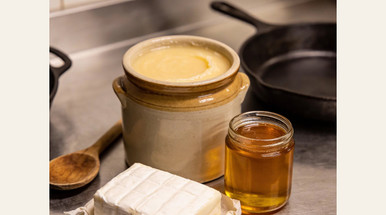
Ancestral ingredients refer to foods and cooking fats that were common before the industrialization of the food system. Think:
- Traditional fats: beef tallow, lard, ghee, coconut oil, cold-pressed olive oil
- Heritage grains: stone-ground flours, whole grains
- Minimally processed staples: raw honey, sea salt, bone broths, fermented foods
- Whole ingredients: rolled oats, dried legumes, whole spices ground in-house
These are not "new" foods. They are the foods your grandparents cooked with before canola oil, hydrogenated shortening, and shelf-stable everything took over. The 2026 twist is that consumers are actively seeking them out — and they're willing to pay more for restaurants that use them.
Why Ancestral Ingredients Are Taking Over in 2026
The trend isn't random. Multiple converging factors are pushing ancestral ingredients into the mainstream.
1. Nostalgia Marketing Is at an All-Time High
Post-pandemic, consumers crave comfort and familiarity. Beef tallow fries, lard-baked pies, and stone-ground porridge trigger positive food memories. Restaurants that lean into "how grandma cooked" storytelling see higher engagement on social media and stronger emotional connections with diners.
2. The Sustainability Argument Actually Works
Traditional fats like tallow and lard are byproducts of the meat industry. Using them reduces food waste — a powerful sustainability message that resonates with eco-conscious Canadian diners. Heritage grains often require fewer chemical inputs than modern hybrids. These aren't just marketing claims; they're verifiable environmental wins.
3. Clean Label Is Now Table Stakes
Consumers can read ingredient lists. When they see "beef tallow" instead of "partially hydrogenated vegetable oil blend," they understand what they're eating. Ancestral ingredients have short, pronounceable ingredient lists — that's the clean-label promise delivered naturally.
4. Dietary Flexibility
Beef tallow and ghee are naturally keto-friendly. Heritage grains appeal to the whole food wellness crowd. Minimally processed ingredients work across paleo, gluten-conscious, and traditional diets without requiring separate kitchen workflows.
The ChickenPieces Take
This is one of those rare trends where the "authentic" option is also the more cost-effective one for bulk buyers. Traditional fats like tallow and lard have competitive price points compared to specialty processed oils, and heritage grains in bulk formats give restaurants a premium positioning without premium input costs.
Traditional Fats: The Comeback Story of 2026
The biggest headline in the ancestral ingredient trend is the revival of animal fats. Beef tallow, lard, and ghee are moving from niche health food store items back into commercial kitchens.
Beef Tallow
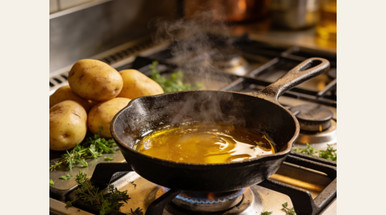
Once the standard frying medium for the fast-food industry before vegetable oils took over, tallow is making a serious comeback. It has a high smoke point (around 400°F), which makes it ideal for deep frying. The flavour it imparts to french fries, fried chicken, and roasted vegetables is noticeably richer than neutral vegetable oils.
Available on ChickenPieces.com:
- Gordon Beef Blended Tallow Frying Shortening 20kg Cube — Commercial-sized tallow for high-volume kitchens
- Sysco Canadian Beef Tallow Shortening Cube 20kg — Canadian-sourced beef tallow for food service operations
- Real Good Kitchen Premium Rendered Angus Beef Tallow 794g — Smaller format for cafes, caterers, or trial runs
Lard
Rendered pork fat is indispensable for flaky pie crusts, traditional tortillas, and refried beans. Non-hydrogenated lard is trans-fat-free and delivers a texture that shortening simply cannot replicate. Canadian bakeries and Mexican restaurants have kept lard in commercial use, but it's now broadening into mainstream kitchens.
Available on ChickenPieces.com:
- Bunge Tenderflake Lard, Cube, Non Hydrogenated 20kg — Bulk lard for high-volume baking and frying
Ghee (Clarified Butter)
Ghee is butter with the milk solids removed, giving it a higher smoke point and a longer shelf life than regular butter. It is a staple in Indian cuisine, but Canadian restaurants are increasingly using it for sauteing, finishing sauces, and even coffee service. Lactose-intolerant diners can tolerate ghee because the milk solids are filtered out during rendering.
Available on ChickenPieces.com:
- Verka Pure Desi Ghee 6.6 lbs (3 kg) — Bulk format for consistent kitchen supply
- Verka Pure Desi Ghee Clarified Butter Bulk 1.6 kg — Medium format for smaller operations
- OG Ghee Hormone-Free Clarified Caramelized Butter — Premium retail-ready format
Coconut Oil
Coconut oil has been trending for years, but the ancestral ingredient movement positions it as a traditional fat used across Pacific Island and South Asian cuisines for generations. It is versatile for both cooking and baking, and the bulk format is cost-effective for commercial kitchens.
Available on ChickenPieces.com:
- Kokoheart Coconut Oil 15kg Bulk Food Service — Commercial pail for high-volume kitchens
- Golden Barrel Coconut Oil Bulk 38 lbs — Large format for serious volume
- Golden Barrel Coconut Oil 96 oz — Mid-size format for cafes and caterers
| Fat | Smoke Point | Best For | Dietary Fit |
|---|---|---|---|
| Beef Tallow | 400F (204C) | Deep frying, roasting, sauteing | Keto, Paleo, Whole30 |
| Lard | 370F (188C) | Baking, tortillas, refried beans | Keto, gluten-free |
| Ghee | 485F (252C) | Sauteing, sauces, finishing | Keto, Paleo, lactose-free |
| Coconut Oil | 350F (177C) | Baking, sauteing, vegan cooking | Keto, Vegan, Paleo |
| Olive Oil (EVOO) | 375F (191C) | Finishing, dressings, low-heat saute | Mediterranean, Vegan |
Heritage Grains and Minimally Processed Staples
Beyond fats, the ancestral trend includes a return to whole, minimally processed grains and staples. These ingredients connect directly to the same nostalgia and clean-label drivers.
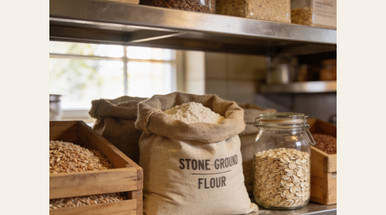
Stone-Ground Flours
Stone-ground flours retain more of the grain's nutrients and flavour compounds than roller-milled flours. Bob's Red Mill has been a pioneer in this space, and their bulk formats are ideal for restaurants looking to offer artisan breads, pancakes, or thickening agents with a heritage story.
Available on ChickenPieces.com:
- Bob's Red Mill 25 lbs Gluten-Free Brown Rice Flour — Stone-ground, gluten-free, bulk
- Bob's Red Mill 25 lbs Gluten-Free White Rice Flour — Stone-ground alternative for baking
Whole Grain Rolled Oats
Rolled oats are a textbook ancestral ingredient — a whole grain that is minimally processed by steaming and flattening, nothing removed. Canadian food service uses them for breakfast menus, baked goods, granola, and even savoury dishes like oat-crusted fish. Bulk oats offer some of the best cost-per-serving margins in any commercial kitchen.
Available on ChickenPieces.com:
- Ardent Mills Quick Cooking Rolled Oats 10kg — Food service bulk format
- Bob's Red Mill 25 lbs Gluten-Free Whole Grain Rolled Oats — Gluten-free bulk for sensitive diners
- Bob's Red Mill 25 lbs Organic Gluten-Free Whole Grain Rolled Oats — Organic bulk option
Extra Virgin Olive Oil as a Heritage Fat
While olive oil never really went away, the ancestral trend repositions it as the traditional fat of Mediterranean cuisine — cold-pressed, unrefined, consumed for thousands of years. Bulk olive oil in tins is one of the smartest investments a restaurant can make. It is versatile, shelf-stable, and carries instant menu credibility.
Available on ChickenPieces.com:
- Colavita Extra Virgin Olive Oil Tin 3 Litre — Premium EVOO in bulk tin
- Gallo Olive Oil Tin 3 Litre — Food-service standard
- Tamam Extra Virgin Olive Oil 3 Litre — Quality EVOO for cooking and finishing
How to Market Ancestral Ingredients on Your Menu
Stocking these ingredients is one thing. Making customers care is another. Here is how Canadian food service operators can leverage the trend effectively.
Use the Language of Tradition
Words like "hand-rendered," "stone-ground," "cold-pressed," and "traditionally fermented" signal authenticity. On your menu or chalkboard, name the fat: "Fried in beef tallow" sells better than "fried in shortening" because customers understand tallow as a real ingredient.
Tell the Waste-Reduction Story
"Our fries are cooked in beef tallow — a byproduct of the meat industry that would otherwise go to waste" is a compelling sustainability narrative. Canadian diners care about food waste. Ancestral ingredients give you a genuine story to tell.
Highlight the Local Connection
Beef tallow sourced from Canadian cattle, lard from Canadian pork, oats from the Prairies — this is an inherently local food story. Alberta and Saskatchewan produce some of the best raw materials for ancestral ingredients. Operators can tie their sourcing back to Canadian agriculture for added authenticity.
Practical Tips for Canadian Food Service Operators
Start With One Swap
You don't need to overhaul your entire menu. Start with one fat substitution — switch your deep fry oil to beef tallow or your pastry fat to lard — and test the customer response. The flavour difference is noticeable, and the reception will tell you whether to go deeper.
Buy Bulk for Margin Protection
Ancestral ingredients purchased in bulk through a food service supplier like ChickenPieces cost significantly less per serving than retail. A 20kg cube of beef tallow or lard will last a busy kitchen weeks and delivers a per-serving cost that beats most specialty oils.
Watch the Dietary Crossovers
Ghee works for keto, paleo, and lactose-free diners. Coconut oil covers keto and vegan. Olive oil is Mediterranean-diet-friendly. By stocking ancestral fats, you naturally accommodate multiple dietary preferences without separate prep.
Frequently Asked Questions
The following operator questions are answered with cited sources. Every FAQ links to Health Canada, CFIA, Canada.ca, or another authoritative regulator.
What are ancestral ingredients and why are they trending in Canadian foodservice?
Source: Source
Where can Canadian restaurants buy beef tallow and traditional fats in bulk?
Source: Source
How does cooking with beef tallow compare to vegetable oils for commercial kitchens?
Source: Source
What heritage grains are available for Canadian foodservice in bulk?
Source: Source
How should bone broth be sourced and stored for commercial kitchens?
Source: Source
What fermented foods are trending in Canadian foodservice and how to source them?
Source: Source
How can Canadian restaurants price menu items made with premium ancestral ingredients?
Source: Source
What Canadian food safety regulations apply to using traditional fats like tallow?
Source: Source