
2026 Aug 16th
Stop Soggy Cup Sleeves: The Cold Cup Fix for Guest-Facing
Cold cup condensation happens when warm, humid air touches cup walls below the dew point. The moisture is exterior, not from leaks, and it softens paper, destroys printed graphics, and turns sleeves into soggy liabilities. Switching to PET plastic cups eliminates the paper substrate entirely.
Stop Soggy Cup Sleeves: The Cold Cup Fix for Guest-Facing Spaces
For Airbnb hosts, property managers and facility operators who serve cold drinks and hear complaints about damp sleeves, stained tables and slippery grips.
Key Takeaways
Six practical points to guide your next cup order.
Condensation is exterior
Moisture forms on the outside when humid air meets cold walls. It is a separate problem from interior leaks and needs its own fix.
Paper absorbs everything
Wood-based cupstock swells, bubbles, and stains. Labels detach. Dyes migrate. Even perfect interior barriers cannot stop exterior damage.
Humidity drives the cycle
Air below 65 percent relative humidity prevents condensation. Above that, every cold surface becomes a collection point for released moisture.
Temperature swings worsen it
Rapid cooling forces air to drop water vapor fast. Loading, unloading, and storage create the worst swings, not stable transit.
PET cups bypass the problem
Plastic cups have no paper substrate to swell. No exterior sleeve to saturate. No printed graphics to dissolve or detach.
Storage conditions matter
Keep cup inventory in dry, stable environments. Wood-based packaging absorbs ambient moisture before cups even reach the guest.
Why Humidity Attacks Cold Cups First
Understanding dew point explains why your sleeves fail on muggy mornings.
Air holds water vapor in proportion to temperature. For every ten degrees Celsius warmer, capacity doubles. When chilled cups pull heat from surrounding air, the local temperature drops past the saturation point. Excess vapor has nowhere to go but onto the coldest surface available. That surface is your cup wall.
ASHRAE standards set 65 percent relative humidity as the ceiling for comfort and condensation control. Cross that threshold with a cup wall below 60 degrees Fahrenheit, and droplets form within seconds. The process is immediate, visible, and independent of how well your interior liquid barrier performs. Two separate moisture pathways demand two separate evaluations.
Guest-facing spaces compound the problem. Kitchens, lobbies, and checkout areas run warm from bodies and equipment. Outdoor patios pull in prairie humidity. Your cold cup sits at the intersection of these conditions, becoming a condensation magnet while your guest waits for their drink.
What Soggy Paper Costs Your Operation
Exterior moisture destroys more than comfort—it erodes your brand presentation.
Paper cupstock suffers four distinct failure modes when wet. Offset ink dissolves into streaks. The substrate swells and bubbles, creating uneven surfaces. Adhesive labels detach entirely. Dyes migrate across the cup face, muddying logos and colour schemes. Each failure is visible from arm's length.
Structural integrity degrades before graphics fail. Sidewall softening begins at the condensation line and spreads downward. Stacking performance drops—cups jam in sleeves, lean in dispensers, and collapse when grabbed. Guests notice damp hands, stained tables, and cups that feel ready to collapse.
The damage extends to storage. Wood-based packaging, including corrugated shippers and paperboard sleeves, absorbs ambient moisture. Cups arrive pre-conditioned to dampness, shortening their effective service life. High-humidity storage triggers mould and bacterial growth on surrounding materials, creating health inspection risks before a single cup reaches a guest.
How to Audit Your Current Cup Setup
Separate four moisture pathways to find where your system fails.
Interior liquid contact, ice meltwater, exterior condensation, and storage humidity each need independent assessment. Most operators stop at the first two, assuming a working interior barrier solves everything. It does not. Exterior condensation operates on entirely different physics and demands different countermeasures.
Check your storage first. Basements and back rooms often exceed 65 percent relative humidity, especially in summer. Paper-based inventory arriving in corrugated boxes absorbs this moisture before use. The Virginia Tech research on shipping containers applies directly: wood packaging holds substantial water, then releases it when temperatures shift.
Observe your service environment during peak hours. Count how many minutes pass before exterior beading appears. Note whether sleeves saturate from the outside in, confirming condensation rather than leakage. Document guest complaints mentioning slippery grips, wet tables, or cup collapse. These point to exterior moisture, not interior failure.
PET Plastic Cups Eliminate the Paper Problem
Switching materials removes the substrate that absorbs and displays moisture.
PET plastic contains no cellulose fibres to swell, no offset inks to dissolve, and no adhesive labels to detach. Condensation still forms on the exterior surface, but it beads and runs rather than soaking in. A quick wipe or a brief rest on a coaster solves what paper makes permanent.
Clear construction lets beverage colour and garnish become the visual focus. Branding shifts to lids, straws, or printed inserts—elements never touched by condensation. Guests see their drink, not a deteriorating paper sleeve. The cup maintains structural rigidity from first fill to final sip.
Storage resilience improves too. PET does not absorb ambient humidity. Corrugated shippers still need dry storage, but the cups inside arrive as manufactured, not pre-softened by warehouse conditions. Stackability, dispenser compatibility, and handling confidence stay consistent across your entire inventory.
Sizing Your Cold Cup Order to Your Space
Match capacity to guest behaviour and serving context.
Large-format cold cups suit poolside service, breakfast buffets, and grab-and-go stations where guests linger. The 24-ounce range accommodates ice-heavy builds without overflow. Smaller formats work for welcome amenities, tasting flights, and in-room minibars where portion control and presentation outweigh volume.
Lid compatibility determines operational efficiency. Flat lids suit straws and sipping. Dome lids accommodate whipped toppings and garnish height. Matching lid and cup by manufacturer prevents leaks at the seal and reduces your SKU count. Mixed-brand pairing creates fit failures that read as product defects to guests.
Tiny tumblers fill a specific niche: dessert presentations, condiment portions, and amenity tastings at check-in. Their small volume means rapid consumption, limiting condensation exposure time. Clear walls showcase layered contents for social sharing, turning a functional vessel into a marketing asset.
What Calgary-Based Supply Means for Your Replenishment
Local inventory reduces the storage risks that degrade paper stock.
Western Canadian climate swings test packaging durability. Prairie humidity spikes in summer, then drops to desert dryness in winter. Paper-based products shipped long distances experience these extremes in transit, arriving stressed before first use. Regional sourcing shortens exposure windows.
Cold basement storage, recommended for paper longevity, is scarce in many commercial kitchens. PET cups tolerate the warm, variable conditions typical of back-of-house spaces. You gain flexibility in where and how you store inventory, reducing the operational overhead of climate-controlled stockrooms.
Consolidated ordering with a single regional supplier simplifies compliance documentation. Health Canada and CFIA requirements for food-contact materials apply uniformly, but traceability and lot tracking become manageable when your cold cups, lids, and sleeves share one origin and one documentation path.
Cold Cup Options Compared
See how PET plastic and paper-based solutions handle the four moisture pathways.
| Cup type | Exterior condensation | Storage resilience | Guest-visible failure |
|---|---|---|---|
| Paper cup + sleeve | Absorbs immediately; sleeve sogs | High humidity damage | Stains, swelling, ink runs |
| Double-wall paper | Delayed but eventual absorption | High humidity damage | Seam separation, lid fit loss |
| Wax-coated paper | Beads briefly, then breaches coating | Moderate humidity damage | Wax transfer to hands |
| Standard PET plastic | Beads on surface, no absorption | Humidity-neutral | None; wipe or ignore |
| Heavy-weight PET | Beads on surface, no absorption | Humidity-neutral | None; enhanced rigidity |
| PET with flat lid | Beads on surface, no absorption | Humidity-neutral | None; sip-friendly seal |
| PET with dome lid | Beads on surface, no absorption | Humidity-neutral | None; garnish clearance |
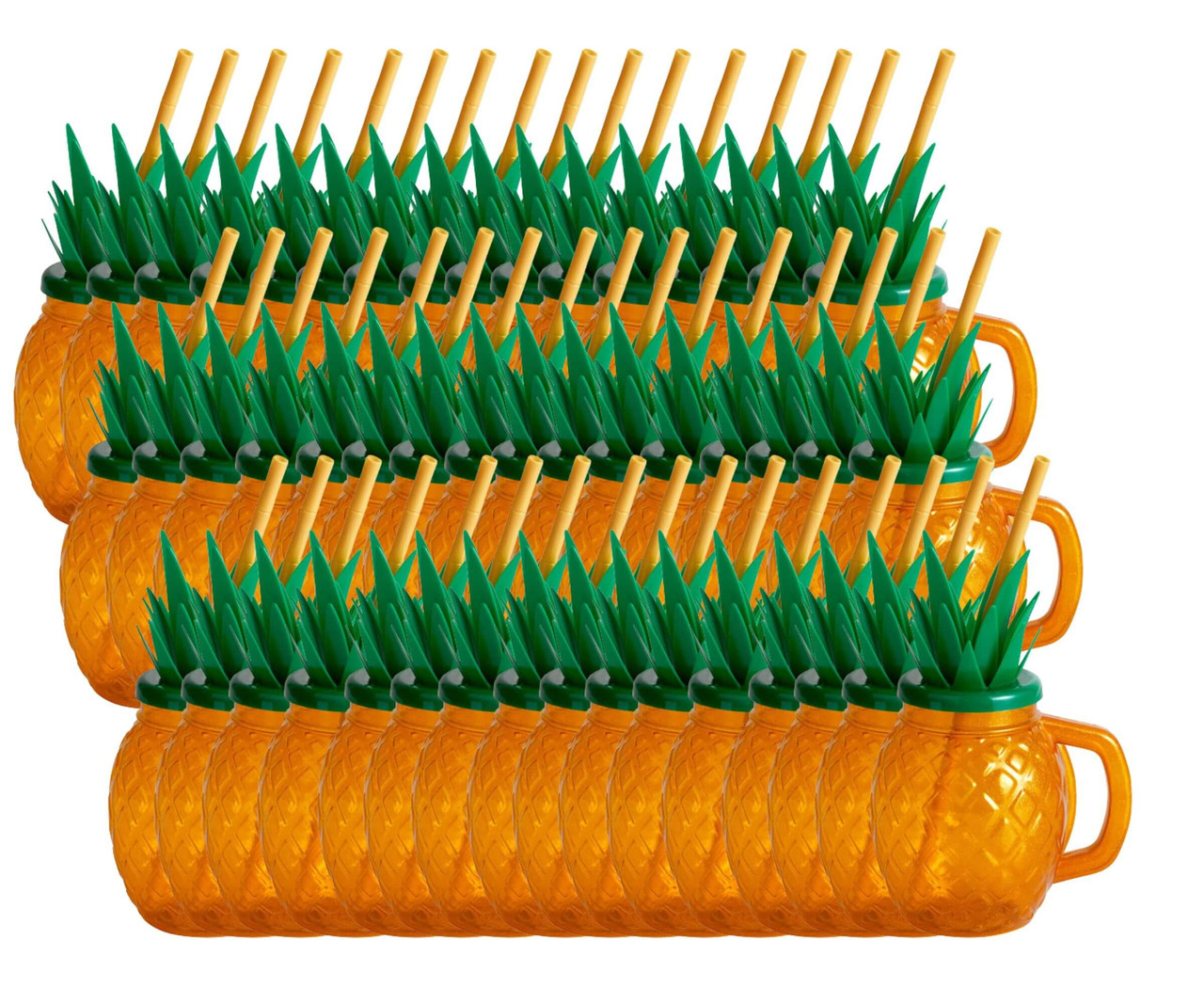
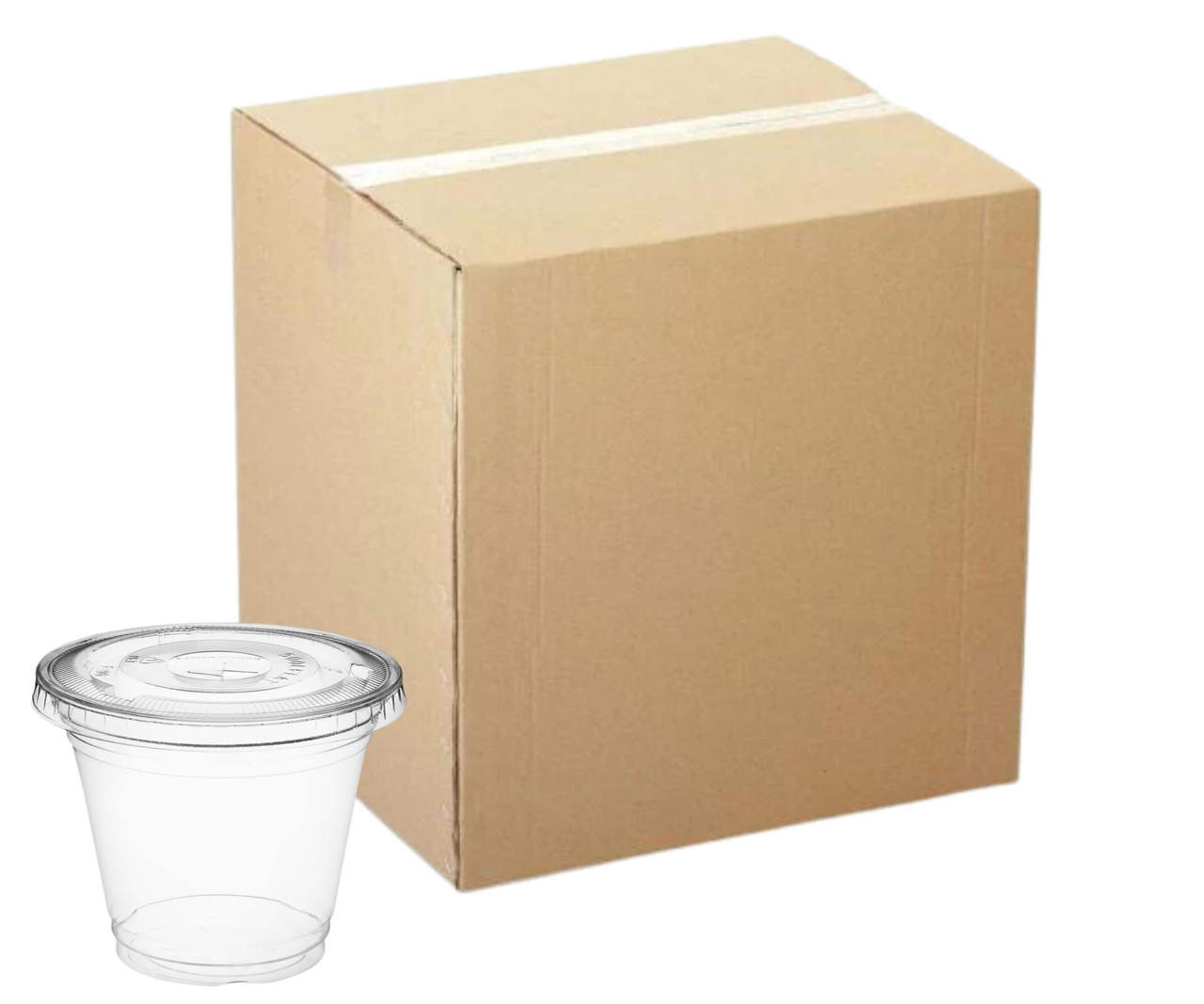
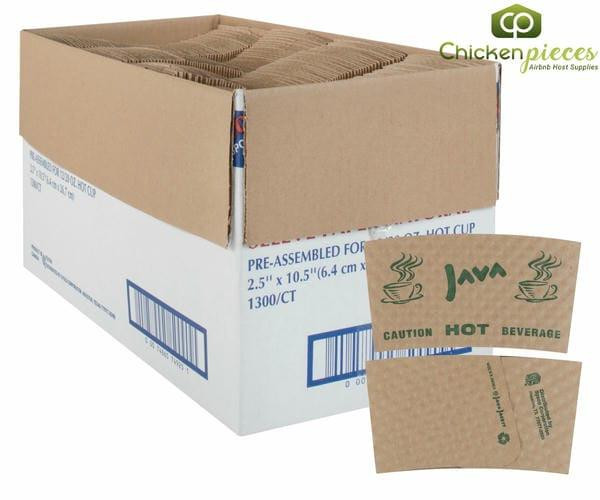
Cold Cups and Lids for Guest-Facing Spaces
PET plastic cups, compatible lids, and sizing options sized for Airbnb, property management, and facility operations.

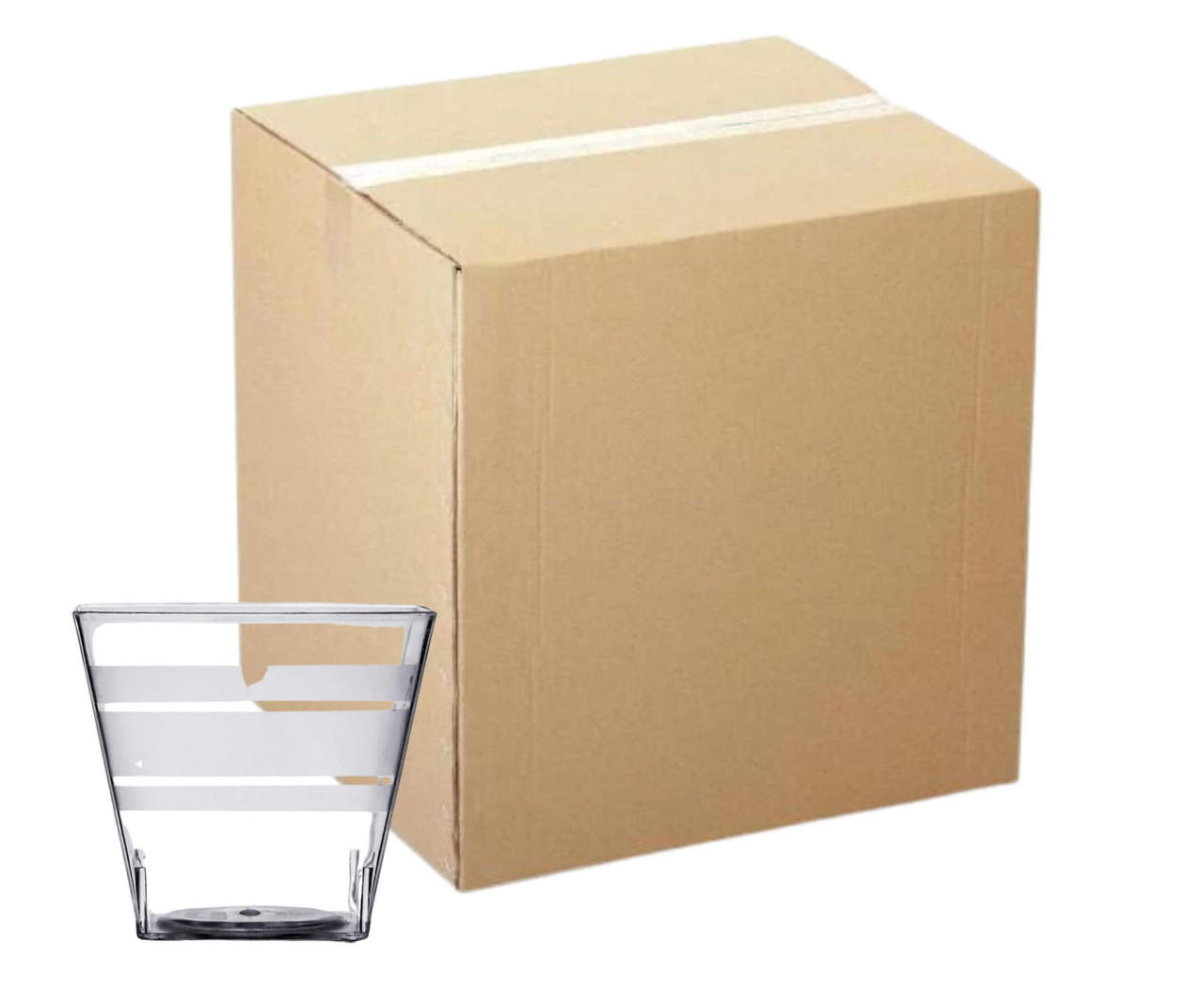
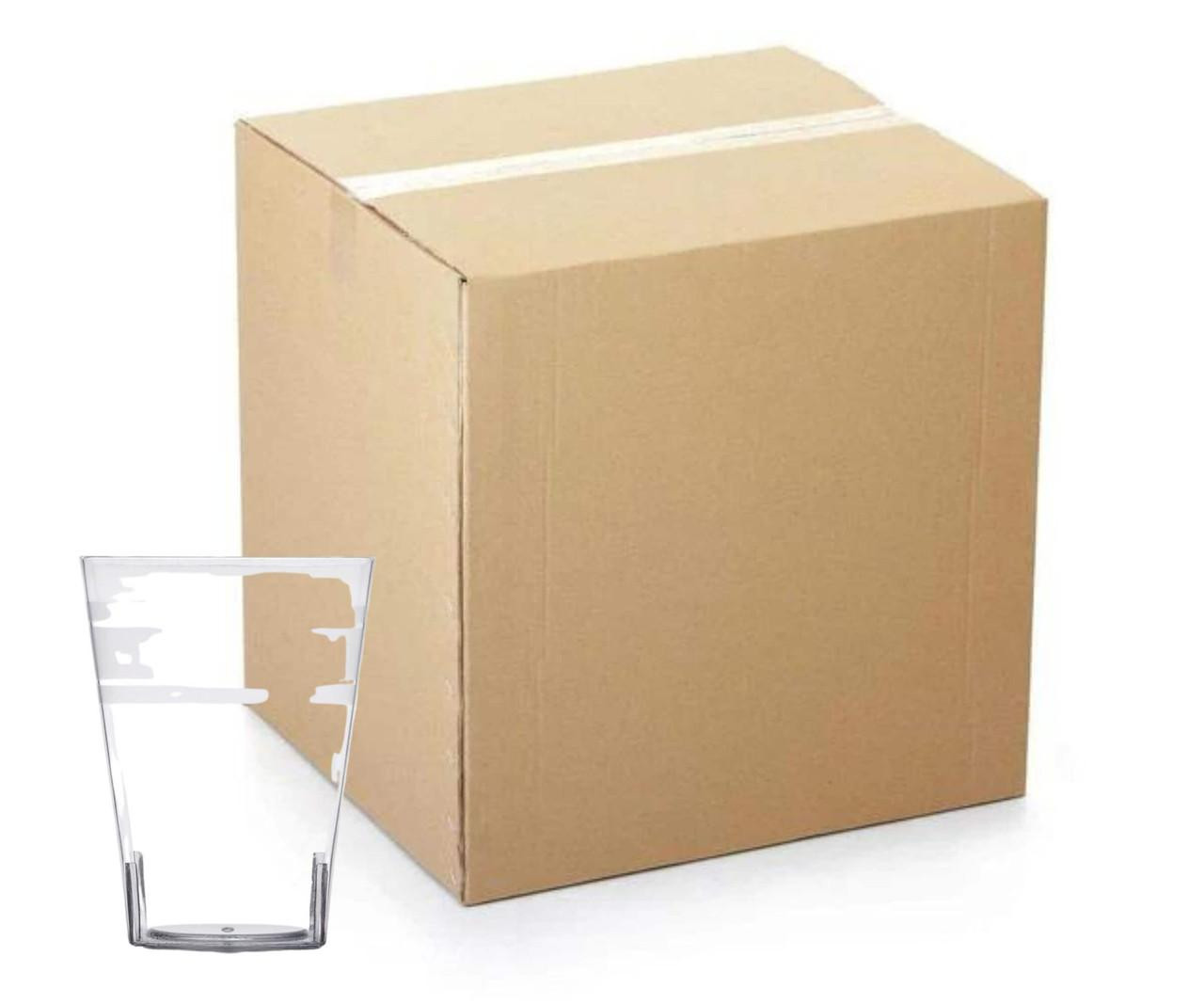
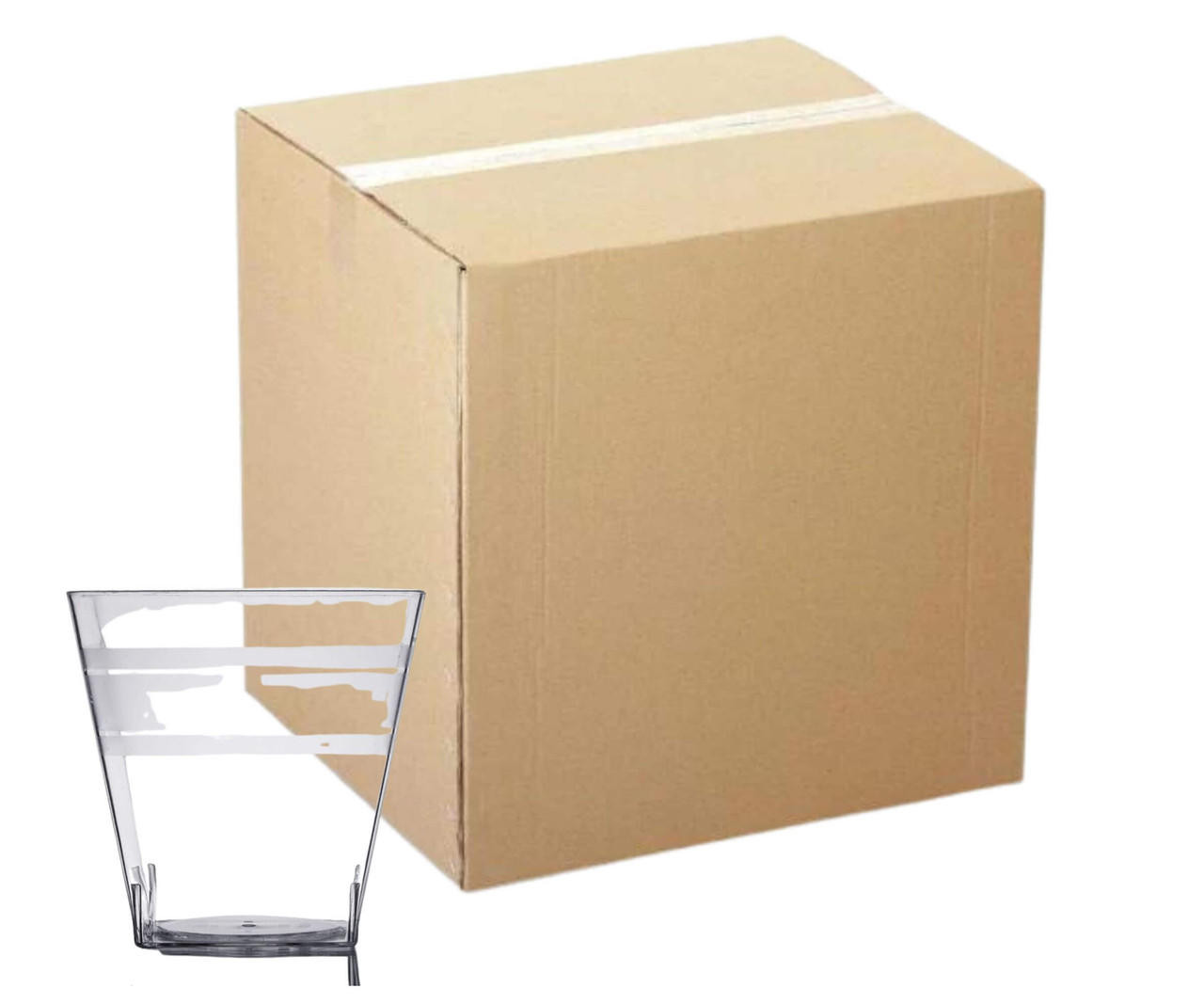


What Canadian Guest-space operators say
What operators across Canada say after switching materials.
We stopped using paper sleeves entirely. Guests at our Banff property were leaving cups half-full because the sides turned mushy. PET cups fixed that complaint completely.
The clear cups let our breakfast parfaits look like something from a café. No more stained fingers, no more replacing soggy sleeves mid-service.
I run a corporate facility with three kitchenettes. Humidity in summer ruined two cases of paper cups before we opened them. Switched to plastic and the waste stopped.
Cold cup condensation: Frequently Asked Questions
The following operator questions are answered with cited sources. Every FAQ links to Health Canada, CFIA, Canada.ca, or another authoritative regulator.
Why do customers ask for sleeves on cold drinks?
Products referenced:
- Cold Cup Sleeves, Case Pack
- Cup Sleeves, Bulk
Source: Why do so many customers ask for sleeves on cold drinks? - r/starbucks
Do paper sleeves on cold cups just turn to mush?
Products referenced:
- Cold Cup Sleeves, Case Pack
- Corrugated Cup Sleeves, Bulk
Source: People who ask for a sleeve on cold drinks - r/PetPeeves
What actually causes condensation on cold cups?
Products referenced:
- Cold Cup Sleeves, Case Pack
- Drink Carriers, Case Pack
- Paper Napkins, Case Pack
Source: Why Cold Drink Cups Get Wet - The Science of Condensation
How do I stop cold cups from sweating altogether?
Products referenced:
- Double-Wall Cold Cups, Case Pack
- Cold Cup Sleeves, Case Pack
- Dome Lids, Case Pack
Source: How to Keep Your Cold Cup From Sweating - Stop the Drip For Good
Can we just use hot cup sleeves on iced drinks?
Products referenced:
- Cold Cup Sleeves, Case Pack
- Hot Cup Sleeves, Case Pack
Source: LPT: When getting a cold drink, use the sleeve for hot drinks - r/LifeProTips
Why do paper cups get soggy with cold drinks but not hot ones?
Products referenced:
- Insulated Paper Cold Cups, Case Pack
- Cold Cup Sleeves, Case Pack
Source: ELI5: What causes cold drinks to make paper cups soggy, but hot drinks do not? - r/explainlikeimfive
Do sleeves on iced drinks stop puddles on tables and counters?
Products referenced:
- Cold Cup Sleeves, Case Pack
- Paper Napkins, Case Pack
Source: LPT: Putting a coffee sleeve on your iced cafe drinks will absorb the condensation - r/LifeProTips
Are sleeves and napkins on cold drinks just creating waste?
Products referenced:
- Cold Cup Sleeves, Case Pack
- Paper Napkins, Case Pack
Source: Starbucks LPT - quick tip to cut down on condensation waste - r/LifeProTips
Where can I buy cold cup sleeves in bulk in Canada?
Products referenced:
- Cold Cup Sleeves, Case Pack
- Insulated Paper Cold Cups, Case Pack
Source: Iced Coffee Cup Sleeves: A Must-Have for Sweaty Cups - Sip Sleeves
Related guides from ChickenPieces
Why Guest-Space Operators Buy Here
Calgary-based inventory, compliance-ready documentation, and packaging built for western Canadian conditions.
Regional stockholding
Shorter transit distances reduce temperature swings and humidity exposure that degrade paper products before arrival.
Matched lid systems
Cup and lid pairings verified for seal integrity, reducing your SKU complexity and guest-facing failures.
Case-quantity ordering
Full-case shipments minimize handling points and split-lot tracking, simplifying inventory management for multi-site operations.
Health Canada aligned
All food-contact materials meet Health Canada and CFIA compliance standards with traceable lot documentation for inspection readiness.
Sources & further reading
- Cold Beverage Cupstock Barrier Decisions: How to Evaluate Condensation, Ice, and Moisture Exposure — Paper Index
- ASHRAE Humidity Standards and Condensation Control Guidelines — ASHRAE (American Society of Heating, Refrigerating and Air-Conditioning Engineers)
- Food Storage Conditions: Humidity and Temperature Control — Utah State University Extension Services
- How to Prevent Moisture in Sea Containers: Condensation Control During Shipping — Virginia Tech Center for Packaging and Unit Load Design
Request Your Cold Cup Quote
Tell us your guest volume, cup size needs, and lid preferences. We will reply with matched options and case quantities for your next replenishment cycle.
Request a QuoteReferences: Health Canada - Food Chemical Contaminants CFIA - Food Safety for Industry.