
 US Dollar (USD)


2026 Aug 15th
Wholesale Candy Supply for Concessions and Vending Machines
Wholesale candy for resale means buying confectionery in bulk cases—typically 20 to 30 pounds—and portioning it into single-serve units for concessions, vending machines, or guest amenity stations. The right supplier provides stable shelf life, clean labeling, and formats that fit standard equipment without repackaging waste.
Wholesale Candy Supply for Concessions and Vending Machines
Airbnb hosts, property managers, and facility operators stocking guest-facing snack stations need reliable bulk candy with consistent portioning and minimal spoilage risk.
Key Takeaways
Six practical points for buying and handling bulk confectionery in commercial settings.
Microwave melting works in bursts
Candy coating melts clean in 15 to 30 second increments, not continuous heat. Stop and stir between intervals to prevent scorching, especially when preparing coated items for your own branded lines.
Silicone molds need a rigid base
Flexible silicone molds must sit on a sheet pan before filling. Otherwise they warp, spill, and waste product. Chill 15 to 20 minutes for clean release.
Freezer curing is brief
Chocolate-based items set in roughly 10 minutes in a freezer. Over-curing causes condensation and bloom when they return to room temperature.
Filled chocolates need tipless bags
Pour melted coating into a tipless bag to control shell thickness and fill ratio. This matters for operators running small-batch custom lines alongside bulk resale.
Serving size molds reduce waste
Multi-section molds—sharing sizes with three cavities—let guests break portions themselves. Less handling, less spoilage, happier inventory counts.
Every recipe needs adjustment
Your ambient humidity, equipment wattage, and chocolate brand all change results. Test batches exist for a reason. Document what works at your facility.
What bulk candy means for operators
Bulk confectionery cuts per-unit cost but demands proper handling protocols from receiving to display.
Bulk candy arrives in cases ranging from 20 to 30 pounds, depending on the format. Wheels and twists pack dense; chocolate bars need cooler receiving conditions. Facility operators in Florida and Texas face melt risk from May through September, so plan receiving windows accordingly. The FDA Food Code Section 3-202.11 requires intact packaging at receipt—no torn cases, no evidence of temperature abuse.
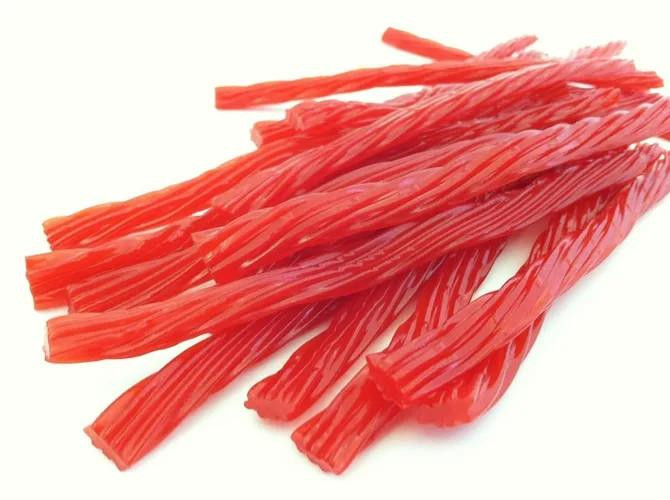
Portion control drives profit in concessions and vending. A 20-pound case of licorice twists yields roughly 320 to 400 pieces if you break it into half-ounce servings. Pre-portioned items eliminate scale time and customer hesitation. Vending operators especially benefit: machines jam less with uniform shapes. Twists and wheels feed reliably; irregular chunks trigger service calls.
Labeling responsibility falls on the operator doing the final packaging. If you repack bulk into grab bags or amenity trays, you need ingredient lists, allergen declarations, and your facility identifier. Canadian operators follow similar rules under SFCR. Keep supplier spec sheets on file for inspections in either jurisdiction.
Matching candy types to equipment
Not all confectionery fits all dispensing methods—match format to your hardware and traffic pattern.
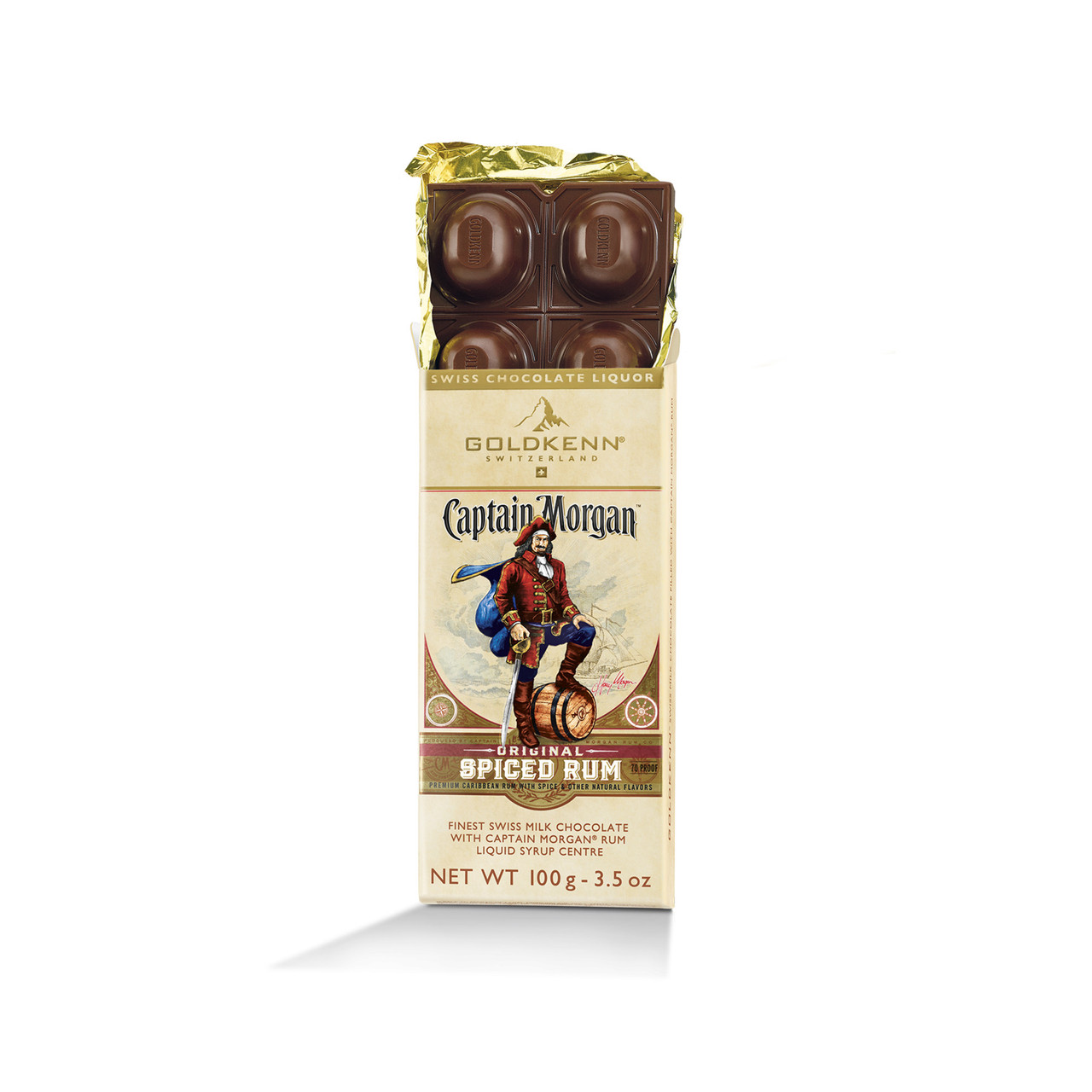
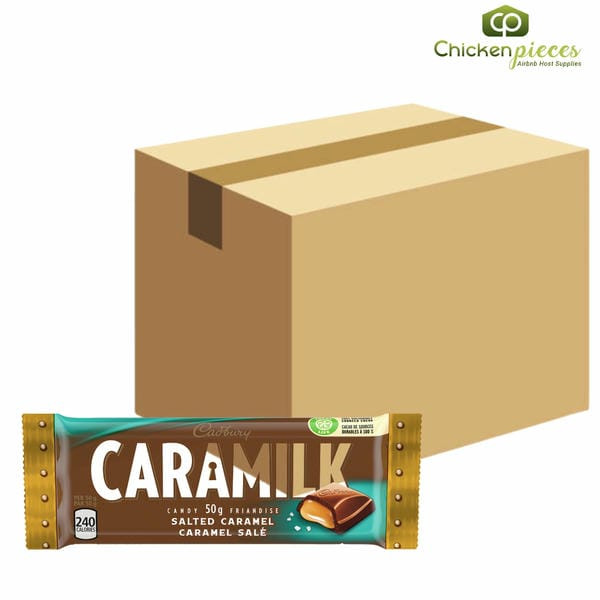
Vending machines need rigid, uniform dimensions. Chocolate bars like the Captain Morgan Goldkenn and Caramilk Salted Caramel fit standard spirals and elevator delivery systems. Soft or sticky items gum up augers and helices. Check your machine manufacturer's spec for maximum unit dimensions before ordering cases. A 1.2 kilogram bar sounds impressive but may not vend.
Gravity bins and scoop bins suit licorice wheels, twists, and bulk chocolate-covered items. These formats invite self-service but need humidity control. Canadian operators in coastal British Columbia and US operators in Pacific Northwest states see faster staling. Rotate stock weekly and wipe bin interiors with food-safe sanitizer. The FDA Food Code 4-601.11 requires clean, dry surfaces for ready-to-eat food contact.
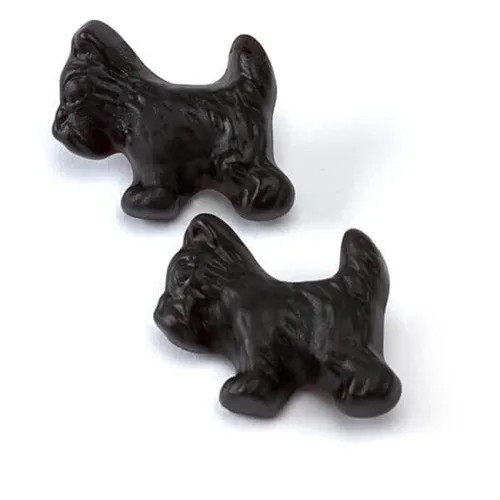
Chocolate-covered products demand the most infrastructure. Dark chocolate covered Australian licorice holds at 65 to 70 degrees Fahrenheit with relative humidity below 50 percent. Higher temps cause fat bloom—that white chalky film that looks like mold but is recrystallized cocoa butter. Customers reject it anyway. If you lack climate control, lead with non-chocolate SKUs until you invest in proper storage.
Small-batch customization for operators
Some facilities add value by molding their own pieces from bulk coating.
Operators running gift shops or premium amenity programs sometimes mold their own chocolates. The process is straightforward: melt coating in short increments, fill silicone molds, chill, release. But the details matter. Thirty seconds in a microwave, then stir. Repeat until fluid. Continuous heating scorches the cocoa solids and ruins the batch. Document your microwave wattage; a 1100-watt unit behaves differently than 900 watts.
Silicone molds flex for easy release, but that same flexibility makes them unstable when filled. Always place molds on a rigid sheet pan before pouring. A tipped mold wastes product and creates a cleanup job that costs more than the chocolate. For filled pieces, coat the mold cavity first, chill 10 minutes, then add centers and cap with more coating. Two-stage chilling prevents soggy shells.
Freezer time varies by piece size and coating thickness. Small items set in 10 minutes; larger sharing molds with three sections need 15 to 20. Do not rush with deeper cold—freezer burn on chocolate is real, and condensation when exiting causes sugar bloom. Let pieces come to ambient temperature in a low-humidity space before packaging.
Rotation and shelf-life management
Confectionery lasts but does not last forever—first in, first out protects margin.
Licorice products in sealed cases typically carry 12 to 18 months of stable shelf life. Chocolate shortens to 9 to 12 months depending on cocoa content and whether it contains dairy. The Caramilk Salted Caramel, with its soft center, trends shorter. Track lot codes and rotate rigorously. Operators who skip FIFO find themselves discarding faded product or discounting it to move volume.
Environmental monitoring matters more than calendar dates. A licorice wheel stored at 80 degrees and 70 percent humidity turns tacky in weeks. The same wheel at 65 degrees and 45 percent humidity stays firm for months. Invest in a basic hygrometer for your storage room. The FDA Food Code 3-501.16 requires time-temperature control for potentially hazardous foods; while confectionery is not TCS, the principle of monitored storage applies to quality management.
Spoilage patterns differ by product type. Licorice dries and hardens when exposed to air. Chocolate blooms with temperature fluctuation. Gummy items—if you add them later—weep sugar when humidity spikes. Separate storage zones by sensitivity, not just by flavor. Cross-contamination risks also matter: pungent licorice can taint milder products if stored open nearby.
FDA Food Code and Canadian SFCR basics
Bulk-to-retail repackaging triggers labeling and handling rules in both countries.
The FDA Food Code requires that food packaged for consumer sale display common allergens—milk, eggs, fish, shellfish, tree nuts, peanuts, wheat, soybeans, and sesame. Chocolate products routinely contain milk and soy; licorice often uses wheat flour. If you repackage bulk into smaller units, you become the responsible party for accurate allergen declaration. Copying the supplier's ingredient list is not optional; it is required.
Canadian operators face parallel requirements under the Safe Food for Canadians Regulations. SFCR mandates preventive control plans for most businesses handling food for resale. Even small operators need documented procedures for receiving, storage, and traceability. The good news: the same supplier documentation that satisfies FDA requirements typically covers SFCR needs. Maintain bilingual labels if selling in Quebec.
Food-contact surfaces extend beyond prep tables. Scoops, bins, and display trays that touch ready-to-eat confectionery must meet FDA 21 CFR 177 standards for indirect food additives. Silicone molds qualify if labeled food-grade; avoid industrial-grade silicones not tested for migration. This distinction matters for operators molding their own pieces. Ask suppliers for compliance letters if your inspector challenges equipment materials.
What steady wholesale supply looks like
Reliable confectionery supply means predictable lead times, not speed claims.
A wholesale relationship should deliver consistent product, not surprises. Case weights should match within a pound, lot to lot. Color should not drift between orders—guests notice when cherry licorice turns from bright to muddy. Ask for certificate of analysis on first orders, then spot-check annually. Reputable suppliers keep them ready.
Packaging integrity protects your investment during transit. Bulk licorice in thin polyethylene can puncture and expose product to warehouse dust and pests. Look for multi-wall bags or corrugated overwrap. Chocolate needs insulated shipping in warm months; verify your supplier's seasonal protocol. If they ship chocolate bare in July, that is a flag.
Communication channels matter when problems arise. A supplier with a dedicated account contact—not just a web form—helps you adjust orders when occupancy spikes or property renovations delay stocking. At ChickenPieces.com, we answer by phone and email during business hours. No chatbots, no ticket queues. Your operation runs on human decisions; your supplier should too.
Bulk candy formats compared
Match product characteristics to your storage conditions and dispensing method.
| Format | Best for | Storage needs | Shelf life |
|---|---|---|---|
| Licorice twists | Vending, self-serve bins | Cool, dry, sealed | 12-18 months |
| Licorice wheels | Gravity bins, scoop service | Cool, dry, sealed | 12-18 months |
| Chocolate bars | Spiral vending, gift retail | Climate controlled, 65-70°F | 9-12 months |
| Filled chocolate | Premium amenity programs | Refrigerated staging, dry hold | 6-9 months |
| Candy coating (bulk) | Molding, enrobing | Temperate, low humidity | 12 months unopened |
| Coated licorice | Specialty bins, mixed displays | Climate controlled | 9-12 months |
| Molded pieces | Branded guest gifts | Cool, dry, protected from shock | 3-6 months |
Browse bulk confectionery
Nine SKUs in case quantities for concession, vending, and guest amenity programs.





What Canadian facility operators say
Operators share how bulk candy fits their revenue model.
Switched from small retail bags to 20-pound licorice twists for our beach rental vending. Cut restock trips by half and the machine jams basically stopped.
The silicone mold tip about sheet pans saved us. We were pouring directly on the counter and losing chocolate to spills every batch. Simple fix, big difference.
We run a small theater concession and the wheels in gravity bins move faster than our old wrapped candy. Guests like the tactile experience.
Bulk candy handling: Frequently Asked Questions
How do I melt candy coating without burning it?
Use short microwave bursts of 15 to 30 seconds, stirring between each interval. Continuous heat scorches cocoa solids and causes seizing. Test your microwave wattage and adjust timing accordingly.
Why do silicone molds need a sheet pan underneath?
Silicone molds are flexible for easy release, but that same quality makes them unstable when filled. A rigid sheet pan prevents warping, spills, and wasted product during filling and transport to the chiller.
How long should chocolate stay in the freezer?
Small items set in about 10 minutes. Larger molds with multiple sections need 15 to 20 minutes. Over-curing causes condensation and bloom when removed. Let pieces warm gradually in a dry space.
What is the best way to make filled chocolates?
Melt coating in short bursts, pour into a tipless bag, and pipe a thin shell first. Chill 10 minutes, add your center, then cap with more coating. Two-stage chilling prevents soggy or uneven shells.
Which licorice format works best in vending machines?
Twists and wheels feed most reliably due to uniform shape. Avoid soft, sticky, or irregular items that cling to augers and helices. Check your machine spec for maximum dimensions before ordering.
How do I prevent fat bloom on chocolate in storage?
Maintain 65 to 70 degrees Fahrenheit with relative humidity below 50 percent. Avoid temperature swings. Bloom is recrystallized cocoa butter, not mold, but customers reject the appearance either way.
What labeling do I need if I repackage bulk into smaller bags?
You need ingredient lists, allergen declarations for the top nine FDA allergens, and your facility identifier. Canadian operators need similar documentation under SFCR. Keep supplier spec sheets for traceability.
How do I portion bulk licorice for grab-and-go sales?
Use a kitchen scale to determine your target serving, then find a scoop or measure that delivers it consistently. Pre-portioning eliminates scale time at point of sale and speeds customer throughput.
Can I use any silicone mold for chocolate, or does it need to be food-grade?
Only use molds labeled as food-grade silicone meeting FDA 21 CFR 177 standards for indirect food additives. Industrial-grade silicones may leach compounds not tested for food contact safety.
How do you calculate shipping on bulk orders?
We calculate shipping on live carrier rates at checkout, not on flat or subsidized tiers. Every order is priced against real LTL, parcel, or pallet-freight quotes from our Calgary warehouse to your dock. That means you never absorb hidden shipping costs into product margins — what we charge is what the carrier charges us, plus a small handling pass-through. For bulk and pallet orders this typically runs 15–25% lower than competitors who bake shipping into their unit prices, because the rate is transparent and tied to the actual shipment weight and distance.
Related guides from ChickenPieces
Why operators choose ChickenPieces.com
Straightforward bulk supply with documentation you can show an inspector.
Case consistency
Same weight, same color, same lot-to-lot behavior. Predictable inventory means predictable margins.
No speed promises
Live carrier rates at checkout show real transit times. You choose the service level that fits your restock schedule.
Spec sheets on request
Certificate of analysis, allergen declarations, and ingredient lists available for every SKU. First orders and annual spot-checks both covered.
FDA food-contact compliance
All packaging materials and handling equipment in our supply chain meet FDA standards for indirect food additives. Documentation available upon request.
Sources & further reading
Request a quote for your operation
Tell us your facility type, dispensing method, and monthly volume. We will recommend SKUs and formats that fit your hardware and climate. No minimums to discuss.
Request a Quote