What Is Mise en Place? A Guide for Kitchen Operators

2026 Oct 4th

What Is Mise en Place? A Guide for Kitchen Operators

Canadian-Owned No MOQ Ships Canada-Wide Calgary Warehouse Food Safe Focus
Quick Answer

Mise en place is the kitchen habit of preparing and organizing every ingredient, tool, and garnish before cooking or service begins. It includes washing, cutting, measuring, portioning, labelling, and staging items in order of use. The result is a calmer station, fewer missed components, and more consistent service during a rush.

Commercial Kitchen Method
AK

Amani Khehra

Chicken Pieces · Calgary, AB

What Is Mise en Place?

Foodservice definition, the station steps, FIFO labelling, and the pantry staples a ready station preps ahead.

At a Glance

Key Takeaways

What a station needs in place before the first ticket.

Everything ready before service

Ingredients, tools, containers, and garnishes for the station are prepared before the first ticket.

Prep follows the station list

Read the menu or prep list first, then gather and prepare each component to the expected recipe yield.

Stage in order of use

Cold items stay chilled. Hot-hold items follow the kitchen’s food-safety plan. Last-touch garnishes stay easy to reach.

Labels support FIFO

Date and label prepared items and backups so the oldest suitable product is used first and a reset is visible.

Every foodservice line uses a version

Not only fine dining. Restaurants, caterers, hotels, cafés, bars, and short-term-rental hosts all benefit from organized stations.

Hotel pans keep the station organized

Hotel pans and lids stage prepared food. Labels, gloves, and sanitizer stay on the procedure, not on a product card.

Introduction

Why mise en place matters to a busy kitchen

Mise en place is French for “put in place.” It is commonly pronounced roughly mee-zahn plahs. In foodservice it is the work done before cooking or service: ingredients prepared, portions measured, tools gathered, and the station arranged in the order tasks will happen.

A cook should not have to search for a knife, open a new container, or measure a sauce in the middle of a rush. When the station is ready, the team can focus on execution, timing, communication, and the guest.
Field tip: Start with the menu, station list, and expected covers. Prep for the service you actually forecast, not an unplanned pile of product that creates waste.
Prep Station

How mise en place works step by step

  1. Read the menu and station list. Identify every component the station will fire, including sauces, garnishes, sides, and finishing items.
  2. Gather the tools and containers. Boards, knives, portion cups, squeeze bottles, hotel pans, lids, and labels, plus any station-specific equipment.
  3. Prepare ingredients to the recipe yield. Wash, cut, measure, portion, and organize to the written recipe or prep standard.
  4. Stage items in order of use. Keep chilled items chilled, put frequent items within reach, and leave last-touch garnishes at the correct service point.
  5. Label and date prepared items. Mark containers and backup pans, then rotate suitable stock with the operation’s FIFO procedure.
  6. Restock before the rush. Check quantities, replace empty containers, and confirm backups before tickets build.
  7. Reset between rushes. Wipe the station, return tools, consolidate or discard product according to the food-safety plan, and set the next service period.

Mise en place is more than putting everything on a counter. It is a repeatable system: plan, prep, label, stage, execute, and reset.

Field tip: Use the same location for the same component every day. Predictable placement makes training easier and helps a cook spot a missing item before service starts.
On the Line

What mise en place looks like in foodservice

A ready station may include:

  • Labeled containers arranged on a cold rail or prep table
  • Pre-portioned sauces in squeeze bottles
  • Small inserts or portion cups for garnishes
  • A clean cutting board and a wiped station before the first ticket
  • Backup pans labelled and dated in the walk-in
  • Tools gathered before the line opens
  • A written prep or par list that shows what must be replenished

Catering and guest-facing hospitality stations use the same idea. Stage beverage garnishes, condiments, serviceware, and backups before doors open. A short-term-rental host can group breakfast or snack items by task so replenishment is obvious.

Why kitchens use it
  • Faster ticket execution because fewer tasks interrupt cooking
  • Fewer missing components and avoidable mistakes
  • More consistent portions and presentation across cooks
  • Clearer allergen communication when containers are identified correctly
  • Less waste from panic-prepping during service
  • Easier handoffs between shifts and stations

Mise en place does not replace training, a written food-safety plan, or judgement. It gives the team an organized starting point.

Clarity

What mise en place is not

  • Not winging it. Chopping or measuring every component during a ticket is reactive prep, not a ready station.
  • Not deep-cleaning the whole kitchen. A clean station matters. Mise en place is preparation and organization for the work ahead.
  • Not only for fine dining. Any operation that prepares food or guest service can scale the method to its volume and menu.
  • Not unlimited pre-prep. Prepare to a documented par and forecast. Over-prepping creates waste and storage problems.
  • Not a substitute for labelling. A neat container with no identity, date, or required handling note is still a control gap.
  • Not a guarantee of food safety. Time, temperature, allergen, sanitation, and storage controls still follow the operation’s plan and local requirements.
Canada & FIFO

Labelling, rotation, and local food-premise rules

For Canadian operators, mise en place should fit the written food-safety practices of the business and the applicable provincial or territorial health authority. FIFO labels make rotation visible. A label alone does not set a product’s safe storage life.

  • Label and date prepared foods and backup containers clearly.
  • Rotate suitable stock so the oldest product is used first.
  • Keep refrigerated and hot-held items inside the operation’s approved time-and-temperature controls.
  • Identify allergens and recipe changes through the kitchen’s established process.
  • Clean and sanitize food-contact surfaces according to the written plan and the product directions.
  • Follow the local food-premise authority for cooling, holding, storage, and discard decisions.

Use Health Canada and provincial food-safety guidance with the operator’s own plan. When a product, process, or storage period is uncertain, ask the local health authority or a qualified food-safety lead.

Field tip: A simple label — item, prep date, use-by or discard instruction where the plan requires it, and initials — tells the next shift what is ready.
Supplies

Equipment for reliable mise en place

The method works when the station has practical containers within reach. Hotel pans and lids hold prepared ingredients and backups.

  • Hotel pans and lids: hold prepared ingredients and backups in a format the station can stage and cover.
  • Portion cups and squeeze bottles: separate garnishes, sauces, and dressings.

FIFO labels, nitrile gloves, and food-contact sanitizer support the station procedure when the site selects and uses them that way. They are not shop cards on this post.

Browse ChickenPieces.com for foodservice and hospitality supplies. Chicken Pieces is a Calgary foodservice and hospitality supply company founded in 2018—not a poultry or meat distributor.

Shop the Range

Pantry staples to prep and stage

Live ChickenPieces.com seasonings, oil, and tomatoes a station preps before service.

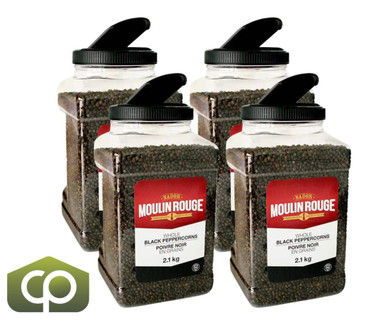
Moulin Rouge Whole Black Peppercorns, 2.1 kg (4/Case) - Culinary Excellence

Whole black peppercorns to grind for the station.

Gordon Choice GFS Pure Canola Oil, Zero Trans Fat | 3L/Unit, 4 Units/Case

Canola oil staged in squeeze bottles for the pass.

Browse Grocery →

People Also Ask

People Also Ask

Questions operators search before they set a station.

Does mise en place include cleaning?

Yes. Setting up includes a clean, sanitized station, and good mise en place means cleaning as you go: wiping boards, swapping dirty containers and keeping the area clear during service. Breaking down and cleaning the station at the end of the shift is part of it too.

What does 87 mean in a kitchen?

In kitchen slang, "86" means an item is sold out or off the menu. "87" is less common and varies by kitchen; it's often used jokingly to mean an item is back on, or as a heads-up that something is running low. Confirm the house meaning with your chef.

What does mise en place mean in a hotel or F&B setting?

In hotels and food and beverage service, it covers front-of-house preparation too: setting tables, polishing glassware and cutlery, stocking side stations, folding napkins and preparing condiments before guests arrive. The idea is the same as in the kitchen: everything ready before service starts.

What does mise en place mean literally?

Mise en place is French for "putting in place" or "everything in its place." In kitchens it means having every ingredient prepped, measured and staged, and every tool ready, before cooking or service starts. Cooks often shorten it to "mise," as in "is your mise ready?"

FAQ

Frequently asked questions

How do you pronounce mise en place?

It's pronounced "meez on plass," with the "en" as a soft nasal "on." In English-speaking kitchens it's common to just say "meez." The phrase is a noun, so you'd say you're "doing your mise" or "setting up mise en place."

What are the 5 steps in mise en place?

A common breakdown is: read the menu or recipe; gather ingredients and tools; prep them by washing, cutting and measuring; organize them in containers in order of use; and clean as you go. Labelling and dating prepped items is part of the same routine in commercial kitchens.

Why is mise en place important in the kitchen?

It keeps service fast and consistent. With everything prepped and placed, cooks don't stop mid-ticket to chop or search, so plates go out on time and to spec. It also cuts waste and mistakes, makes allergen control easier and keeps the station cleaner under pressure.

What is a mise en place station?

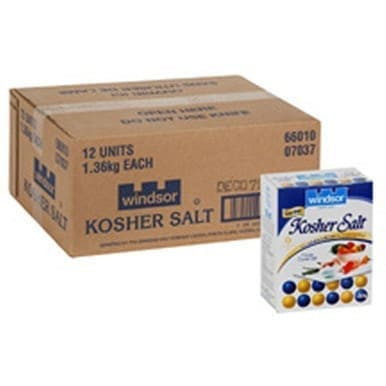
It's a cook's set-up for service: an organized line of prepped ingredients in hotel pans or ninth pans in a cold rail or on the counter, with tools, towels, sanitizer and seasonings like kosher salt in reach. Items are arranged in the order the dishes are built.

How long does mise en place last?

Prepped ingredients follow normal food safety limits. Most cut vegetables and herbs keep one to three days refrigerated, while cooked components and sauces last up to about seven days if properly chilled. Label every container with the item and prep date, and use first in, first out.

Related

Related guides from ChickenPieces

Why Partner With ChickenPieces

Canadian foodservice supplies for operators who prep and stage pantry ingredients before service — not a poultry or meat distributor.

Local Calgary Support

Based in Calgary, we understand regional operator needs and ship Canada-wide.

Wide Product Range

Source foodservice, disposables, gloves, janitorial, bar, and hospitality supplies from one supplier.

Competitive Pricing Structure

Access practical bulk pricing without a forced membership model.

Regulatory Compliance Focus

Chicken Pieces uses foodservice-focused, Health Canada- and CFIA-aware language where relevant. It is a foodservice and hospitality supply company founded in 2018—not a poultry or meat distributor.

Sources

Sources & further reading

Regulatory details vary by jurisdiction and operation. Verify current local requirements before publishing compliance-specific guidance.

Request Your Custom Quote Today

Need seasonings, oils, or pantry staples for a station that stages mise en place? Call 1-833-462-8550 or shop chickenpieces.com.

Request a Quote