
What Is Braising? A Guide for Professional Kitchen Teams

2026 Oct 4th

What Is Braising? A Guide for Professional Kitchen Teams

Canadian-Owned No MOQ Ships Canada-Wide Calgary Warehouse Food Safe Focus
Quick Answer

Braising is a moist-heat cooking method: food is browned (optional), then cooked low and slow in a covered vessel with a small amount of liquid until tender. The liquid and steam do the work. The lid traps moisture. Time and gentle heat break down tough structure. The reduced braising liquid becomes sauce.

Commercial Kitchen Method
AK

Amani Khehra

Chicken Pieces · Calgary, AB

What Is Braising?

Foodservice definition, the covered low-and-slow method, how it differs from a deeper stew and from confit, and the ingredients for the braising liquid.

At a Glance

Key Takeaways

What a commercial kitchen needs to know before a covered braise goes on the list.

Moist heat, shallow liquid, covered

Braising is not a full boil. Liquid comes partway up the sides. The lid traps steam.

Optional sear, then low and slow

Color and fond help flavour. The tenderizing happens under the lid at gentle heat.

Not stew, not confit

Stew and poach territory is deeper liquid. Confit uses fat or oil as the main medium, not stock.

Built for the line and banquet

Make-ahead batches, a built-in sauce, and proper hot-holding make braising a foodservice method.

The liquid becomes the sauce

Time and gentle heat break down tough structure. Reduce the braising liquid into a sauce if the menu needs it.

Ingredients for the braising liquid

Stock bases, tomatoes, bay leaves, and thyme. Ingredients for a covered shallow cook, not glove or sanitizer SKUs.

Introduction

What braising is

Braising means cooking food low and slow in a covered vessel with a small amount of liquid until it is tender, then using that liquid as sauce. The liquid and the steam do the work. The lid traps moisture.

On a line or a banquet sheet it is a make-ahead method: tender results, a built-in sauce, and a gentle hold once the batch is cooked, if hot-holding follows the written plan.

Field tip: Liquid, lid, low heat. That is braising. Illustrate it with aromatics, tomato, vegetables, and the pan, not a meat cut.
Method

How braising works step by step

  1. Prep aromatics and vegetables. Season and dry the surface.
  2. Optional sear in a pot or hotel pan for color and fond. A Dutch oven does the same job.
  3. Add a shallow liquid: stock, wine, tomatoes, or water. Enough to come partway up the sides. Not a full submersion.
  4. Cover with a tight lid. For hotel pans, foil plus a lid is the cover the method calls for.
  5. Cook low and slow on the stovetop or in a moderate oven until fork-tender. This is not a full boil.
  6. Finish. Reduce the braising liquid into a sauce if needed. Hold hot under food-safe rules for service.
Field tip: The tenderizing happens under the lid at gentle heat. The sear is optional flavour, not the method itself.
On the Line

Why kitchens use it

  • Tender results from tougher or fibrous product
  • Make-ahead batches for banquet and line service
  • Built-in sauce from the cooking liquid
  • Gentle hold once cooked, with proper hot-holding

A working braise shows a covered pot or hotel pan, liquid only partway up the sides, gentle heat, a fork-tender finish, and the cooking liquid reduced into the sauce when the menu asks for it.

Field tip: Chicken Pieces is a Calgary foodservice and hospitality supplies company founded in 2018. The picture for this method is vegetables, aromatics, tomato, and equipment.
Clarity

What braising is not

  • Not a full boil, and not simmering food fully submerged.
  • Not deep frying or high-heat roasting alone.
  • Not stew or poach territory. Those use a deeper liquid.
  • Not confit. Confit uses fat or oil as the main medium, not stock.
Canada note

Holding a finished braise

Hold the finished batch hot under the operation’s food-safe rules. Labelling and dating the pan are station controls, not a product card. Sanitize pans per the site procedure.

See Health Canada — Food safety and CFIA — Food safety for industry. Ask the local health authority when a hold is uncertain.

Supplies

Equipment for the method

  • Hotel pans and a tight lid (or foil plus a lid) for line and banquet batches.
  • Stock pot with lid for the covered, low-and-slow cook.
  • Sauce pan when the batch is small and the liquid stays shallow.
  • Dutch oven: does the same covered cook.

Gloves, labels, and sanitizer are station controls. They are not shop cards here.

Browse ChickenPieces.com. Chicken Pieces is a Calgary foodservice and hospitality supply company founded in 2018—not a poultry or meat distributor.

Shop the Range

Braising liquids and aromatics

Live ChickenPieces.com bases, tomatoes, and herbs for the braising liquid.

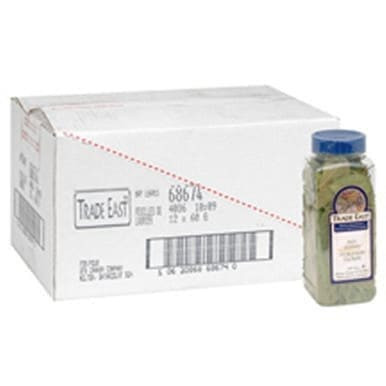
Trade East Whole Bay Leaves, Spice, Shaker, Trans Fat Compliant | 60G/Unit, 12 Units/Case

Whole bay leaves for the covered cook.

Browse Bases & Broths →

People Also Ask

People Also Ask

Questions operators search before they cover a braise.

What is braising?

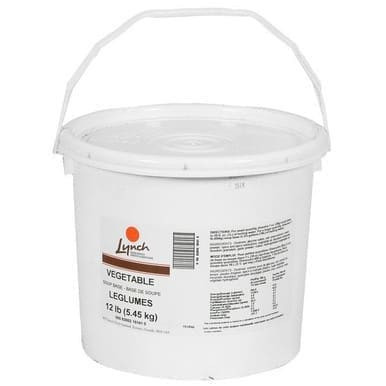
Braising is a combination cooking method: you brown food first in a little fat, then cook it slowly, covered, partly submerged in liquid at a low simmer or in a low oven. The moist heat turns tough cuts and dense vegetables tender, and the liquid becomes the sauce. Stock made from a vegetable base is a common braising liquid.

What does braised mean?

Braised means cooked by braising: browned, then cooked slowly in a covered pot with some liquid until tender. On a menu, 'braised' tells guests to expect something soft and saucy rather than crisp. Braised cabbage, fennel, leeks and beans are common vegetable examples.

What is braising vs stewing?

Both cook food slowly in liquid. Braising uses larger pieces with the liquid coming only part way up, so the top steams and browns a little. Stewing uses smaller, even pieces fully covered in liquid. A braise ends with less, richer sauce; a stew is more liquid and spooned into bowls.

Braise vs roast: what's the difference?

Roasting is dry heat: food cooks uncovered in the oven with no added liquid and browns all over. Braising is moist heat: food is browned, then covered and cooked slowly with liquid. Roasting suits tender ingredients; braising breaks down tougher ones and gives you a sauce at the same time.

Braising vs boiling: what's the difference?

Boiling cooks food fully submerged in rapidly bubbling liquid. Braising keeps the liquid at a gentle simmer, only part way up the food, with a lid on. The gentler heat keeps food moist and lets flavours concentrate. A braise that boils hard tends to turn dry and stringy.

FAQ

Frequently asked questions

Is braising healthy?

It can be. Braising needs only a little fat for the initial browning, and nutrients that seep out of the food stay in the sauce you serve. Skim the fat off the top of the liquid before serving and lean on vegetables, beans and herbs to keep a braise lighter.

Can you braise in a slow cooker?

Yes. Brown the food in a pan first, deglaze the pan and pour everything into the slow cooker with enough liquid to come part way up. Cook on low until tender. You'll get less browning than in a heavy pot in the oven. Add aromatics like thyme and bay leaf at the start.

Braiser vs Dutch oven: which is better?

A braiser is wide and shallow with a lid, so more food sits in a single layer and browns well, and the liquid reduces faster. A Dutch oven is deeper, holds more liquid and suits stews, soups and large batches. For kitchens, hotel pans covered in foil in a combi or conventional oven also work for big braises.

Can you over-braise?

Yes. Past the point of tender, food starts to fall apart, turn stringy or go mushy, and the liquid can over-reduce and scorch. Check tenderness toward the end of the expected time, keep the liquid at a bare simmer, and hold finished braises warm, not bubbling.

What does braising do?

It softens food slowly. The gentle, moist heat breaks down connective tissue and fibres in tougher ingredients, while browning at the start builds flavour. At the same time, the cooking liquid picks up flavour and reduces into a sauce, so you get the main item and its sauce from one pot.

Related

Related guides from ChickenPieces

Why Partner With ChickenPieces

Canadian foodservice supplies for operators who need stock bases, tomatoes, and herbs for covered braises — not a poultry or meat distributor.

Local Calgary Support

Based in Calgary, we understand regional operator needs and ship Canada-wide.

Wide Product Range

Source foodservice, disposables, gloves, janitorial, bar, and hospitality supplies from one supplier.

Competitive Pricing Structure

Access practical bulk pricing without a forced membership model.

Regulatory Compliance Focus

Chicken Pieces uses foodservice-focused, Health Canada- and CFIA-aware language where relevant. It is a foodservice and hospitality supply company founded in 2018—not a poultry or meat distributor.

Sources

Sources & further reading

Regulatory details vary by jurisdiction and operation. Verify current local requirements before publishing compliance-specific guidance.

Request Your Custom Quote Today

Need stock bases, tomatoes, or herbs for covered braises on the line? Call 1-833-462-8550 or shop chickenpieces.com.

Request a Quote