

2024 Feb 17th
Upgrade Your Airbnb Experience with Our Top-Tier Kitchen
Information only, not medical advice. General information for caregivers — not a substitute for a doctor, pharmacist or registered dietitian. Full disclaimer at the end.
After a hospital stay, many older adults come home under-nourished — the Canadian Malnutrition Task Force reports that roughly 45% of adults are already at risk of, or living with, malnutrition on admission, and about 1 in 4 lose weight after discharge. Nutrition drinks (oral nutritional supplements, or "ONS") are a practical way to add protein and calories when appetite is low. The evidence is encouraging but modest: ONS can raise energy intake and body weight and may improve quality of life, but they haven't been shown to reliably reduce deaths or re-admissions. They work best alongside real food, spread across the day so each meal clears the "leucine threshold," and adjusted for any swallowing problems — not instead of a dietitian's plan. ChickenPieces.com supplies bulk protein and meal-replacement products Canada-wide from Calgary, no membership.
Key takeaways
Malnutrition is common at discharge: the Canadian Malnutrition Task Force found 33–45% of hospital patients at risk or malnourished on admission, and about 1 in 4 lose weight after going home.
Watch for red flags: unintentional loss of 5–10% of body weight over 3–6 months, or a BMI at or below 18.5, warrants a clinical look and a dietitian referral.
Nutrition drinks (ONS) add protein and calories when someone can't eat enough — a supplement to food, not a replacement.
Evidence: ONS can increase energy intake and weight and may improve quality of life cost-effectively, but haven't shown a reliable drop in mortality or re-admission.
Protein targets rise with age and illness: 1.0–1.2 g/kg/day when healthy, 1.2–1.5 g/kg/day during illness or recovery — and timing matters, with older adults needing roughly 30–40 g of quality protein per meal.
Swallowing problems (dysphagia) are common in older adults; drink texture may need to match an IDDSI level set by a speech-language pathologist.
Why so many seniors come home under-nourished
Illness, surgery, low appetite, unfamiliar hospital food, altered taste and simply being unwell all chip away at how much an older person eats — and the effects don't stop at the hospital door. The scale is bigger than most families expect. According to the Canadian Malnutrition Task Force, malnutrition risk in Canadian hospitals runs around 40%, with survey data showing 33–45% of patients at risk or malnourished on admission. After discharge, roughly 1 in 4 adult patients continue to lose weight. That post-discharge window is exactly when muscle, strength and independence are most fragile, and when a small nutrition gap can turn into a fall, a re-admission, or a slow, frustrating recovery. It's also the moment families are handed the most responsibility with the least support, which is why "should I get them nutrition drinks?" is one of the most common questions after a hospital stay.
First, the red flags: is your senior actually eating enough?
Before you buy anything, it helps to know what under-nutrition looks like, because it's easy to miss in someone who "seems fine." The most reliable warning sign is unintentional weight loss: losing about 5–10% of body weight over 3–6 months is a recognised red flag, and clinicians often treat a drop of more than 5% in a single month, or 10% over six months, as needing prompt evaluation. A body mass index (BMI) at or below 18.5 is another marker used in malnutrition screening. Everyday clues matter too: clothes and rings getting loose, skipped meals, food left on the plate, fatigue, and slow wound healing. Clinicians use quick screening tools such as the Malnutrition Universal Screening Tool (MUST) or the Mini Nutritional Assessment to formalise this — but as a caregiver you don't need a tool to notice the trend. If you see it, that's your cue to ask the care team for a registered-dietitian referral rather than quietly stacking up shakes on your own.
What is a "nutrition drink" (oral nutritional supplement)?
A nutrition drink, or oral nutritional supplement (ONS), is a ready-to-drink shake or powder designed to deliver concentrated protein, calories, vitamins and minerals in a small, easy-to-consume serving. Complete "meal-replacement" formulas aim to provide balanced nutrition when someone genuinely can't manage regular meals; high-protein versions focus on preserving muscle; and higher-calorie "energy-dense" versions pack more into each sip for people who tire quickly while eating. The common thread is that they let a small volume do a lot of nutritional work — helpful when a full plate feels overwhelming. They come as branded ready-to-drink bottles and as powders you mix or stir into food, and the right choice depends on the person's needs, budget and, crucially, what they'll actually finish.
Do nutrition drinks actually help after discharge?
Here's the balanced picture the research supports, because overselling this helps no one. Oral nutritional supplements in older patients after hospital discharge can increase energy intake and body weight, and may be associated with a cost-effective improvement in quality of life. Importantly for worried families, a specialized high-protein ONS was shown to boost older adults' nutrient intake without decreasing how much regular food they ate — addressing the common fear that "the shake will spoil their dinner." But the same body of evidence is honest about limits: supplements have not been shown to reliably reduce mortality or hospital re-admission. In other words, treat nutrition drinks as a useful bridge that helps someone eat enough during recovery — a tool to close a gap, not a cure, and not a reason to skip meals or a dietitian's plan. Used that way, they earn their place; used as a substitute for food and follow-up, they underdeliver.
How much protein does an older adult need?
Protein is the nutrient that protects muscle, and older adults need more of it than the old textbook figures suggested. Expert guidance (the widely cited ESPEN and PROT-AGE recommendations) suggests healthy seniors aim for at least 1.0–1.2 g of protein per kg of body weight per day, rising to 1.2–1.5 g/kg/day for those who are ill, recovering or at risk of malnutrition — and higher still in severe illness or injury under clinical supervision. For a 70 kg (about 154 lb) senior recovering at home, the illness-range target works out to roughly 84–105 g of protein a day, which is genuinely hard to hit on a reduced appetite. That gap is where a protein-focused nutrition drink earns its keep.
| Situation | Suggested daily protein | Roughly, for a 70 kg senior |
|---|---|---|
| Healthy older adult | 1.0–1.2 g/kg/day | ~70–84 g |
| Ill, recovering or at risk of malnutrition | 1.2–1.5 g/kg/day | ~84–105 g |
| Severe illness / injury / marked malnutrition | Higher — set with a clinician | Individualized |
Ranges reflect ESPEN / PROT-AGE guidance for older adults. Targets should be individualized by a registered dietitian, especially where kidney disease is present.
It's not just how much — it's when
One of the most useful and least-known points about senior nutrition is that timing matters as much as the daily total. Older muscle shows "anabolic resistance" — a blunted response to protein — so it takes a bigger dose in one sitting to actually trigger muscle-building. The mechanism is the amino acid leucine: research suggests each main meal needs to clear a "leucine threshold" of roughly 3 g, which for older adults means about 30–40 g of high-quality protein per meal (younger adults get there on 25–30 g). A senior who eats a protein-light breakfast and lunch and then a big dinner may hit their daily grams on paper yet still lose muscle, because only one meal crossed the threshold. The practical takeaway: spread protein across all three meals, and use a nutrition drink to lift the weakest meal — typically breakfast or a mid-afternoon slump — rather than piling it onto a meal that's already protein-rich.
When swallowing is a problem: texture and IDDSI
Swallowing difficulty (dysphagia) is common in older adults, especially after a stroke, with dementia, or after time in hospital, and reported rates among nursing-home residents vary widely depending on how it's assessed. It matters here because a thin liquid can be unsafe for someone with dysphagia — it can go down the wrong way and raise the risk of choking, aspiration and pneumonia. That's why care settings use the IDDSI framework (the International Dysphagia Diet Standardisation Initiative), which defines standard drink thicknesses from Level 0 (thin) up through Level 1 (slightly thick), Level 2 (mildly thick), Level 3 (moderately thick/liquidised) and Level 4 (extremely thick). If a senior has been assessed as needing thickened fluids, their nutrition drinks must match the prescribed level — either buy pre-thickened products or thicken to spec with a commercial thickener, and never guess. The right level is set by a speech-language pathologist; your job as a caregiver is to follow it exactly. If you notice coughing, throat-clearing or a "wet" voice during or after drinking, stop and flag it to the care team.
Ready-to-drink or powder — and how to compare cost
Ready-to-drink (RTD) shakes win on convenience and consistency — no mixing, easy to grab, portion-controlled — which matters when a caregiver is stretched or the senior is managing alone. Bulk protein powders (whey, or plant-based pea and vegan blends for those who prefer or need non-dairy) win on cost per gram of protein and flexibility: they can be stirred into milk, smoothies, soups, oatmeal or mashed potatoes to fortify foods the person already likes. Many households sensibly use both — RTD for out-and-about and busy days, powder for home fortification.
To compare value without getting fooled by package price, use a simple cost-per-gram-of-protein check: take the price of the container, and divide by the total grams of protein it contains (servings × protein per serving). Do the same for each option and compare the per-gram figures rather than the sticker price. Powder usually wins on that metric, while RTD often justifies its premium through convenience and consistency — both are legitimate reasons to buy, as long as you're choosing with eyes open. Whichever you pick, match the flavour to the person's preference; the best nutrition drink is the one they'll actually finish.
How it works in Canada
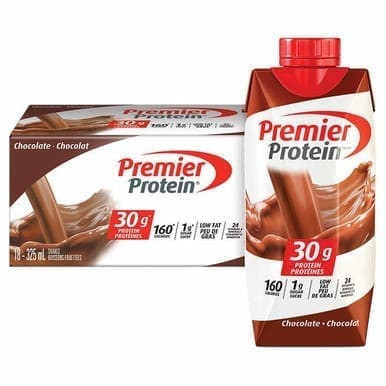
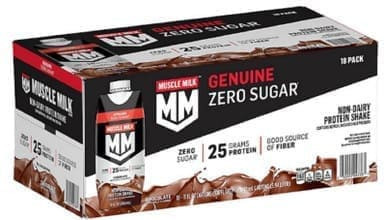
Sourcing nutrition products in bulk keeps recovery affordable, especially when someone needs them daily for weeks. ChickenPieces.com stocks bulk protein powders and meal-support products and ships Canada-wide from our Calgary distribution hub — no membership or distributor contract required — so families and care settings can trial a format before committing to a case. Browse the medical food & drinks range, compare bulk whey protein against plant-based pea protein for non-dairy needs, and stock everyday fortifiers from the grocery category. If you're supporting someone on a GLP-1 medication as well, our guide to preventing GLP-1 muscle loss covers the same protein-first principles.
Stock up at ChickenPieces.com

What Canadian operators say
"ChickenPieces shipped to our Calgary cafe inside 48 hours — pricing beat our previous supplier on the bulk shortening line. Already reordered."
CP Buying Desk — Alberta · Alberta (Calgary)
"Switched our Mississauga commissary to CP for syrups and cleaners. Spec sheets arrive with the order, no chasing. Solid for GTA foodservice."
Giselle R. — Ontario · Ontario (Toronto)
"Vancouver hotel pantry switched to CP bubble-tea and concession supplies. No membership, transparent pricing, Canada-wide delivery worked for us."
Front-of-house buyer — BC · British Columbia (Vancouver)
Shop the products

Frequently Asked Questions
What is the best nutrition drink for an elderly person after hospital?+
How do I know if my parent is malnourished?+
How much protein should a senior get after surgery or illness?+
Will a nutrition drink stop my parent from eating real meals?+
What if my parent has trouble swallowing?+
Ready-to-drink shakes or protein powder — which is better?+
Are nutrition drinks safe for seniors with diabetes or kidney disease?+
Where can I buy nutrition drinks and protein in bulk in Canada?+
How is shipping calculated for my order?+
Do you offer bulk pricing for this product?+
Support Recovery with Bulk Nutrition, No Membership
Order bulk protein and meal-support products from ChickenPieces.com. Calgary-based, ships coast-to-coast, no membership needed — so families and care settings can keep a recovering senior well-fed affordably.
21,000+ SKUs · Operating since 2017 · Calgary-based · Ships across CanadaReferences: Health Canada - Food Packaging Materials CFIA - Food Allergen Labelling for Industry.