Key Takeaways
- Gritty or icy soft serve is usually caused by worn dasher blades, incorrect freezing temperatures, or degraded stabilizers in the mix.
- Watery or soupy product indicates a failure in the overrun system, often due to a clogged carburetor tube or a failing air pump.
- Butter churning inside the freezing cylinder happens when high-fat mixes are over-agitated during periods of low sales volume.
- Routine maintenance, including replacing O-rings and lubricating seals, prevents the vast majority of mechanical failures.
- Using high-quality, shelf-stable powder mixes from a reliable Canadian supplier reduces the risk of texture issues caused by temperature abuse during shipping.
A commercial soft serve machine is a complex piece of refrigeration equipment. When it is running perfectly, it is essentially a license to print money, turning inexpensive liquid mix into highly profitable, perfectly swirled cones. However, when something goes wrong, it can bring your entire dessert operation to a grinding halt. For a food truck operator in the middle of a busy Calgary festival, or a café owner facing a Saturday night rush, a malfunctioning machine is a stressful and expensive crisis.
The good news is that the vast majority of soft serve problems are not catastrophic mechanical failures. They are usually the result of minor calibration issues, worn consumable parts, or improper mix handling. By understanding the basic mechanics of how your machine freezes and aerates the product, you can diagnose and fix most common issues without having to call an expensive refrigeration technician.
This troubleshooting guide addresses the most frequent complaints operators face: gritty textures, watery consistency, churning butter, and strange mechanical noises. We will break down the root causes of each problem and provide actionable steps to get your machine back to producing the smooth, premium product your customers expect.
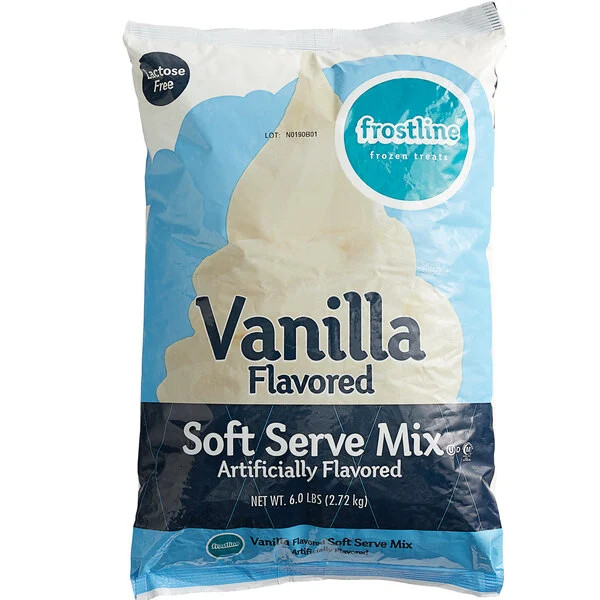
The dispensing door and nozzle assembly contain multiple O-rings and seals that must be lubricated regularly to prevent leaks and maintain proper pressure.
Frequently Asked Questions
The following operator questions are answered with cited sources. Every FAQ links to Health Canada, CFIA, Canada.ca, or another authoritative regulator.
Why is my soft serve ice cream gritty or grainy?
Gritty or grainy soft serve is most commonly caused by ice crystal formation. This happens when: (1) product sits in the freezing cylinder too long without being dispensed, (2) scraper blades are worn and not scraping the cylinder wall properly, (3) the mix ratio is incorrect (too much water), or (4) the mix wasn't fully dissolved before loading. Reddit users on r/foodscience also report that undissolved sugar or powder particles can cause graininess. Spaceman USA recommends pulling 8–10 oz of product to refresh the cylinder with new mix, then waiting 30 seconds before the next pull.
Products referenced:
Source: Soft-Serve is gritty in texture - Reddit r/foodscience
Why is my soft serve coming out icy instead of creamy?
Icy soft serve is typically caused by low overrun (not enough air incorporated), worn scraper blades, or the freezing cylinder set too cold. According to Spaceman USA, product left in the freezing cylinder for hours without being dispensed will become icy and dense. Taylor Company explains that too little air (overrun below 35%) makes the product dense and icy. Fixes include: checking the air intake tube for clogs, verifying the mix ratio, replacing worn scraper blades, and pulling fresh product through the machine.
Products referenced:
Source: How To: Fixing Soft Serve Consistency Issues - Spaceman USA
What causes soft serve to be too soft or droopy?
Soft, droopy soft serve is usually caused by excessive overrun (too much air), temperature fluctuations in the hopper, or improper mix ratio. Taylor Company notes that overrun above 45% makes the product lose body, melt quickly, and appear foamy. Other causes include: blocked air tubes (preventing proper mix flow), worn scraper blades, and over-pulling (serving too many cones too quickly without giving the machine time to freeze fresh mix). Spaceman USA recommends ensuring 6 inches of clearance around the machine for proper air circulation.
Products referenced:
Source: Soft Serve Overrun: The Air-to-Profit Connection - Taylor Company
How do I fix overrun issues in my soft serve machine?
Overrun (the percentage of air in soft serve) should be 35–45% for optimal texture. To fix overrun issues: (1) Check and clean the air intake tube and pump — clogs prevent proper air incorporation, (2) Adjust the mix feed rate — slower feed increases overrun, faster feed decreases it, (3) Verify freezing temperature — too cold reduces overrun, (4) Check scraper blade condition — worn blades reduce air incorporation. Taylor Company recommends measuring overrun by comparing the weight of mix before and after freezing.
Products referenced:
Source: Soft Serve Overrun: The Air-to-Profit Connection - Taylor Company
Why is my soft serve machine freezing up or producing stiff product?
A machine that freezes up or produces overly stiff product is usually suffering from low mix levels (mix out), a blocked air tube or pump, or incorrect viscosity settings. When the hopper runs low on mix, the cylinder starves and only air enters, causing the machine to freeze up. Reddit users on r/icecreamery report that soft serve machines require regular maintenance and understanding of how to adjust overrun settings. Spaceman USA advises thoroughly cleaning air tubes and pump assemblies daily with the provided brushes.
Products referenced:
Source: Starting a froyo foodtruck with home appliance makers? - Reddit r/icecreamery
How often should I replace soft serve machine scraper blades?
Scraper blades should be inspected weekly and replaced every 3–6 months depending on usage volume. Worn scraper blades are one of the most common causes of icy and grainy soft serve — they fail to scrape frozen product off the freezing cylinder walls properly, allowing ice crystals to grow larger. Spaceman USA emphasizes that sharp blades scrape tight against the wall and prevent ice crystal formation. Always use manufacturer-recommended replacement blades for your specific machine model (Taylor, Stoelting, or Spaceman).
Products referenced:
Source: How To: Fixing Soft Serve Consistency Issues - Spaceman USA
What temperature should my soft serve machine be set to?
The freezing cylinder should maintain approximately -5°C to -7°C (23°F to 19°F) for proper soft serve consistency. The hopper (where liquid mix is stored) should be refrigerated at ≤4°C (40°F). Taylor Company notes that consistent freezing temperatures are critical — fluctuations cause texture problems ranging from icy to soft. If your product is too soft, check the hopper refrigeration. If too stiff or icy, the cylinder may be set too cold. Use a calibrated thermometer to verify actual temperatures.
Products referenced:
Source: Soft Serve Overrun: The Air-to-Profit Connection - Taylor Company
Why does my soft serve melt too quickly after serving?
Quick-melting soft serve is usually a sign of excessive overrun (too much air), which causes the product to lose structure and melt rapidly. Other causes include: the freezing cylinder temperature being too warm, the mix having insufficient stabilizers, or the serving temperature being too high. Rocky Mountains Distributing notes that proper overrun settings (35–45%) are key to melt resistance. Non-dairy mixes like DOLE (water-based) may melt slightly faster than high-fat dairy mixes — this is normal and can be managed by serving in cups rather than cones for hot-weather operations.
Products referenced:
Source: Solving Taylor Soft Serve Consistency Issues - Rocky Mountains Distributing
How do I clean my soft serve machine to prevent texture problems?
Daily cleaning is essential for consistent soft serve quality. The complete cleaning process includes: (1) disassembling and brushing the air tube and pump assembly, (2) cleaning the freezing cylinder with manufacturer-approved sanitizer, (3) flushing all mix lines, (4) inspecting and replacing scraper blades if worn, and (5) sanitizing the hopper. Spaceman USA emphasizes that air tube clogs from inadequate cleaning are a primary cause of texture issues. Most manufacturers provide detailed cleaning guides — follow them exactly.
Products referenced:
Source: How To: Fixing Soft Serve Consistency Issues - Spaceman USA
Why is my non-dairy/vegan soft serve icier than dairy soft serve?
Non-dairy soft serve mixes (like DOLE's water-based fruit flavours) are naturally more prone to icy texture because they lack the fat and milk solids that inhibit ice crystal formation in dairy mixes. Spaceman USA confirms that non-dairy or sorbet products are not manufactured to be as creamy as dairy-based mixes — this is a product characteristic, not a machine performance issue. To minimize iciness: ensure the mix is fully dissolved, maintain proper machine temperature, and don't let product sit in the cylinder too long between servings.
Products referenced:
Source: How To: Fixing Soft Serve Consistency Issues - Spaceman USA
\n
Authoritative Sources
The following government and public-health sources informed the operator guidance above. Citations to Reddit, Quora, and operator forums appear in the FAQ block above.