
 US Dollar

2026 Jul 25th
Safer Disinfectants for Canadian Schools and Daycares
The safest disinfectants for Canadian schools and daycares carry Health Canada DIN numbers, list tuberculosis on the label, and avoid heavy fragrances. Look for accelerated hydrogen peroxide or quat-based formulas with short contact times and low toxicity ratings.
Safer Disinfectants for Canadian Schools and Daycares
Facility operators and school procurement teams need disinfectants that protect vulnerable populations without triggering asthma or skin reactions.
Key Takeaways
What procurement teams should verify before stocking disinfectants for child-occupied spaces.
Verify Health Canada DIN
Every disinfectant sold in Canada needs a Drug Identification Number. Check the label or Health Canada's database before purchase.
Match kill claims to risks
Schools need influenza and norovirus coverage. Daycares add hand-foot-mouth disease and RSV to that list.
Check contact times
One-minute contact beats ten-minute formulas in real classrooms where wipes dry before the timer finishes.
Avoid fragrance overload
Fragrance-free options reduce asthma triggers and complaints from parents and staff with sensitivities.
Consider wipe formats
Flat packs fit apron pockets for cafeteria staff. Canisters suit custodial carts. Pouches work for field trip kits.
Review SDS sheets first
Safety Data Sheets reveal what the marketing does not: actual irritancy ratings and required PPE for daily use.
Health Canada Rules for School Disinfectants
Canadian schools must use DIN-registered disinfectants by law.
Health Canada regulates disinfectants as drugs, not general cleaners. Every product sold for germ kill in Canadian schools needs a Drug Identification Number visible on the label. This number confirms the formula, the claims, and the manufacturer have all passed federal review. Schools and daycares that buy grey-market or unregistered products risk failed inspections and liability exposure.
The DIN system matters because it links directly to approved kill claims. A product without tuberculosis or norovirus on its DIN registration cannot legally claim those kills, no matter what the sales rep promises. Procurement teams should verify claims on Health Canada's online database before signing multi-year supply contracts.
Daycares face extra scrutiny under provincial childcare regulations. Alberta, Ontario, and British Columbia all require documented cleaning protocols with product names and contact times. Using a DIN-registered product with a one-minute contact time makes those protocols easier to follow and easier to prove during spot checks.
Why Standard Disinfectants Fail in Daycares
Children absorb chemicals faster and breathe closer to the floor.
Standard industrial disinfectants assume adult users with full PPE and good ventilation. Daycares break every one of those assumptions. Children have thinner skin, higher surface-area-to-body-weight ratios, and hand-to-mouth behaviour that continues until age four or older. A residue that dries harmless on an office desk stays active on a daycare table at child height.
Asthma rates in Canadian children have risen steadily. Fragranced disinfectants release volatile compounds that trigger attacks in susceptible kids. Fragrance-free options reduce this risk without sacrificing kill performance. The trade-off is not between safety and efficacy; it is between formulations designed for adults versus those designed for shared spaces with vulnerable populations.
Contact time failures multiply the risk. A ten-minute wet time works on paper but not when a toddler crawls across a floor or a snack schedule demands table turnover in five minutes. Shorter contact times improve actual compliance and reduce the temptation to skip steps.
Hydrogen Peroxide vs Quat Disinfectants
Two chemistry families dominate safer school cleaning.
Accelerated hydrogen peroxide, or AHP, uses low concentrations boosted by surfactants to achieve fast kill times. It degrades to water and oxygen after use, leaving no toxic residue. This makes it popular in daycares where children eat at cleaned tables and play on treated surfaces. The trade-off is shorter shelf life and some corrosion risk on certain metals.
Quaternary ammonium compounds, or quats, dominate the wipe market for good reason. They are stable, compatible with plastics, and effective at low concentrations. Modern quat blends have reduced skin irritancy compared to older generations. They remain the workhorse for high-touch surface disinfection in Canadian schools with tight budgets and large areas to cover.
Both chemistries can carry Health Canada DINs and tuberculosis kill claims. The choice depends on use case, not on inherent superiority. AHP suits food-contact and child-mouth surfaces. Quats suit electronics, bathroom fixtures, and high-volume wipe programs where cost per wipe drives procurement decisions.
Wipe Formats That Match School Workflows
Packaging shapes how staff actually clean.
Canisters dominate custodial closets. They seal well, stack neatly, and dispense one wipe at a time when the mechanism works. In practice, staff often pull multiple wipes or leave lids open, drying the entire contents. Canisters work best for dedicated cleaning staff with assigned carts and regular restocking routines.
Flat packs and pouches suit distributed cleaning models. Teachers wipe desks between classes. Kitchen staff handle food-contact surfaces mid-prep. These users need portability more than capacity. Flat packs fit apron pockets and belt loops. Pouches work for field trip first-aid kits or temporary classrooms where no cart exists.
The right format reduces waste and improves compliance. A teacher with a canister across the room will skip wiping. A teacher with a flat pack in the desk drawer will use it. Procurement teams should survey actual users before standardizing on one format for an entire district or building.
Building a Compliant Cleaning Protocol
Products mean nothing without documented procedures.
Every Health Canada DIN comes with specific directions: dilution, contact time, precleaning requirements, and compatible surfaces. A compliant protocol copies these exactly, does not summarize, and does not substitute shortcuts. Post the label directions at every wipe station in English and, where required, French.
Training needs refreshers, not just onboarding. Staff turnover in school custodial roles runs high. New hires inherit assumptions from previous jobs that may not match your products. Quarterly ten-minute refreshers on contact time and precleaning prevent protocol drift that builds up between formal audits.
Documentation protects against liability claims. Log sheets with product names, lot numbers, dates, times, and staff initials prove due diligence if a parent alleges inadequate cleaning after an outbreak. Electronic logs reduce paper burden but must be backup-protected. Paper logs work in buildings with unreliable connectivity.
Canadian Stock and Cold-Weather Shipping
Cross-border supply chains fail when schools need them most.
Disinfectant wipes ship poorly in extreme cold. Frozen wipes crack, separate, and lose efficacy. Canadian distributors with Alberta warehouses avoid the worst cross-border delays and temperature exposures. ChickenPieces.com stocks Certainty, Diversey Accel, Lysol, and Oxivir lines in Calgary for Prairie and national dispatch.
School procurement cycles run on fiscal years and board approval timelines. Last-minute orders in October or January face stockouts as every district restarts simultaneously. Building relationships with distributors who hold Canadian inventory reduces emergency substitutions with unvetted products.
Bulk case pricing improves with planned orders. Single-case purchases work for pilot programs or small private daycares. Multi-case pallets suit public school districts with central receiving. Either way, confirm DIN registration, verify expiry dates on receipt, and store in conditioned spaces away from direct heat sources.
School-Safe Disinfectant Wipes Compared
Match product features to your facility's cleaning workflow and user base.
| Product | Format | Key Feature | Best For |
|---|---|---|---|
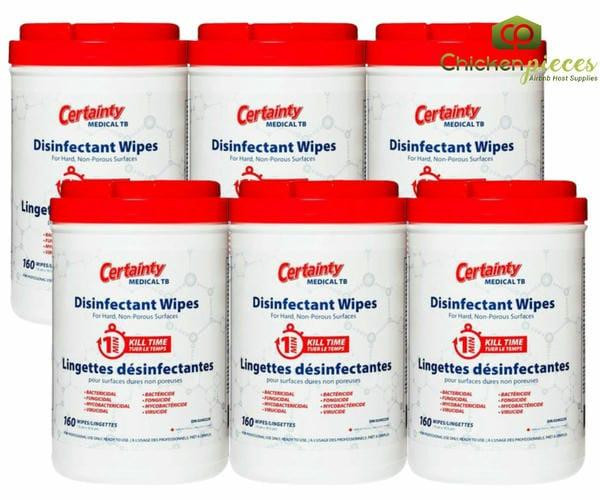
| Certainty Medical TB | Canister, 160 count | TB kill claim | Nurse stations, isolation rooms |
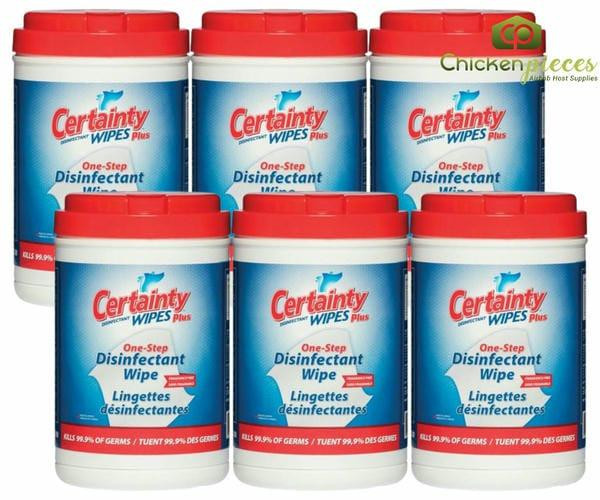
| Certainty Plus Fragrance-Free | Canister, standard | No added scent | Classrooms with asthma-sensitive students |
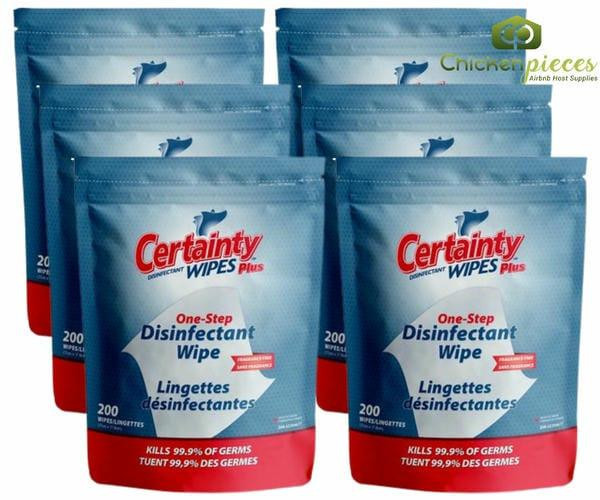
| Certainty Plus Fragrance-Free Pouch | Flexible pouch | Portable refills | Field kits, mobile staff |
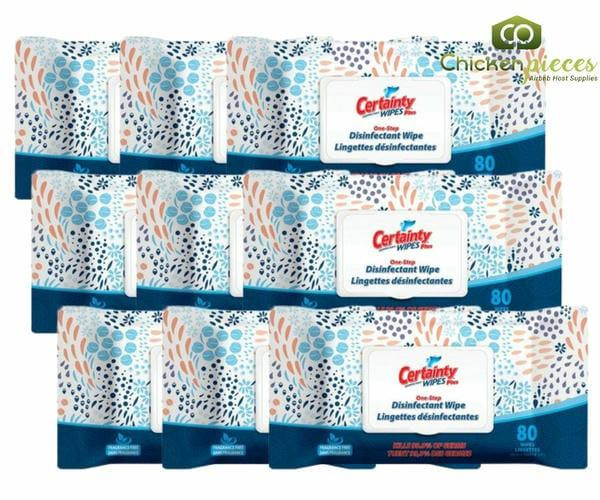
| Certainty Plus Flat Pack | Slim 80-count | Pocket-sized | Teachers, cafeteria workers |
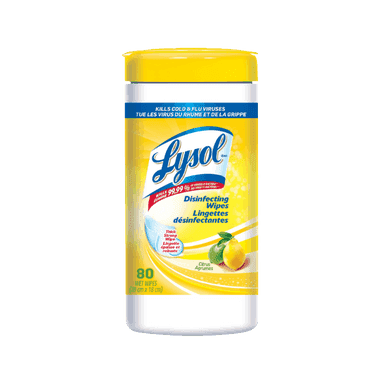
| Citrus Disinfectant Cleaner | Canister, 80 count | Citrus odour | Washrooms, non-sensitive areas |
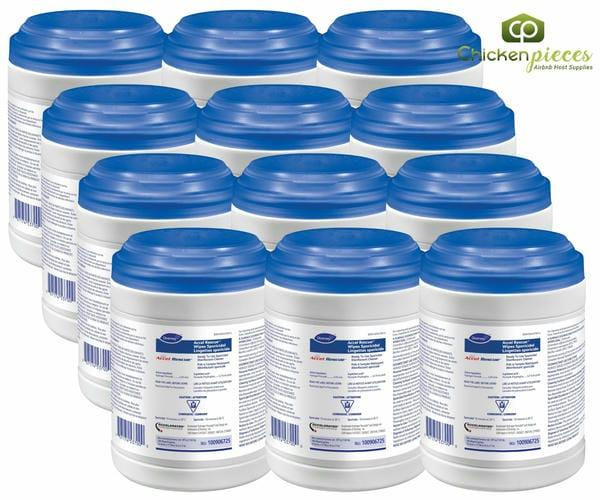
| Diversey Accel Rescue | Canister, 160 count | Sporicidal + AHP | Outbreak response, C. diff coverage |
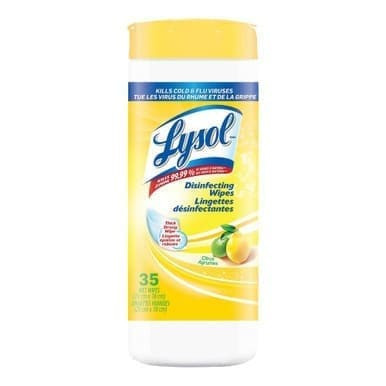
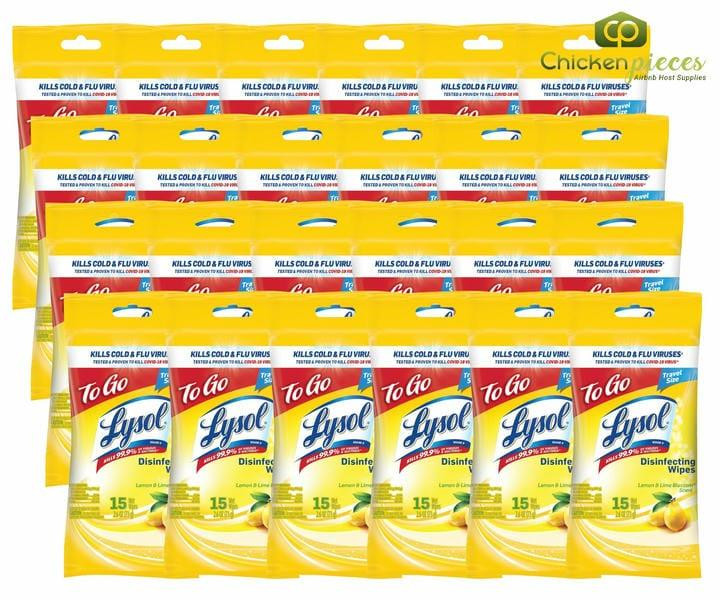
| Lysol Citrus / On-The-Go | Canister / Small pack | Consumer trust, travel size | Parent communication, small sites |
| Oxivir TB | Canister, 160 count | AHP chemistry | Daycare tables, food-contact surfaces |
School-Safe Disinfectant Wipes
Health Canada-registered options in formats suited to classrooms, daycare rooms, and mobile cleaning setups.

What Canadian facility operators say
What Canadian facility operators say about switching to verified-safe disinfectants.
We switched to the Certainty Plus fragrance-free line last year. Asthma-related staff complaints dropped to zero and our health inspector noted the change positively.
The Accel Rescue wipes got us through a norovirus outbreak without shutting classrooms. Fast contact time meant teachers actually used them correctly.
Flat packs live in our preschool teachers' aprons now. No more hunting for the canister when a child gets sick at the craft table.
School disinfectant safety: Frequently Asked Questions
Do all disinfectant wipes need a Health Canada DIN?
Yes. Any product sold in Canada with germ-kill claims on the label requires a Drug Identification Number. Check the database if the label is unclear.
Are fragrance-free wipes less effective?
No. Fragrance is added for user preference, not germ kill. Verify the same active ingredients and contact times appear on the DIN registration.
What does TB on the label mean for schools?
Tuberculosis kill claims indicate the disinfectant works against difficult-to-kill bacteria. This correlates with stronger performance on other resistant organisms.
Can teachers use disinfectant wipes without training?
Health Canada requires label directions be followed. Post directions at use points and include basic training during onboarding for liability protection.
How long do unopened disinfectant wipes last?
Most retain full efficacy for two years from manufacture. Check expiry dates on receipt and rotate stock using first-in-first-out methods.
Is accelerated hydrogen peroxide safe around food?
AHP breaks down to water and oxygen. Many AHP products carry food-contact approvals with potable water rinse requirements; check the specific label.
Why do some wipes dry out before the stated contact time?
Thin wipes on porous surfaces lose moisture fast. Use enough wipes to keep the surface visibly wet for the full contact time, or switch to a spray-wipe method.
What is the difference between cleaning and disinfecting?
Cleaning removes visible soil. Disinfecting kills organisms on clean surfaces. Precleaning is required for most disinfectants to work properly.
Can we mix disinfectant brands in the same building?
Yes, but document each product separately. Mixing chemistries in the same container or on the same surface without rinsing can cause dangerous reactions or neutralize efficacy.
How do you calculate shipping on bulk orders?
We calculate shipping on live carrier rates at checkout, not on flat or subsidized tiers. Every order is priced against real LTL, parcel, or pallet-freight quotes from our Calgary warehouse to your dock. That means you never absorb hidden shipping costs into product margins — what we charge is what the carrier charges us, plus a small handling pass-through. For bulk and pallet orders this typically runs 15–25% lower than competitors who bake shipping into their unit prices, because the rate is transparent and tied to the actual shipment weight and distance.
Related guides from ChickenPieces
Why Canadian Schools Buy From ChickenPieces.com
Calgary-based inventory, plain compliance support, and no cross-border delays.
Alberta stock
We warehouse in Calgary, not across the border. Orders dispatch within one business day to Prairie provinces and Ontario.
DIN verification
Our team confirms Health Canada registrations before listing products. We send label copies and SDS sheets on request.
Format flexibility
Single cases for pilot programs. Full pallets for district contracts. Mixed cases where manufacturer rules allow.
Regulatory compliance
All stocked disinfectants carry valid DIN numbers and meet Health Canada requirements for sale and use in Canadian facilities.
Sources & further reading
Get a Quote for Your School or Daycare
Send your room count, student population, and preferred wipe format. We will size your order and confirm Health Canada DIN coverage for your specific provincial requirements.
Request a Quote