

2026 Jul 19th
Mechanical Soft Diet Supplies for Canadian Care Homes
Mechanical soft diets require specific textures for safe swallowing. We supply IDDSI Level 5 to 6 aligned purees and beverages. Our kitchen tools ensure proper preparation consistency.
Mechanical Soft Diet Supplies for Canadian Care Homes
Facility operators need consistent supplies that meet strict dietary safety standards while maintaining operational efficiency across multiple locations.
Key Takeaways
Key operational benefits for dietary compliance.
Texture Consistency Matters
Uniform texture prevents choking risks and ensures every resident receives the same safe nutritional intake daily without variability issues.
Bulk Puree Efficiency
Large gallon containers reduce waste and prep time. Staff can portion servings quickly while maintaining strict hygiene standards throughout shifts.
Proper Lighting Needs
Adequate illumination helps staff verify food texture visually. It also creates a welcoming dining atmosphere that supports resident mental well-being daily.
Beverage Safety Focus
Smooth carbonated drinks offer hydration without solid particles. They provide familiar taste experiences while adhering to strict mechanical soft diet guidelines.
Inventory Streamlining
Centralized ordering reduces administrative burden. We deliver consistent stock levels so facilities never face shortages during critical meal preparation times.
IDDSI Compliance Support
All products align with international standards for dysphagia diets. This ensures legal compliance and protects residents from aspiration risks effectively.
Understanding Mechanical Soft Diet Requirements
Clarify texture levels and safety standards for Canadian care facilities.
Mechanical soft diets modify food texture without changing nutritional value. This approach assists residents who have difficulty chewing or swallowing solid foods. The goal is to maintain safety while preserving the enjoyment of eating for individuals with specific medical needs. To implement this correctly, dietary managers must first audit current menu items against IDDSI frameworks. This involves testing each dish with a fork and spoon to ensure it meets the 'spoon test' criteria for Level 5 or 6. Documentation is key; maintain a log of approved recipes and their corresponding texture levels. This log serves as a reference for new staff training and regulatory inspections. Regularly review resident feedback forms to adjust textures if residents report discomfort or difficulty swallowing, ensuring the diet remains both safe and palatable.
IDDSI Level 5 defines minced and moist textures. Foods must be fork-mashable and require no chewing effort. Level 6 represents soft and bite-sized options. Understanding these distinctions helps staff prepare meals that meet strict safety protocols effectively every day. Operationalizing this requires precise kitchen equipment calibration. Blenders should be checked weekly for blade sharpness to ensure uniform particle size below 4 millimeters for Level 5. For Level 6, food processors with specific cutting blades can achieve the required soft-bite consistency without turning items into puree. Staff training sessions should include practical demonstrations of these tests. Use color-coded labels on prep stations to indicate which texture level is being prepared, reducing the risk of cross-contamination between different dietary requirements during busy service periods.
Approved Foods for Soft Textures
Identify suitable ingredients that meet texture and safety criteria.
Pureed fruits and vegetables form the foundation of many soft diet meals. These items provide essential vitamins while remaining safe for consumption. Facilities can blend them into thickened liquids or serve them as standalone side dishes for variety. Sourcing high-quality bulk purees simplifies this process significantly. One-gallon containers offer cost-effective volume while maintaining freshness through airtight sealing. When storing these purees, keep them in dedicated refrigeration units set to 4°C or lower to inhibit bacterial growth. Label each container with the opening date and time if partially used, discarding any remaining contents after four hours to comply with food safety regulations. Rotate stock using a first-in, first-out method to ensure older batches are used before newer ones, minimizing waste. Incorporate these purees into main dishes by mixing them with soft proteins or grains to enhance nutritional density without altering the safe texture profile.
Safe Preparation and Blending Techniques
Standardize kitchen workflows to ensure consistent texture outcomes.
Consistent preparation is vital for resident safety. Use high-powered blenders to achieve smooth, lump-free textures. Strain mixtures if necessary to remove any remaining particles. Document the process to maintain quality control standards across all shifts and staff members. Implement a standardized blending protocol that specifies exact times and speeds for different food types. For example, fruits may require 30 seconds on high speed, while vegetables might need 60 seconds with intermittent pauses. Record these parameters in a kitchen manual accessible to all culinary staff. Conduct weekly spot checks where supervisors taste-test prepared meals using the IDDSi fork pressure test. If any lumpiness is detected, adjust the blending time or blade settings immediately. Maintain detailed logs of equipment maintenance, including blade replacements and motor checks, to ensure machinery operates at peak efficiency, guaranteeing uniform texture output every time.
Temperature control matters significantly during preparation. Serve foods at appropriate temperatures to enhance palatability. Avoid extreme heat or cold that might alter texture unexpectedly. Train staff on proper handling techniques to maintain integrity from prep to plate. Use digital thermometers calibrated monthly to verify food temperatures before serving. Hot foods should be served above 60°C, while cold items must remain below 4°C. If meals are held in warming cabinets, monitor temperature every thirty minutes and log the readings. Reheating pureed or soft foods requires gentle stirring to prevent scorching, which can change texture consistency. Cover plates tightly to retain moisture, preventing dryness that could make soft foods difficult to swallow. Provide staff with clear guidelines on how long prepared meals can safely sit out before they must be discarded or reheated, ensuring both safety and quality standards are met consistently.
Managing Fluids and Carbonation Risks
Select safe drink options that adhere to swallowing guidelines.
Carbonated beverages require careful consideration in soft diets. While generally smooth, the fizz can trigger coughing in some individuals. Assess each resident's tolerance individually before including these drinks in regular menus. Always supervise consumption to ensure safety. When offering carbonated drinks, allow them to sit open for five minutes to reduce excessive gas buildup while retaining flavor. Serve in clear cups so residents and staff can visually confirm the liquid level and consistency. For residents with severe dysphagia, consider de-carbonating options or using thickened non-carbonated alternatives if recommended by speech-language pathologists. Keep a record of each resident's beverage preferences and tolerances in their dietary file. Update this information quarterly or after any health changes. Train servers to watch for signs of distress during drinking, such as clearing the throat or coughing, and intervene immediately by offering water or pausing consumption.
Optimizing Dining Area Lighting Conditions
Improve visibility for staff checks and resident comfort.
Proper lighting aids in visual inspection of food textures. Staff can easily spot inconsistencies or potential hazards on plates. Good illumination also creates a pleasant atmosphere, encouraging residents to eat more. It reduces eye strain during meal preparation and service hours significantly. Aim for 500 lux of light intensity directly over dining surfaces to ensure clear visibility of food colors and textures. Use LED bulbs with a color temperature of 3000K to 4000K, which provides warm yet bright illumination without causing glare on shiny plates or cups. Install adjustable fixtures that allow staff to direct light precisely where needed. Regularly clean lampshades and lenses to prevent dust accumulation from dimming light output. Conduct monthly audits of dining area lighting levels using a lux meter, adjusting bulb positions or replacing worn-out bulbs as necessary. Ensure emergency lighting systems are functional and provide sufficient visibility in case of power outages during meal times.
Streamlining Inventory and Reordering Processes
Maintain consistent supply levels to prevent operational disruptions.
Efficient inventory management saves time and reduces waste. Track usage patterns to predict future needs accurately. Keep buffer stocks of essential items like fruit purees. Regular audits help identify discrepancies early, ensuring smooth operations without unexpected interruptions or delays. Implement a digital inventory tracking system that updates in real-time as items are used. Set minimum stock thresholds for each product category; when levels drop below these points, the system should automatically generate purchase orders. Schedule weekly physical counts to verify system accuracy and detect any shrinkage or spoilage. Organize storage areas clearly labeled by IDDSI level and food type to speed up retrieval during busy service periods. Review supplier performance monthly based on delivery times and product quality, adjusting vendors if necessary to maintain reliable supply chains.
Texture Level Comparison Guide
Review key differences between IDDSI levels for meal planning.
| IDDSI Level | Texture Description | Spoon Test Result | Fork Pressure |
|---|---|---|---|
| Level 5 | Minced and Moist | Food slides off spoon with slight tilt | Mashes easily with gentle pressure |
| Level 6 | Soft and Bite-Sized | Stays on spoon unless tilted fully | Requires firm pressure to mash |
| Fruit Purees | Smooth, No Lumps | Flows off spoon slowly | Not applicable |
| Vegetable Blends | Uniform Consistency | Holds shape briefly on spoon | Mashes completely without effort |
| Thickened Liquids | Nectar to Honey Thick | Drips slowly from spoon | Not applicable |
| Carbonated Drinks | Smooth Liquid | Flows freely from spoon | Not applicable |
| Protein Mixes | Soft, Cohesive | Slides off with moderate tilt | Mashes easily if prepared correctly |
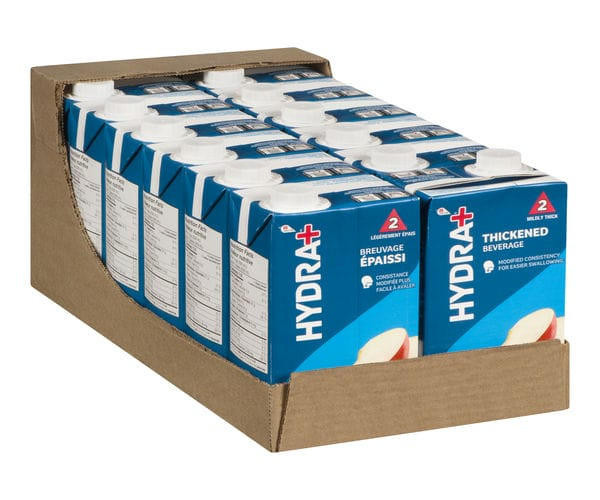
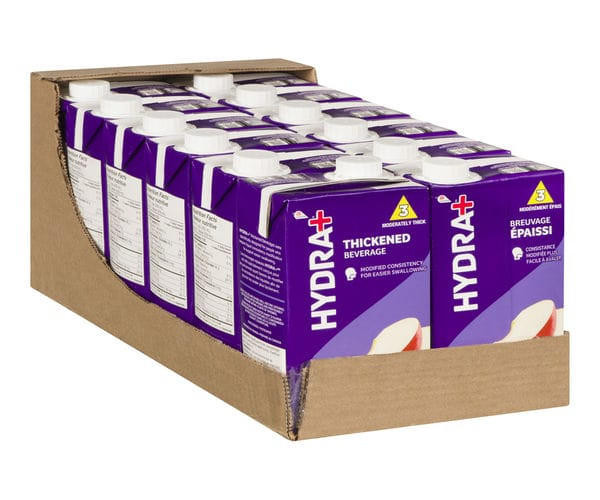
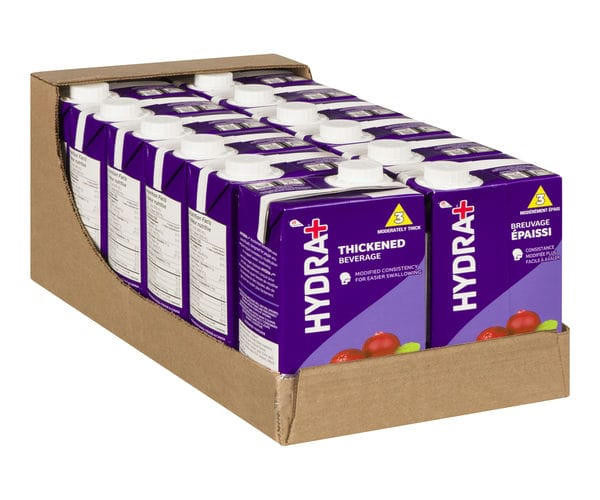
Featured Dietary Supply Items
Browse our curated selection of compliant foods and equipment.






People Also Ask
Real questions buyers search before they order — answered straight.
What is a mechanical soft diet?
A mechanical soft diet is made up of foods that have been softened, chopped, minced, mashed, or ground so they need little chewing but still look like recognisable food. It sits between a regular diet and a fully pureed one, and suits people who can swallow safely but struggle to chew. A little extra moisture — sauces, dressings, or custards — is usually added so items are easy to form and swallow.
What IDDSI level is a mechanical soft diet?
A mechanical soft diet lines up most closely with IDDSI Level 6 (Soft & Bite-Sized), where pieces are small, tender, and need no biting — only mashing with a fork or tongue. The older "mechanical soft" wording predates IDDSI, so many facilities now map it to Level 6 for consistency. Always check the resident's care plan, as some sit at Level 5 (Minced & Moist) instead.
What is the difference between a mechanical soft diet and a pureed diet?
A mechanical soft diet keeps food in small, tender, recognisable pieces that are mashed or minced, while a pureed diet is blended completely smooth with no lumps at all. Pureed suits people who cannot chew or manage any texture; mechanical soft suits those who can handle gentle, moist pieces. The right one is set by a swallowing assessment, not by preference.
Who needs a mechanical soft diet?
It is often used for residents with missing teeth or poorly fitting dentures, mild swallowing difficulty, or recovery after mouth or throat surgery. The goal is to reduce chewing effort while keeping meals appetising and nourishing. A speech-language pathologist or dietitian decides who needs it, rather than it being applied by default.
What foods are not allowed on a mechanical soft diet?
Anything hard, crunchy, stringy, chewy, or crumbly is usually avoided — think nuts, seeds, raw crunchy vegetables, tough skins, and dry, flaky bread. Sticky items that clump in the mouth, and foods with mixed textures like soup with hard pieces, are also risky. When in doubt, the fork-mashable test is a good guide.
Can residents have bread, eggs, or rice on a mechanical soft diet?
Often yes, with care — soft, moist bread with crusts removed rather than dry or crusty loaves; well-cooked, soft rice bound with a little sauce; and eggs in soft forms such as scrambled or as an omelette. Each is fine only if it mashes easily and does not turn dry or sticky. Toasted, crusty, or dry versions are usually left off.
What Canadian care managers say
Feedback from Canadian facility operators on service quality.
The bulk purees have significantly reduced our kitchen prep time. We no longer worry about texture inconsistencies, and the delivery schedule is always reliable for our weekly menu planning needs.
Switching to these specific lighting options improved our dining area visibility. Staff can verify food textures more easily now, which has boosted our confidence in meeting safety standards daily.
Ordering from Calgary-based suppliers means faster restocking. The variety of soft diet options helps us keep residents happy without compromising on strict health and safety requirements.
Supply Compliance: Frequently Asked Questions
The following operator questions are answered with cited sources. Every FAQ links to the community thread, buyer guide, or regulator page it was researched from.
What foods are actually allowed on a mechanical soft diet?
Products referenced:
- Oatmeal, Quick Cooking, Bulk
- Canned Peaches, Sliced, in Juice
- Scrambled Egg Mix, Liquid
Source: Difficulty getting grandma to chew and eat food - r/CaregiverSupport
What is the difference between a mechanical soft diet and a pureed diet?
Products referenced:
- Pureed Vegetable Entrée, Single-Serve
- Oatmeal, Quick Cooking, Bulk
What kitchen equipment do I need to prepare mechanical soft meals at home?
Products referenced:
- Pureed Vegetable Entrée, Single-Serve
- Adaptive Utensil Set, Lightweight
Source: Caregiver's Guide to Pureed Food for Seniors - Elder Guru
Is a mechanical soft diet nutritionally adequate or do I need supplements?
Products referenced:
- Ensure Plus Vanilla, Ready-to-Drink
- Oatmeal, Quick Cooking, Bulk
Source: Healthy Soft Food Recipes and Ideas for the Elderly - Elder Options of Texas
Can I meal prep a week of mechanical soft meals in advance?
Products referenced:
- Single-Serve Microwavable Bowls, Case
- Chicken Broth, Low Sodium, Ready-to-Use
Source: Soft Food Recipes for the Ill or Elderly - Take Them A Meal
What are the easiest high-protein soft foods to keep stocked?
Products referenced:
- Greek Yogurt, Plain, 2 kg
- Cottage Cheese, 2 kg
- Canned Salmon, Pink, Boneless
How long should an elderly parent stay on a mechanical soft diet after a hospital stay?
Products referenced:
- Oatmeal, Quick Cooking, Bulk
- Greek Yogurt, Plain, 2 kg
Source: Why a Mechanical Soft Diet Is Best For Your Senior Parent - Where You Live Matters
Where can a Canadian LTC kitchen buy bulk mechanical soft and pureed entrées?
Products referenced:
- Single-Serve Microwavable Bowls, Case
- Adaptive Utensil Set, Lightweight
Related guides from ChickenPieces
Why Partner With ChickenPieces
We provide reliable supply chain solutions for Canadian care facilities.
Local Calgary Operations
Our central Alberta location allows rapid dispatch times. We understand regional needs and offer personalized support for facility managers across the province efficiently.
Bulk Pricing Structure
Large volume orders reduce per-unit costs significantly. We help facilities manage budgets while maintaining high-quality supply standards for residents daily without financial strain.
Consistent Product Quality
We source from trusted manufacturers who adhere to strict quality controls. Every batch meets texture and safety standards, ensuring reliability for your dietary programs consistently.
Regulatory Compliance Focus
All products align with Health Canada guidelines for food safety. We stay updated on CFIA regulations to ensure every item sold meets current legal requirements effectively.
Sources & further reading
- Comparison of NDD and IDDSI Levels for Thickened Drinks — PMC / National Library of Medicine
- Healthy eating — Health Canada
- Dietitians of Canada — Dietitians of Canada
Request Your Custom Quote Today
Contact our team to discuss your specific supply needs. We provide tailored solutions for care home operations efficiently.
Request a QuoteAuthoritative References