

2026 Aug 16th
Choose the Right Glassware for Your Bar's Martini Service
Coupe glasses suit classic cocktails with rounded bowls that hold volume. Nick & Nora glasses concentrate aroma through narrow mouths and resist spills with straighter sides. Classic V-shaped martini glasses create dramatic presentation but expose drinks to faster warming and ethanol concentration at the rim.
Choose the Right Glassware for Your Bar's Martini Service
For Airbnb hosts, property managers, and facility operators building or restocking bar programs that guests photograph and remember.
Key Takeaways
Six practical points to guide your glassware selection for martini service.
Nick & Nora Controls Temperature
Long stems and narrow mouths keep cocktails colder longer by distancing hand warmth from liquid and reducing surface area exposure to ambient air.
Coupe Suits Volume Drinks
Seven-ounce rounded bowls accommodate larger builds and straight-up cocktails without risk of overflow during normal service movement.
V-Shape Alters Perception
Vertical geometry draws the eye upward but concentrates ethanol at the rim, potentially masking delicate aromatics in gin or vermouth-forward recipes.
Dilution Depends on Glass
Wider surface areas in coupes and V-shapes accelerate temperature change and dilution compared to the insulated profile of Nick & Nora designs.
Spill Resistance Varies
Inverted bowls with straighter sides resist sloshing during table transport, an operational consideration for venues with floor service or poolside delivery.
Capacity Limits Quality
Glasses exceeding seven ounces force overpouring or leave excessive headspace that warms cocktails before guests finish drinking.
How Three Glass Shapes Shaped Cocktail Culture
Each silhouette carries distinct service implications for modern bars.
The coupe emerged in England during the 1600s with a shallow, curved bowl originally intended for champagne. Its wide, open rim and low profile expose liquid to air, accelerating both aroma release and temperature change. For straight-up cocktails served cold and consumed quickly, this profile works well. For slower drinkers or warmer environments, the same features become liabilities that operators must manage through service timing or ice programs.
The V-shaped martini glass traces to Art Deco aesthetics of the 1920s, when vertical lines and geometric forms dominated design. Its angular bowl creates visual drama and draws attention upward in narrow bar spaces. The trade-off is functional: the wide rim distributes ethanol evenly across the surface, concentrating alcohol burn at the point of sipping. Punch Magazine notes this geometry channels liquid flow differently than rounded alternatives, affecting how guests experience botanicals and bitters.
The Nick & Nora design arrived in 1987, deliberately referencing 1930s speakeasy culture through its high-sided bowl and extended stem. The narrow mouth preserves volatile aromatics that wider openings dissipate. Straighter sides reduce sloshing during transport. The smaller capacity, typically four to six ounces, enforces disciplined builds and appropriate dilution ratios. For venues prioritizing temperature stability and aromatic clarity over visual spectacle, this shape offers practical advantages.
Why Smaller Glasses Serve Better Martinis
Oversized vessels compromise temperature and dilution control.
Difford's Guide specifies that standard martini glasses should never exceed seven ounces or twenty centiliters. Larger capacities create excessive headspace that allows cocktails to warm before consumption finishes. This specification matters for operators calculating par levels and storage space: smaller glasses stack more efficiently, require less shelf footage, and reduce breakage rates through lower center of gravity.
Nick & Nora capacities range four to six ounces, significantly below both coupe and standard martini specifications. This constraint forces precise measurement rather than approximate pouring. For inventory management, smaller builds reduce waste from unfinished drinks and lower pour costs per served cocktail. The trade-off is perception: guests accustomed to oversized vessels may initially question portion size until they experience improved temperature maintenance.
The five-to-six-ounce range aligns with classic cocktail recipes designed for specific dilution targets. When a stirred drink reaches thirty percent total dilution, the finished volume still fits comfortably within a six-ounce glass with appropriate garnish clearance. Exceeding this capacity encourages overpouring to fill visual space, disrupting intended balance and accelerating warming through increased surface area relative to volume.
Stem Length and Hand Distance Keep Drinks Cold
Physical design elements directly affect serving temperature duration.
Nick & Nora stems extend further from the bowl than coupe or standard martini designs, creating physical separation between hand warmth and liquid. Wikipedia's technical notes emphasize this engineering intent: the distance prevents body heat from transferring through the glass wall, maintaining the temperature established during stirring or shaking. For outdoor service, pool bars, or venues with inconsistent ambient cooling, this design characteristic extends acceptable holding time.
The inverted bowl shape with straighter sides serves a secondary thermal function. Less bowl surface area contacts the hand during holding or carrying compared to wide, shallow coupes. Staff moving multiple drinks across floor spaces benefit from this reduced contact, as do guests who hold stems rather than bowls. The narrow mouth further limits air exchange, reducing convective warming that wide openings permit.
Comparatively, coupe glasses with seven-ounce rounded bowls present maximum surface area to ambient conditions. Their low profile brings liquid closer to tabletop surfaces that may retain warmth. These characteristics make coupes better suited to rapid consumption in controlled environments rather than extended holding in variable conditions. Venue operators should match glass selection to service style and physical space constraints.
Narrow Mouths Concentrate Botanicals and Bitters
Glass rim geometry shapes what guests smell before they taste.
VinePair's research on dilution establishes that water addition reveals aromatic compounds hidden by ethanol concentration in neat spirits. The glassware function is delivering those revealed aromas to the drinker. Nick & Nora narrow mouths function like nosing glasses for spirits, concentrating volatile compounds in a directed stream rather than allowing diffuse dispersion. For gin martinis with prominent botanical profiles, this concentration enhances perceived complexity.
Punch Magazine's analysis of V-shaped designs identifies a counterintuitive effect: the wide rim distributes ethanol evenly across the opening, creating higher alcohol concentration at the point of inhalation. This concentration can overwhelm delicate aromatics rather than presenting them sequentially. The vertical geometry that creates visual drama thus works against aromatic nuance, particularly in vermouth-forward or lower-proof builds where subtlety matters.
Coupe circular shapes halt liquid and aroma flow differently than angled designs. The rounded bowl creates turbulence rather than directional channeling, mixing rather than layering sensory experiences. For fruit-forward or shaken cocktails where integrated presentation suits the build, this characteristic is neutral or beneficial. For layered or precisely diluted stirred drinks, the coupe's diffusion may flatten intended progression from nose to palate.
Spill Resistance and Service Speed Considerations
Physical stability affects staff efficiency and guest experience.
Inverted bowl designs with straighter sides contain liquid displacement more effectively than shallow curves. When a server moves through occupied floor space, normal walking rhythm creates oscillation in any partially filled vessel. The Nick & Nora geometry limits this oscillation's amplitude, reducing spill frequency during peak service periods. For venues with tight seating arrangements or uneven flooring, this physical characteristic translates to cleaner service and reduced breakage from slippery surfaces.
Coupe glasses with wide, shallow bowls present the opposite profile: low centers of gravity that feel stable at rest but transfer horizontal force directly into liquid displacement. Their rounded walls offer no resistance to wave movement. Operators using coupes extensively should train specific carrying techniques or limit fill levels, both of which affect perceived value and service pace. The seven-ounce capacity specification assumes full utilization, creating tension with spill-avoidance practices.
V-shaped martini glasses occupy intermediate territory with angular walls that partially contain displacement but wide openings that permit escape when tilting occurs. Their taller profile increases tip risk in crowded environments. Material selection becomes relevant here: venues prioritizing durability over tradition may select polycarbonate or melamine alternatives for high-risk service areas while reserving crystal for controlled settings.
Match Glass Profile to Your Program and Space
Systematic evaluation prevents mismatched inventory investments.
Begin with consumption timing: venues expecting rapid turnover in climate-controlled spaces can use coupes for their classic associations and generous capacity. Properties with extended outdoor seating, roof decks, or pool areas benefit from Nick & Nora temperature stability and spill resistance. Bars emphasizing visual presentation for social media exposure may accept V-shaped drawbacks for their photogenic verticality, provided staff training addresses handling protocols.
Consider cocktail menu composition alongside glass selection. Programs featuring multiple stirred, spirit-forward builds with aromatic complexity gain from Nick & Nora concentration effects. Shaken or fruit-modified cocktails with integrated profiles suit coupe diffusion. The same venue may stock multiple shapes for different menu sections rather than forcing uniform glassware across divergent builds. Inventory management systems should track breakage and replacement rates by shape to validate initial selections.
Finally, evaluate storage constraints and washing capacity. Stemmed glasses require dedicated rack configurations and occupy vertical space that cabinets may limit. Smaller Nick & Nora sets stack more densely than wide coupe arrangements. Melamine alternatives from American Metalcraft's Crave line suit high-volume casual service where breakage rates or outdoor restrictions prohibit traditional glassware. Matching material to application extends replacement cycles and maintains consistent presentation without compromising operational feasibility.
Coupe, Nick & Nora, and V-Shaped Martini Glass Comparison
Use this table to match glass characteristics to your service requirements.
| Glass Type | Typical Capacity | Temperature Performance | Best Application |
|---|---|---|---|
| Coupe | 7 oz / 200 mL | Moderate—wide surface area accelerates warming | Straight-up cocktails, rapid indoor service |
| Nick & Nora | 4–6 oz / 120–180 mL | Excellent—long stem distances hand warmth | Spirit-forward builds, outdoor or slow service |
| Classic V-Shaped | 6–7 oz / 180–200 mL | Fair—wide rim and angled walls expose liquid | Visual presentation, climate-controlled bars |
| Deep V-Shape | 5–6 oz / 150–180 mL | Improved—narrower rim reduces exposure | Wine-glass-like sipping experience |
| Shallow Coupe | 8+ oz / 240+ mL | Poor—violates seven-ounce maximum guideline | Avoid for quality cocktail service |
| Small Nick & Nora | 4 oz / 120 mL | Maximum thermal stability | Precise builds, tasting portions |
| Stemless Coupe | Varies | Poor—direct hand contact warms liquid | Casual service only, not recommended |
Coupe and Cocktail Glassware for Canadian Hospitality
Crystal, glass, and melamine options for bars, short-term rentals, and facility dining programs.
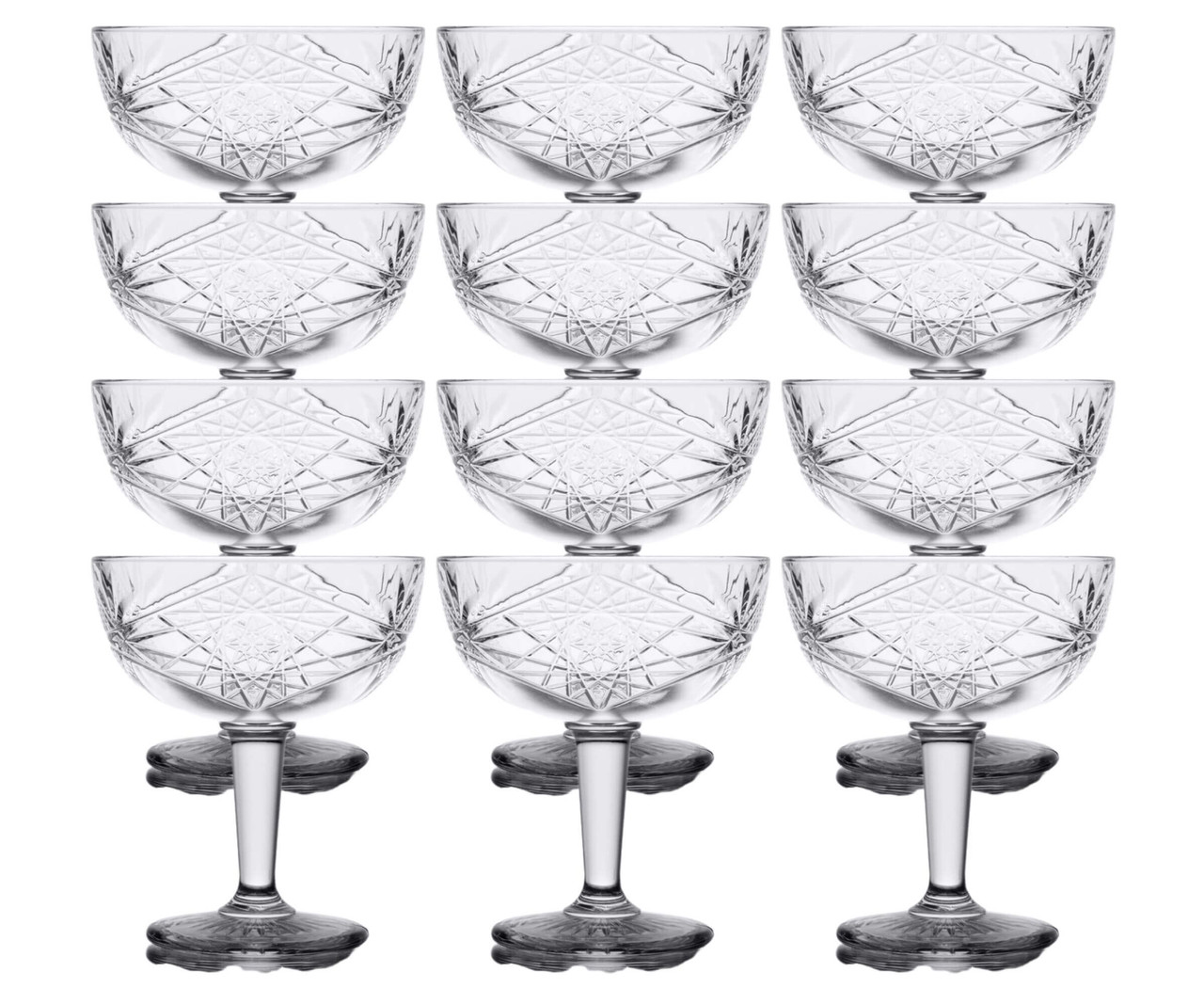
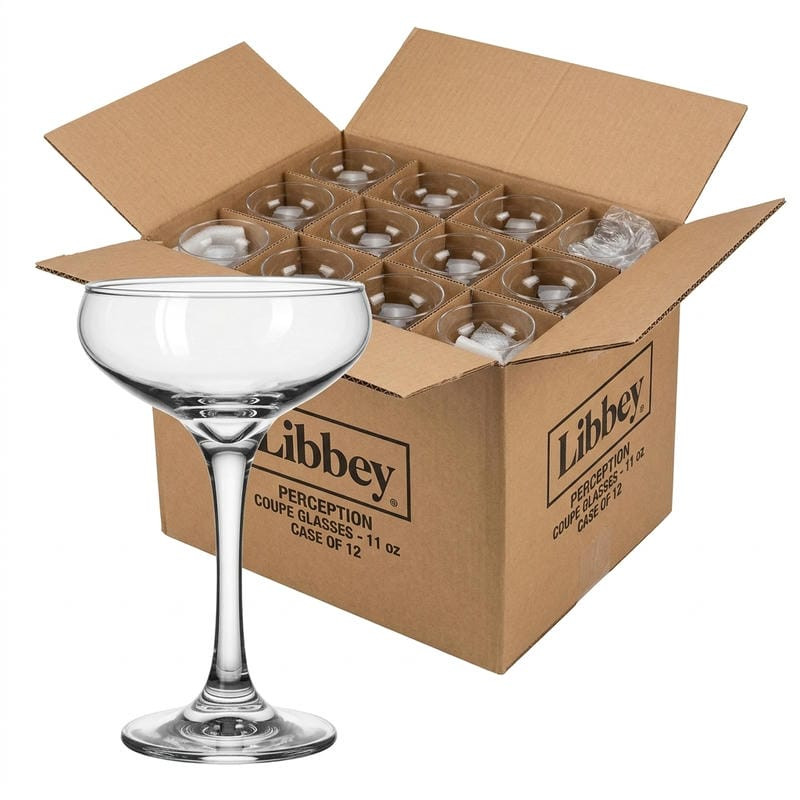
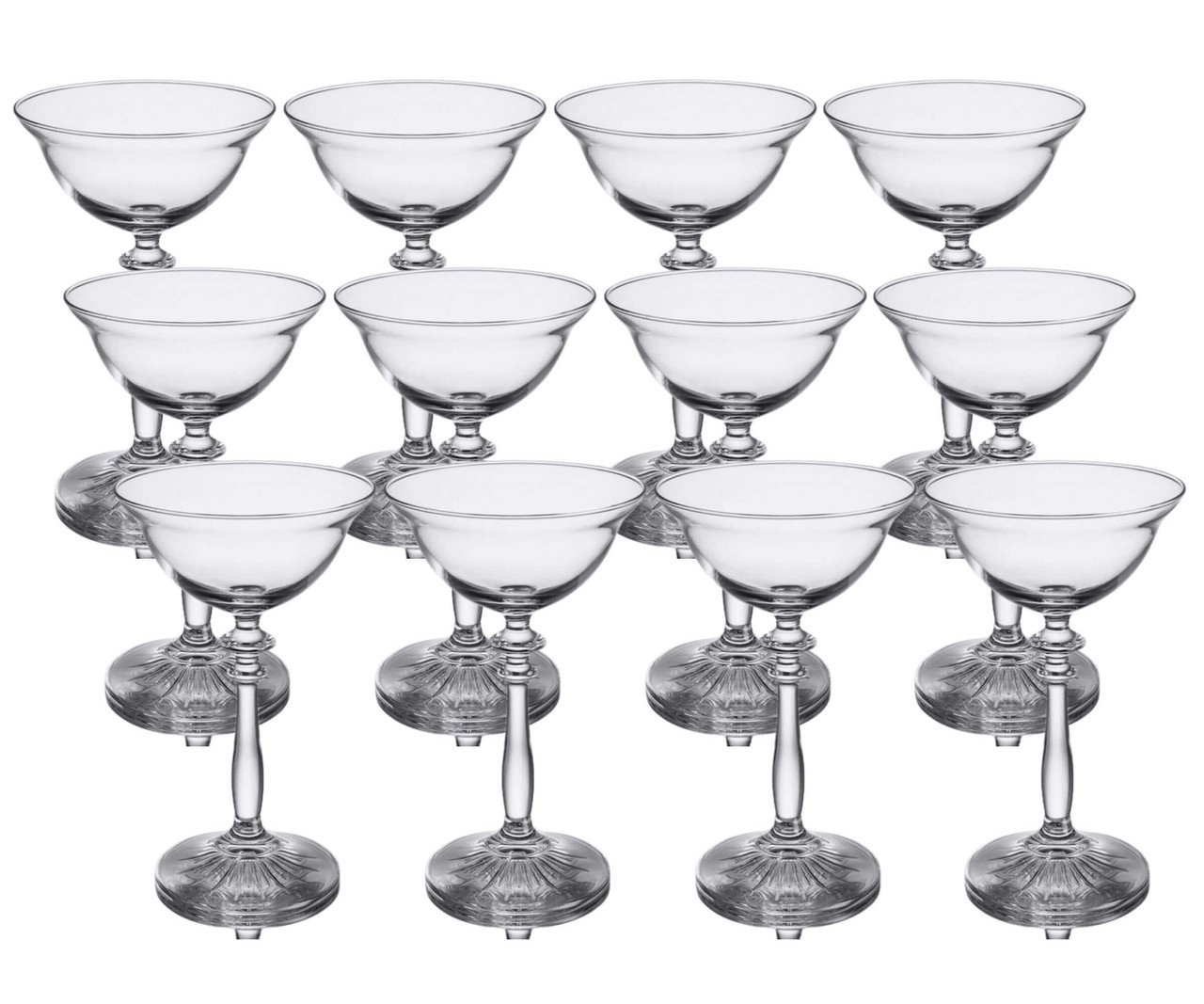
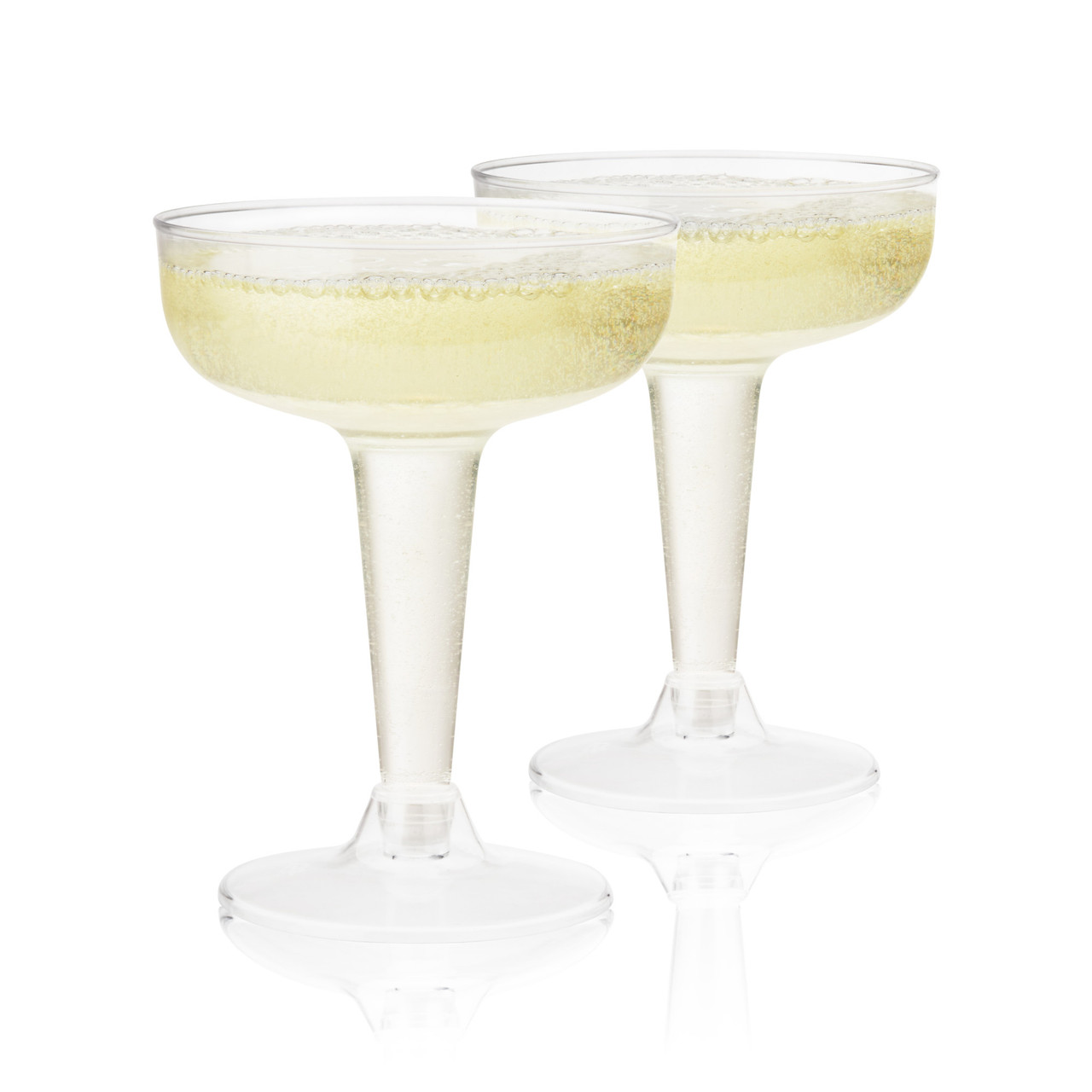
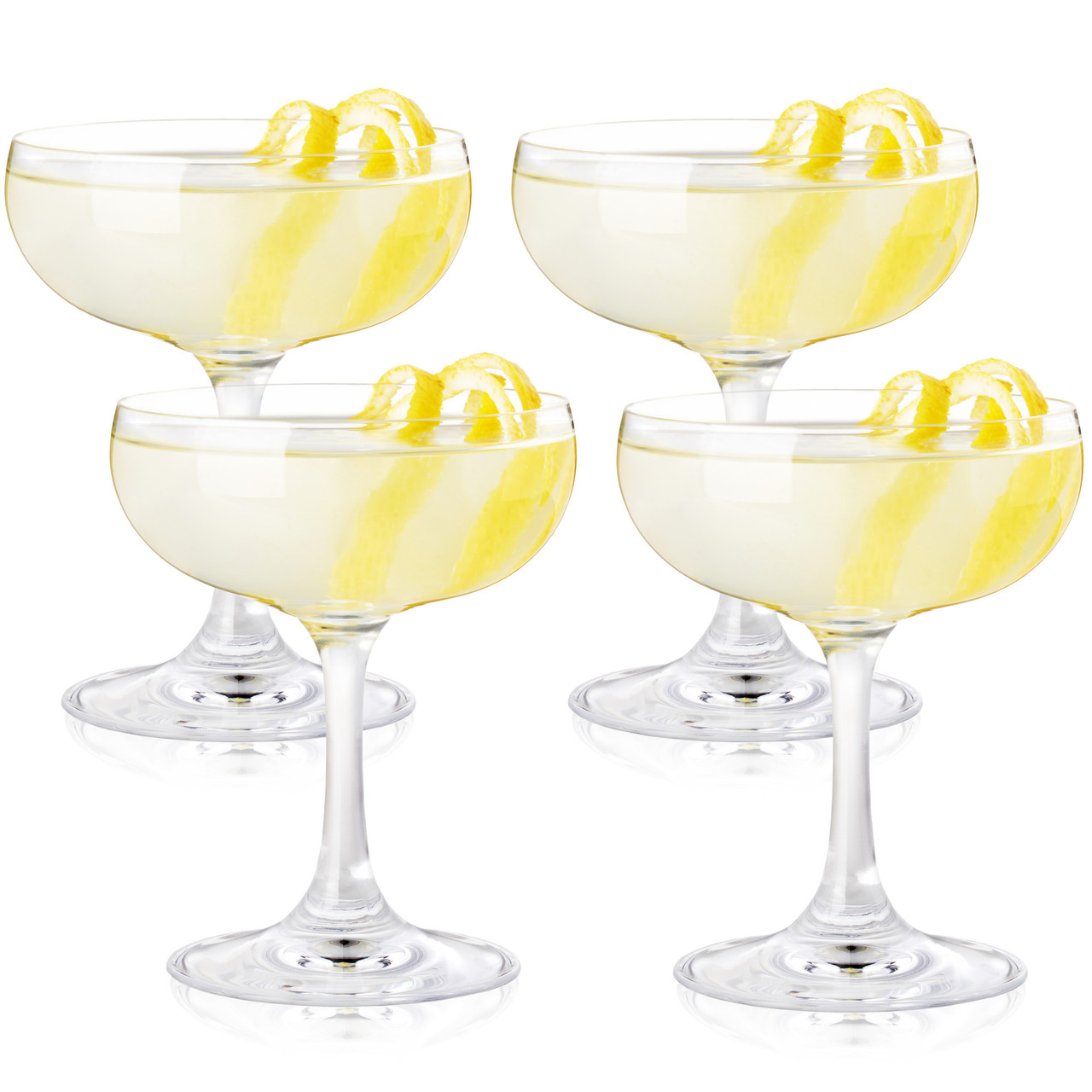
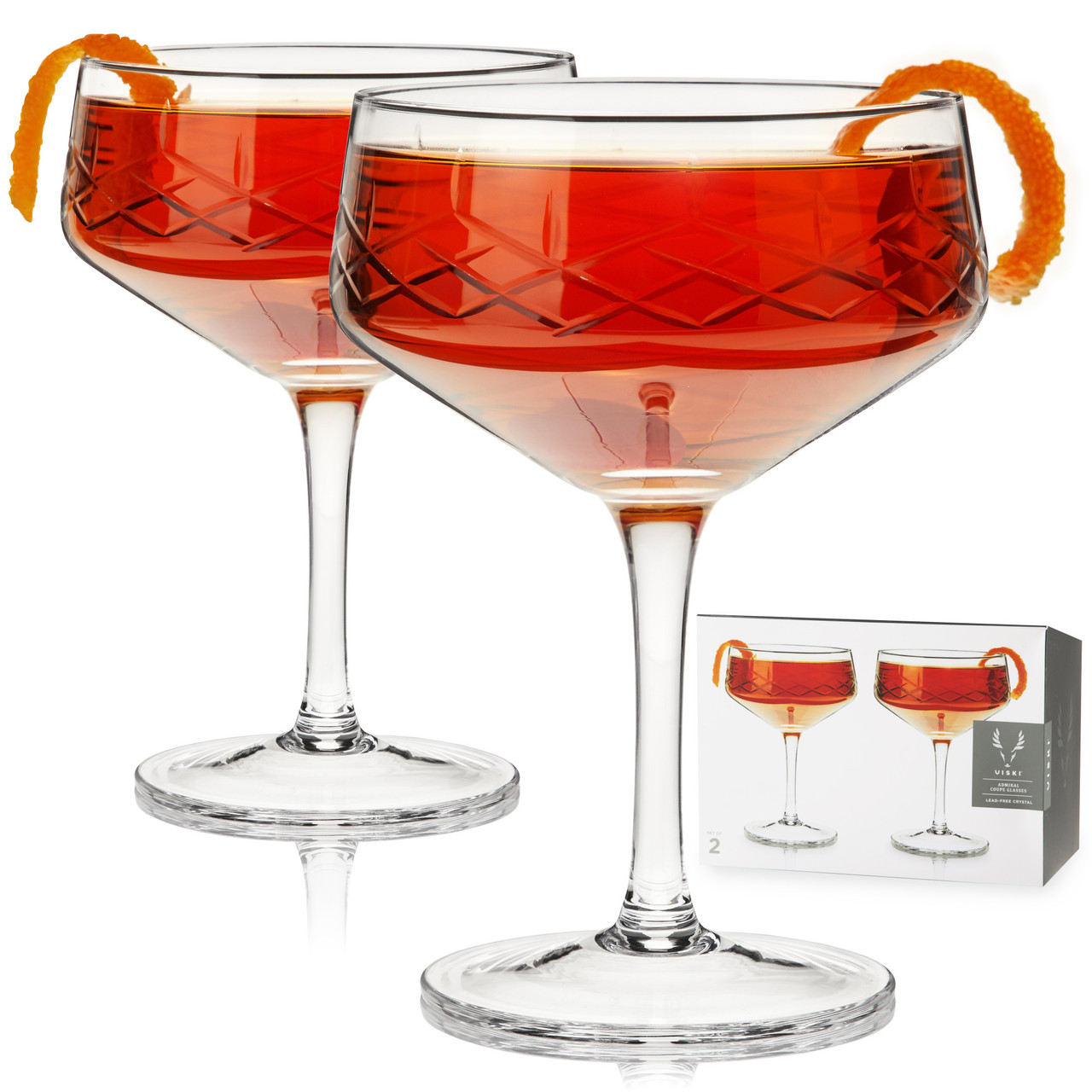
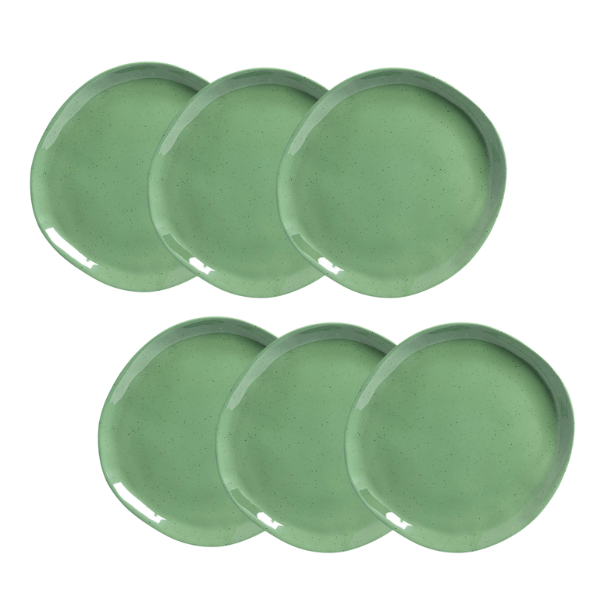
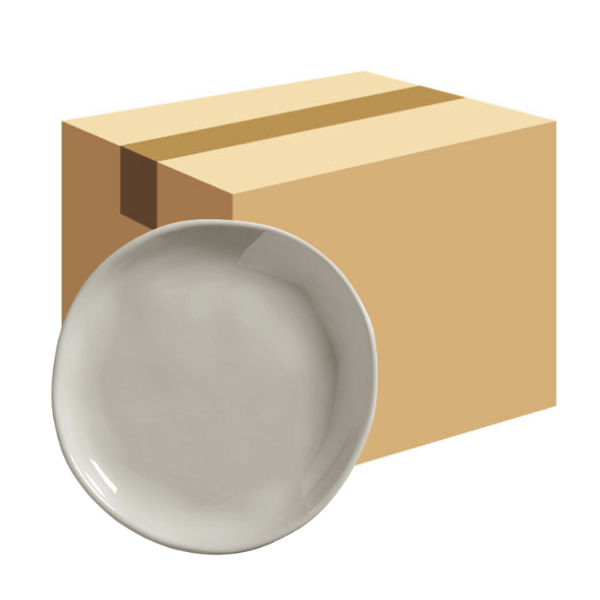

What Canadian hospitality operators say
What Canadian operators say about building their bar programs.
Switched our rooftop bar to Nick & Nora glasses last season. Fewer spills on the stairs and guests actually comment on how cold the drinks stay.
The Libbey Vintage coupes fit our 1920s-themed rental perfectly. Small capacity keeps pours consistent and guests love the aesthetic for photos.
Stocked melamine coupe plates for our lodge dining room. Survived two busy seasons with zero replacements, and Health Canada compliance was straightforward.
Martini Glass Selection: Frequently Asked Questions
The following operator questions are answered with cited sources. Every FAQ links to Health Canada, CFIA, Canada.ca, or another authoritative regulator.
Should my bar serve martinis in a V-shaped glass or a coupe?
Products referenced:
- Nick & Nora Glasses, Case Pack
- Coupe Glasses, Case Pack
- V-Shaped Martini Glasses, Case Pack
Source: Coupe Glasses - r/bartenders
What size martini glass should I buy for my bar?
Products referenced:
- Nick & Nora Glasses 6 oz, Case Pack
- Coupe Glasses 6 oz, Case Pack
Source: Advice Coupe Glass - r/cocktails
Which glassware brands hold up in a commercial bar?
Products referenced:
- Libbey Martini Glasses, Case Pack
- Anchor Hocking Cocktail Glasses, Case Pack
- Tempered Cocktail Glassware, Bulk
What are the best Nick and Nora glasses to buy?
Products referenced:
- Nick & Nora Glasses, Case Pack
- Libbey Cocktail Glasses, Case Pack
Are frosted glasses worth it for martini service?
Products referenced:
- Nick & Nora Glasses, Case Pack
- Coupe Glasses, Case Pack
- Glass Racks, Bulk
Does the shape of the glass actually change the martini?
Products referenced:
- Nick & Nora Glasses, Case Pack
- Coupe Glasses, Case Pack
- V-Shaped Martini Glasses, Case Pack
Source: A Guide to Martini Glassware: Coupe vs V-Shaped vs Nick & Nora - Liquor.com
How many martini and coupe glasses should a bar keep on hand?
Products referenced:
- Martini Glasses, Case Pack
- Coupe Glasses, Case Pack
- Glass Rack Extenders, Bulk
What other glassware does a martini program need beyond the basics?
Products referenced:
- Collins Glasses, Case Pack
- Rocks Glasses, Case Pack
- Coupe Glasses, Case Pack
- Glass Racks, Bulk
Source: Cocktail glasses - r/bartenders
Where can I buy martini and coupe glasses in bulk in Canada?
Products referenced:
- Libbey Martini Glasses, Case Pack
- Anchor Hocking Coupe Glasses, Case Pack
Why are martini glasses stemmed, and should cheaper stemless versions be on the menu?
Products referenced:
- Stemless Martini Glasses, Case Pack
- Nick & Nora Glasses, Case Pack
Source: A Guide to Martini Glassware: Coupe vs V-Shaped vs Nick & Nora - Liquor.com
Related guides from ChickenPieces
Why Canadian Hospitality Operators Choose ChickenPieces
Calgary-based supply with Canada-wide reach and compliance-first sourcing.
Western Canada Warehouse
Calgary distribution point reduces transit times and customs complications for Alberta, BC, Saskatchewan, and Manitoba operators.
Volume Case Pricing
Twelve-count and sixteen-count cases align with commercial par-level needs without requiring retail markup on individual units.
Rental-Grade Durability
Product selection prioritizes items that withstand turnover cleaning cycles and guest handling in short-term rental environments.
Federal Compliance Verified
All food-contact items meet Health Canada and CFIA requirements for commercial hospitality use, with documentation available for facility audits.
Sources & further reading
Request a Quote for Your Bar Program
Tell us your seating count, menu style, and service format. We will recommend capacities and quantities that fit your space and budget. Quotes include carrier options at checkout with live rates.
Request a QuoteReferences: Health Canada - Food Chemical Contaminants CFIA - Food Safety for Industry.