
2026 Apr 6th
Kikkoman Tamari for Sushi Restaurants in Canada for Canada
Kikkoman Tamari for Sushi Restaurants in Canada
⏱ 12 min read
Key Takeaways
- Tamari is brewed without wheat, making it a safe, gluten-free option for diners.
- Its thicker consistency and richer flavour profile make it ideal for dipping raw fish.
- Offering a premium gluten-free condiment builds trust and loyalty with dietary-restricted customers.
- Bulk purchasing of Kikkoman Tamari ensures consistent quality across multiple restaurant locations.
- Proper storage and handling are necessary to maintain the sauce's complex flavour notes.
From what we've seen supplying restaurants across Alberta from our Calgary warehouse, the demand for high-quality, allergen-friendly ingredients is no longer a passing trend—it is a fundamental requirement for hospitality success. For sushi operators, the choice of dipping sauce is just as critical as the freshness of the fish. Kikkoman Tamari has emerged as the gold standard for establishments looking to provide an authentic, premium experience while safely catering to gluten-sensitive patrons.
Table of Contents
- What is Tamari and How is it Made?
- How Does Tamari Compare to Regular Soy Sauce?
- Why Do Sushi Chefs Prefer Tamari for Dipping?
- What is the Gluten-Free Advantage for Your Menu?
- What Are the Canadian Foodservice Regulations to Consider?
- How Should You Manage Bulk Purchasing and Storage?
- Frequently Asked Questions
What is Tamari and How is it Made?
Tamari is a Japanese form of soy sauce that is characterized by its dark colour, thick consistency, and rich, complex flavour. Unlike standard soy sauce, which is brewed with a roughly equal mixture of soybeans and roasted wheat, tamari is made almost entirely from soybeans.
Historically, tamari originated as the dark, flavourful liquid that pooled on the surface of fermenting miso paste, capturing the concentrated essence of the fermented soybeans.
Today, premium brands like Kikkoman brew tamari specifically as a standalone product, utilizing a meticulous fermentation process that develops deep umami notes without the sharp, salty bite often associated with cheaper, chemically produced soy sauces.
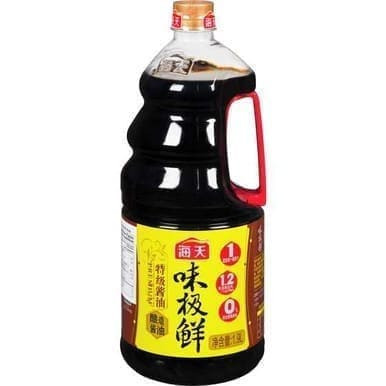
Tamari's dark colour and thick consistency make it a visually appealing dipping sauce.
How Does Tamari Compare to Regular Soy Sauce?
Understanding the distinction between these two condiments is vital for menu development and flavour profiling in a professional kitchen.
| Characteristic | Regular Soy Sauce (Shoyu) | Tamari |
|---|---|---|
| Primary Ingredients | Soybeans, Wheat, Water, Salt | Soybeans, Water, Salt (No Wheat) |
| Flavour Profile | Salty, sharp, slightly sweet | Rich, mellow, deep umami |
| Consistency | Thin and watery | Thicker, more viscous |
| Best Culinary Use | Cooking, marinades, stir-fries | Dipping (sushi/sashimi), finishing sauce |
The absence of wheat in tamari allows the pure, savoury notes of the fermented soybeans to take centre stage, providing a more balanced accompaniment to delicate foods.
For a sushi restaurant, offering both options allows diners to customize their experience, though many purists argue that tamari is the superior choice for raw preparations.
Why Do Sushi Chefs Prefer Tamari for Dipping?
The texture and flavour of tamari make it uniquely suited for sushi and sashimi. Its thicker viscosity means it clings to the surface of the fish and rice rather than immediately soaking in and causing the rice to fall apart.
A premium tamari enhances the natural sweetness of high-quality seafood without overpowering it with excessive sodium, respecting the integrity of the chef's ingredients.
Furthermore, the mellow flavour profile of Kikkoman Tamari acts as a bridge between the acidity of the seasoned sushi rice and the richness of the fish, creating a harmonious bite that elevates the entire dining experience.
What is the Gluten-Free Advantage for Your Menu?
Catering to dietary restrictions is a necessity in modern foodservice. Celiac disease and non-celiac gluten sensitivity are prevalent, and diners with these conditions are often the decision-makers when groups choose a restaurant.
By prominently featuring Kikkoman Gluten-Free Tamari on your menu, you signal to guests that your establishment takes their health and safety seriously, fostering immense customer loyalty.
Cross-contamination is a significant concern in commercial kitchens. Utilizing a dedicated gluten-free tamari for all dipping purposes simplifies service and reduces the risk of accidental exposure, providing peace of mind for both the kitchen staff and the patron.
Pairing high-quality sushi with premium tamari elevates the entire dining experience.
What Are the Canadian Foodservice Regulations to Consider?
Operating in Canada requires strict adherence to CFIA (Canadian Food Inspection Agency) regulations regarding allergen labelling. If a menu item is advertised as gluten-free, the ingredients used must meet rigorous standards.
Sourcing certified gluten-free products from reputable manufacturers like Kikkoman ensures compliance with provincial health authorities, such as Alberta Health Services, protecting your business from liability.
It is imperative that front-of-house staff are trained to communicate these options clearly to guests, and that back-of-house procedures are in place to prevent cross-contact with wheat-containing ingredients like tempura batter or standard soy sauce.
How Should You Manage Bulk Purchasing and Storage?
For high-volume sushi restaurants, purchasing tamari in bulk is a logistical necessity. Kikkoman offers large-format containers that are ideal for back-of-house use, allowing staff to easily refill smaller table-side dispensers.
To maintain the complex flavour profile of premium tamari, bulk containers should be stored in a cool, dark environment, away from the heat of the cookline or direct sunlight.
While the high sodium content prevents rapid spoilage, exposure to heat and light can degrade the colour and taste over time. Implementing a strict first-in, first-out (FIFO) inventory system ensures that your guests always experience the product at its peak quality.
Frequently Asked Questions
The following operator questions are answered with cited sources. Every FAQ links to Health Canada, CFIA, Canada.ca, or another authoritative regulator.
Is Kikkoman tamari gluten-free enough for celiac sushi guests?
Products referenced:
- CP-WEB-255-001
Source: Kikkoman Soy sauce... Gluten free. Is it????? - r/Celiac
Can I substitute tamari 1:1 for soy sauce in sushi rice and dipping sauces?
Products referenced:
- CP-WEB-255-002
Source: Tamari or Soy Sauce: How do you decide which bottle to use? - r/Cooking
Does Kikkoman tamari taste different from regular soy sauce for sushi dipping?
Products referenced:
- CP-WEB-255-003
Source: What's your favorite soy sauce brand with sushi? - r/sushi
Why do so many sushi restaurants use Kikkoman as their standard soy sauce?
Products referenced:
- CP-WEB-255-004
Source: Is this ok? - r/sushi
Is tamari worth the higher cost for sushi restaurants compared to regular soy sauce?
Products referenced:
- CP-WEB-255-005
Source: Is this ok? - r/sushi
What is the sodium content of Kikkoman tamari vs regular soy sauce?
Products referenced:
- CP-WEB-255-006
Source: Tamari vs. Soy Sauce: What's the Difference? - EatingWell
Do Canadian sushi restaurants need to label tamari as gluten-free on menus?
Products referenced:
- CP-WEB-255-007
Source: Allergen-free, gluten-free and cross-contamination statements - Canada.ca
Where can Canadian sushi restaurants buy bulk Kikkoman tamari?
Products referenced:
- CP-WEB-255-008
Source: Kikkoman Gluten Free Tamari Soy Sauce - A1 Cash and Carry
Can celiac customers safely eat sushi with Kikkoman tamari at my restaurant?
Products referenced:
- CP-WEB-255-009
What is the shelf life of Kikkoman tamari for restaurant use?
Products referenced:
- CP-WEB-255-010
Authoritative Sources
The following government and public-health sources informed the operator guidance above. Citations to Reddit, Quora, and operator forums appear in the FAQ block above.