
 US Dollar (USD)


2026 Apr 5th
Ice Cream Mix vs Soft Serve Mix: What's the Difference?
Ice Cream Mix vs Soft Serve Mix: What's the Difference?
⏱ 8 min read
Key Takeaways
- Soft serve mix typically contains less butterfat than traditional hard ice cream mix.
- The serving temperature of soft serve is warmer, which enhances flavour perception.
- Soft serve machines incorporate more air (overrun) into the mix during freezing.
- Powdered mixes offer significant storage advantages for Canadian foodservice operators.
- Using the correct mix for your specific machine prevents equipment damage and poor texture.
From what we've seen supplying restaurants across Alberta from our Calgary warehouse, choosing the right dessert base is a common challenge for new foodservice operators. Whether you are outfitting a bustling cafe in downtown Vancouver or a seasonal food truck in rural Saskatchewan, understanding the technical distinctions between ice cream mix and soft serve mix is essential for delivering a consistent, high-quality product to your customers.
Table of Contents
What is Ice Cream Mix?
Ice cream mix is a rich, dense base formulated to be frozen hard. It relies on a higher butterfat content to achieve its creamy mouthfeel and structural integrity when scooped. This mix is designed to be processed in a batch freezer, where it is churned and then hardened in a blast freezer before serving.
The formulation of hard ice cream prioritizes stability at very low temperatures, requiring specific stabilizers and emulsifiers to prevent the formation of large ice crystals during prolonged storage.
Because it is served at a much colder temperature, the flavours in hard ice cream must be concentrated. The density of the product means that a single scoop carries significant weight and richness, making it a staple in traditional parlours and high-end dining establishments.
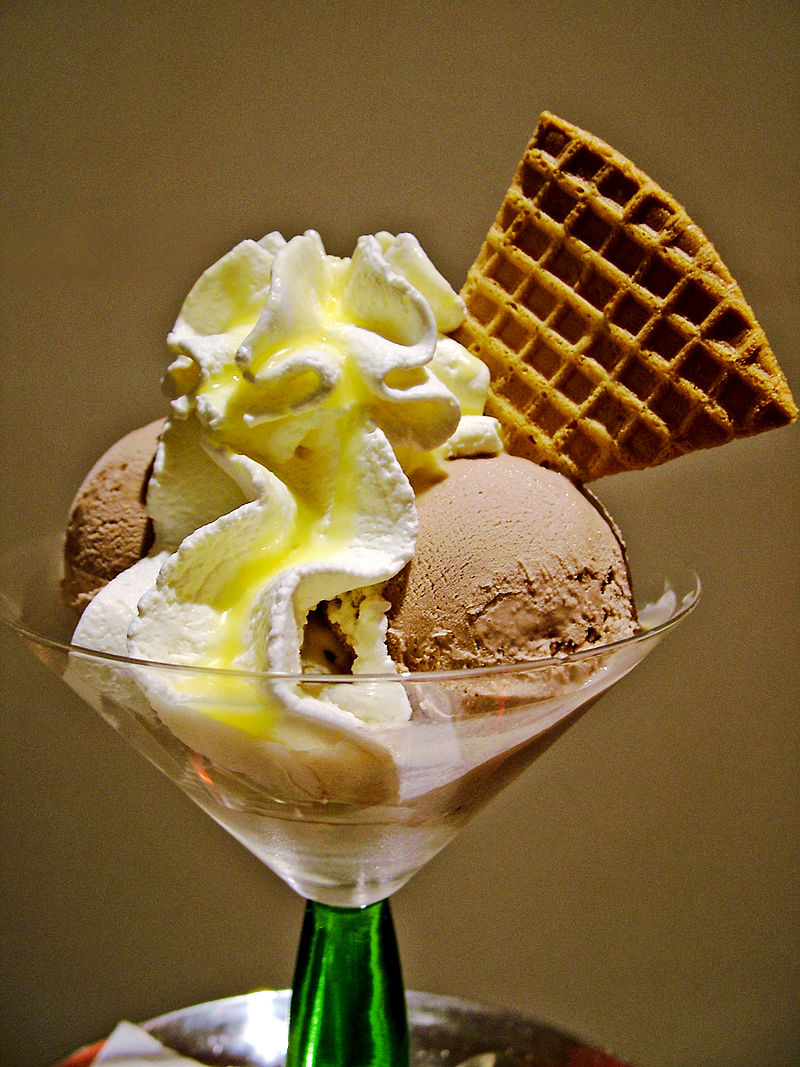
Traditional hard ice cream requires a dense mix with higher butterfat.
What is Soft Serve Mix?
Soft serve mix is engineered for immediate consumption straight from the machine. It is formulated with lower butterfat and specific stabilizers that allow it to maintain a smooth, extrudable consistency at warmer freezing temperatures. This mix is continuously churned and aerated within the machine's freezing cylinder.
Soft serve relies heavily on the precise incorporation of air during the freezing process, which not only increases the volume of the product but also contributes to its signature light and fluffy texture.
Available in both liquid and powder forms, soft serve mix provides versatility for operators. Powdered options, such as the popular Dole fruit flavours, are particularly convenient as they can be stored at room temperature until needed, reducing the strain on refrigerated storage space.
How Do Fat Content and Overrun Differ?
The technical distinction between these two products comes down to fat and air. Butterfat provides richness, while overrun (the percentage of air whipped into the mix) dictates the final volume and texture.
| Characteristic | Ice Cream Mix | Soft Serve Mix |
|---|---|---|
| Butterfat Content | Higher (typically 10% or more) | Lower (typically 3% to 6%) |
| Overrun (Air Content) | Lower (around 20% to 50%) | Higher (often 50% to 60%+) |
| Serving Temperature | Colder (approx. -15°C) | Warmer (approx. -5°C) |
| Texture | Dense, firm, scoopable | Light, airy, extrudable |
Balancing butterfat and overrun is critical; too much fat in a soft serve machine can cause churning issues, while too little air results in a heavy, unappealing product that lacks the classic soft serve mouthfeel.
Understanding this balance helps operators troubleshoot issues with their machines and ensures that the final product meets customer expectations for texture and flavour delivery.
Why Do Temperature and Texture Matter?
Temperature plays a profound role in how we perceive flavour. Because soft serve is dispensed at a warmer temperature than hard ice cream, the taste buds are not numbed as quickly. This allows the flavours to be perceived more intensely and immediately upon consumption.
The warmer serving temperature of soft serve means that flavour compounds are released more readily on the palate, requiring a different flavouring strategy compared to hard-packed ice cream.
Conversely, the colder temperature of hard ice cream provides a refreshing, lingering finish. The dense texture melts slowly, offering a prolonged tasting experience that contrasts with the rapid, melt-in-the-mouth sensation of soft serve.

Soft serve is dispensed at a warmer temperature, enhancing immediate flavour perception.
What Are the Considerations for Canadian Foodservice?
Operating a foodservice business in Canada presents unique logistical challenges. From navigating Alberta Health Services regulations to managing inventory across vast distances in Western Canada, the choice of dessert mix impacts daily operations. Powdered soft serve mixes are highly advantageous here, as they do not require refrigerated transport, mitigating the risks associated with cold chain logistics during harsh Canadian winters or hot summers.
Compliance with provincial health guidelines dictates strict temperature controls for dairy products; utilizing shelf-stable powdered mixes simplifies storage and reduces the risk of spoilage before preparation.
Furthermore, the CFIA maintains specific standards for dairy products. Opting for high-quality, compliant mixes ensures that your offerings meet regulatory requirements while satisfying the diverse dietary preferences of Canadian consumers, including the growing demand for lactose-free options.
How Do You Choose the Right Mix for Your Equipment?
Selecting the appropriate mix is not just about flavour; it is about equipment compatibility. Soft serve machines are calibrated to handle specific viscosities and freezing points. Using a dense hard ice cream mix in a soft serve machine can overwork the auger, freeze the cylinder solid, and ultimately cause expensive mechanical failures.
Always consult your equipment manufacturer's specifications before introducing a new mix, as the internal mechanics are finely tuned to process specific ratios of water, sugar, and fat.
For operators looking to expand their menu, exploring versatile options like Frostline or Dole mixes provides a reliable, consistent product that performs well in commercial soft serve equipment without the complications of handling raw dairy bases.
Frequently Asked Questions
Can I use ice cream mix in a soft serve machine?
It is generally not recommended to use standard ice cream mix in a soft serve machine without modification, as the fat content and stabilizers are formulated differently, which can cause freezing issues or damage the equipment.
What is the main difference between ice cream mix and soft serve mix?
The primary difference lies in the butterfat content and the amount of air incorporated during freezing. Soft serve mix typically has lower butterfat and is designed to hold more air, resulting in a lighter, smoother texture.
Does soft serve mix contain dairy?
Many traditional soft serve mixes contain dairy, but there are numerous lactose-free and vegan options available on the market today, such as fruit-flavoured Dole mixes.
How long does liquid soft serve mix last?
Unopened liquid soft serve mix can often be stored at room temperature for several months. Once opened, it must be refrigerated and typically used within a few days.
Is powder soft serve mix better than liquid?
Powder mix offers a longer shelf life and does not require refrigeration until mixed with water, making it highly convenient for storage and transport, though some operators prefer the immediate readiness of liquid mix.
What temperature should soft serve be served at?
Soft serve is typically dispensed at a slightly warmer temperature than hard ice cream, usually around -4°C to -6°C, which contributes to its characteristic soft texture.
Can I freeze leftover soft serve mix?
Freezing liquid soft serve mix before it goes into the machine is not advisable, as it can alter the emulsion and result in an icy or separated final product.
Why is my soft serve coming out icy?
Icy soft serve can be caused by an incorrect water-to-powder ratio, insufficient freezing time, or a machine that is not incorporating enough air into the mixture.
Are there gluten-free soft serve mixes?
Yes, many soft serve mixes, particularly fruit-flavoured ones, are naturally gluten-free, but it is always important to check the manufacturer's specifications to be certain.
How do I clean a soft serve machine?
Cleaning involves draining remaining mix, flushing the system with water, disassembling the parts, washing them with a specialized sanitizing solution, and reassembling with food-grade lubricant.
Products Mentioned in This Post
Ready to upgrade your dessert menu? Browse our full selection of commercial dessert bases and find the perfect fit for your equipment. Shop Soft Serve Mixes Here.
For more insights on optimizing your dessert offerings, check out our guide on Powder vs Liquid Soft Serve Mix for Canadian Food Trucks.