
2026 Aug 16th
Complete Hockey Arena Canteen Stocking Guide for Season
A hockey arena canteen needs three foundations before opening: trained staff with food handler certification, equipment that holds hot foods above 60°C and cold items below 4°C, and inventory matched to mid-October through late February demand patterns. Digital payment acceptance is now standard.
Complete Hockey Arena Canteen Stocking Guide for Season Openers
Arena and recreation centre operators need reliable concession planning to keep hockey families served through cold months without operational gaps.
Key Takeaways
Six practical points to get your concession stand running smoothly from first puck drop.
Name a Committee Chair
Appoint one organized person to coordinate volunteers, track inventory, and manage funds. This single point of contact prevents shift gaps and stockouts during busy tournament weekends.
Require Food Handler Training
Your chair and any staff handling product need certification, typically through a quick online course from your provincial health authority. This is mandatory, not optional.
Accept Digital Payments
Mobile card readers, Venmo, or PayPal capture sales from cashless customers. Parents at the rink rarely carry bills; missing their purchase means lost revenue every game.
Stock High-Margin Staples
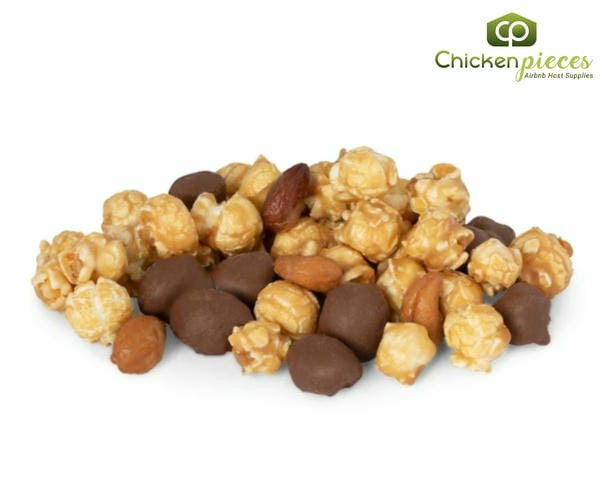
Popcorn creates aromatic impulse purchases with strong margins. Hot chocolate and slushy drinks move fast in cold rinks and warm viewing areas alike.
Follow Temperature Rules
Hot foods stay above 60°C, refrigerated items at 4°C or below, frozen goods at -18°C. Provincial inspectors enforce these federal standards without exception.
Plan Youth Worker Shifts
Workers aged 14 may start, but provincial rules limit weekday shifts to three hours. Build your schedule around these constraints before posting the roster.
Build Your Concession Team Early
Volunteer-run canteens need clear leadership and compliant scheduling.
Every successful arena canteen starts with one person in charge. The committee chair coordinates volunteers, manages stock levels, and keeps financial records straight. Without this anchor, weekend tournaments overwhelm part-time staff and product runs out mid-game. Choose someone who has organized events before and can handle parent questions without escalation.
Food handler certification is non-negotiable for anyone in a supervisory role. Most provinces offer quick online courses through local health departments, and the certificate lasts several years. Build this into your onboarding timeline so new chairs are not scrambling during first-week operations. Keep copies of all certifications in a binder for health inspector visits.
Youth workers keep labour costs manageable, but provincial employment standards set strict limits. Ages 14 to 15 face three-hour caps on weekdays, though weekend shifts can run longer. Track birthdates carefully in your scheduling system. Workers must also handle order-taking, payment processing, and cleaning duties, so maturity matters as much as availability.
Equip for Cashless Customers
Modern concession stands need multiple payment channels.
Digital payment acceptance is now baseline expectation at recreational venues. Mobile card readers process tap and chip transactions through tablets or dedicated terminals. Some Calgary-area associations also run Venmo or PayPal accounts for quick parent purchases without hardware overhead. Choose what matches your volunteer comfort level, but offer at least two cashless options.
Cash handling still matters for older volunteers and small transactions. Equip each shift with a locking cash box, calculator, and simple receipt system. Reconcile at shift end every single time, with the committee chair reviewing discrepancies within 24 hours. This discipline catches errors before they become patterns.
Payment processing fees vary by provider and transaction type. Build these costs into your margin calculations when setting menu prices. Some associations absorb the fee; others add a small surcharge for card payments. Be transparent with customers either way, and post your policy on the menu board to avoid intermission arguments.
Meet Federal Food Temperature Standards
CFIA rules apply to every canteen, regardless of size or volunteer status.
The Canadian Food Inspection Agency sets clear temperature thresholds for all food businesses. Hot foods must remain above 60 degrees Celsius during service. Cold foods stay at 4 degrees Celsius or below. Frozen storage requires negative 18 degrees Celsius. These are not guidelines; they are legal requirements enforced through provincial and territorial health authorities.
Your Preventive Control Plan documents how you meet these standards. Even small volunteer operations fall under Safe Food for Canadians Regulations if they sell to the public. Traceability records show where product originated and where it went, critical during any recall event. Health Canada microbiological and chemical standards further control additives and contaminants in what you serve.
Equipment maintenance supports compliance. Check refrigerator seals monthly, calibrate thermometers weekly, and log temperatures at opening and mid-shift. Staff should know immediately which cooler holds which temperature zone. Post a simple cheat sheet at each station so volunteers do not guess during busy periods.
Match Stock to Season Demand
Hockey season runs mid-October through late February; plan accordingly.
Youth hockey associations run concession stands from mid-October through late February, covering the full regular season. This concentrated window means your inventory must arrive ready, not trickling in through November. Peak demand hits tournament weekends when multiple teams share the facility and families stay for six to eight hours.
Hot chocolate and warm popcorn dominate cold-arena sales. The aromatic pull of fresh popcorn drives impulse purchases parents did not plan. Slushy drinks counter overheated viewing areas. These items move faster than standard packaged snacks and justify the equipment investment. Plan your opening order around proven sellers rather than untested novelty items.
Bulk sizing reduces per-unit cost and packaging waste. Popcorn kernels, hot chocolate powder, and slushy concentrate store well in dry conditions. Check best-before dates against your season length before committing to large formats. Nothing erodes volunteer morale like throwing out stale product in January because the September order was too optimistic.
Select Reliable Concession Hardware
The right machines keep product moving during intermission rushes.
Popcorn equipment defines the arena canteen experience. A 12 to 14 ounce popper with matched all-in-one kits simplifies volunteer training and guarantees consistent output. These kits include pre-portioned kernels, oil, and seasoning, eliminating guesswork during rush periods. The aroma itself is a marketing tool that draws customers from across the facility.
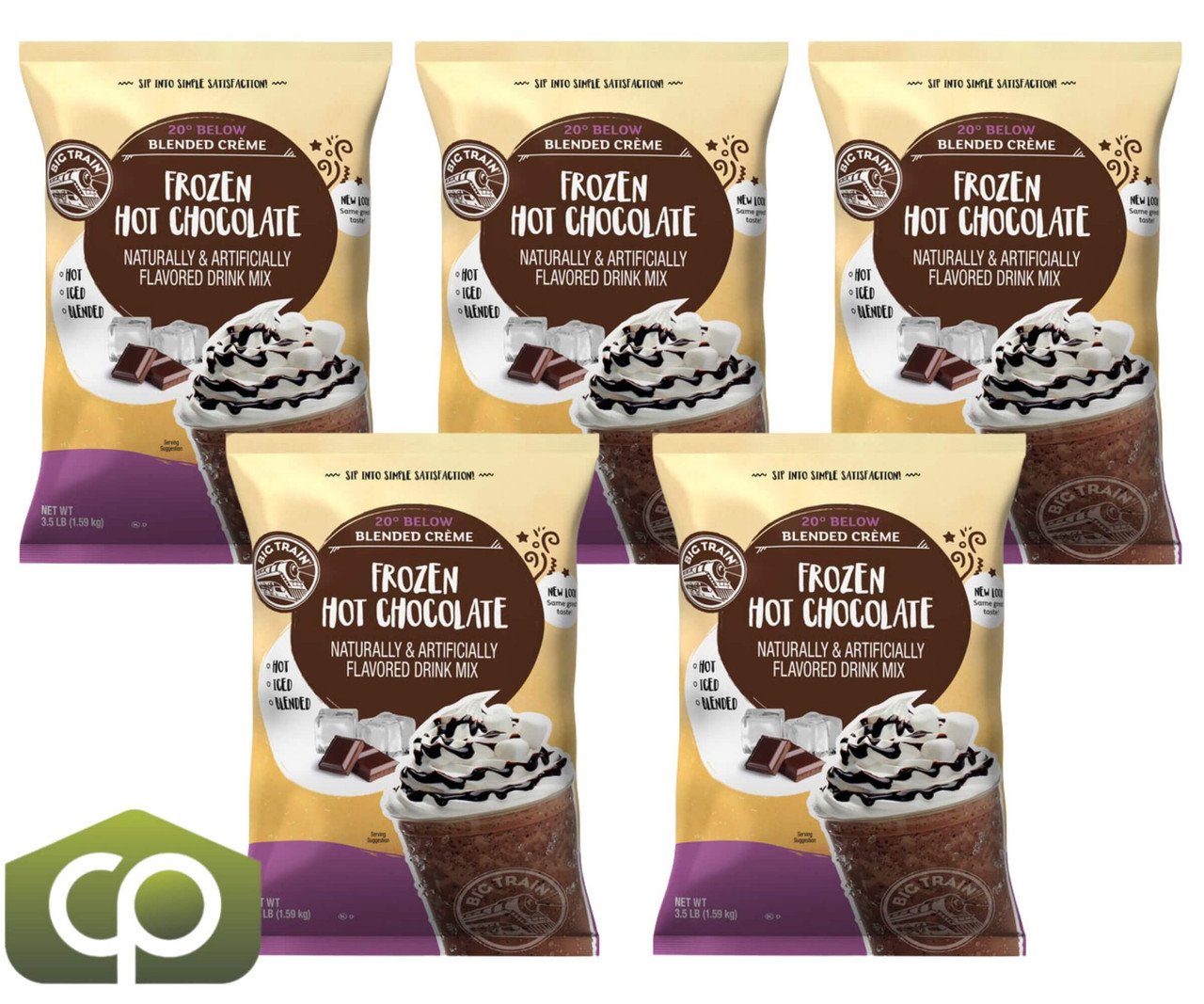
Hot chocolate systems need reliable temperature hold without scalding. Bean-to-cup powder dispensers or bulk mix machines serve different volume needs. Individual portion packs reduce waste for low-traffic weekday games. Bulk systems with thermal carafes suit tournament weekends when demand spikes between periods. Match your equipment to your typical crowd, not your maximum hope.
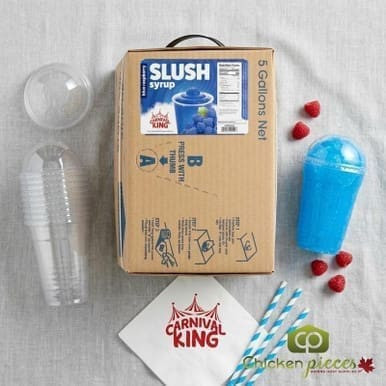
Frozen drink machines require dedicated electrical and cleaning protocols. The 5:1 concentrate ratio is standard for slushy systems, but verify your machine's specification before ordering. Daily cleaning prevents bacterial buildup in lines and keeps product texture consistent. Build this into shift-end duties, not weekly maintenance, to avoid health violations.
Invest in Concession Management Training
Industry certification raises operational standards across your team.
Professional certification establishes consistent standards across stadium, arena, and recreational venue operations. The Certified Concession Manager program covers food safety, inventory management, and customer service in a recreational foodservice context. Even one CCM-trained leader on your committee improves decision-making and inspector interactions.
Educational partnerships through industry associations provide training resources most volunteer organizations never access. Topics include allergen management, emergency response, and seasonal staffing patterns. These programs supplement provincial food handler courses with operational depth. Your chair benefits from both the technical knowledge and the peer network.
Regional seminars and industry events connect Calgary operators with suppliers and colleagues facing identical challenges. Best practices for winter sports facilities differ from summer stadium operations. Learning from peers in similar climates and building types saves trial-and-error costs. Build a small travel budget for your chair to attend one event annually.
Concession Stand Setup Comparison
Compare three approaches to stocking and operating your arena canteen.
| Setup Approach | Staffing Needs | Equipment Investment | Best For |
|---|---|---|---|
| Minimal Volunteer | Parent rotation, no chair | Basic popper, cash box | Single-team, low-traffic rinks |
| Structured Volunteer | Designated chair + youth workers | Popper, hot drink station | Association-run, regular season |
| Semi-Professional | Paid manager + volunteer pool | Full equipment line | Multi-pad facilities, tournaments |
| Popcorn-Focused Menu | Two volunteers per shift | 12-14 oz popper, bulk storage | High-margin, simple operations |
| Full Beverage Program | Three volunteers per shift | Popper, hot cocoa, slushy machine | Extended hours, diverse crowds |
| Digital-First Payment | Volunteers with phone readers | Card readers, accounting app | Cashless parent demographics |
| Certified Manager Led | CCM-trained chair + staff | Standard or full equipment | Inspection-heavy jurisdictions |
Arena Canteen Essentials
Bulk formats and concession-grade products built for high-volume recreational service.
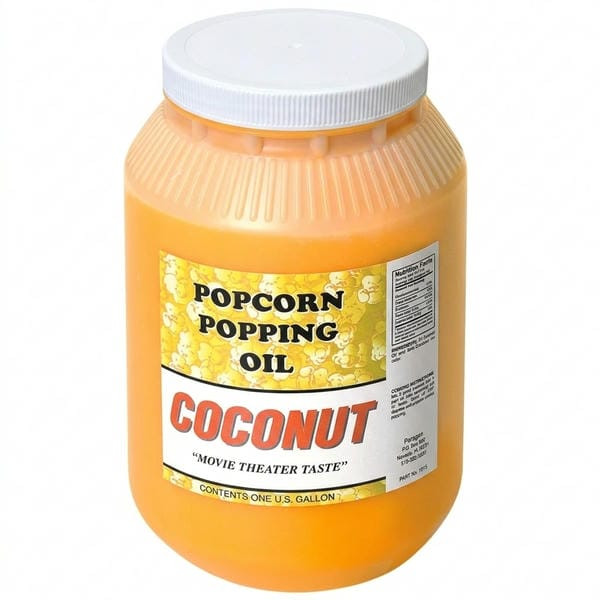

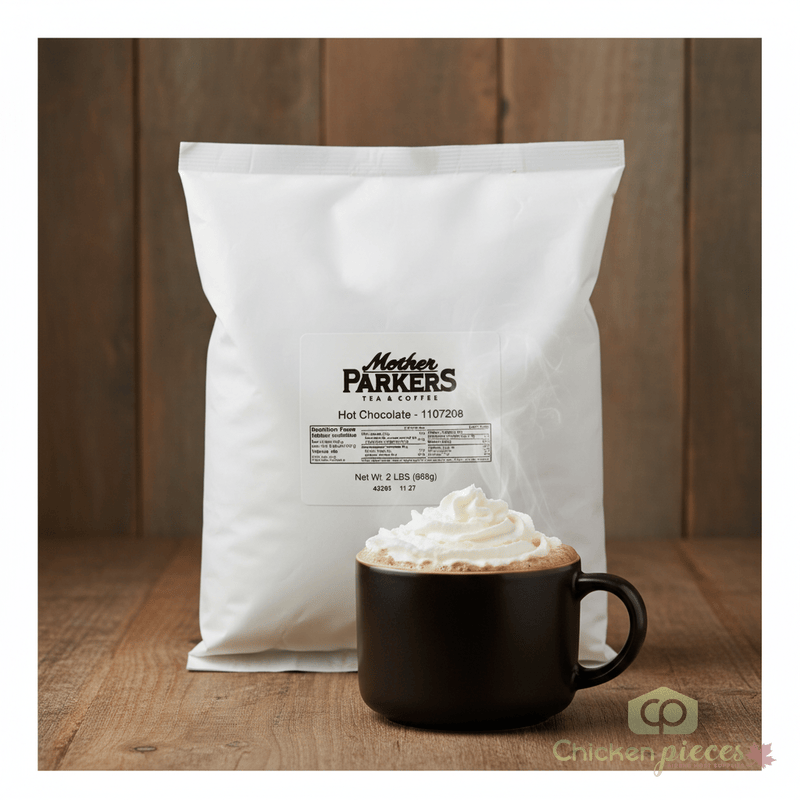

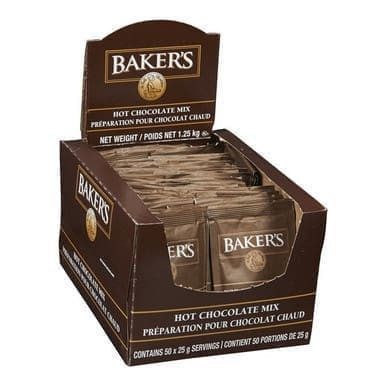

What Canadian Facility operators say
Facility operators across Canada rely on these products for smooth season operations.
The all-in-one popcorn kits cut our volunteer training time in half. New parents could run the popper confidently by second intermission. We sold out at every tournament weekend.
Switching to bulk hot chocolate powder from single-serve saved us hours of cleanup. The bean-to-cup system kept product hot and smooth through triple-header Saturdays.
Blue raspberry slushy was our surprise hit. Parents bought it for kids while grabbing hot chocolate themselves. The 5-gallon concentrate lasted most of the season without reordering.
Canteen Operations: Frequently Asked Questions
The following operator questions are answered with cited sources. Every FAQ links to Health Canada, CFIA, Canada.ca, or another authoritative regulator.
What food should a hockey arena canteen sell?
Products referenced:
- Frozen French Fries, Case Pack
- Hot Dogs, Case Pack
- Burger Patties, Case Pack
- Paper Food Wraps, Bulk
Source: What's the best concession food you've had at a hockey arena? - r/AskACanadian
What are the most profitable concession stand foods?
Products referenced:
- Popcorn Kernels, Bulk Bags
- Nacho Chips and Cheese, Case Pack
- Soft Pretzels, Frozen, Case Pack
Source: What is the most profitable concession stand food? - Quora
What equipment does a small canteen need for hot food?
Products referenced:
- Hot Dog Roller Grills, Bulk
- Hot Dog Steamer Units, Bulk
- Hot Dog Sleeves, Case Pack
Source: Best Concession Hot Dog Cookers for Quick Service Stands - Fueled by Carrots
Can a canteen rent concession equipment instead of buying it?
Products referenced:
- Popcorn Machines, Rental
- Cotton Candy Machines, Rental
- Popcorn Kits, Case Pack
What do hockey players and parents actually want after a game?
Products referenced:
- Frozen Chicken Wings, Case Pack
- Breakfast Sandwich Components, Case Pack
- Chocolate Milk, Case Pack
Source: What's your post-game meal/food of choice? - r/hockeyplayers
What drinks and cups should a canteen stock for a hockey season?
Products referenced:
- Bottled Water, Case Pack
- Hot Chocolate Mix, Bulk
- Cups with Lids, Case Pack
Source: What's the best concession food you've had at a hockey arena? - r/AskACanadian
How do I stock a canteen for a whole season without running out mid-tournament?
Products referenced:
- Frozen French Fries, Case Pack
- Hot Dogs, Case Pack
- Condiment Packs, Case Pack
What is the most successful small business model for a small-town canteen?
Products referenced:
- Deep Fryer, Commercial, Bulk
- Slush Syrup, Case Pack
- Fryer Oil, Case Pack
Source: What is the most successful business to own in a small town? - r/smallbusiness
What supplies do volunteers need on hand for game days?
Products referenced:
- Condiment Portion Packs, Case Pack
- Food Trays, Case Pack
- Nitrile Gloves, Case Pack
- Sanitizer, Case Pack
Source: Most Popular Concession Stand Foods - The Profitability Guide
Related guides from ChickenPieces
Why Facility Operators Choose ChickenPieces
Calgary-based supply with Canadian compliance built into every product.
Bulk Format Focus
We stock case sizes and pails that match recreational venue volumes, reducing reorder frequency and packaging waste through busy tournament seasons.
Concession-Grade Specs
Every product is selected for commercial equipment compatibility, from 12-14 ounce popper kits to 5:1 slushy concentrates.
Seasonal Timing Support
Our team understands hockey season windows and helps you receive inventory before October rush, not during it.
Federal Safety Alignment
Temperature-critical products ship with handling guidance that supports your Health Canada and CFIA compliance obligations, including documentation for your Preventive Control Plan.
Sources & further reading
- How to Run a Successful Concession Stand — SignUp.com
- Concessions Stand Operations Guide — St. Francis Youth Hockey Association
- Industry Standards and Professional Development in Concessions — National Association of Concessionaires
- Food Safety Standards for Canadian Concession Operations — Canadian Food Inspection Agency (CFIA) and Health Canada
Request Your Season Opening Quote
Tell us your facility size and expected tournament schedule. We will assemble a tailored product list that gets your canteen ready before first puck drop. No delivery speed claims, just reliable freight options you compare at checkout.
Request a QuoteReferences: Health Canada - Food Chemical Contaminants CFIA - Food Safety for Industry.