
2026 Jul 18th
Ontario Quebec EPR Packaging Compliance Guide For Facility
Ontario and Quebec have enacted EPR laws for foodservice packaging. Operators must shift to compliant materials like paper and biodegradable options. We supply certified containers that meet these new regulatory standards immediately.
Ontario Quebec EPR Packaging Compliance Guide For Facility Managers
Facility operators in Ontario and Quebec must adapt to live Extended Producer Responsibility laws. This guide outlines required packaging changes and supplier options for immediate operational updates.
Key Takeaways
These points summarize the core requirements for your facility's packaging transition.
EPR Definition Clarified
Extended Producer Responsibility shifts waste management costs to producers. You must select suppliers who manage this burden. This reduces your direct liability for end-of-life packaging disposal.
Ontario Specific Rules
Ontario requires detailed reporting on packaging volumes sold. Facilities must track usage data carefully. We provide documentation support to help you meet these specific provincial filing requirements without extra administrative work.
Quebec Unique Standards
Quebec focuses heavily on material composition limits. Plastic content restrictions are strict here. Choose paper-based alternatives from our catalog to ensure full alignment with Quebec's environmental protection regulations effectively.
Material Shift Urgency
Transitioning from plastic to paper is no longer optional. Biodegradable options offer a safe path forward. We stock high-volume paper containers that replace traditional plastics while maintaining durability for your daily operations.
Supplier Verification Needs
Verify your supplier handles EPR registration and fees. This prevents unexpected charges later. Our partnership ensures you receive products with full compliance documentation, protecting your business from potential regulatory audits or fines.
Inventory Planning Tips
Stock compliant items before mandatory dates arrive. Avoid shortages of approved materials. We maintain large case quantities of kraft paper and biodegradable containers to keep your facility running smoothly during the transition period.
What Extended Producer Responsibility Means For You
Learn how new laws change who pays for packaging waste management.
Extended Producer Responsibility is a policy approach where producers assume responsibility for the treatment or disposal of post-consumer products. In Ontario and Quebec, this now applies strictly to foodservice packaging items. As a facility operator, you are indirectly affected by these shifts in supply chain liability structures.
The goal is to reduce environmental impact through better design and recycling. Producers must now cover costs associated with collection and processing. This changes how you evaluate suppliers. You need partners who absorb these regulatory burdens rather than passing them on as separate line items.
Compliance is mandatory for all businesses operating in these provinces. Failure to adhere can result in significant penalties. Understanding the scope helps you prioritize inventory changes. Focus on replacing non-compliant plastics with approved paper alternatives immediately.
Navigating Ontario Packaging Regulations And Reporting
Ontario demands precise data tracking and specific material transitions for compliance.
Ontario’s framework requires detailed reporting on the weight and type of packaging sold. Facilities must understand what qualifies as foodservice packaging under these rules. This includes containers, lids, utensils, and cups used for takeaway meals. Accurate categorization is vital for your supplier's reporting obligations.
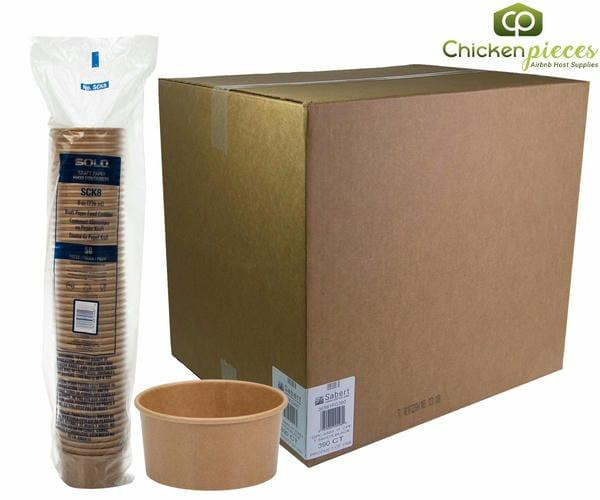
The province mandates a shift away from hard-to-recycle materials. Multi-layered plastics are increasingly restricted. Paper-based solutions offer a clearer path to compliance. We provide kraft paper containers that meet these standards while offering practical benefits for hot and cold food service.
Suppliers must register with the provincial stewardship organization. This ensures your purchased goods contribute correctly to the system. When you buy from us, you are buying pre-compliant stock. This simplifies your operational workflow and removes the need for complex internal audits.
Meeting Quebec Material Composition And Limits
Quebec enforces strict limits on plastic content in foodservice packaging items.
Quebec focuses intensely on the physical composition of packaging materials. The regulations limit the percentage of plastic allowed in certain items. This makes pure paper and biodegradable options highly desirable for your inventory. We stock items specifically designed to meet these rigorous material standards.
The province aims to increase recycling rates significantly. Paper products generally have higher recycling acceptance than mixed-material plastics. Switching to our kraft paper range helps you align with these goals. It also demonstrates environmental responsibility to your customers and stakeholders.
Compliance deadlines are firm and non-negotiable. Delaying the transition risks supply disruptions. We ensure a steady flow of Quebec-compliant packaging. This stability allows you to focus on service quality rather than regulatory uncertainty during this critical period.
Choosing Compliant Paper And Biodegradable Alternatives
Paper and biodegradable materials offer safe, compliant replacements for traditional plastics.
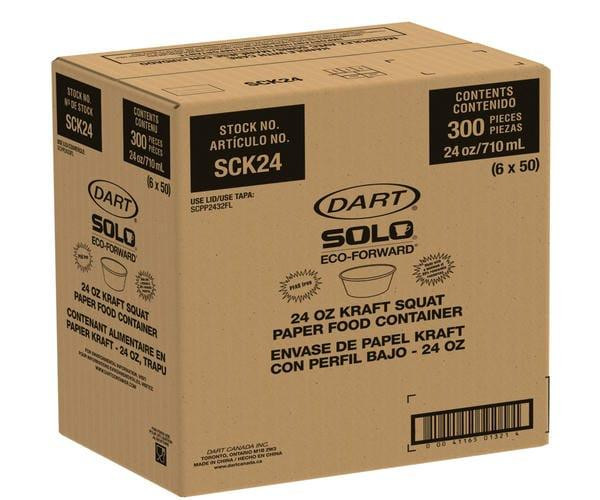
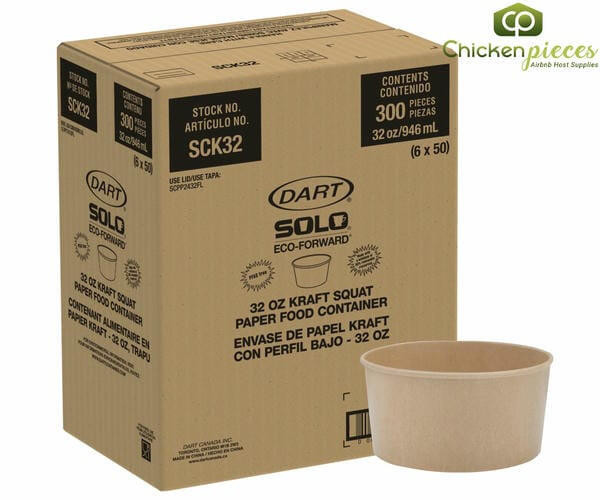
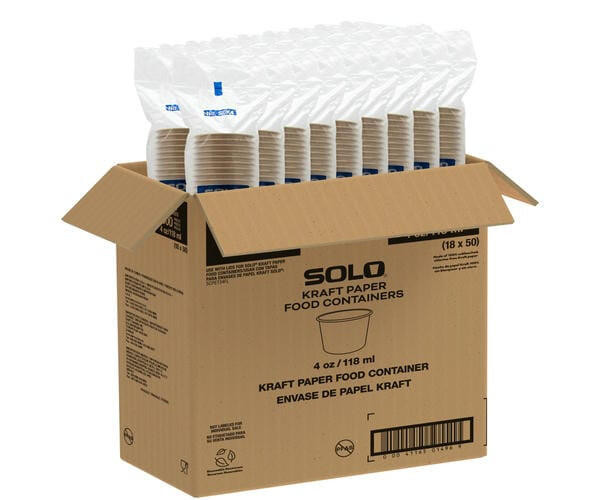
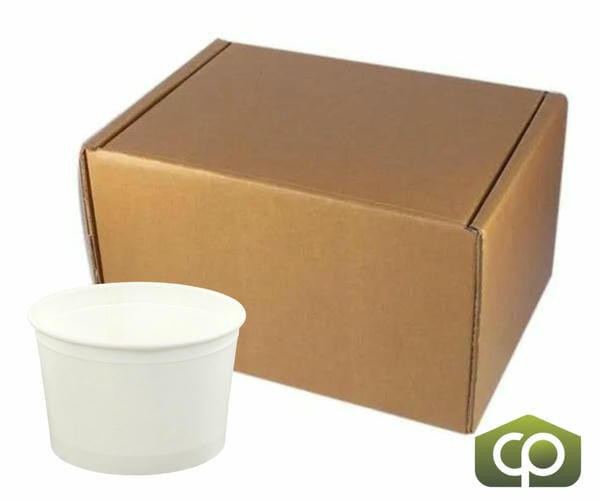
Kraft paper is a versatile and widely accepted material. It provides strength and heat resistance for various food types. Our double-sided poly paper options offer extra protection against moisture. This ensures your food stays fresh while meeting regulatory requirements for recyclability.
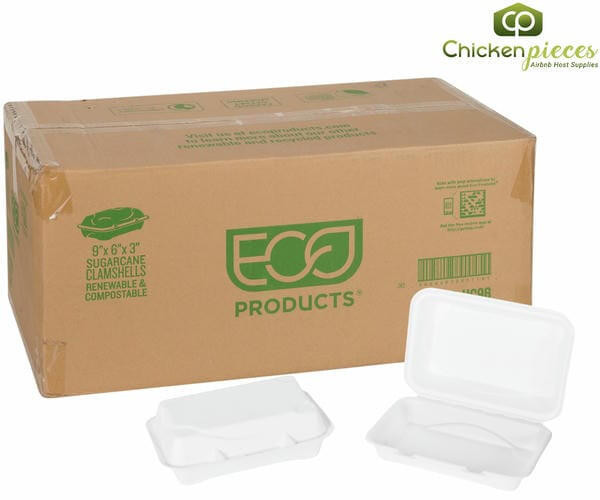
Biodegradable containers represent the next step in sustainability. They break down naturally under specific conditions. This reduces landfill burden significantly. We carry single-compartment biodegradable trays that are ideal for salads or light meals, offering a clear compliance advantage.
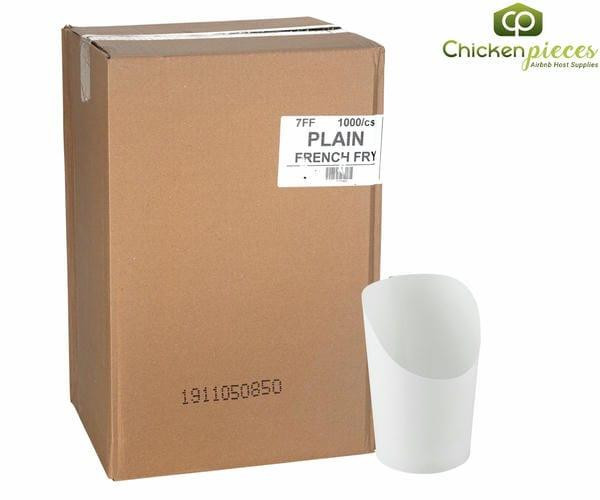
Lids and accessories must also comply with standards. Match your paper containers with appropriate plastic-free lids where possible. We provide compatible options that seal effectively. This complete system approach ensures every part of your packaging stack is compliant.
Securing Reliable Inventory During Transition Periods
Stable supply chains prevent shortages when you switch to new materials.
Transitioning inventory requires careful planning and timing. Sudden switches can lead to stockouts. We maintain large reserves of key compliant items. This ensures you never run out of approved containers, even during high-demand periods or regulatory enforcement spikes.
Bulk purchasing offers efficiency and consistency. Case counts like 50 or 100 units streamline your storage. It also simplifies inventory tracking for EPR reporting purposes. We offer various case sizes to fit your specific operational volume needs perfectly.
Reliability is paramount in foodservice operations. You need a supplier who understands the urgency. Our Calgary-based warehouse ensures fast distribution across Canada. This proximity reduces transit times and keeps your facility stocked with fresh, compliant packaging materials.
Implementing Changes In Your Facility Today
Take immediate action to align your inventory with new laws.
Start by auditing your current packaging stock. Identify items that do not meet Ontario or Quebec standards. Replace these with our compliant paper and biodegradable options. This proactive approach minimizes risk and ensures continuous operations without interruption.
Train your staff on new materials and handling procedures. Paper products may require different storage or usage techniques. Clear communication prevents misuse and waste. We provide support resources to help your team adapt smoothly to these changes.
Contact us for a customized inventory plan. We can help you select the right mix of containers. This tailored approach ensures you meet compliance while optimizing costs. Let us handle the regulatory complexity so you can focus on serving your guests.
Compliance Comparison Of Packaging Materials
Compare material types against Ontario and Quebec EPR requirements.
| Material Type | Ontario Compliance | Quebec Compliance | Recyclability Rate |
|---|---|---|---|
| Kraft Paper | High | High | Excellent |
| Poly-Lined Paper | Medium | Low | Good |
| Biodegradable Trays | High | High | Very Good |
| Plastic Lids | Restricted | Banned | Poor |
| Foam Containers | Banned | Banned | None |
| Mixed Materials | Low | Non-Compliant | Very Poor |
| Cardboard Boxes | High | High | Excellent |
Explore Compliant Packaging Solutions
Browse our full range of EPR-compliant paper and biodegradable containers.

People Also Ask
Real questions buyers search before they order — answered straight.
Who actually pays EPR fees — the producer or the business buying the packaging?
Under most EPR schemes the legal obligation sits with the "producer" — usually the brand owner, manufacturer, or first importer that supplies the packaging into the market — not the restaurant that later uses it. In practice those fees are built into what you pay for the packaging, so operators feel the cost indirectly through pricing. If you import or brand your own packaging, though, you may become the producer and take on the obligation directly. This is general information, not legal advice.
Is EPR the same as a plastic tax?
No — a plastic tax is a straightforward charge per unit or weight, while EPR makes producers fund the real cost of collecting and recycling the packaging they put on the market. EPR is about shifting the end-of-life cost and responsibility, not just adding a levy. The two can exist side by side, so it is worth understanding which applies in your province.
Who has to register for EPR, and is anyone exempt?
Registration typically falls on producers above a set size threshold — measured by the amount of packaging supplied or by revenue — with the smallest producers often exempt. A single-location operator that only buys packaging from suppliers is usually not the registered party, but importing or self-branding can change that. Because thresholds and definitions vary by province, confirm your status with the relevant program rather than assuming. This is general information, not legal advice.
When do EPR packaging obligations take effect?
EPR for packaging is being phased in on a province-by-province timeline rather than all at once, with several Canadian programs rolling out obligations and reporting deadlines across the mid-2020s. Some steps — such as registration — often precede full financial obligations. Because dates differ and shift, check the current schedule for each province you operate in.
What types of packaging are covered by EPR?
EPR programs generally cover the packaging and single-use service items that end up with the consumer — things like containers, cups, wraps, bags, and often paper products. What is in scope can differ between provinces, and some items are handled by separate rules. Mapping your own packaging lines against the covered categories tells you where obligations or costs may land.
Which provinces and countries have EPR rules?
Several Canadian provinces have introduced or are rolling out packaging EPR, and it is well established across much of Europe and expanding among US states. The trend is clearly toward wider adoption over time. If you supply across borders or provinces, expect to meet more than one program rather than a single national standard.
What Canadian facility operators say
Hear from operators who have successfully transitioned to compliant packaging.
Switching to these kraft containers simplified our reporting process immensely. We no longer worry about hidden fees or non-compliant items. The quality holds up well for hot meals too.
The biodegradable trays meet all Quebec standards without compromising durability. Our customers appreciate the eco-friendly choice. Inventory levels have remained stable since we switched suppliers.
We needed a reliable source for compliant packaging across multiple sites. This supplier delivered consistent stock and clear documentation. It made our audit preparation straightforward and stress-free.
EPR Compliance Questions: Frequently Asked Questions
What exactly is EPR for packaging?
Extended Producer Responsibility makes producers financially and physically responsible for the end-of-life management of their products. This includes collection, recycling, and disposal costs. It aims to reduce waste and encourage sustainable design in foodservice packaging items.
Does this apply to my facility?
If you operate in Ontario or Quebec and use foodservice packaging, yes. These laws affect how you procure materials. You must ensure your suppliers are compliant. This indirectly impacts your operational costs and reporting requirements.
Which materials are banned now?
Many hard-to-recycle plastics and foam containers are restricted or banned. Multi-layered materials often fail compliance checks. Paper, cardboard, and certified biodegradable options are generally accepted. Always verify specific material composition with your supplier.
How do I track my usage?
Maintain detailed purchase records of all packaging items. Categorize them by material type and weight. This data helps your supplier file accurate reports. Digital tracking systems can simplify this process significantly for larger facilities.
Are paper containers fully compliant?
Pure kraft paper is highly compliant in both provinces. However, check for plastic liners. Some poly-lined papers may face restrictions in Quebec. Biodegradable paper options offer the highest level of regulatory safety and environmental benefit.
Can I still use plastic lids?
Plastic lids are increasingly restricted. Ontario limits certain types, while Quebec bans many. Look for paper-based or biodegradable lid alternatives. We offer compatible options that seal effectively without violating material composition rules.
What happens if I am non-compliant?
Non-compliance can lead to fines and operational disruptions. Regulatory bodies enforce these rules strictly. Proactive switching to compliant materials prevents these risks. It also protects your brand reputation among environmentally conscious customers.
How does this affect costs?
Initial switching may involve minor adjustments, but long-term savings often occur. Avoiding penalties and hidden fees saves money. Bulk purchasing of compliant items offers efficiency. We provide competitive pricing on all EPR-approved packaging solutions.
Where do I find compliant stock?
Choose suppliers who understand provincial regulations. They should offer clear documentation for each product. Our inventory is curated to meet Ontario and Quebec standards. This ensures you receive only compliant materials for your facility needs.
How do you calculate shipping on bulk orders?
We calculate shipping on live carrier rates at checkout, not on flat or subsidized tiers. Every order is priced against real LTL, parcel, or pallet-freight quotes from our Calgary warehouse to your dock. That means you never absorb hidden shipping costs into product margins — what we charge is what the carrier charges us, plus a small handling pass-through. For bulk and pallet orders this typically runs 15–25% lower than competitors who bake shipping into their unit prices, because the rate is transparent and tied to the actual shipment weight and distance.
Regulatory reference: The IDDSI framework is endorsed by the International Dysphagia Diet Standardisation Initiative and recognized by Health Canada nutrition guidance for care facilities. The FDA regulates dietary supplements and medical nutrition products.
Related guides from ChickenPieces
Why Choose ChickenPieces For Compliance
We provide reliable, compliant packaging solutions tailored for Canadian facility operators.
Regulatory Expertise
Our team stays updated on Ontario and Quebec EPR laws. We ensure every product we sell meets current standards. This reduces your compliance risk significantly.
Bulk Availability
We stock large case quantities of key items. This ensures you never face shortages during peak seasons. Reliable supply chains keep your operations running smoothly.
Quality Assurance
All containers undergo strict quality checks. They withstand heat and moisture effectively. You get durable products that protect food integrity while meeting regulatory requirements for material safety.
Health Canada Compliant
Every product meets Health Canada safety standards. This ensures no harmful substances migrate into food. You serve meals with confidence, knowing materials are safe and fully approved.
Sources & further reading
- EPR in Canada — Circular Materials
- Single-use plastics prohibition: overview — Environment and Climate Change Canada
Request Your Compliance Quote Today
Contact us to discuss your specific packaging needs. We will provide a custom quote for compliant items.
Request a Quote