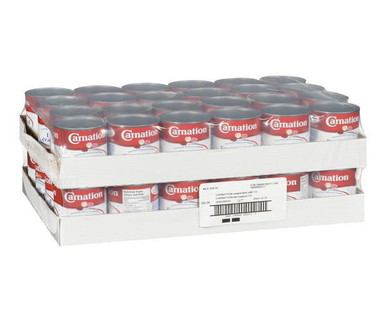
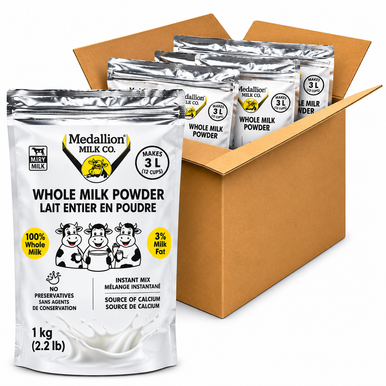
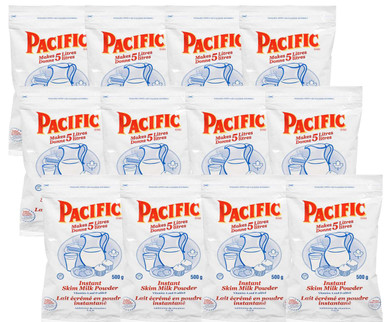
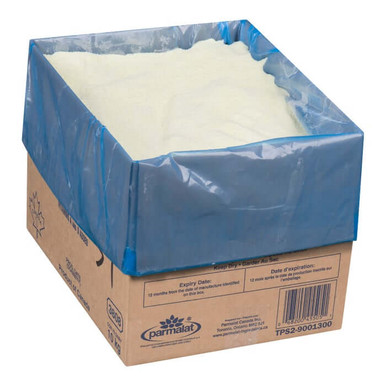
Store unopened cans of evaporated and condensed milk in a cool, dry pantry away from direct heat. Once opened, transfer to a food-safe container, refrigerate, and use within 3-5 days. Rotate stock using FIFO principles to maintain freshness, and keep opened products clearly labelled with the date to prevent waste.
A pallet of dairy cans is an investment in kitchen efficiency, but only if you store it correctly. Commercial kitchens often have basements, dry storage rooms, or dedicated pantry shelving. The ideal spot for your our catalogue and our catalogue is off the floor on sturdy metal shelving, in an area that stays between 10°C and 25°C. Avoid placing cans next to dishwashers, ovens, or steam kettles where ambient heat and humidity can degrade the lining and shorten shelf life.
When a can is opened, the clock starts ticking. Unlike the sterile, sealed interior, the product is now exposed to airborne bacteria and yeasts. Transfer any leftover evaporated milk into a clean, lidded container, label it with the date, and store it in the walk-in cooler. Most health inspectors will expect you to treat opened canned milk the same as fresh dairy, discarding after three to five days. For sweetened condensed milk, the high sugar content gives it a bit more resilience, but refrigeration is still mandatory, and you should apply the same date, marking discipline.
FIFO (First In, First Out) rotation is especially important with bulk purchases. Designate a receiving area where new pallets go and train your team to pull from the oldest stock first. Because condensed and evaporated milks can sit for a year or more, it’s easy to let older cans migrate to the back of the shelf. Use a simple colour, coded sticker system or a chalkboard tally to track dates. If you’re buying pallet quantities from us, the outer cases carry clear best, before dates, so no guesswork is needed. And remember, a dented can that’s breached its seal is a food safety risk. Inspect each can as it’s rotated, and discard any that show signs of swelling, rust, or deep creases along the seam.
For kitchens with limited cooler space, consider pre-portioning. Open a few cans at a time and decant the contents into smaller squeeze bottles or Cambro containers that fit your prep station workflow. This cuts down on repeated opening and closing of a single large container, keeping the remaining product fresher longer. It also speeds up the line during service when your cooks aren’t wrestling with a heavy, half, full can. Good storage habits protect your budget and your reputation, and they make bulk purchasing a smooth, waste, free practice.