
 US Dollar (USD)


2026 Aug 2nd
Choose Commercial Drink Blenders That Last in Canadian Bars
Real horsepower and continuous wattage matter more than peak-watt claims for busy Canadian bars. Pre-programmed cycles reduce training time, and sound enclosures keep staff comfortable during long shifts. Match container material to your cleaning routine and volume.
Choose Commercial Drink Blenders That Last in Canadian Bars and Cafes
This guide helps Canadian bar owners, cafe operators, and restaurant managers select drink blenders that match real daily output without overspending on specs they will never use.
Key Takeaways
Six practical points to keep in mind before you buy.
Peak watts can mislead
Motor ratings listed at peak output rarely match sustained blending power. Ask for continuous wattage or real horsepower to compare motors fairly across brands.
Sound enclosures pay back
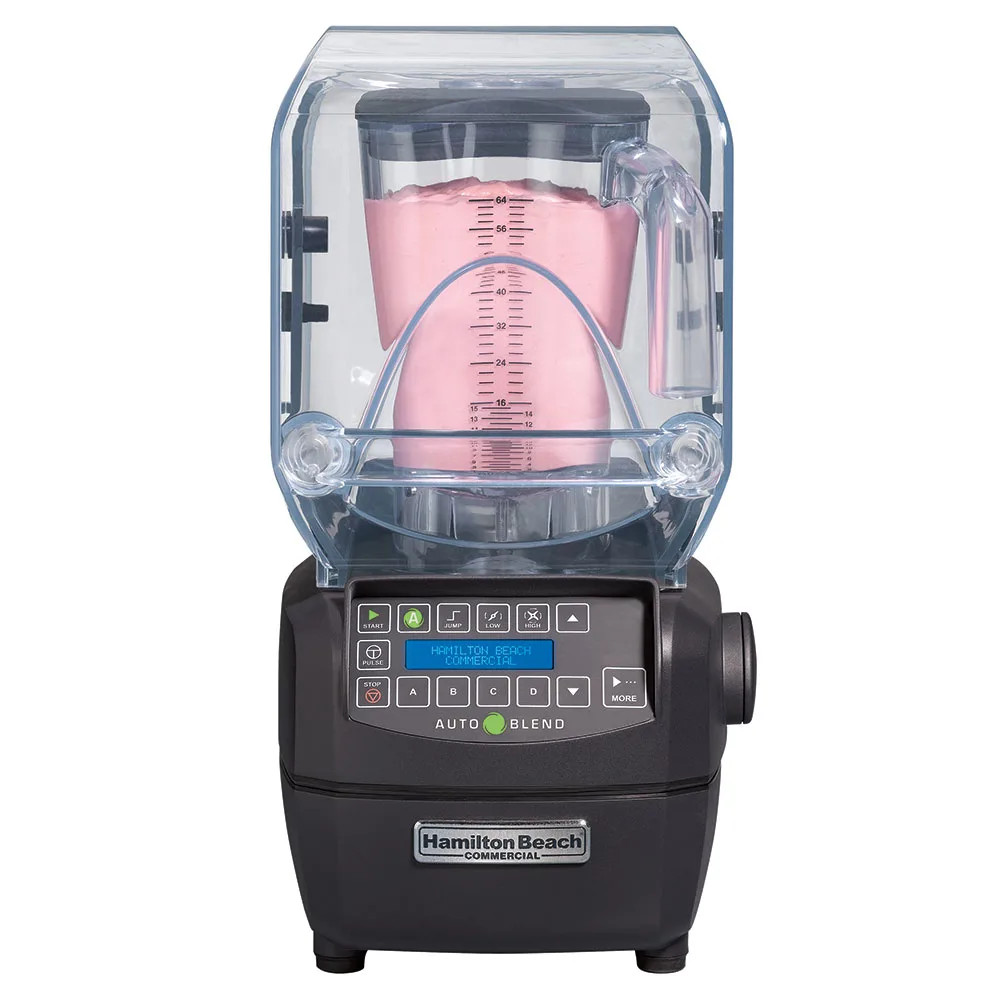
Enclosed housings drop operator noise exposure significantly. Staff stay alert longer, and open-kitchen layouts become workable without separate bar walls.
Pre-programmed cycles reduce errors
One-touch settings standardize drink texture across shifts. New staff produce consistent results without memorizing manual pulse patterns.
Container material shapes workflow
Polycarbonate resists impact, copolyester handles thermal shock, and metal lasts longest but weighs more. Match choice to your dishwashing setup and drop risk.
Jarless designs cut waste
Blenders that dispense directly into cups eliminate container washing between single serves. Ideal for high-turnover locations with limited sink space.
Warranty length signals build quality
Three-year coverage on drive components suggests confidence in motor and coupling design. Read what parts are included before comparing terms.
Understand Real Motor Output Before Comparing Specs
Learn what blender power ratings actually mean for daily output.
Peak wattage is the maximum electrical draw a motor reaches for seconds at startup. It looks impressive on packaging but tells you little about how the blender performs during a full 45-second frozen drink cycle. Continuous wattage, sometimes called rated power, is the steady output the motor sustains without overheating. That number is harder to find but far more useful for comparing models that will run back-to-back during lunch or late-night rushes.
Horsepower adds another layer of confusion. Some manufacturers list peak horsepower, calculated from peak wattage divided by 746. Real or mechanical horsepower reflects actual torque delivered to the blades under load. A 3-peak-HP motor might deliver under 2 HP continuously. For Canadian bars and cafes blending frozen cocktails or thick smoothies, continuous output determines whether the motor stalls, overheats, or needs extended cool-down periods between cycles.
Canadian electrical standards mean most countertop units run on 120V circuits common in older buildings. A high-peak-watt motor can trip breakers if multiple appliances share the line. Check your panel capacity before ordering a unit that draws over 15 amps continuously. The best motor is one your wiring can support through a full Saturday night without interruption.
Sound Enclosures Protect Staff and Customer Experience
Noise levels affect hiring, retention, and dining-room comfort in open layouts.
Commercial blenders without enclosures operate at volumes comparable to gas-powered lawn equipment. Eight hours of that exposure exceeds Canadian occupational noise limits and contributes to staff fatigue and turnover. Sound enclosures are not marketing extras; they are physical barriers that surround the motor housing and container, dropping perceived volume by 10 to 15 decibels. That difference lets staff hold normal conversations beside the machine.
Open-concept cafes and bars with sightlines into the kitchen make noise control a customer experience issue, not just a staff comfort one. A blender shrieking behind an espresso bar interrupts phone calls, dates, and remote-work sessions. Enclosures let you position blending stations where workflow demands rather than where noise dictates. Some models integrate the enclosure into the base design; others add it as a bolt-on hood.
Cleaning around enclosures requires attention. Seals and gaskets trap moisture and syrup residue if wiped casually. Designate a daily deep-clean routine for enclosure interiors, and train closing staff to remove and dry all contact surfaces. Poor maintenance turns sound dampening into odour and mould problems that cost more than the enclosure saved.
Pre-Programmed Settings Standardize Output Across Shifts
Automated cycles reduce training burden and waste from inconsistent blending.
Pre-programmed cycles store timed speed ramps in the blender's control board. A staff member loads ingredients, selects the drink type, and walks away. The machine ramps to high speed, holds, pulses, and shuts off automatically. This removes guesswork for new hires and prevents over-blending that wastes product and dulls blades prematurely. Bars with rotating seasonal staff benefit most.
The number of stored programs varies widely. Basic models offer three to four cycles for common categories like frozen drinks, smoothies, and puree. Higher-end units store 30 or more custom recipes with specific ramp profiles. For most Canadian cafes and restaurants, four to six well-tuned programs cover the menu. Resist paying for program capacity you will never populate; instead, verify that existing programs can be edited for your specific recipes.
Programming requires owner or manager access, usually through a combination of button presses or a separate interface. Test this process before purchase. Some systems need factory passwords or dealer intervention for changes, which delays menu updates. Others let you adjust on the fly during service. Document your final programs in a binder; control boards occasionally reset during power fluctuations common in rural Canadian locations.
Compare Vitamix, Blendtec, Waring, and Hamilton Beach Fairly
Each brand builds for different priorities; match their strengths to your operation.
Vitamix builds around long motor life and aggressive blade geometry. Their units excel at emulsifying thick mixtures and handling dense frozen loads without cavitation. Service networks cover major Canadian cities well, though rural parts may wait longer for factory-authorized repair. Container and blade assembly costs run higher than competitors, so factor replacement parts into five-year ownership math.
Blendtec emphasizes programmable intelligence and compact motor design. Their jarless and no-container options suit high-volume locations where every second of wash time matters. Pre-programmed cycles are deep and editable. Some operators find the blade design less effective on small batches below 16 ounces; test your lowest-volume recipe before committing. Build quality is solid, with fewer reported seal failures than industry average.
Waring occupies a middle position on price and features, with strong distribution through Canadian restaurant supply houses. Their noise enclosures integrate cleanly, and container options span polycarbonate, stainless, and copolyester. Motor warranties are competitive. The brand suits established operations with predictable volume that want reliable replacement parts without premium positioning.
Match Container Material and Size to Your Workflow
Container specs affect speed, durability, and cleanup more than most buyers expect.
Polycarbonate containers resist impact cracking from drops and thermal shock from hot-to-cold transitions. They weigh less than metal, reducing wrist strain during high-volume pour cycles. Over years, polycarbonate can cloud and absorb odours from aggressive ingredients like garlic or turmeric. Replace them on a scheduled cycle rather than waiting for visible failure. Most Canadian health inspectors will flag deeply scratched polycarbonate as a cleaning hazard.
Copolyester offers better chemical resistance and clarity retention than standard polycarbonate. It handles repeated dishwasher exposure without the hazing that makes volume markings hard to read. The trade-off is slightly lower impact resistance; a copolyester jar dropped on tile from counter height is more likely to crack. For cafes with careful handling protocols and under-counter dishwashers, this material extends readable service life.
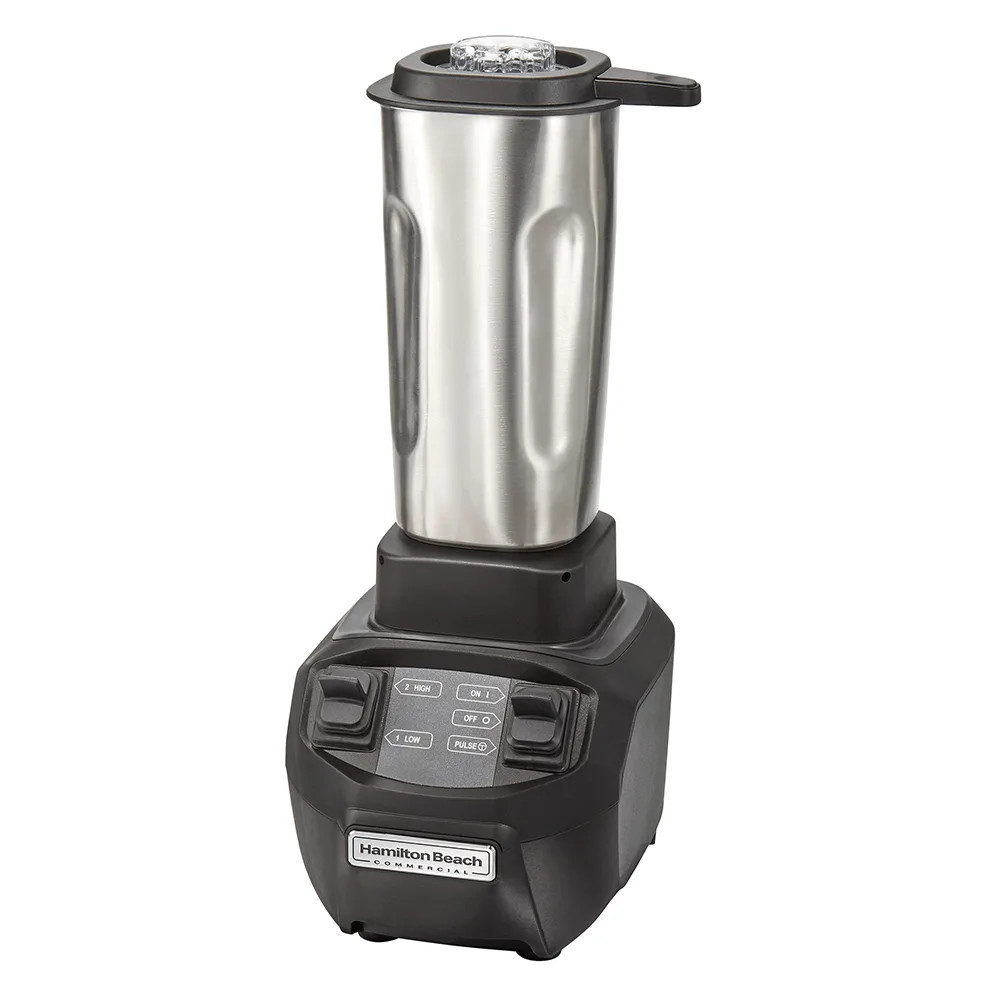
Metal containers last longest and tolerate abuse that destroys plastic alternatives. They conduct temperature, so frozen drinks feel colder in the hand and hot soups warm the grip. Weight is the drawback; full 64-ounce metal jars fatigue staff during repetitive service. They also hide contents, making visual texture checks impossible. Choose metal for back-of-house prep stations where durability trumps ergonomics, or for operations with automated dish systems that reduce manual handling.
Build a Short List Based on Verified Daily Output Needs
Avoid specification overload by anchoring every choice to actual shift volume.
Start with output math, not feature lists. Count blended drinks served during your busiest hour across a full month. Multiply by your target growth rate over three years. That number determines motor class and container count, not brochure photography. A cafe doing twelve frozen drinks hourly needs different capacity than a beach bar doing eighty. Over-specifying wastes capital; under-specifying burns out equipment and staff.
Map your physical space honestly. Sound enclosures add height; verify overhead cabinet clearance. Pre-programmed controls need staff training time; factor that into launch plans if you replace equipment mid-season. Electrical requirements vary; confirm your outlets match plug type and amperage without extension cords that violate Canadian electrical codes and void warranties.
Request a trial or demo with your actual recipes before final purchase. Blender performance on ice and fruit puree differs from showroom demonstrations with water. Test container handling with your shortest staff member. Verify that disassembly for cleaning fits your sink dimensions. The right blender disappears into smooth service; the wrong one becomes a daily frustration that shows up in online reviews about wait times and inconsistency.
Commercial Blender Comparison for Canadian Foodservice
Use this table to match motor type, noise control, and container features to your operation size.
| Feature focus | Best for | Trade-off | Typical motor class |
|---|---|---|---|
| Peak watt emphasis | Marketing comparison only | Misleading for real output | Any rating |
| Continuous watt / real HP | Back-to-back frozen drinks | Higher upfront cost | 2–4 HP sustained |
| Sound enclosure included | Open kitchens, long shifts | Added height, cleaning | 2–3 HP enclosed |
| Pre-programmed cycles | Multi-shift, high turnover | Limited flexibility | Varies by brand |
| Jarless / no-container | Single-serve speed | Narrow recipe range | Compact 2–3 HP |
| Polycarbonate container | Impact-heavy environments | Clouds over time | Any matched size |
| Metal container | Prep stations, durability | Heavy, hides contents | Higher torque preferred |
Commercial Drink Blenders in Stock
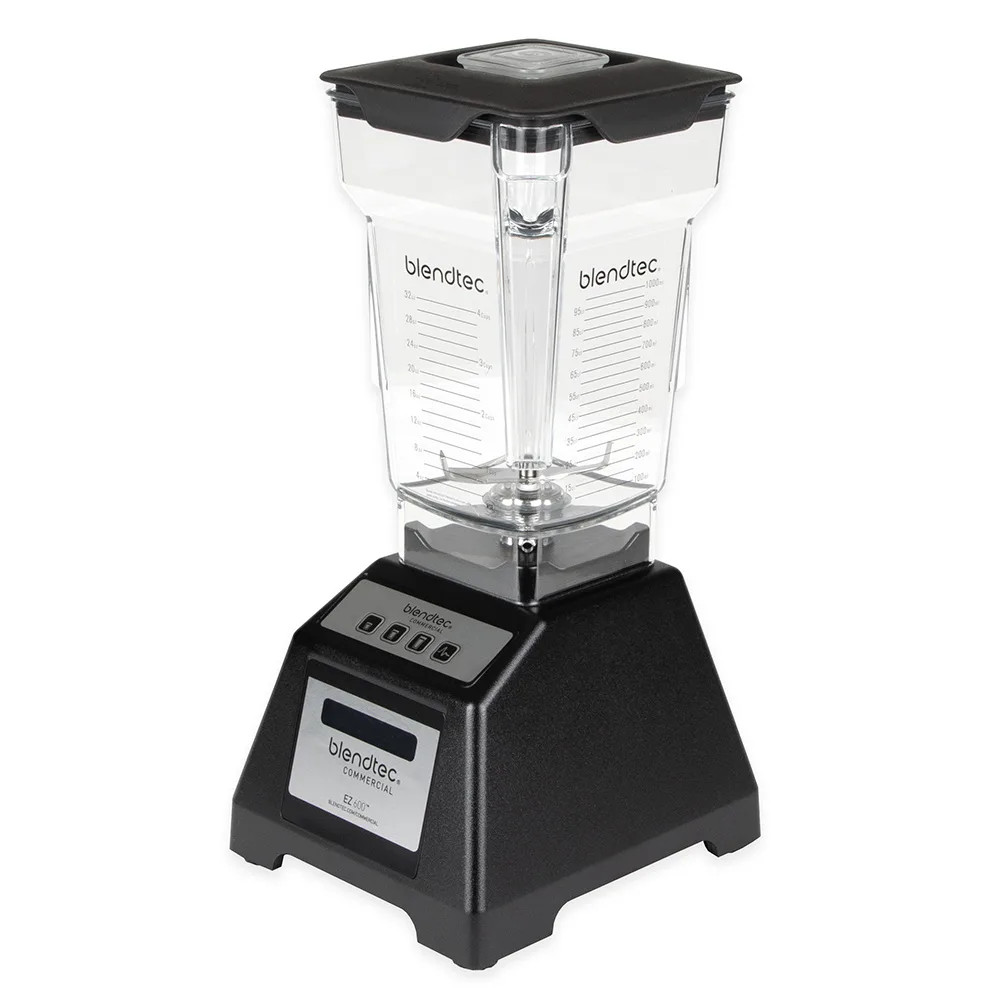
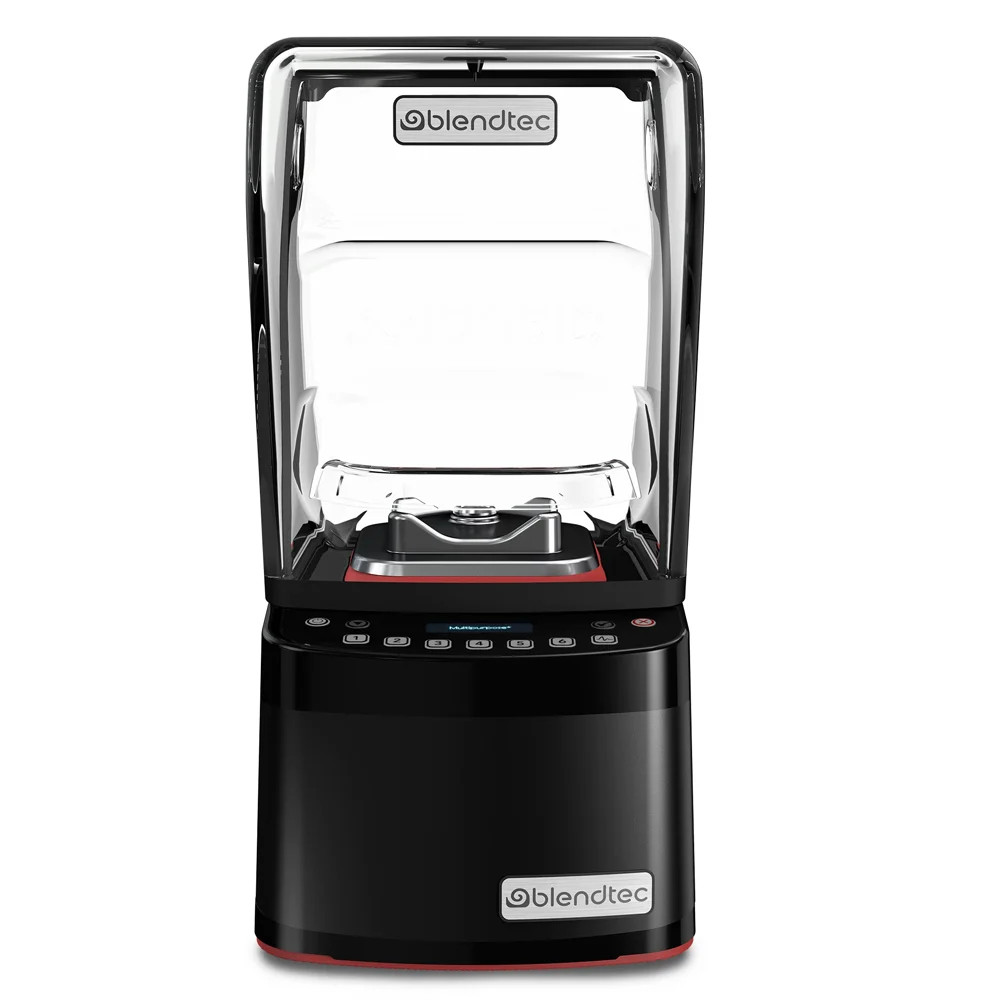
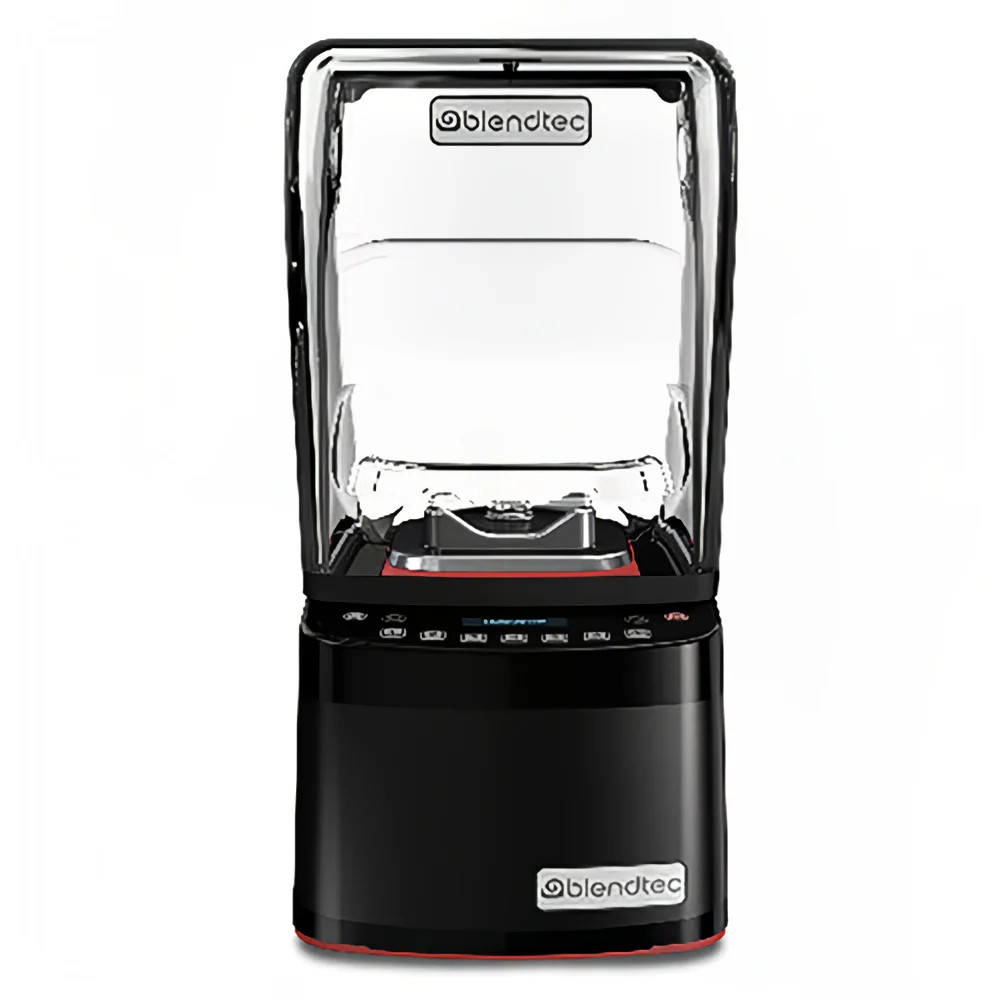
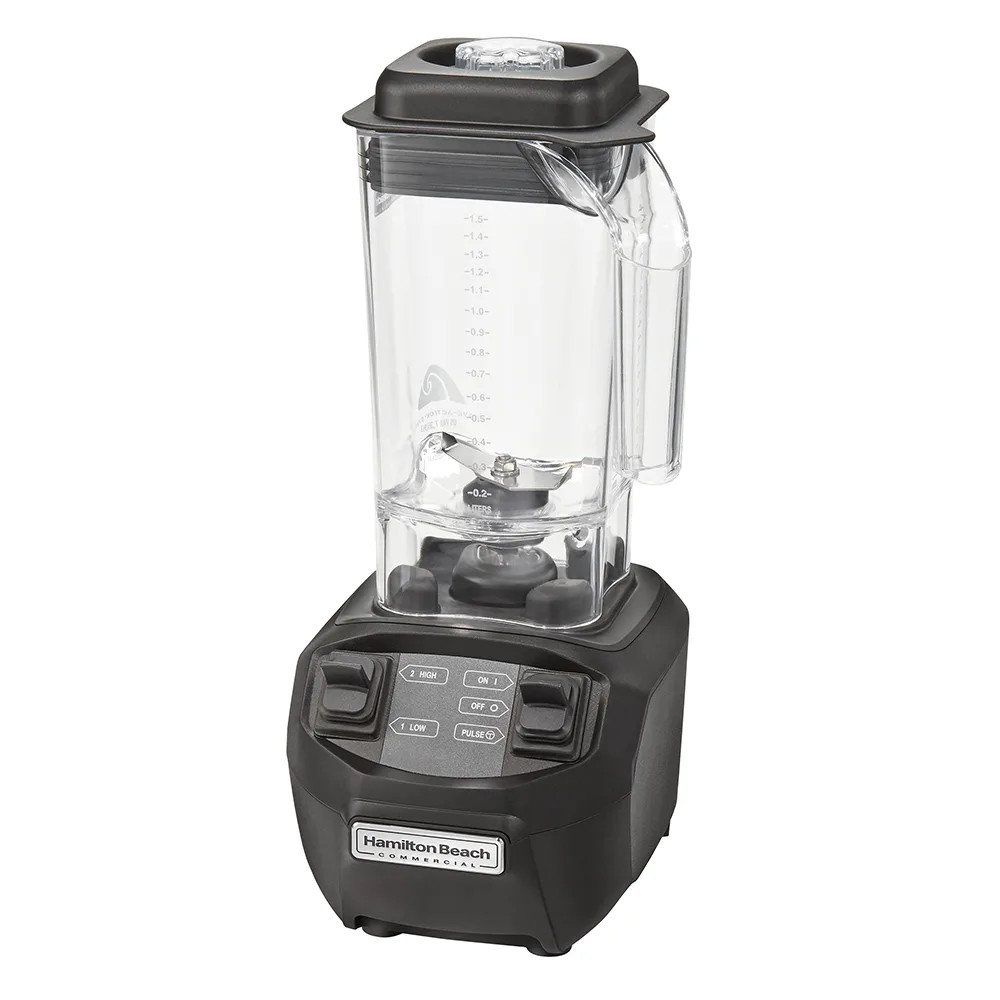
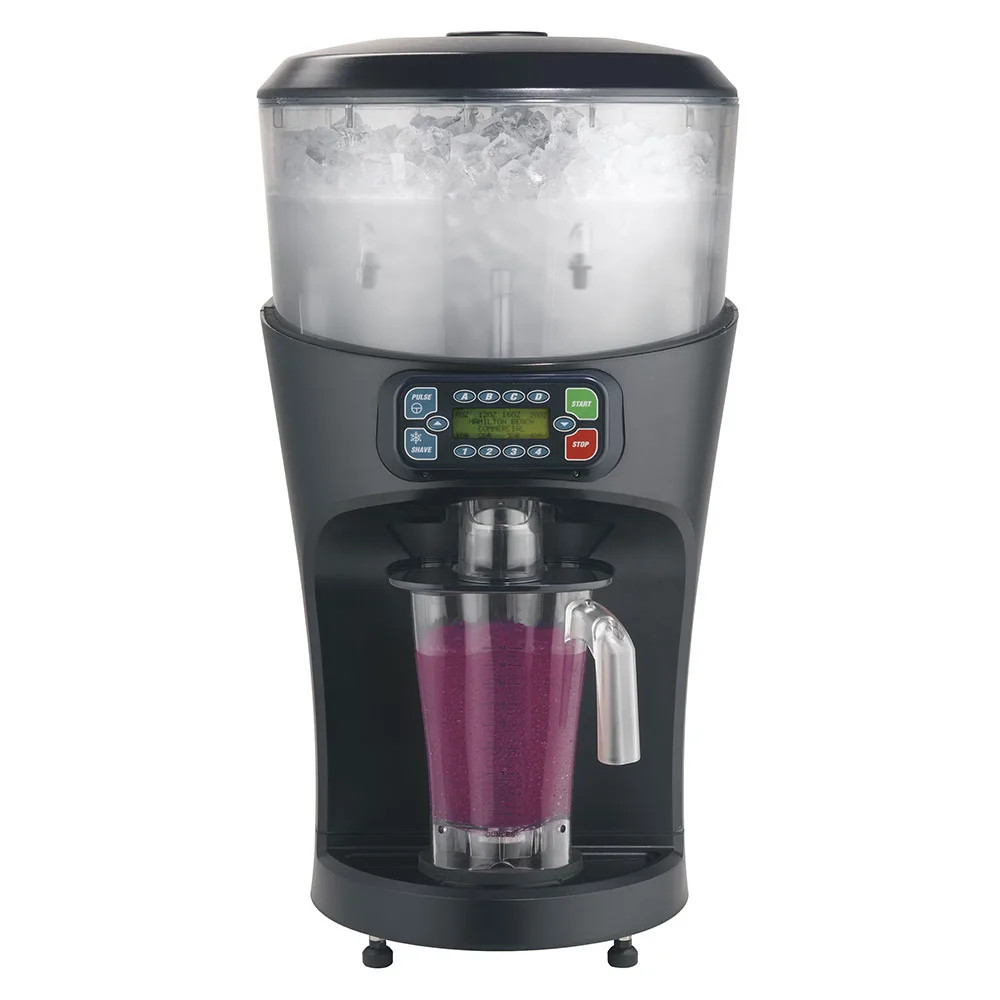
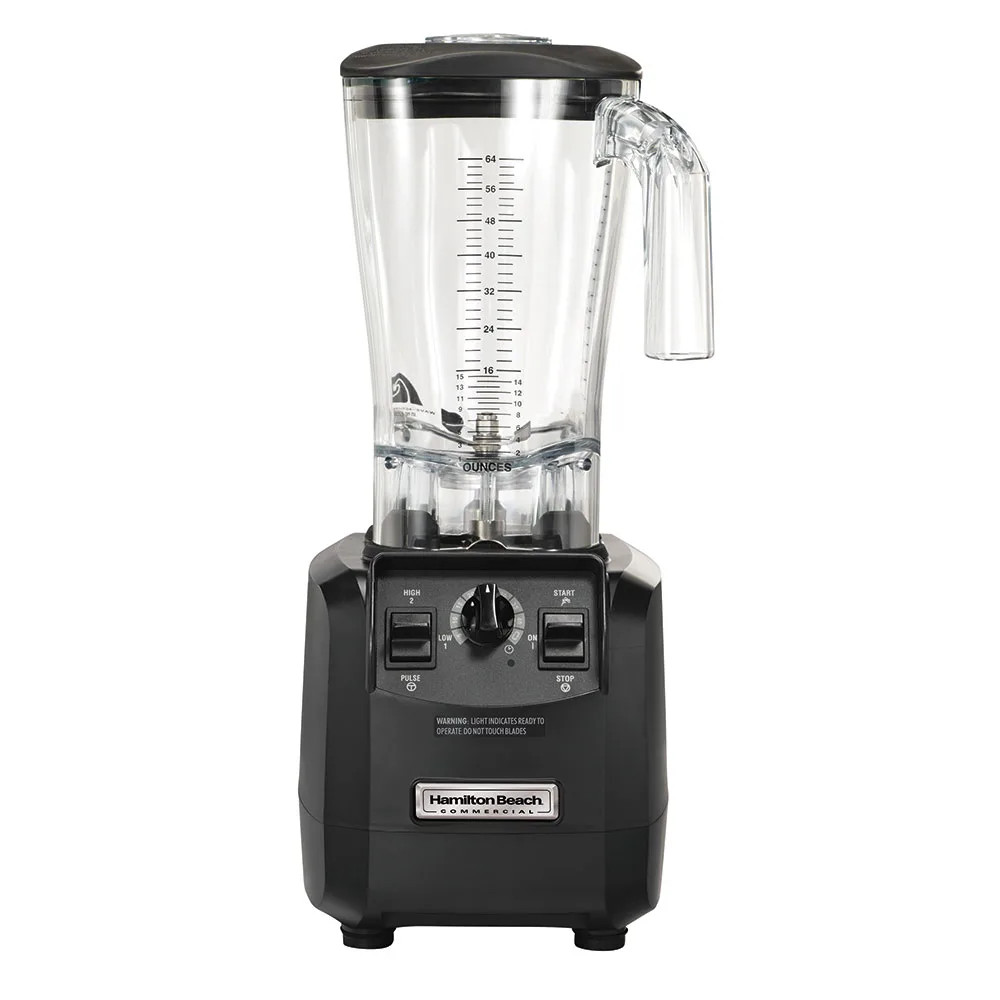
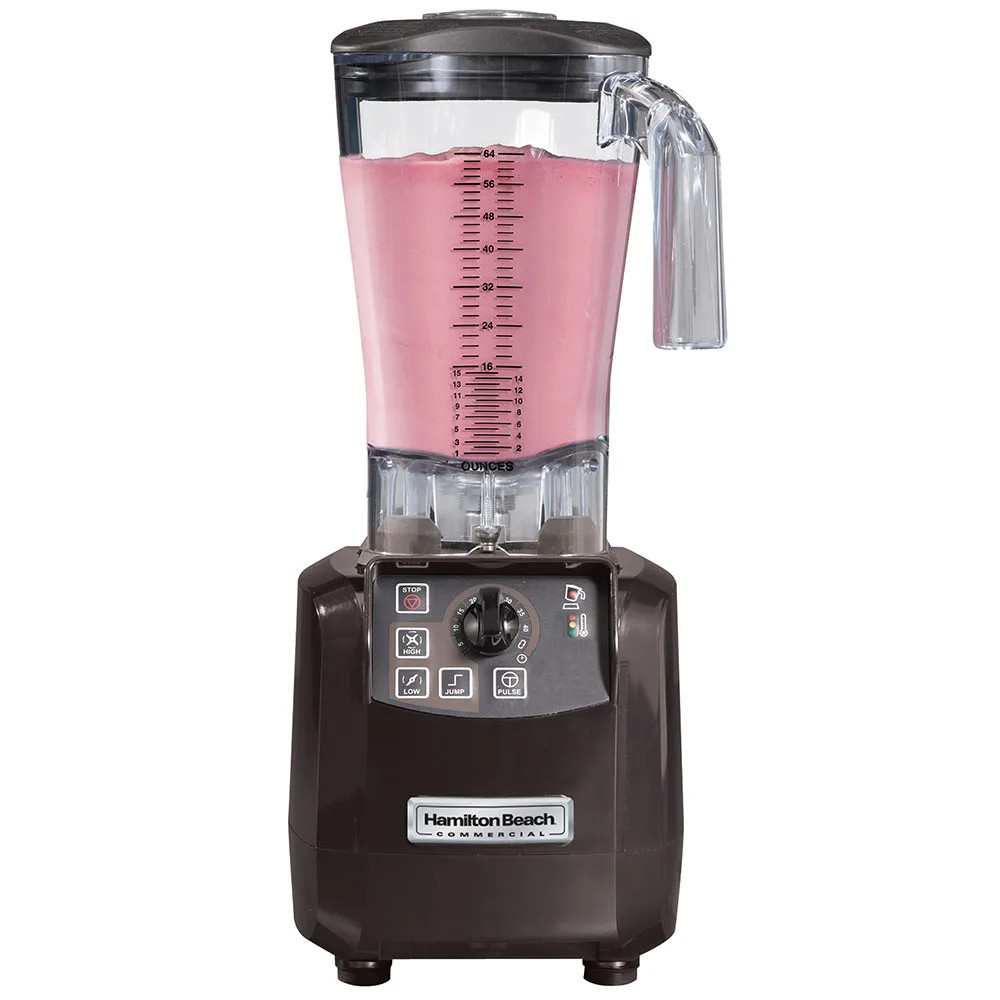
Nine models from Blendtec and Hamilton Beach ready for Canadian foodservice operations.
What Canadian foodservice operators say
What Canadian operators say about putting these blenders to work.
We run two of the jarless Blendtecs at our cocktail bar. New staff nail consistent texture from day one, and we stopped losing cups to over-blending.
The sound enclosure on our unit made our open kitchen actually pleasant. Customers stopped commenting on the noise, and my bartenders' headaches disappeared.
Switched from a peak-watt cheap unit to a real-HP Hamilton Beach. Handles our weekend smoothie rush without the burnt-motor smell we used to get.
Blender selection: Frequently Asked Questions
What is the difference between peak watts and continuous watts?
Peak watts measure the brief surge at motor startup. Continuous watts show sustained power during actual blending. For commercial use, continuous rating predicts real performance under load.
How loud is a commercial blender without an enclosure?
Most unenclosed units exceed 85 decibels, above Canadian workplace exposure guidelines for extended shifts. Enclosures drop this to roughly 70 decibels, comparable to a busy restaurant conversation level.
Can I program my own recipes into a pre-programmed blender?
Most models allow editing existing cycles or adding custom ones. Check whether this requires dealer access or can be done in-house. Document your settings; power resets can erase unsaved programs.
Which container material lasts longest in a busy cafe?
Metal lasts longest but weighs more and costs more to replace. Polycarbonate resists drops but clouds over time. Copolyester keeps clarity longest with careful handling. Match to your dishwashing setup and drop risk.
Is jarless operation worth the higher price?
Jarless units excel at single-serve speed and eliminate wash time between drinks. They suit high-turnover locations with limited sink access. If you batch-blend or need visual texture checks, traditional containers may work better.
How do I know if my electrical panel can handle a commercial blender?
Check the amperage draw on the spec sheet against your circuit capacity. Most units need a dedicated 15-amp circuit. Shared lines with espresso machines or grills risk breaker trips during peak use.
What breaks first on commercial blenders?
Drive sockets and blade bearings fail most often from overloading and poor cleaning. Seals degrade from sugar exposure and heat. Choose models with available replacement parts through Canadian distributors.
Should I buy one large blender or two smaller units?
Two units provide backup during maintenance and let you separate allergen categories like nuts and dairy. One large unit costs less upfront but creates a single point of failure during your busiest shifts.
How often should I replace blender containers?
Replace polycarbonate containers when volume markings become unreadable or surfaces scratch deeply, typically every two to three years in high-use settings. Metal containers last longer but inspect seals annually.
How do you calculate shipping on bulk orders?
We calculate shipping on live carrier rates at checkout, not on flat or subsidized tiers. Every order is priced against real LTL, parcel, or pallet-freight quotes from our Calgary warehouse to your dock. That means you never absorb hidden shipping costs into product margins — what we charge is what the carrier charges us, plus a small handling pass-through. For bulk and pallet orders this typically runs 15–25% lower than competitors who bake shipping into their unit prices, because the rate is transparent and tied to the actual shipment weight and distance.
Related guides from ChickenPieces
Why Canadian Foodservice Operators Choose ChickenPieces
We stock equipment selected for real Canadian kitchen and bar conditions.
Alberta-based support
Our team answers calls during Mountain Time business hours. You talk to people who understand Canadian foodservice pressures, not offshore scripts.
No-speed promises
We quote live carrier rates at checkout so you see actual transit times and costs for your location, with no hidden guarantees we cannot keep.
Volume-ready range
From single-location cafes to multi-unit property groups, our stock spans motor classes and price positions that match honest growth plans.
Health Canada aligned
All electrical equipment meets Canadian safety standards and carries proper approvals for commercial foodservice use, with documentation available for health inspections and CFIA compliance reviews.
Request a Blender Quote for Your Operation
Tell us your peak hourly volume and menu types. We will recommend motor class, container material, and noise control options matched to your space and budget. No obligation, no hidden fees.
Request a Quote