
 US Dollar

2026 Aug 7th
Right Pump Size Cuts Syrup Waste for Canadian Cafes
A standard DaVinci Gourmet 750 mL bottle yields roughly 50 to 75 flavoured drinks depending on your pump. An 8 mL pump hits the middle of that range. A 10 mL pump pushes fewer drinks per bottle but gives a stronger flavour profile that some customers expect.
Right Pump Size Cuts Syrup Waste for Canadian Cafes
Airbnb hosts, property managers, and cafe operators across Canada need predictable costs per cup; pump sizing is what makes or breaks that number.
Key Takeaways
Six practical points to get your syrup costing right from the first order.
Pump mL Dictates Yield
An 8 mL pump draws roughly 94 doses from a 750 mL bottle. A 10 mL pump drops that to about 75. Pick the pump before you price the drink.
Matcha Measures by Gram
Crafti's barista method shows 2 to 3 grams of matcha per latte for balance, or up to 8 grams for intensity. A gram scale beats a scoop for consistency.
Syrup Labels Hide Serving Tricks
Two tablespoons is the standard serving size on most syrup labels. That is roughly 30 mL, which is far more than a single cafe pump dose. Read carefully.
Sugar-Free vs Classic Texture
Sugar-free syrups use different sweeteners that can read slightly salty or thin on the palate. Test with your espresso roast before you menu it.
All-Natural Means Different Viscosity
DaVinci Gourmet's all-natural line uses cane sugar and natural flavours. The pour is thinner than classic formulas. Adjust pump pressure or dose size.
Hot Water Speeds Espresso
Chao Coffee's moka pot method uses pre-heated water to shorten brew time and reduce bitterness. The same logic applies to syrup integration in hot drinks.
How Pump Millilitres Control Your Real Yield
The pump is the hidden variable in every cost-per-cup calculation.
Most DaVinci Gourmet 750 mL bottles ship without a pump attached. You buy the pump separately, and that is where the math begins. An 8 mL pump is the industry default for flavoured lattes and americanos. It delivers a consistent dose that integrates well with 12 to 16 ounce drinks without overwhelming the coffee. The yield works out to roughly 94 pumps per bottle, which spreads your inventory across more transactions.
A 10 mL pump suits operators who want a bolder flavour statement or who serve larger 20 ounce cups. The trade-off is straightforward: 75 pumps per bottle instead of 94. That difference matters when you are pricing a vanilla latte against the cafe three blocks over. Some operators run dual pump sizes, 8 mL for sugar-free syrups and 10 mL for classic flavours, since sugar-free formulas can read quieter on the palate.
The 5 mL and 15 mL pumps exist but serve niche roles. A 5 mL pump works for subtle flavouring in iced teas or for operators who want to offer flavour as an optional add-on rather than a dominant note. The 15 mL pump is rare in coffee, more common in cocktail bars or smoothie shops where syrup is the primary flavour driver. Know your pump size before you place your first bottle order.
Build Your Real Cost Per Flavoured Drink
Accurate costing starts with yield, not the bottle on the shelf.
Start with the bottle volume in millilitres: 750. Divide by your pump size in millilitres. That gives you the theoretical number of pumps per bottle. Then adjust for reality. Pumps drip between uses. Staff sometimes double-pump. Some syrup clings to the bottle walls and never makes it through the pump. A 10% loss factor is conservative for most Canadian cafes running DaVinci Gourmet.
Alex Mojica's syrup analysis found that serving sizes on labels often read two tablespoons, which converts to roughly 30 mL. That is nearly four times an 8 mL pump dose. The discrepancy matters because label nutrition data does not translate directly to cafe portions. Your cost per drink uses the pump dose, not the label serving. Train staff to ignore the label and trust the pump calibration.
Apply your adjusted yield to your landed bottle cost. If a 750 mL bottle lands at your door for a certain wholesale rate, divide that by your real pump count. The result is your syrup cost per drink. Add that to your cup, lid, milk, espresso, and labour to get your true cost. Most operators who skip this step underprice their flavoured drinks by 30 to .
Sugar-Free Syrups Need Different Pump Math
Sugar-free formulas behave differently in the cup and on the books.
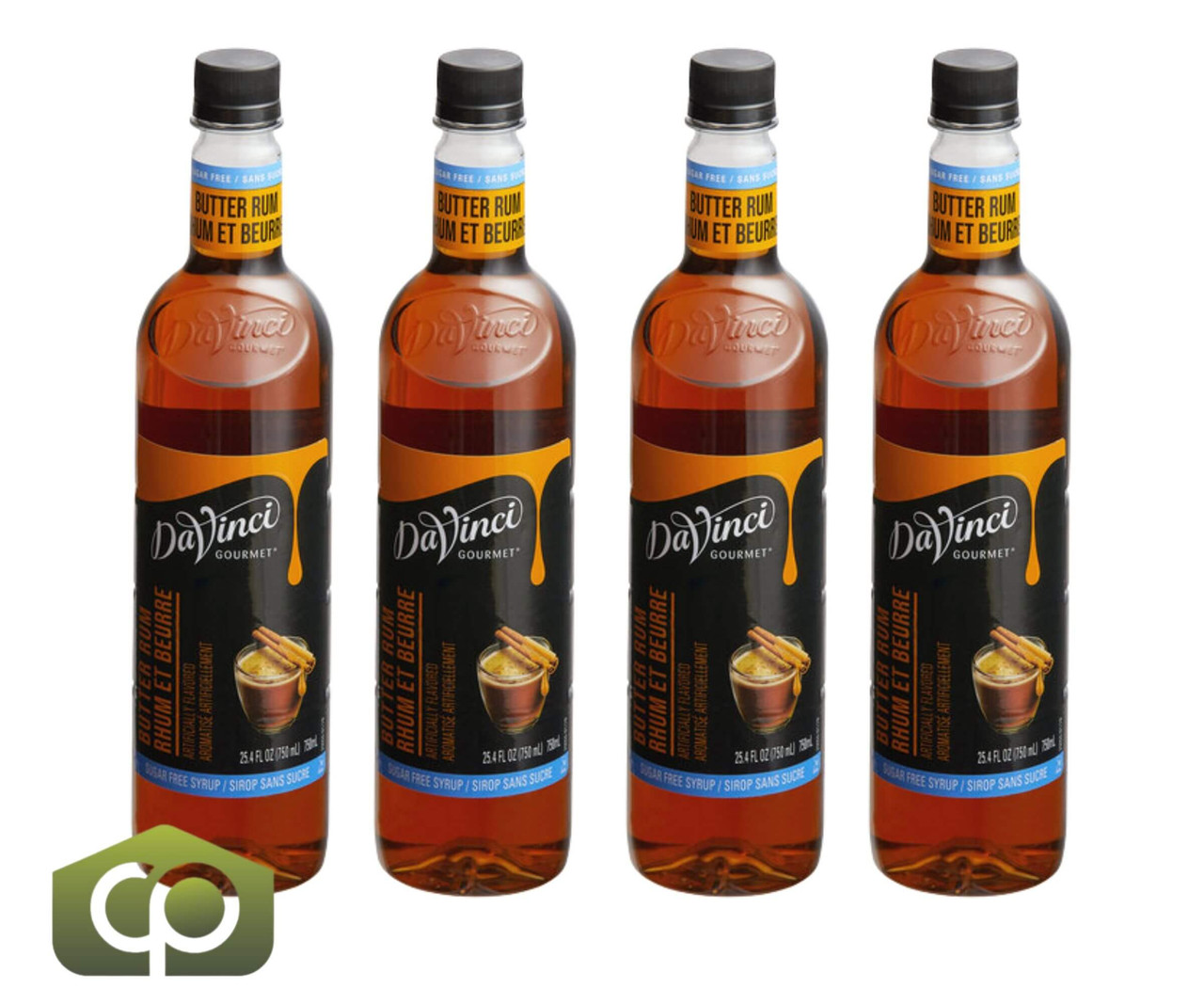
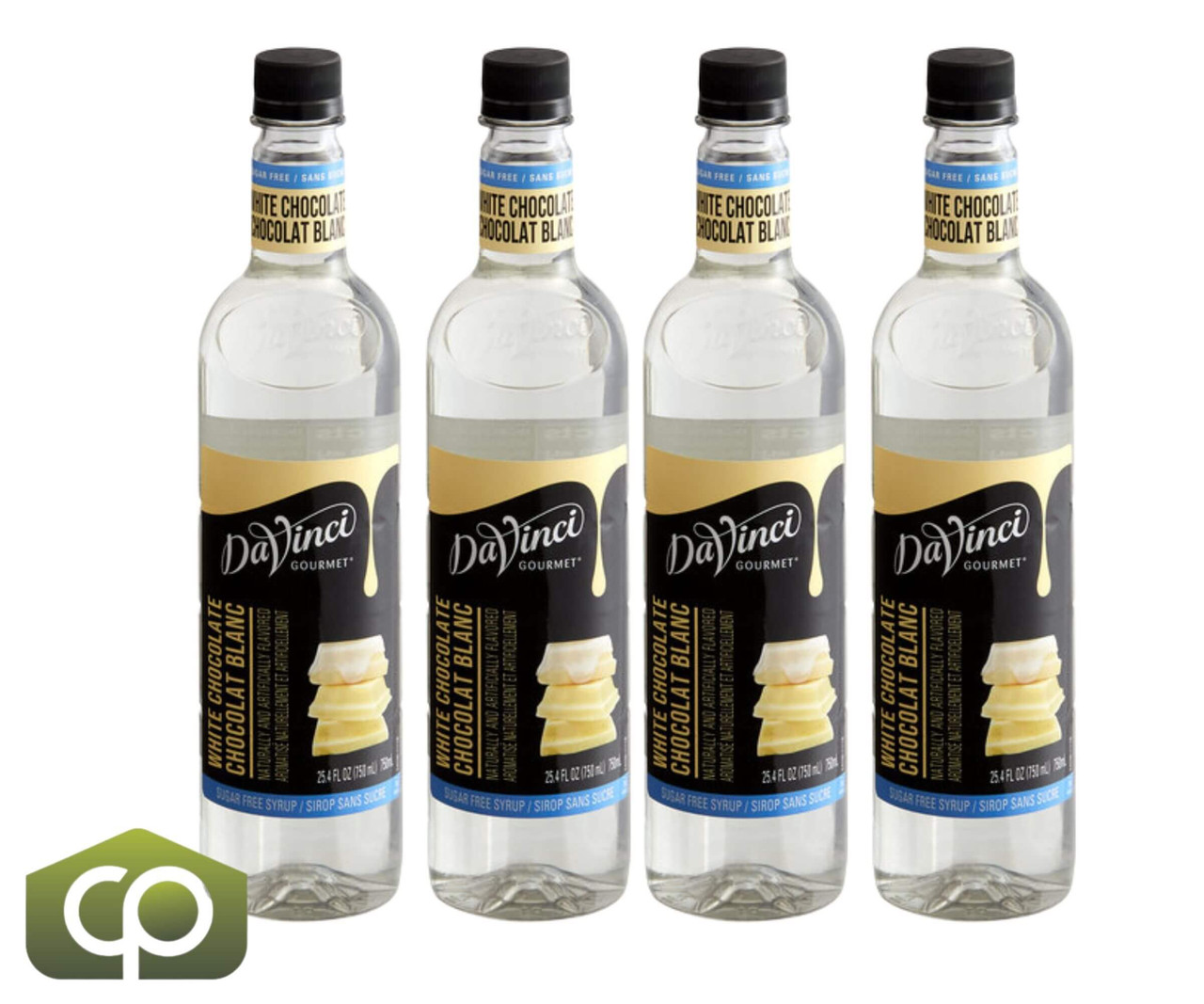
DaVinci Gourmet's sugar-free line uses alternative sweeteners that carry different densities and viscosities than pure cane sugar. The Blueberry, Butter Rum, White Chocolate, and Toasted Marshmallow variants pour differently than their classic counterparts. An 8 mL pump of sugar-free syrup may weigh less than 8 mL of classic, which affects how the flavour hits the tongue even when the volume is identical.
Mojica's comparison of major syrup brands found that sugar-free versions can show slightly higher sodium content and marginally different carbohydrate profiles. The taste result is a subtle saltiness that can clash with dark roasts or complement lighter ones. Test your sugar-free flavours with your actual espresso or cold brew before you commit to pump sizing. Some operators find a 7 mL pump works better for sugar-free, even if they run 8 mL for classic.
The Toasted Marshmallow sugar-free is an outlier in the line. It carries more sweetener load to compensate for the marshmallow flavour base, which can read as cloying at full 10 mL doses. Start at 8 mL and adjust downward if customers describe it as too candy-like. Your yield per bottle improves, but more importantly, your repeat rate on that flavour will hold steady.
All-Natural Syrups Pour Thinner and Faster
Natural cane sugar and real flavour extracts change pump behaviour.
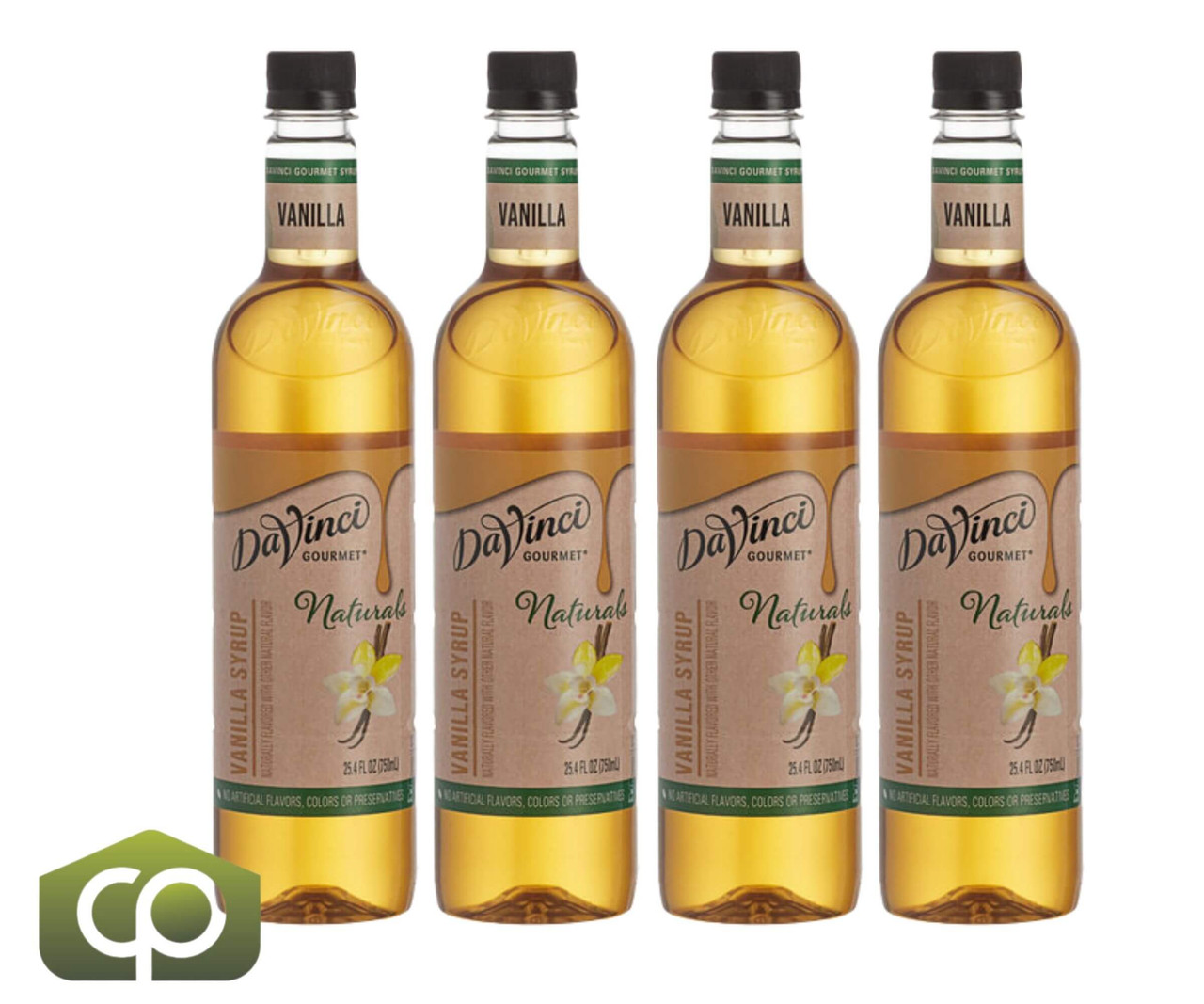
The Authentic Banana, Smooth Nutty Almond, Turkish Hazelnut, and Vanilla in DaVinci Gourmet's all-natural line use real ingredients rather than artificial flavour compounds. The result is a thinner, more water-like consistency than classic or sugar-free syrups. An 8 mL pump of all-natural vanilla moves through the mechanism faster and can produce a slightly smaller visual splash in the cup, even when the volume is correct.
Crafti's matcha tutorial emphasizes the importance of proper measurement tools when working with natural products that vary batch to batch. The same applies here. All-natural syrups can separate slightly in storage, with natural oils rising to the top. Inconsistent shaking leads to some pumps being oil-heavy and others being thin. The customer gets a different drink each visit. Standardize your bottle prep routine to match your pump calibration routine.
The Turkish Hazelnut all-natural is particularly sensitive to this. Real hazelnut extract carries volatile aromatic compounds that dissipate faster than artificial versions. Store bottles away from heat and light, and rotate stock strictly first-in-first-out. A bottle that sits open past four weeks loses its top notes, and no pump size adjustment can recover that.
Hot Water Methods Speed Syrup Dissolution
Temperature and timing affect how syrup integrates with your espresso base.
Chao Coffee's moka pot demonstration uses pre-heated water to shorten brew time and reduce bitterness. The same principle applies when you are building flavoured espresso drinks. Cold syrup into a cold cup with hot espresso creates temperature shock. The syrup sinks, pools, and requires more stirring to integrate. That extra stirring introduces air and cools the drink faster.
The standard build for a flavoured latte should be: hot cup, syrup, espresso, then steamed milk. The espresso hits the syrup while both are at peak temperature, creating immediate dilution and integration. If you are using an all-natural syrup with visible particulate, this order matters even more. The espresso oils help suspend those particles rather than letting them settle to the bottom where the last sips taste uneven.
For iced drinks, reverse the logic. Syrup into the cup, then cold milk or alternative, then espresso over ice. The cold liquid slows syrup dissipation enough that you need to shake or stir aggressively. A shaker tin works better than a spoon for this. The 8 mL pump dose was calibrated for hot integration; iced drinks sometimes need a 10 mL pump to read equivalently flavourful through the cold and the dilution.
Track Pump Strokes to Prevent Silent Shrink
What your bottles say and what your pumps deliver rarely match.
The simplest audit in syrup management is a pump count against bottle depletion. Mark each bottle with its open date and expected pump count. When it empties, compare actual drinks served against the theoretical yield. Most Canadian cafes discover a 10 to 20% gap caused by partial pumps, drip waste, and staff overpouring. That gap is your silent shrink, and it is larger than most theft or spoilage losses.
DaVinci Gourmet's 750 mL format is standard across the industry, which makes comparisons between suppliers straightforward. But bottle shape affects the last 50 mL. Some bottles let the pump draw nearly to the bottom; others leave a centimetre of syrup that the straw cannot reach. Store bottles inverted on a rack, or transfer the last dregs to a squeeze bottle for manual portioning. That last 50 mL is six to eight drinks you already paid for.
Set par levels by flavour velocity, not by gut feel. Your vanilla pump count should be three to five times your butterscotch count in most markets. Order vanilla on a standing weekly schedule and butterscotch on a two-week trigger. This prevents the panic buy that pushes you to retail-priced emergency stock. ChickenPieces.com carries the full DaVinci Gourmet range for operators who want to consolidate their ordering.
Pump Size and Yield Comparison for 750 mL Bottles
Use this table to match your pump to your expected drinks per bottle before you price your menu.
| Pump Size | Pumps Per Bottle | Typical Drinks | Best For |
|---|---|---|---|
| 5 mL | 150 | 140-150 | Light flavouring, iced tea, subtle notes |
| 8 mL | 94 | 85-94 | Standard flavoured lattes and americanos |
| 10 mL | 75 | 68-75 | Bold flavours, large cups, signature drinks |
| 15 mL | 50 | 45-50 | Smoothies, cocktails, syrup-forward beverages |
| Sugar-Free 8 mL | 94 | 80-90 | Adjusted for viscosity loss and taste balance |
| All-Natural 8 mL | 94 | 82-92 | Adjusted for settling and thinner pour |
| Dual-Pump Setup | Mixed | Varies | 8 mL classic + 10 mL bold per station |
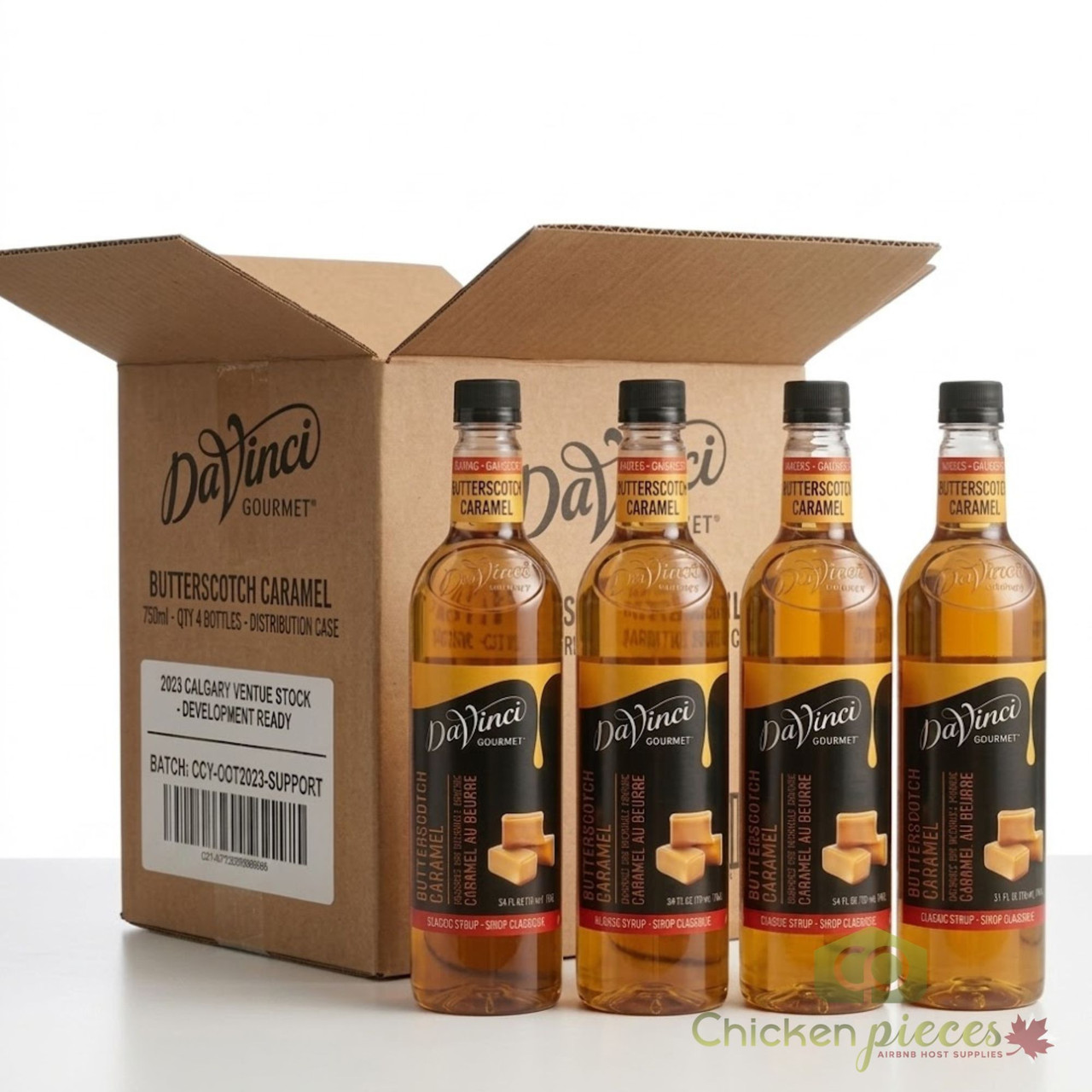
DaVinci Gourmet Syrups for Canadian Operations
The full 750 mL range in stock for cafes, hospitality suites, and multi-unit properties.

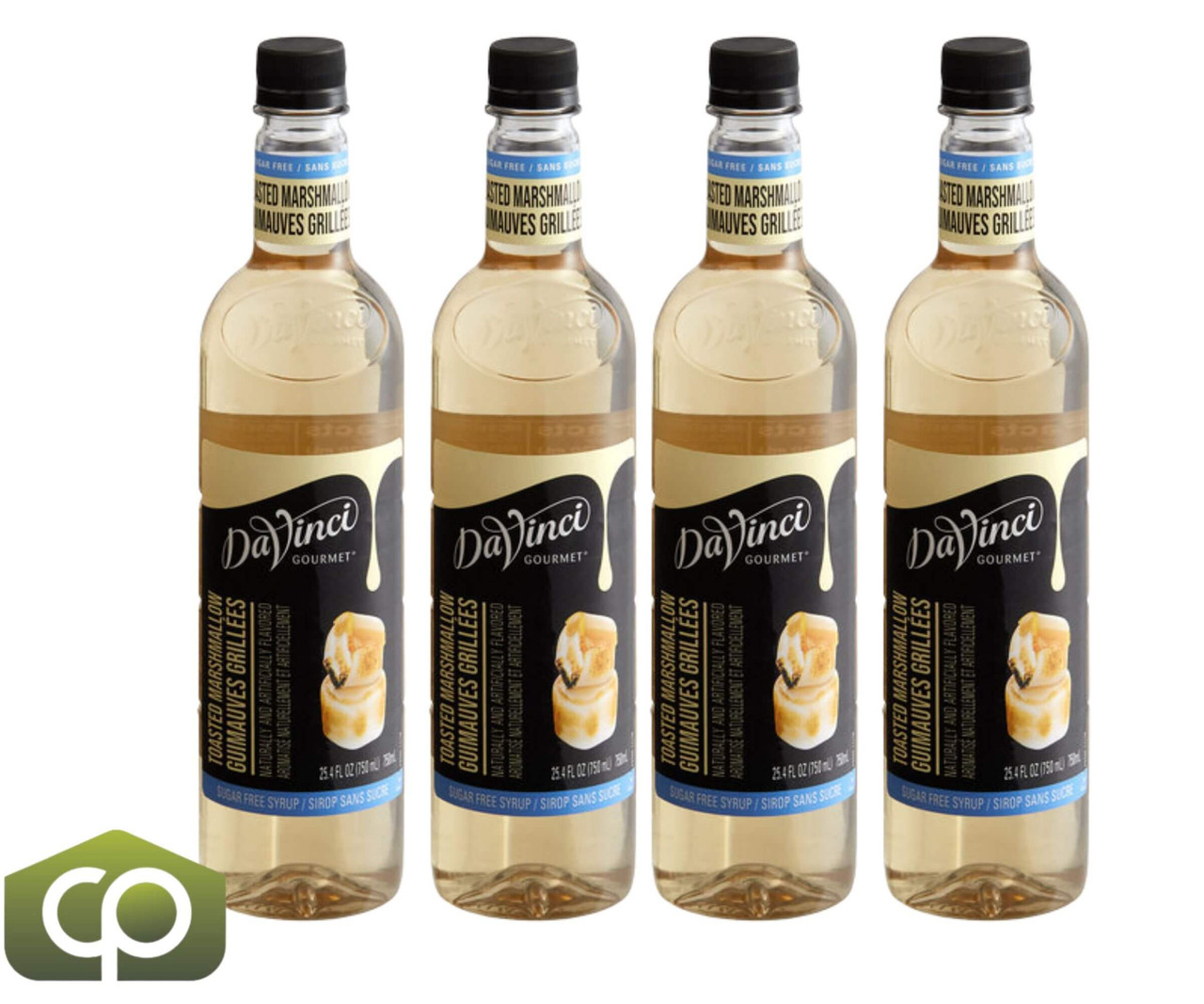
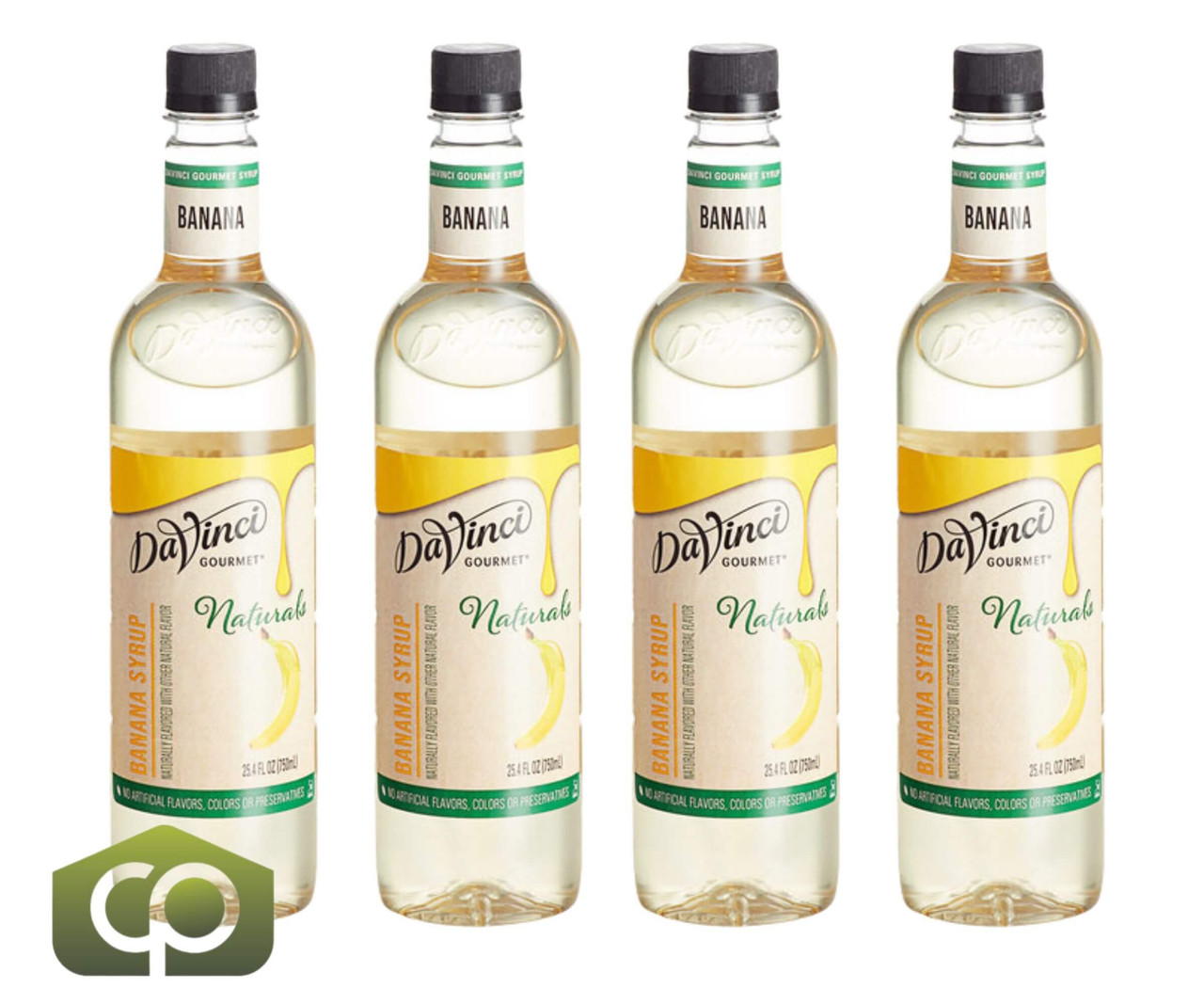
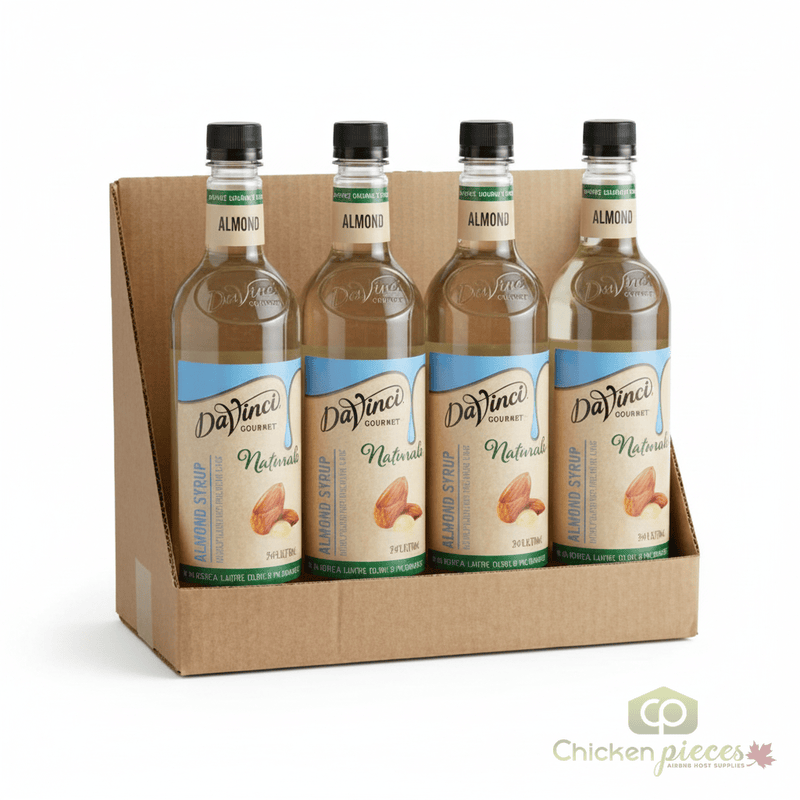
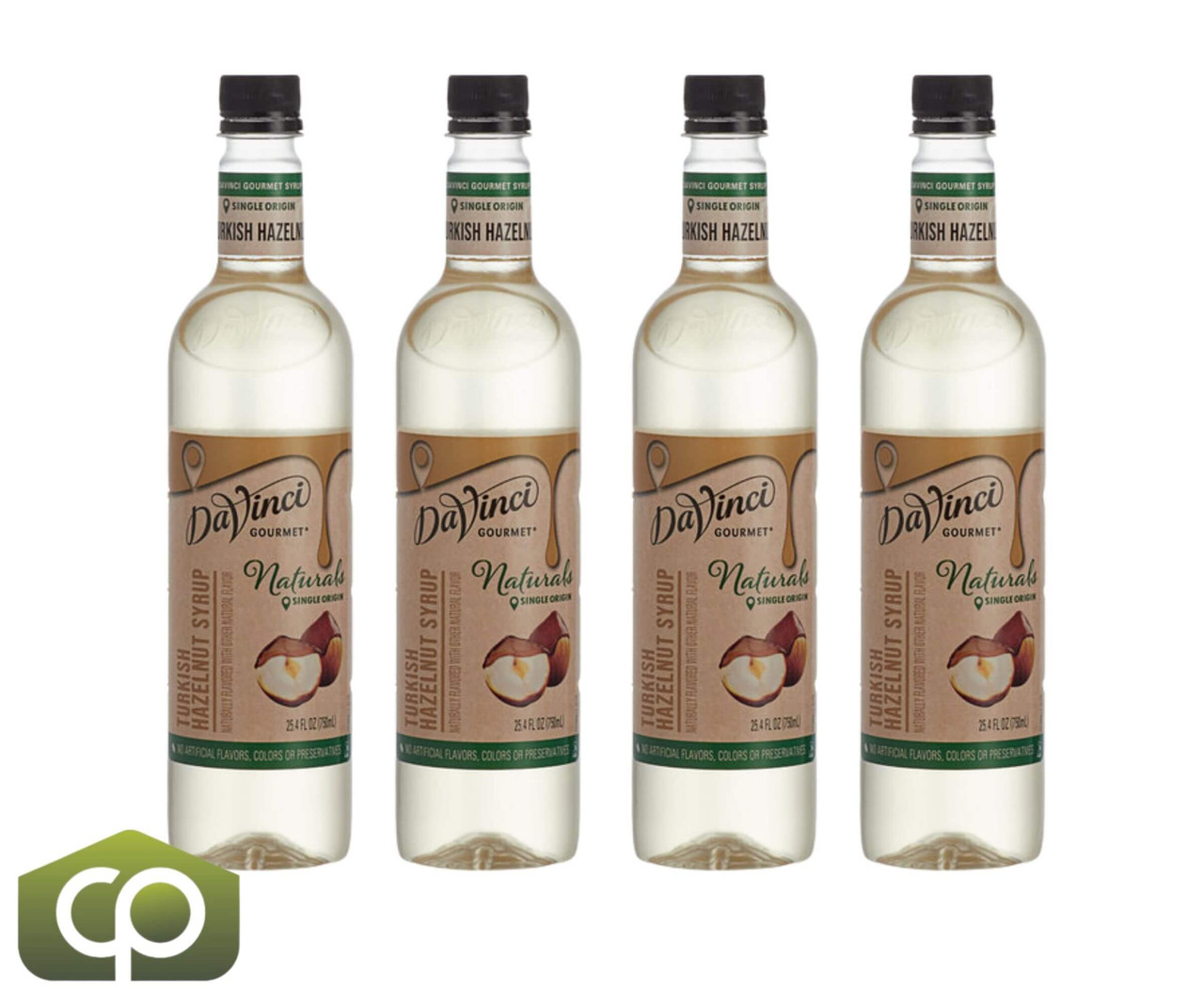
What Canadian cafe operators say
Operators across Canada who dialled in their pump sizing.
I switched from guessing to an 8 mL pump across all stations. My vanilla cost per latte dropped enough to fund a second grinder inside two months.
The sugar-free blueberry was reading thin until I dropped to 7 mL and pulled my espresso longer. Now it is our top summer seller without the sugar crash complaints.
Weighing bottles every Monday caught a pump that was sticking and overdelivering by 2 mL. Fixed it in five minutes and saved a case per month.
Syrup Pump Sizing: Frequently Asked Questions
How many pumps are in a 750 mL bottle?
An 8 mL pump gives roughly 94 pumps. A 10 mL pump gives about 75. Your actual count depends on pump calibration and how much syrup clings to the bottle walls.
Should I use the same pump size for all flavours?
Most cafes standardize on 8 mL for simplicity. Some run 10 mL for bold flavours like butterscotch or hazelnut, and 7 mL for quieter sugar-free options.
Why does sugar-free syrup taste different at the same pump size?
Alternative sweeteners carry different flavour profiles. Sugar-free formulas can read slightly salty or thin. Test and adjust your pump size or espresso ratio before menuing.
Do all-natural syrups need special storage?
Yes. Natural oils can separate and aromatic compounds degrade with heat and light. Store upright in a cool dark place, shake daily, and rotate stock within four weeks.
How do I stop syrup from pooling in the bottom of cold drinks?
Build iced drinks with syrup first, then cold liquid, then espresso. Shake aggressively or use a blender. Hot integration is easier; cold drinks often need a larger pump dose.
What is the best way to train staff on consistent pumping?
Calibrate one pump per station as the master. Have staff practice full strokes against a marked container until the motion is automatic. Audit weekly with random bottle weighs.
Can I mix classic and sugar-free syrups in the same pump?
Never share pumps between formula types. Residue from classic cane sugar syrup will contaminate sugar-free bottles and confuse customers with dietary restrictions.
How often should I replace syrup pumps?
Replace every six months or at first sign of sticking, dripping, or inconsistent volume. A failing pump that overdelivers by 1 mL costs you twelve drinks per bottle.
Why does my cost per drink not match the supplier's calculator?
Supplier calculators use theoretical yields. Your real yield includes waste, overpouring, and pump inconsistency. Track actual pump counts against bottle depletion for true numbers.
How do you calculate shipping on bulk orders?
We calculate shipping on live carrier rates at checkout, not on flat or subsidized tiers. Every order is priced against real LTL, parcel, or pallet-freight quotes from our Calgary warehouse to your dock. That means you never absorb hidden shipping costs into product margins — what we charge is what the carrier charges us, plus a small handling pass-through. For bulk and pallet orders this typically runs 15–25% lower than competitors who bake shipping into their unit prices, because the rate is transparent and tied to the actual shipment weight and distance.
Related guides from ChickenPieces
Why Canadian Operators Buy Syrups Here
Straight wholesale terms with no retail markup, built for multi-location accounts.
Case-Scale Ordering
Order by the case to align with your par levels. No minimums that force you into flavours you do not need.
Pump Compatibility Verified
Every syrup listing notes the tested pump sizes. No guessing whether your existing hardware fits the bottle thread.
Cross-Canada Freight
We ship to every province with live carrier rates at checkout. You see your landed cost before you commit.
Health Canada Compliance
All DaVinci Gourmet products meet CFIA labelling and ingredient disclosure requirements for food service distribution in Canada.
Sources & further reading
- Best Coffee Syrups for Cafes - Brands, Costs & Guide
- Monin 0.25 oz Syrup Pump for 750 mL Bottles
- Regulatory requirements: Preventive controls for food businesses (CFIA)
- Matcha Tutorial Lesson 3: Making Matcha Lattes (Barista-Approved!) — Crafti (YouTube)
- WHICH VANILLA SYRUP IS THE BEST FOR COFFEE DRINKS? MONIN/DA VINCI VANILLA VS TORANI FRENCH VANILLA — Chao Coffee and Tea (YouTube)
- Coffee Syrups (Answering Your Questions!) — Alex Mojica (YouTube)
Request Your Wholesale Syrup Quote
Tell us your pump size, flavour mix, and monthly volume. We will reply with case pricing and freight options. No account needed to inquire.
Request a Quote