
 US Dollar


2026 Jul 19th
Stocking Clear and Full Liquid Diets for Facility Residents
Facility kitchens stock clear liquids like juices and broths for immediate pre-op needs, then transition to full liquids such as milkshakes or strained soups during recovery. We provide bulk cases of these essential items to ensure consistent availability for patient care protocols across Canadian facilities.
Stocking Clear and Full Liquid Diets for Facility Residents
Facility operators need reliable stock of clear and full liquids to meet strict dietary protocols for residents undergoing medical procedures or recovery periods.
Key Takeaways
Review key stocking strategies and product specifications below.
Define Liquid Clarity
Clear liquids pass through a coffee filter without residue. This strict definition guides procurement decisions for pre-operative orders in surgical or diagnostic settings.
Transition to Full Liquids
Full liquids include thicker substances like milkshakes and strained soups. These provide more nutrition while remaining easy to digest during early recovery phases.
Bulk Case Efficiency
Ordering in bulk cases reduces administrative waste and ensures steady inventory levels. This approach supports consistent meal planning without frequent small orders disrupting operations.
Canadian Sourcing Benefits
Locally produced juices and broths reduce shipping times and carbon footprints. Supporting Canadian manufacturers aligns with sustainability goals for modern facility management teams.
Shelf Stability Matters
Many liquid diet items offer long shelf lives when unopened. This feature helps facilities manage inventory rotation effectively while maintaining strict food safety standards.
Patient Preference Variety
Offering diverse flavors like cranberry or watermelon improves compliance. Residents are more likely to stay hydrated when choices match their personal taste preferences.
Understanding Clear and Full Liquid Requirements
Distinguishing between these two dietary stages is vital for proper patient care and nutritional support.
Clear liquid diets serve a specific medical purpose in facility settings. These meals consist of transparent fluids that leave no residue in the digestive tract. Examples include water, black coffee, and certain fruit juices without pulp. Staff must understand this distinction clearly to avoid errors in meal preparation or distribution.
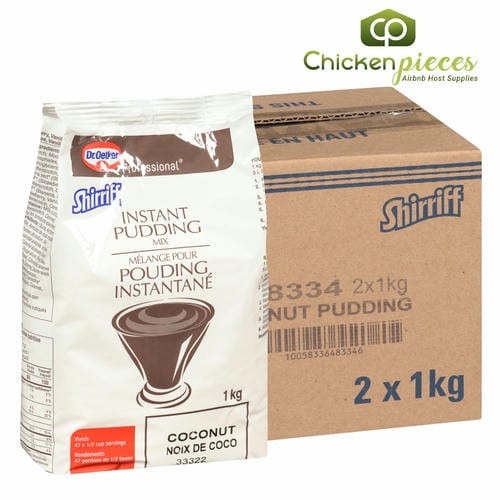
Full liquid diets expand the range of acceptable items while remaining easy to swallow and digest. This stage often follows clear liquids as patients begin recovering strength. Items like milkshakes, cream soups, and pudding fall into this category. Proper stocking ensures these options are available when medical staff authorize the transition.
Facility kitchens must balance nutritional needs with strict dietary restrictions. Liquid diets provide hydration and minimal calories without taxing the digestive system. Understanding these parameters helps procurement teams select appropriate products that meet both clinical standards and patient satisfaction goals effectively.
Essential Clear Liquids for Pre-Operative Care
Stocking the right clear liquids ensures patients remain hydrated before surgery while adhering to safety protocols.
Hydration is critical before surgical procedures, but intake must be strictly controlled. Clear juices like apple or white grape are ideal choices because they digest quickly. These beverages help maintain blood volume without interfering with anesthesia safety margins. Facilities should keep ample supplies of these standard items on hand.
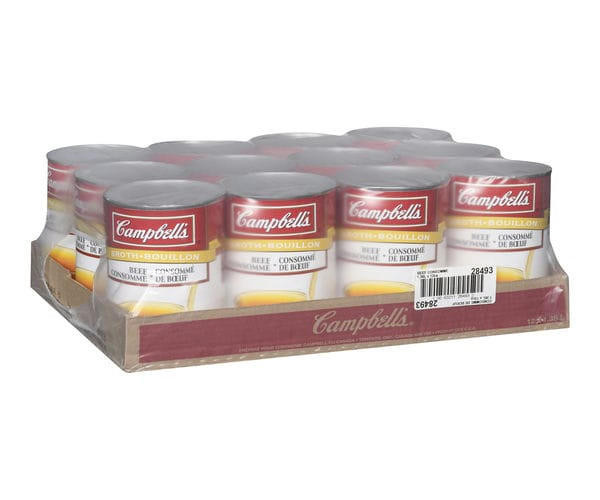
Broths and consommés offer another excellent option for clear liquid diets. They provide some electrolytes and flavor while remaining transparent. Chicken or vegetable broths are common choices in Canadian facilities. Having these available supports patient comfort during the fasting period leading up to operations.
Carbonated beverages may be allowed depending on specific medical instructions. Some patients find sparkling water aids hydration when plain water is unappealing. However, clarity remains the non-negotiable factor. Procurement teams must verify that any carbonated options meet strict transparency criteria before adding them to inventory.
Transitioning Residents to Full Liquid Options
As patients heal, expanding their diet to include full liquids supports better nutrition and comfort levels.
The move from clear to full liquids marks a significant step in recovery. This phase allows for more substantial nutrition without solid foods. Milkshakes, ice cream popsicles, and strained soups become viable options. These items provide calories and protein that support tissue repair and energy restoration.
Facility kitchens benefit from stocking a variety of full liquid products. Variety prevents menu fatigue and encourages adequate intake among residents who may have limited appetites. Offering different flavors and textures helps maintain engagement with meals. This strategy supports overall health outcomes during the recovery period.
Proper storage is essential for maintaining quality in full liquid items. Many of these products require refrigeration once opened or if they contain dairy. Ensuring adequate cold storage capacity prevents spoilage and maintains safety standards. Regular inventory checks help manage rotation and reduce waste effectively.
Efficient Bulk Ordering for Facility Kitchens
Strategic bulk purchasing reduces costs and ensures consistent availability of critical dietary supplies.
Buying in bulk cases offers significant advantages for facility operations. Larger quantities mean fewer orders placed, reducing administrative overhead. This efficiency allows staff to focus more on direct patient care rather than logistical tasks. Consistent supply levels prevent shortages during peak demand periods.
Shelf-stable products are particularly valuable for bulk inventory management. Juices and broths that do not require immediate refrigeration offer flexibility in storage planning. Facilities can store these items in dry areas until needed, optimizing space usage. This approach simplifies kitchen workflow significantly.
Reliable suppliers play a key role in successful bulk procurement. Partners who understand healthcare dietary needs provide better product recommendations and support. Establishing strong relationships with vendors ensures priority access to high-demand items. This collaboration enhances overall supply chain resilience for facility managers.
Sourcing High-Quality Canadian Dietary Products
Local sourcing supports regional economies and reduces environmental impact while ensuring product freshness.
Canadian-produced juices and broths meet rigorous national safety standards. These products undergo strict testing to ensure purity and consistency. Choosing locally made items supports domestic agriculture and manufacturing sectors. This choice aligns with many facilities' sustainability and community support initiatives.
Freshness is a key benefit of sourcing from nearby producers. Shorter transportation times mean products spend less time in transit. This factor contributes to better flavor retention and nutritional value. Residents notice the difference in quality, leading to higher satisfaction rates.
Diverse Canadian brands offer a wide range of options. From cranberry cocktails to pear halves in juice, variety is abundant. Facilities can tailor their selections to meet specific dietary preferences and requirements. This diversity enhances meal planning flexibility for nutrition teams.
Managing Liquid Diet Inventory Effectively
Proper inventory control prevents waste and ensures that residents always have access to their required diets.
Tracking expiration dates is key for managing liquid diet inventory. Regular audits help identify items nearing their end date. This proactive approach prevents accidental serving of expired products. It also ensures that fresh items are prioritized for resident consumption.
Storage conditions vary depending on the product type. Refrigerated items must be kept at stable temperatures to maintain safety. Dry storage areas should be cool and dry to preserve shelf-stable goods. Adhering to these guidelines extends product life and maintains quality.
Communication between kitchen staff and procurement is vital. Accurate usage data helps predict future needs more precisely. This collaboration reduces over-ordering and under-stocking scenarios. Effective communication streamlines operations and supports better patient care outcomes.
Comparing Liquid Diet Product Types
Review key attributes to select appropriate items for your facility's dietary needs.
| Product Type | Clarity Level | Typical Use Case | Storage Requirement |
|---|---|---|---|
| White Grape Juice | Clear | Pre-op hydration | Refrigerated after opening |
| Cranberry Cocktail | Clear | Pre-op hydration | Refrigerated after opening |
| Watermelon Juice | Clear | Pre-op hydration | Refrigerated after opening |
| Chicken Consommé | Clear | Post-op recovery | Refrigerated |
| Strained Vegetable Soup | Full | Post-op nutrition | Refrigerated |
| Milkshake | Full | Post-op calories | Frozen/Refrigerated |
| Pear Halves in Juice | Full | Post-op solids transition | Shelf-stable until opened |
Browse Dietary Supply Products
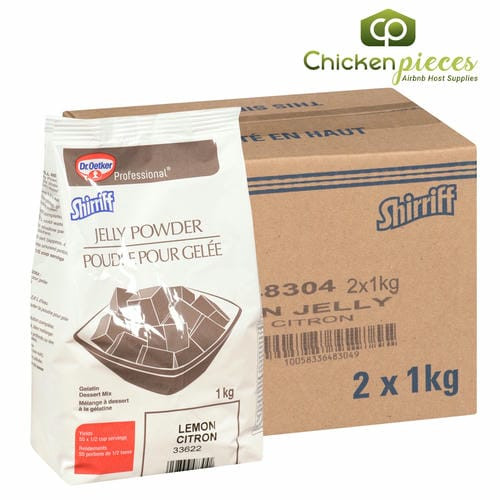
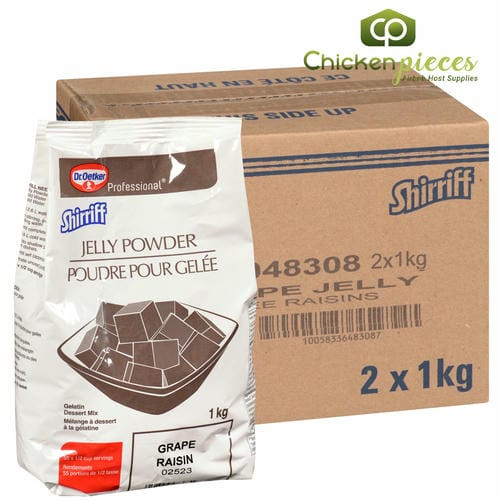
Explore our comprehensive range of clear and full liquid items tailored for facility kitchens.



What Canadian facility managers say
Read feedback from professionals who manage dietary supplies across Canada.
Our residents appreciate the variety of juices available. The bulk cases save us time on ordering, and the quality is consistently high every single delivery we receive.
Switching to local suppliers improved our freshness metrics significantly. The cranberry cocktail is a favorite among patients, and it meets all our strict clarity requirements perfectly.
Reliable stock levels help us avoid last-minute shortages. The pear halves in juice are perfect for transitioning residents to soft foods without compromising on nutritional value provided.
Liquid Diet FAQs: Frequently Asked Questions
What defines a clear liquid diet?
A clear liquid diet includes transparent fluids that leave no residue in the digestive tract. Examples are water, black coffee, and strained fruit juices without pulp. These items digest quickly and are often prescribed before surgery or during acute illness to rest the gastrointestinal system.
When should residents transition to full liquids?
The transition occurs when medical staff determine the patient can handle thicker substances. This usually happens after a period of clear liquids, as recovery progresses. Full liquids provide more nutrition while remaining easy to swallow and digest for those not ready for solid foods yet.
Are all juices considered clear liquids?
No, only juices without pulp or sediment qualify as clear. Apple, white grape, and cranberry cocktails are typically acceptable. Orange juice with pulp or cloudy vegetable juices do not meet the clarity standard required for strict pre-operative protocols in most medical settings.
How long can unopened juice cases be stored?
Unopened shelf-stable juice cases can last for months, depending on the manufacturer's expiration date. Always check labels for specific timelines. Once opened, juices generally require refrigeration and should be consumed within a few days to maintain safety and quality standards.
Do you supply organic liquid diet options?
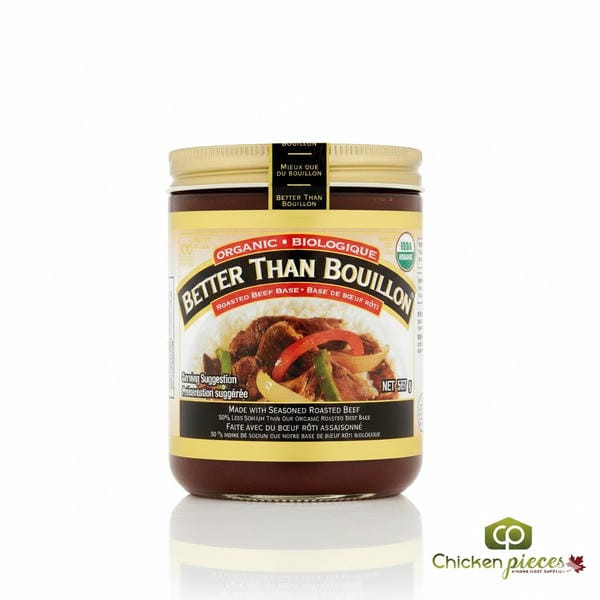
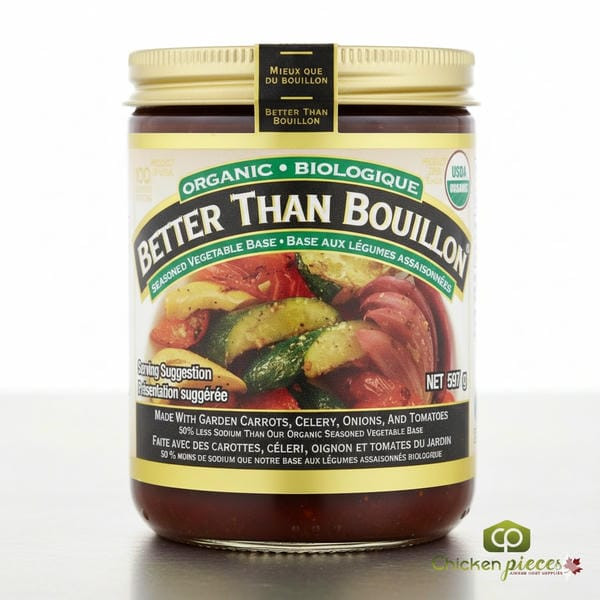
We offer a range of products including some organic selections where available. Our primary focus is on meeting strict dietary clarity and nutritional requirements for facility residents. Contact our sales team to discuss specific organic needs or alternative sourcing options for your kitchen.
What is the minimum order quantity?
Minimum order quantities vary by product type and case size. Bulk items often have specific case pack requirements. We encourage large facilities to review our catalog details for precise MOQ information or consult with a representative to tailor orders to your volume needs effectively.
Can you customize diet menus for residents?
While we supply the ingredients, menu customization is typically handled by facility nutritionists. We provide the raw materials needed to create compliant meals. Our diverse product range supports various dietary preferences and restrictions, enabling your team to craft appropriate menus easily.
How do you ensure product freshness?
We implement strict inventory rotation practices and quality control checks before shipping. Products are stored under optimal conditions in our warehouses. This process ensures that items arrive at your facility with maximum shelf life remaining, supporting your food safety efforts.
Are your products compliant with Canadian standards?
Yes, all products meet relevant Health Canada and CFIA regulations. We source from reputable manufacturers who adhere to national food safety guidelines. This compliance ensures that every item supplied is safe for consumption by residents in healthcare and residential facilities across Canada.
How do you calculate shipping on bulk orders?
We calculate shipping on live carrier rates at checkout, not on flat or subsidized tiers. Every order is priced against real LTL, parcel, or pallet-freight quotes from our Calgary warehouse to your dock. That means you never absorb hidden shipping costs into product margins — what we charge is what the carrier charges us, plus a small handling pass-through. For bulk and pallet orders this typically runs 15–25% lower than competitors who bake shipping into their unit prices, because the rate is transparent and tied to the actual shipment weight and distance.
Related guides from ChickenPieces
Why Partner With ChickenPieces
We deliver reliable supply chain solutions tailored specifically for Canadian facility operators.
Local Distribution Hub
Our Calgary-based warehouse ensures fast delivery across Western Canada. This proximity reduces transit times and keeps your inventory levels consistent without unexpected delays affecting resident care schedules.
Dietary Expertise Focus
We understand the nuances of clear and full liquid diets. Our team helps you select products that meet strict medical criteria, ensuring compliance with facility protocols while offering variety for patient satisfaction needs.
Bulk Pricing Efficiency
Ordering in bulk cases reduces per-unit costs and administrative overhead. This efficiency allows your kitchen staff to focus on preparation rather than frequent small orders, optimizing both budget and operational workflow effectively.
Regulatory Compliance Assurance
All products adhere to Health Canada and CFIA standards. This strict compliance ensures safety and quality for every item delivered, giving you peace of mind regarding food safety audits and resident well-being requirements.
Sources & further reading
- Healthy eating — Health Canada
- Dietitians of Canada — Dietitians of Canada
- Food safety — Health Canada
Request Your Custom Quote Today
Contact our sales team to discuss your specific dietary supply needs. We will provide a tailored quote that fits your facility's volume and budget requirements efficiently.
Request a Quote