
2026 Aug 28th
Cleaning vs Sanitizing: A Food-Contact Buying Guide
Cleaning removes visible dirt, grease, and food residue with detergent and water. Sanitizing then reduces germs on an already-clean surface to a safe level. They are two separate steps in a specific order — you clean first, then sanitize — and they need different products. This guide explains the difference and helps you buy the right cleaner and the right sanitizer for a food-contact kitchen, following your local food-safety guidance.
Cleaning vs Sanitizing: A Food-Contact Buying Guide
Cleaning and sanitizing are not the same thing, and a food-contact kitchen needs both, in the right order. This buying guide explains the difference in plain terms and helps you choose the right products for each step — without over-buying or mixing up their jobs.
Key Takeaways
The difference every food-contact kitchen needs to get right when buying supplies.
Cleaning and sanitizing are different jobs
Cleaning removes visible soil; sanitizing reduces germs. One does not replace the other.
Order matters
You clean first, then sanitize. Sanitizer works properly only on an already-clean surface.
Each step needs its own product
A detergent cleans; a sanitizer sanitizes. Buying one does not cover the other job.
Follow the product directions
Sanitizers work at a specific strength and contact time. The label and test strips confirm it.
Match products to surfaces
Food-contact surfaces need food-safe sanitizer; floors and general areas use different cleaners.
Buy for both steps deliberately
A complete sanitation supply list covers cleaning and sanitizing, not just one.
What cleaning and sanitizing actually mean
The plain-English difference between two steps people often blur together.
The single most common mix-up in kitchen sanitation is treating cleaning and sanitizing as the same thing. They are not. Cleaning is the physical removal of visible dirt, grease, and food residue using detergent and water — it makes a surface look clean. Sanitizing is a separate step that reduces the germs on that surface to a safe level — something you cannot see happening.
This matters because each step has a job the other cannot do. A sanitizer applied over grease and food residue cannot work properly — the soil gets in its way. And a surface that has been cleaned but not sanitized may look spotless while still carrying germs. Food safety needs both, which is why food-safety guidance treats them as distinct steps.
The order is fixed: clean first, then sanitize. Get that order and that distinction right, and the buying decisions that follow become straightforward.
Choosing the right cleaners
The detergents and degreasers that handle the first step.
The cleaning step is about removing soil, so the products are detergents and degreasers matched to what you are cleaning. A commercial kitchen typically needs a general-purpose detergent for everyday surfaces and a stronger degreaser for the grease-heavy zones — cooking surfaces, hoods, floors near the line.
Match the cleaner to the surface and the soil. Floors, food-prep surfaces, and heavy grease each have suitable products, and using the right one makes the step faster and more effective. Dish and warewashing detergents are their own category again, matched to manual or machine washing.
Cleaning is where you remove what sanitizer would otherwise struggle against, so it is worth stocking the right detergents rather than trying to make one product do everything. Done well, it sets the sanitizing step up to actually work.
Choosing the right sanitizers
The food-safe sanitizers that handle the second step, at the right strength.
Sanitizing needs a product designed for the job and, crucially, used the way its label directs. Food-contact sanitizers work at a specific strength (concentration) and need a specific contact time on the surface to be effective — more is not better, and too little does not work. Test strips let you confirm the sanitizer is mixed to the right strength, which is why they belong on the supply list alongside the sanitizer itself.
Match the sanitizer to food-contact use. Surfaces that touch food need a sanitizer suitable and directed for food-contact surfaces, applied after cleaning. General-area disinfection is a related but different need, so read what each product is for rather than assuming one covers everything.
The safe rule is to follow the product directions exactly — strength, contact time, and whether a rinse is needed — and to verify strength with test strips rather than by eye. That is what turns a bottle of sanitizer into an actually-sanitized surface.
Building a complete sanitation supply list
Covering both steps, matched to surfaces, without over-buying.
A complete sanitation supply list covers both steps and matches products to surfaces. For cleaning: a general detergent, a degreaser for the grease zones, and warewashing detergent. For sanitizing: a food-contact sanitizer plus test strips to confirm strength. Around them: gloves, cloths, and paper towel for applying and wiping.
The most common buying mistake is covering one step and assuming it handles the other — stocking plenty of sanitizer but no proper degreaser, or vice versa. Because the two steps do different jobs, the list has to deliberately cover both, or the sanitation routine has a gap in it.
You do not need a huge range, though. A tight set — one good cleaner per soil type, one food-contact sanitizer, test strips, and the application consumables — covers a typical kitchen. Pair the list with a written cleaning schedule so the products and the tasks stay in step.
Sourcing cleaning and sanitizing supply together
Getting both steps from one place, matched and complete.
Because cleaning and sanitizing supply go together, they are easiest to buy together — a complete list from one place, matched to your surfaces, with nothing missing from either step. We stock detergents, degreasers, food-contact sanitizers, test strips, and the application consumables, and ship Canada-wide from Calgary with no minimum order.
That lets you build the whole two-step list in one order and reorder the steady items on a schedule that matches your cleaning routine. The products below cover both cleaning and sanitizing for a typical food-contact kitchen.
For the specifics of what your operation must do — which sanitizer strengths, which contact times, which records — follow your local health authority's food-safety guidance and each product's directions. We supply the products; the requirements come from those official sources.
Cleaning vs sanitizing at a glance
The two steps side by side, and what each needs.
| Cleaning | Sanitizing | |
|---|---|---|
| What it does | Removes visible dirt, grease, residue | Reduces germs to a safe level |
| When | First step | Second step, after cleaning |
| Products | Detergents, degreasers | Food-contact sanitizers |
| Key to getting it right | Match cleaner to soil and surface | Right strength and contact time |
| How you verify | Surface looks and feels clean | Test strips confirm strength |
| Food-contact surfaces | General or warewashing detergent | Food-contact-directed sanitizer |
| Can one replace the other? | No — cannot reduce germs alone | No — cannot work over soil |
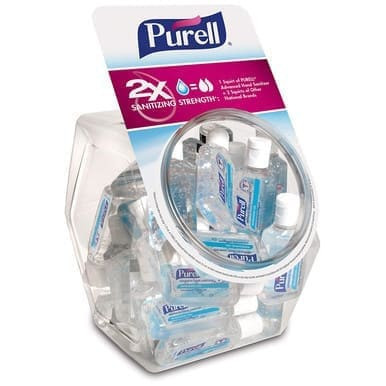
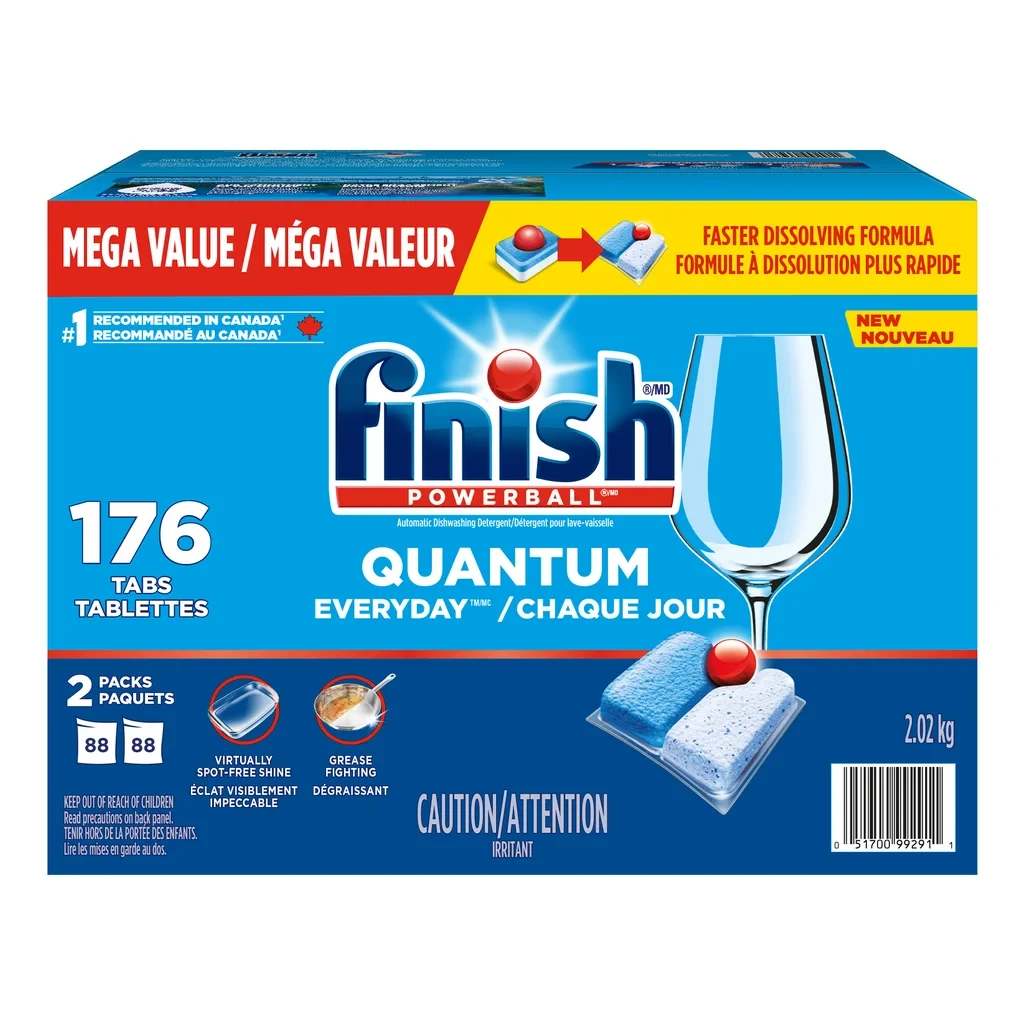
Cleaning and sanitizing supplies
Detergents, degreasers, sanitizers, and consumables stocked in Calgary and shipped Canada-wide.





How kitchens get the two steps right
Feedback from operators who buy for both cleaning and sanitizing.
We realized we'd been sanitizing over grease for months because we had no proper degreaser. Buying for both steps fixed a real gap in our routine.
Keeping test strips next to the sanitizer was a small change that made a big difference — we finally knew the mix was right instead of guessing.
Ordering the whole cleaning-and-sanitizing list from one place meant nothing was missing. Matching products to each surface made our cleaning faster too.
Cleaning and sanitizing questions, answered
When is cleaning and sanitizing food contact surfaces necessary?
Clean and sanitize after each use, when switching between raw and ready-to-eat foods, after any contamination, and at least every four hours during continuous use. Surfaces should also be done at the start and end of every shift, and before using equipment that has been sitting.
Is sanitizing better than disinfecting?
Neither is better; they do different jobs. Sanitizing lowers germs to a safe level and is designed for food-contact surfaces. Disinfecting kills nearly all germs listed on the label and is used on non-food surfaces like washrooms and door handles. Disinfectants often need rinsing before food contact.
What is the difference between disinfection and sterilization?
Disinfection kills most disease-causing germs on surfaces but not all bacterial spores. Sterilization destroys all microorganisms, including spores, usually with steam under pressure, dry heat or chemical sterilants. Kitchens sanitize and disinfect; sterilization is reserved for medical instruments, lab equipment and some packaging.
Do I need to rinse after using an all-purpose cleaner on food-prep surfaces?
Yes. Rinse with clean water after any detergent or all-purpose cleaner so residue doesn't get into food or weaken your sanitizer. Then sanitize. Only food-contact sanitizers used at label strength are typically left to air dry without rinsing, so read each label to know which kind you have.
What is the difference between cleaning and sanitizing?
Cleaning removes visible soil, grease and food residue using detergent, water and scrubbing. Sanitizing reduces the germs left on an already clean surface to a safe level, using an approved sanitizer at the right concentration and contact time. Sanitizer can't work properly through dirt, so both steps matter.
Which comes first, cleaning or sanitizing?
Cleaning always comes first. Food soil and grease shield germs and use up the sanitizer, especially chlorine and quat. Scrape, wash with detergent, rinse with clean water, then apply sanitizer and let it air dry. Skipping the wash step is the most common reason sanitizing fails.
What are the 5 steps of cleaning and sanitizing?
How do you sanitize food contact surfaces?
Does vinegar sanitize or disinfect?
Why source cleaning and sanitizing supply with ChickenPieces
Cleaning and sanitizing are two steps that belong on one supply list. We stock both, matched to your surfaces, and ship Canada-wide with no minimum order.
Both steps, one order
Detergents, degreasers, sanitizers, and test strips together, so neither step has a gap.
Matched to your surfaces
The right cleaner per soil type and a food-contact sanitizer, not a one-size compromise.
Reorder on schedule
Steady sanitation items on a standing reorder tied to your cleaning routine.
Canadian-owned, shipped nationwide
Stocked in Calgary and shipped Canada-wide, with transparent live-rate shipping at checkout.
Get both steps right
Tell us your surfaces and setup, and we will help you build a complete cleaning-and-sanitizing supply list with nothing missing from either step. Follow your local food-safety guidance for the specifics. No minimum order, shipped across Canada.
Request a QuoteReferences: Health Canada - Disinfectants CDC - Guideline for Disinfection and Sterilization.