
2026 Aug 28th
Cleaning vs Sanitizing: A Food-Contact Buying Guide
Cleaning removes visible dirt, grease, and food residue with detergent and water. Sanitizing then reduces germs on an already-clean surface to a safe level. They are two separate steps in a specific order — you clean first, then sanitize — and they need different products. This guide explains the difference and helps you buy the right cleaner and the right sanitizer for a food-contact kitchen, following your local food-safety guidance.
Cleaning vs Sanitizing: A Food-Contact Buying Guide
Cleaning and sanitizing are not the same thing, and a food-contact kitchen needs both, in the right order. This buying guide explains the difference in plain terms and helps you choose the right products for each step — without over-buying or mixing up their jobs.
Key Takeaways
The difference every food-contact kitchen needs to get right when buying supplies.
Cleaning and sanitizing are different jobs
Cleaning removes visible soil; sanitizing reduces germs. One does not replace the other.
Order matters
You clean first, then sanitize. Sanitizer works properly only on an already-clean surface.
Each step needs its own product
A detergent cleans; a sanitizer sanitizes. Buying one does not cover the other job.
Follow the product directions
Sanitizers work at a specific strength and contact time. The label and test strips confirm it.
Match products to surfaces
Food-contact surfaces need food-safe sanitizer; floors and general areas use different cleaners.
Buy for both steps deliberately
A complete sanitation supply list covers cleaning and sanitizing, not just one.
What cleaning and sanitizing actually mean
The plain-English difference between two steps people often blur together.
The single most common mix-up in kitchen sanitation is treating cleaning and sanitizing as the same thing. They are not. Cleaning is the physical removal of visible dirt, grease, and food residue using detergent and water — it makes a surface look clean. Sanitizing is a separate step that reduces the germs on that surface to a safe level — something you cannot see happening.
This matters because each step has a job the other cannot do. A sanitizer applied over grease and food residue cannot work properly — the soil gets in its way. And a surface that has been cleaned but not sanitized may look spotless while still carrying germs. Food safety needs both, which is why food-safety guidance treats them as distinct steps.
The order is fixed: clean first, then sanitize. Get that order and that distinction right, and the buying decisions that follow become straightforward.
Choosing the right cleaners
The detergents and degreasers that handle the first step.
The cleaning step is about removing soil, so the products are detergents and degreasers matched to what you are cleaning. A commercial kitchen typically needs a general-purpose detergent for everyday surfaces and a stronger degreaser for the grease-heavy zones — cooking surfaces, hoods, floors near the line.
Match the cleaner to the surface and the soil. Floors, food-prep surfaces, and heavy grease each have suitable products, and using the right one makes the step faster and more effective. Dish and warewashing detergents are their own category again, matched to manual or machine washing.
Cleaning is where you remove what sanitizer would otherwise struggle against, so it is worth stocking the right detergents rather than trying to make one product do everything. Done well, it sets the sanitizing step up to actually work.
Choosing the right sanitizers
The food-safe sanitizers that handle the second step, at the right strength.
Sanitizing needs a product designed for the job and, crucially, used the way its label directs. Food-contact sanitizers work at a specific strength (concentration) and need a specific contact time on the surface to be effective — more is not better, and too little does not work. Test strips let you confirm the sanitizer is mixed to the right strength, which is why they belong on the supply list alongside the sanitizer itself.
Match the sanitizer to food-contact use. Surfaces that touch food need a sanitizer suitable and directed for food-contact surfaces, applied after cleaning. General-area disinfection is a related but different need, so read what each product is for rather than assuming one covers everything.
The safe rule is to follow the product directions exactly — strength, contact time, and whether a rinse is needed — and to verify strength with test strips rather than by eye. That is what turns a bottle of sanitizer into an actually-sanitized surface.
Building a complete sanitation supply list
Covering both steps, matched to surfaces, without over-buying.
A complete sanitation supply list covers both steps and matches products to surfaces. For cleaning: a general detergent, a degreaser for the grease zones, and warewashing detergent. For sanitizing: a food-contact sanitizer plus test strips to confirm strength. Around them: gloves, cloths, and paper towel for applying and wiping.
The most common buying mistake is covering one step and assuming it handles the other — stocking plenty of sanitizer but no proper degreaser, or vice versa. Because the two steps do different jobs, the list has to deliberately cover both, or the sanitation routine has a gap in it.
You do not need a huge range, though. A tight set — one good cleaner per soil type, one food-contact sanitizer, test strips, and the application consumables — covers a typical kitchen. Pair the list with a written cleaning schedule so the products and the tasks stay in step.
Sourcing cleaning and sanitizing supply together
Getting both steps from one place, matched and complete.
Because cleaning and sanitizing supply go together, they are easiest to buy together — a complete list from one place, matched to your surfaces, with nothing missing from either step. We stock detergents, degreasers, food-contact sanitizers, test strips, and the application consumables, and ship Canada-wide from Calgary with no minimum order.
That lets you build the whole two-step list in one order and reorder the steady items on a schedule that matches your cleaning routine. The products below cover both cleaning and sanitizing for a typical food-contact kitchen.
For the specifics of what your operation must do — which sanitizer strengths, which contact times, which records — follow your local health authority's food-safety guidance and each product's directions. We supply the products; the requirements come from those official sources.
Cleaning vs sanitizing at a glance
The two steps side by side, and what each needs.
| Cleaning | Sanitizing | |
|---|---|---|
| What it does | Removes visible dirt, grease, residue | Reduces germs to a safe level |
| When | First step | Second step, after cleaning |
| Products | Detergents, degreasers | Food-contact sanitizers |
| Key to getting it right | Match cleaner to soil and surface | Right strength and contact time |
| How you verify | Surface looks and feels clean | Test strips confirm strength |
| Food-contact surfaces | General or warewashing detergent | Food-contact-directed sanitizer |
| Can one replace the other? | No — cannot reduce germs alone | No — cannot work over soil |
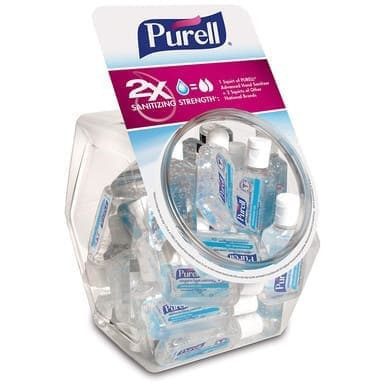
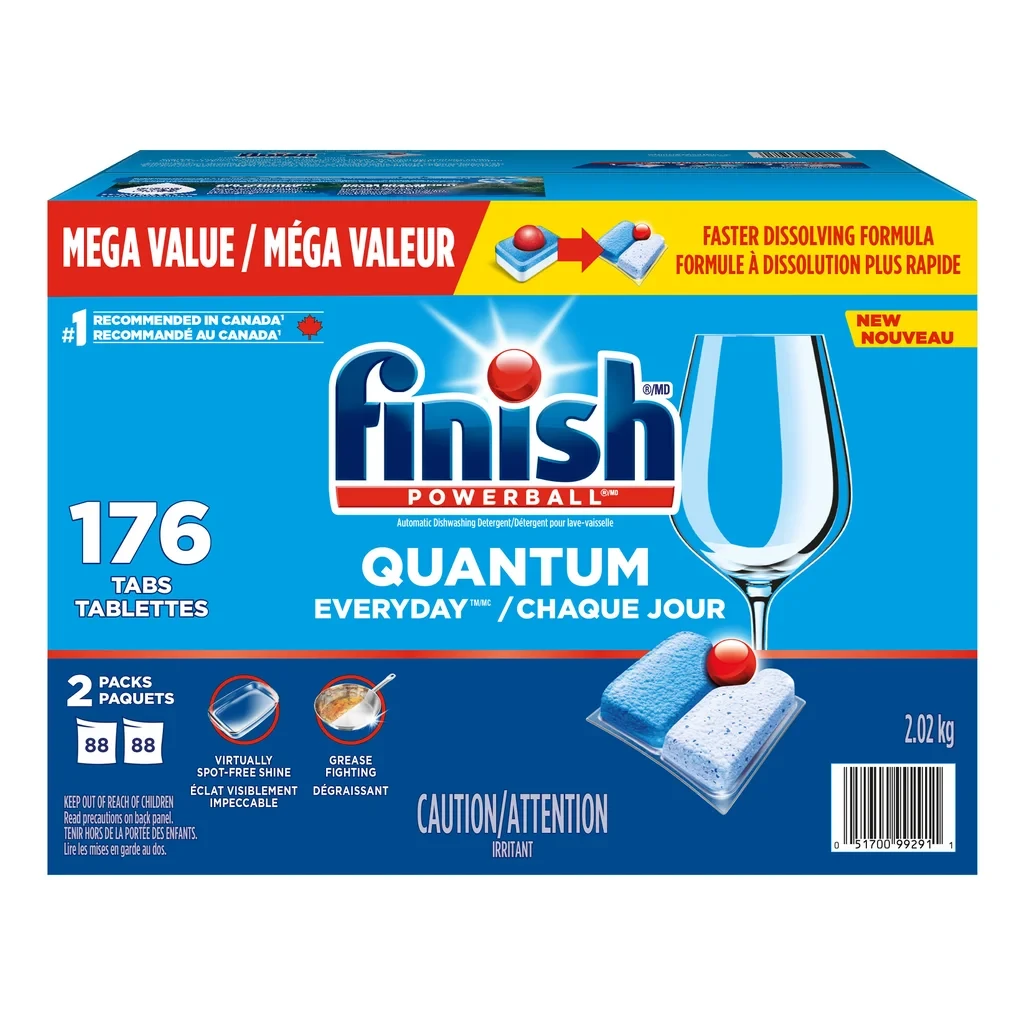
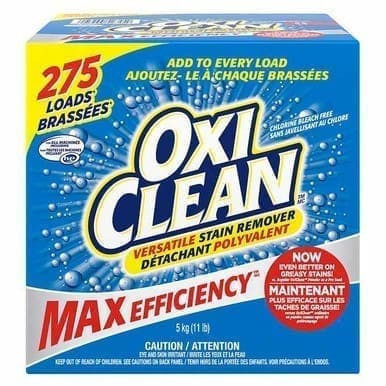
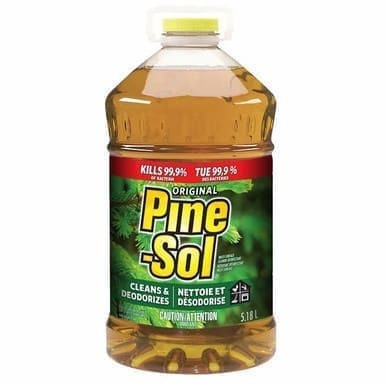
Cleaning and sanitizing supplies
Detergents, degreasers, sanitizers, and consumables stocked in Calgary and shipped Canada-wide.





How kitchens get the two steps right
Feedback from operators who buy for both cleaning and sanitizing.
We realized we'd been sanitizing over grease for months because we had no proper degreaser. Buying for both steps fixed a real gap in our routine.
Keeping test strips next to the sanitizer was a small change that made a big difference — we finally knew the mix was right instead of guessing.
Ordering the whole cleaning-and-sanitizing list from one place meant nothing was missing. Matching products to each surface made our cleaning faster too.
Cleaning and sanitizing questions, answered
What is the difference between cleaning and sanitizing
Cleaning is the physical removal of visible dirt, grease, and food residue using detergent and water — it makes a surface look clean. Sanitizing is a separate step that reduces the germs on an already-clean surface to a safe level. They are two different jobs: cleaning removes what you can see, sanitizing addresses what you cannot, and a food-contact kitchen needs both.
Do I clean or sanitize first
Clean first, then sanitize. The order is fixed because sanitizer cannot work properly over grease and food residue — the soil gets in its way. Cleaning removes that soil so the sanitizer can then reduce germs on the surface. Sanitizing a surface that has not been cleaned first is not effective, which is why food-safety guidance treats them as two ordered steps.
Can one product both clean and sanitize
Some products are marketed for both, but the two jobs are distinct and it is safest to treat them as separate steps with the right product for each, following the product's directions. A detergent removes soil; a sanitizer reduces germs at a specific strength and contact time. If you use a combined product, read exactly what it is directed to do and how, and verify sanitizing strength where relevant.
What cleaning products does a commercial kitchen need
Match cleaners to soil and surface: a general-purpose detergent for everyday surfaces, a stronger degreaser for grease-heavy zones like cooking surfaces and hoods, and warewashing detergent for dishes (manual or machine). Using the right cleaner for each job makes the cleaning step faster and more effective, and sets up the sanitizing step to actually work.
How do I choose a food-contact sanitizer
Choose a sanitizer suitable and directed for food-contact surfaces, and use it exactly as its label directs — at the right strength and for the right contact time. Keep test strips on hand to confirm the sanitizer is mixed to the correct strength, since more is not better and too little does not work. Follow your local food-safety guidance for the specific requirements that apply to you.
Why do I need sanitizer test strips
Because a sanitizer only works at the right strength, and you cannot judge that by eye. Test strips let you confirm the sanitizer is mixed to the concentration its label specifies, so you know the surface is actually being sanitized rather than treated with a mix that is too weak to work or wastefully strong. They belong on the supply list alongside the sanitizer itself.
Are cleaning products for floors and food surfaces the same
Not usually. Match products to the surface: food-prep and food-contact surfaces, floors, and heavy-grease zones each have suitable products, and food-contact surfaces in particular need a food-contact-directed sanitizer after cleaning. Using the right product for each surface is both safer and more effective than trying to make one product cover everything.
How do I build a complete sanitation supply list
Cover both steps and match products to surfaces. For cleaning: a general detergent, a degreaser for grease zones, and warewashing detergent. For sanitizing: a food-contact sanitizer plus test strips. Around them: gloves, cloths, and paper towel. The common mistake is stocking one step well and assuming it covers the other — deliberately cover both, and pair the list with a written cleaning schedule.
Where can I buy cleaning and sanitizing supplies together
We stock detergents, degreasers, food-contact sanitizers, test strips, and application consumables and ship Canada-wide from Calgary with no minimum order, so you can build the whole two-step list in one order and reorder the steady items on a schedule that matches your cleaning routine. For the specific requirements your operation must meet, follow your local health authority's guidance and each product's directions.
How do you calculate shipping on bulk orders?
We calculate shipping on live carrier rates at checkout, not on flat or subsidized tiers. Every order is priced against real LTL, parcel, or pallet-freight quotes from our Calgary warehouse to your dock. That means you never absorb hidden shipping costs into product margins — what we charge is what the carrier charges us, plus a small handling pass-through. For bulk and pallet orders this is typically lower than competitors who bake shipping into their unit prices, because the rate is transparent and tied to the actual shipment weight and distance.
Do I need both a cleaner and a sanitizer in a commercial kitchen?
What concentration should my quat or chlorine sanitizer be?
Source: On an inspection, restaurant was using this as their sanitizer - r/healthinspector
How long does sanitizer need to sit on a surface, and how often do I change my sanitizer bucket?
Is buying sanitizer in bulk cheaper than a dish-machine chemical contract?
Source: Auto-Chlor vs Ecolab: Commercial Dishwasher Rental - r/restaurantowners
Why source cleaning and sanitizing supply with ChickenPieces
Cleaning and sanitizing are two steps that belong on one supply list. We stock both, matched to your surfaces, and ship Canada-wide with no minimum order.
Both steps, one order
Detergents, degreasers, sanitizers, and test strips together, so neither step has a gap.
Matched to your surfaces
The right cleaner per soil type and a food-contact sanitizer, not a one-size compromise.
Reorder on schedule
Steady sanitation items on a standing reorder tied to your cleaning routine.
Canadian-owned, shipped nationwide
Stocked in Calgary and shipped Canada-wide, with transparent live-rate shipping at checkout.
Get both steps right
Tell us your surfaces and setup, and we will help you build a complete cleaning-and-sanitizing supply list with nothing missing from either step. Follow your local food-safety guidance for the specifics. No minimum order, shipped across Canada.
Request a QuoteReferences: Health Canada - Disinfectants CDC - Guideline for Disinfection and Sterilization.