
2026 Jun 26th
Canada's High-in-Sugars Label: Cafe Drink Guide
Effective January 1, 2026, Canada's mandatory “High In Sugars” front-of-package symbol applies to prepackaged foods holding 15 g or more of total sugars per serving. Café-prepared drinks handed across your counter are not covered, yet the syrup bottles, slush concentrates, flavoured bases and powder mixes you purchase are. We'll walk through what the symbol means for your buying decisions, how to interpret supplier labels the right way, why total and added sugars differ, which sweetener alternatives genuinely hold up in espresso drinks and slushies, and how to adjust your menu while keeping flavour and margin intact.
Key points at a glance
- On prepackaged foods, the “High In Sugars” FOP symbol kicks in at ≥15 g total sugars per serving — effective January 1, 2026.
- Drinks prepared in your café (lattes, slushies, bubble tea) carry no label; the syrups, concentrates and bases your kitchen buys do.
- Everything counts toward total sugars — added sugars and naturally occurring ones (fruit, lactose) alike. Even a 100% fruit juice concentrate can trip the symbol on its own sugar content alone.
- Sugar-free or reduced-sugar slush concentrates, syrups and powder mixes are simple to source in bulk, trimming per-serve sugar without wrecking flavour or your margins.
- At standard dilution, 5:1 slush concentrates put far less sugar in each finished cup than 1:1 syrups — learn your ratios.
- Top sweetener alternatives for coffee and espresso: monk fruit blended with allulose (clean flavour, no bitterness, no cooling effect). Stevia Reb M is a strong runner-up; erythritol brings that odd cooling sensation.
- More brands are reformulating with “natural” sweeteners (honey, maple syrup) — but these still trip “High In Sugars” at the same thresholds.
Why cafés are taking a second look at drink ingredients after January 2026
As of January 1, 2026, most prepackaged foods sold in Canada at high sugar levels must carry a “High In Sugars” symbol on the front of the package. Two things make this hit home for café operators. To begin with, the syrups, slush concentrates, juice bases and drink mixes you purchase increasingly arrive with the symbol printed on the commercial packaging — a blunt reminder of how much sugar sits in each pump or pour. Beyond that, customers are starting to spot these labels on products displayed around your shop or stocked right behind the bar, and health-conscious regulars are already asking harder questions about what goes into their drinks.
Health Canada administers the regulation, which covers prepackaged retail foods. Your finished, made-to-order beverages — the latte handed across the counter, the slushie poured from your machine — sit outside FOP labelling. The bottles and bags behind your counter, though, do not. Knowing how the label works leads to smarter sourcing decisions, better conversations with customers, and a stronger competitive position as demand for lower-sugar options builds.
Early 2026 FoodNavigator reporting and Canadian Beverage Association data point to one shared trend: beverage consumers are cutting sugar deliberately, and the FOP label has sped up that conversation. Putting a credible reduced-sugar option on your menu is fast becoming table stakes, above all in urban markets and university-adjacent locations. (Sources: Canadian Beverage Association Decade of Calorie Reduction report, May 2026; FoodNavigator Canada, March 2026.)
What does “High In Sugars” really mean on a syrup label?
The symbol shows up once a prepackaged food holds 15 g or more of total sugar per declared serving size — 15% of the 100 g Daily Value Health Canada applies to sugars. A single standard pump (approximately 25 mL) already crosses that line for most flavoured syrups: a typical sugar-based flavour syrup delivers roughly 15–20 g of sugar per 25 mL serving. At full strength, a concentrate may run 50–70 g of sugar per 100 mL — far past the threshold in any declared serving size.
Here's the point worth memorising: the symbol keys off the declared serving size on the product label, not the amount you actually pour into a drink. At concentrate strength, a 5:1 slush concentrate carries the FOP symbol, but diluted correctly in your machine, the finished drink's per-cup sugar load falls dramatically. Mix a concentrate with 60 g sugar per 100 mL at 5:1 with ice and water into a 300 mL cup and the finished beverage holds roughly 10 g of sugar — comfortably under the 15 g threshold it would face if assessed at that dilution ratio. The label describes the product; your dilution rate decides what you serve.
Total sugars vs. added sugars — a distinction café operators can't afford to miss
Canada's FOP regulation counts total sugars, which covers both added sugars (table sugar, high-fructose corn syrup, agave, honey) and naturally occurring sugars (fructose in fruit, lactose in dairy, sucrose in vegetables). Plenty of operators get caught off guard by this — especially anyone assuming “naturally sweetened” products count as lower-sugar under the rules.
In practical terms:
- Even with no sugar added during manufacturing, a 100% fruit juice base or concentrate will trigger “High In Sugars” — the naturally occurring fructose counts.
- Swap refined sugar for honey or maple syrup in a syrup and the symbol still appears at the same total-sugar threshold, since honey and maple syrup are themselves sugars.
- From lactose alone, a dairy-based drink base (e.g., a flavoured milk or yogurt base) may trigger the symbol whenever the declared serving runs large enough.
- High naturally occurring sugars mean a product labelled “no sugar added” can still bear the “High In Sugars” symbol.
That's also why brands reformulating with honey or maple syrup as “natural” sweetener alternatives (a trend FoodNavigator noted in early 2026) aren't eliminating the FOP symbol — they're just trading one sugar form for another while total sugar content stays similar or unchanged. The label counts grams, not the source.
How slush concentrate dilution ratios shape per-cup sugar
FOP label aside, getting a firm grip on your concentrate-to-water ratios is among the most practical moves for managing sugar per serving. The math is simple — and easy to overlook:
| Ingredient / format | Typical sugar per declared serving | FOP symbol on label? | Sugar in a finished 300 mL cup |
|---|---|---|---|
| Standard flavoured syrup (25 mL pump) | ~15–20 g | Yes | 30–40 g (2 pumps) |
| Sugar-free flavoured syrup (25 mL pump) | 0–1 g | No | 0–2 g (2 pumps) |
| 5:1 slush concentrate (50 mL per 300 mL cup) | High at concentrate strength | Yes (at concentrate) | ~10–15 g finished |
| Sugar-free 5:1 slush concentrate | Low at concentrate strength | No | ~0–2 g finished |
| Unsweetened tea or coffee base | 0 g | No | Full control over sweetening |
| 100% fruit juice concentrate base | High (natural sugars) | Yes | Depends on dilution ratio |
Note: Treat these values as approximate guides. Check the Nutrition Facts table on the exact product you use, and calculate sugar per finished cup with your real dilution rate and cup size.
Which sweetener alternatives hold up best in café drinks?
Heading into 2026, the sugar-free syrup market has come a long way. After that 2023 Nature Medicine cardiovascular paper, formulators moved away from erythritol, bulk allulose sales roughly doubled between 2023 and 2025, and allulose has become the default reformulation sweetener for major syrup brands chasing cleaner mouthfeel. Understanding your options makes choosing the right product for your menu much easier:
- Monk fruit + allulose blend — the current gold standard for coffee and espresso applications. No cooling effect, no bitter aftertaste, and clean sweetness that dissolves instantly in hot or cold liquid. Ideal for lattes, cold brew, and flavoured espresso drinks. Per litre it costs more than erythritol blends, but customer acceptance runs noticeably higher.
- Stevia Reb M — cleaner tasting than the older Reb A (which leaves a noticeable bitter aftertaste). Performs well in lighter-flavoured drinks (iced teas, lemonade, fruit-based drinks) where the sweetness profile is less demanding. As a solo sweetener in milk-based espresso drinks, it isn't ideal.
- Erythritol — produces a distinct cooling sensation on the tongue that most customers notice in cold drinks and some notice in hot drinks. It works where a slight mint-adjacent chill isn't offensive (some iced drinks, slushies). Anything with mouthfeel at the centre is a weaker fit.
- Stevia Reb A — stevia's original and cheapest form. Its bitter aftertaste restricts it to applications where a strong flavour profile masks it (heavy chocolate bases, intensely flavoured concentrates). Rarely advisable as a sole sweetener for café applications.
- Allulose alone — the body absorbs it but doesn't metabolise it as sugar; expect roughly 70% of sucrose sweetness, excellent mouthfeel, and no aftertaste. Comes in liquid form for syrups. For hot drinks and baked goods, it's the cleanest solo sweetener.
Lower-sugar ingredient swaps for your café menu
Offering reduced-sugar or zero-sugar alternatives doesn't mean tearing up your drink menu. Flavoured syrups usually work as a 1:1 swap, and sugar-free slush concentrates run in exactly the same machines as regular concentrates. Here are the main categories to review:
- Sugar-free slush concentrates: Sweetened with non-nutritive sweeteners (sucralose, stevia, monk fruit), they run in standard slush machines. Zero or near-zero sugar lands in the finished cup. Browse slushy syrups for current options.
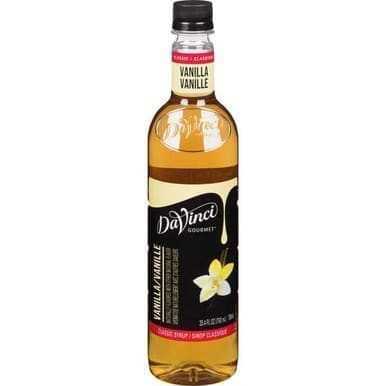
- Reduced-sugar or 0-calorie flavoured syrups: The most widely known lines come from Torani and Monin; most recipes take a 1:1 pump swap. Sold in bulk commercial formats. Browse syrups & mixes.
- Powder mixes with controlled sweetener levels: Precise dosing in powder-format drink mixes gives exact control over the sweetener blend. Many are built on stevia or sucralose with low or zero sugar. See powder mixes.
- Unsweetened tea and coffee bases: A blank canvas where you own every sweetening decision. Steep-to-order tea or cold brew concentrate lets you serve drinks with zero added sugars and sweeten only on request. See tea & coffee.
- Sugar & sweetener alternatives: Bulk erythritol, stevia, or allulose for tableside options or in-house simple syrup. See sugar & sweeteners.
How to talk about lower-sugar offerings with customers without confusing them
The FOP label actually hands you a chance to educate customers. Most people can't tell the regulatory difference between “the syrup bottle has a label” and “your drink is high in sugar.” Communicating clearly builds trust and prevents needless alarm:
- Add “available sugar-free” modifiers to 2–3 of your menu board's high-volume drinks. This surfaces the option without implying anything is wrong with the standard version.
- Coach staff to offer the sugar-free variant proactively whenever customers raise sugar. A simple “We have a sugar-free version of that with [X sweetener]” settles the question before it becomes a complaint.
- Choose “reduced-sugar” over “low-sugar” until you've confirmed the finished-cup sugar count. “Reduced-sugar slush option available” is accurate and simple to display near your machine.
- Skip “no sugar” claims for drinks built on fruit juice bases — natural fruit sugars are still sugars, and customers counting total carbohydrates will catch the discrepancy.
- If you mix simple syrup in-house, moving to a monk fruit or allulose version is a low-cost, high-impact change that needs no sourcing adjustments beyond the sweetener itself.
Is there a Canadian regulation covering sugar on café menu boards?
As of mid-2026, no federal rule forces Canadian cafés or quick-service restaurants to list sugar content on menu boards for freshly prepared beverages (a contrast with certain provincial calorie-labelling rules that bind some chain restaurants). Only prepackaged retail foods fall under the FOP label regulation. That said, some provincial restaurant calorie-labelling rules — Ontario's most notably — require chains above certain size thresholds to display calorie information. Sugar-specific menu disclosure for foodservice-prepared drinks isn't yet mandated federally, but health-forward operators increasingly use voluntary disclosure as a competitive differentiator.
How it works across Canada
For Canadian cafés, ChickenPieces.com stocks slush concentrates, syrups, powder mixes and drink bases, shipped Canada-wide from Calgary with no membership. Browse slushy syrups, syrups & mixes, powder mixes, and sugar & sweeteners for current bulk SKUs. Orders ship coast-to-coast with no membership required, and most orders over CA199 qualify for free shipping.
Load up at ChickenPieces.com


Frequently Asked Questions
How does Canada's 2026 front-of-package 'High In' sugar label work?
Source: Nutrition labelling: Front-of-package nutrition symbol - Health Canada
Which cafe drinks feel the biggest impact from Canada's new 'High In' sugar labeling rules?
Source: Nutrition warning labels are hitting shelves near you — here's what to look for - CBC News
Do lattes, mochas, and frappuccinos made to order have to display the 'High In' label?
Source: What to know about Canada's new front package nutrition warning labels - r/canada
What can Canadian cafes change in their drink recipes so the 'High In' sugar label isn't triggered?
Source: Sucralose vs Stevia vs Allulose for Beverages - LiquidShop Blog
Under Canada's new sugar rules, which alternative sweeteners work best for reformulating cafe drinks?
Source: Better for You Sugar Alternatives for Coffee Lovers in 2026 - Splenda Blog
When is the compliance deadline for Canada's front-of-package sugar labeling rules?
Source: Front-of-package (FOP) nutrition symbol - Canadian Food Inspection Agency
Are Canadian cafes required to update their menu boards under the new 'High In' sugar labeling rules?
Source: Nutrition Labelling Regulations for Foods Sold in Restaurants and Food Service Establishments - CFIA
Which ready-to-drink coffees, energy drinks, and bottled soft drinks need the 'High In' symbol?
Source: Front-Of-Package (FOP) Nutrition Labelling discussion - r/canada