
2023 May 7th
Bulk Grocery Shopping: How to Store Your Bulk Purchases
Buying groceries in bulk is an excellent way to save money and reduce packaging waste. However, proper storage is crucial to ensure that your bulk purchases remain fresh and last as long as possible. In this blog post, we'll provide a comprehensive guide on how to store your bulk grocery items to maximize their shelf life and maintain their quality
Grains, Rice, and Pasta -
Store dry grains, rice, and pasta in airtight containers with tight-fitting lids. Glass jars, plastic containers, or food-grade buckets work well for these items. Keep them in a cool, dry, and dark place like a pantry or cupboard. Label each container with the contents and the date of purchase
Beans and Legumes -
Similar to grains, store beans and legumes in airtight containers in a cool, dry, and dark place. Label the containers with the type of bean or legume and the date of purchase
Nuts and Seeds- Nuts and seeds have a higher fat content, making them more susceptible to spoilage. Store them in airtight containers and keep them in a cool, dry, and dark place. For longer storage, you can store them in the refrigerator or freezer
Spices and Herbs-
Keep spices and herbs in airtight containers or jars, preferably made of glass or stainless steel. Store them in a cool, dry, and dark place like a pantry or cupboard. Label the containers with the contents and the date of purchase
Baking Supplies-
Store baking supplies like flour, sugar, and baking soda in airtight containers. Keep them in a cool, dry, and dark place to maintain their freshness and quality. Label each container with the contents and the date of purchase
Canned Goods-
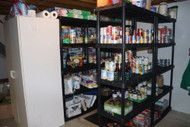
Store canned goods in a cool, dry, and dark place. Keep them organized by type and expiration date, using a first-in, first-out system to ensure that older items are used before newer ones
Dried Fruits- Store dried fruits in airtight containers or resealable plastic bags. Keep them in a cool, dry, and dark place. For extended storage, consider storing them in the refrigerator or freezer
Fresh Produce- Store fruits and vegetables separately, as some fruits release ethylene gas, which can cause vegetables to spoil faster. Keep produce in well-ventilated containers or bags, and store them in the crisper drawer of your refrigerator
Meats and Seafood-
Wrap meats and seafood in plastic wrap, aluminum foil, or freezer paper, and store them in the coldest part of your refrigerator. For longer storage, freeze meats and seafood in airtight containers or vacuum-sealed bags
Dairy Products-
Store dairy products like milk, cheese, and yogurt in their original containers and keep them in the coldest part of your refrigerator. For extended storage, consider freezing items like butter and shredded cheese.
By following these storage tips, you can ensure that your bulk grocery purchases remain fresh and last as long as possible. Proper storage not only helps you save money but also reduces food waste, contributing to a more sustainable lifestyle.
Frequently Asked Questions
The following operator questions are answered with cited sources. Every FAQ links to Health Canada, CFIA, Canada.ca, or another authoritative regulator.
What's the difference between 'Made in Canada' and 'Product of Canada' on food labels? I keep seeing both and I'm confused about which one actually means Canadian.
Products referenced:
- Product of Canada label
- Made in Canada label
Source: r/BuyCanadian — 'Made in Canada' vs. 'Product of Canada' — What's the difference?
What does 'imported by _____ Canada' actually mean? Is it Canadian or not?
Products referenced:
- Imported by label
- Canadian address on packaging
Source: r/BuyCanadian — Can someone help discern what 'imported by _____ Canada' means?
Where can I buy bulk staple foods in Canada to save money? I'm looking for 50 lbs bags of dried beans, flour, lentils — restaurant-sized bags. It seems impossible to find in Canada for a decent price.
Products referenced:
- dried beans
- flour
- lentils
- rice
- restaurant-sized bags
Source: r/povertyfinancecanada — Where to purchase bulk staple foods in Canada to save money
As we prepare for price spikes given tariffs — what are some items you are stocking up on (food & non-food)?
Products referenced:
- canned tomatoes
- rice
- pasta
- flour
- dried beans
- cooking oil
- canned goods
- frozen vegetables
Do I need to prep my pantry since the tariffs? What items should we stock up on?
Products referenced:
- flour
- lentils
- rolled oats
- maple syrup
- honey
- canola oil
- coffee
- spices
Source: r/prepping — Do I need to prep my pantry since the tariffs? What items should we stock up on?
What does 'Prepared in Canada' actually mean? I see it on products but it doesn't seem the same as 'Made in Canada'.
Products referenced:
- Prepared in Canada label
- packaged in Canada
Source: r/ShopCanada — What does "Prepared in Canada" mean? Found on Cadbury Mini-Eggs
Is there a wholly Canadian brand of flour anymore? I want to make sure my baking staples are actually Canadian.
Products referenced:
- Robin Hood flour
- Five Roses flour
- Anita's Organic Mill
- Arva Flour Mills
- Rogers Foods flour
Source: r/BuyCanadian — Is there a wholly Canadian brand of flour anymore?
What foods are you stocking up on before tariffs hit? Looking for non-perishable suggestions.
Products referenced:
- dried beans
- lentils
- rice
- pasta
- oats
- canned coconut milk
- frozen fruit
- frozen vegetables
- Canadian pulses
Source: r/vegan — What foods are you stocking up on before tariffs hit?
Authoritative Sources
The following government and public-health sources informed the operator guidance above. Citations to Reddit, Quora, and operator forums appear in the FAQ block above.