
2026 Aug 22nd
Couverture vs Compound Chocolate: A Baker's Guide 2026
Couverture is true chocolate, made with cocoa butter as its only fat and enough of it to melt smooth and temper into a hard, glossy shell. Compound chocolate swaps cocoa butter for vegetable fat, so it sets without tempering but can't legally be called chocolate on a Canadian label. Most bakeries use couverture for finishing work and compound for high-volume coating.
Couverture vs Compound Chocolate: A Baker's Guide
Couverture and compound chocolate look almost identical in the bag but behave completely differently in a pan and on a label.
Key Takeaways
The short version of what separates real chocolate from a coating, and when each one earns its place in a bulk kitchen.
Cocoa butter is the dividing line
Couverture uses cocoa butter as its only fat. Compound replaces some or all of it with vegetable fat, and that single swap changes how it behaves.
Only one of them needs tempering
Couverture has to be tempered through a heating and cooling curve to set with a hard snap. Compound skips that step and still sets firm at room temperature.
Compound holds up better in heat
Vegetable fat has a higher melting point than cocoa butter, so compound resists melting on a warm patio table or inside a delivery box far better.
The label tells you which one you're buying
Canadian rules only allow the word chocolate on products meeting the cocoa butter minimums. Compound must say chocolate flavoured, chocolaty, or chocolate flavour coating instead.
Cocoa percentage is a couverture-only number
That 60% or 70% on a bag refers to total cocoa solids in true chocolate. Compound coatings don't carry a comparable percentage.
Most kitchens need both, not one
Couverture earns its cost on finishing work guests see and taste. Compound earns its keep on high-volume coating where speed matters more than shine.
What Makes Couverture True Chocolate
The cocoa butter content is the whole story, and Canadian rules are specific about how much you need.
Couverture is the professional term for chocolate with enough cocoa butter to flow easily when melted and set with a hard, glossy snap once tempered. The name comes from the French word for covering, which is exactly the job it does best: dipping, enrobing, and glazing.
The Canadian Food Compositional Standards set real minimums behind that word. Dark chocolate needs at least 35 percent total cocoa solids, with at least 18 percent as cocoa butter. Milk chocolate needs at least 25 percent cocoa solids, 15 percent cocoa butter, and added milk solids. Those numbers are the legal floor for calling something chocolate here.
That cocoa butter is also what makes couverture behave the way bakers expect. It's solid at room temperature but melts right around body temperature, which is why good chocolate feels like it's disappearing on your tongue. Get that ratio high enough and it becomes fluid enough to coat a strawberry in one dip. Too little, and it turns thick and hard to work with.
What Compound Chocolate Actually Is
Same look on the shelf, a different fat inside, and a different job in the kitchen.
Compound chocolate, sometimes called confectionery coating, replaces some or all of the cocoa butter with a different fat, usually palm kernel or another vegetable oil engineered to set hard without tempering. It still has cocoa solids for flavour and colour, just not enough cocoa butter to legally carry the word chocolate on a Canadian label.
That substitution trades for different working properties. Vegetable fat has a higher melting point than cocoa butter, so compound coatings resist heat better, set faster without a temper cycle, and hold their shape longer outside refrigeration. For a bakery shipping product cross-country or running a patio display in July, that heat tolerance can matter more than a mirror-glossy finish.
The tradeoff shows up in the mouth. Compound coating tends to feel slightly waxy against the tongue because vegetable fat doesn't melt at body temperature the way cocoa butter does. Most guests won't clock it on a coated pretzel. On a standalone dipped truffle, the difference is usually obvious.
What the Cocoa Percentage Number Actually Means
The 60% or 70% on a couverture bag is measuring something specific, not just marketing dark chocolate as more intense.
The percentage printed on a couverture bag is the combined weight of cocoa butter and fat-free cocoa solids, with sugar making up the rest. A 70% dark chocolate is 70 percent cocoa material by weight and 30 percent mostly sugar. Higher percentages generally taste more intense and less sweet.
What the percentage doesn't tell you is the ratio between cocoa butter and fat-free cocoa solids, and that ratio changes how the chocolate flows. A couverture built for enrobing needs a higher cocoa butter share to stay fluid for dipping. One meant for a ganache can run leaner since it's getting melted with cream anyway.
Milk chocolate and white chocolate carry their own minimums instead of a headline cocoa percentage. Milk chocolate needs at least 25 percent total cocoa solids plus 12 percent milk solids under CFIA rules. White chocolate has no cocoa solids requirement since it contains no cocoa mass, but still needs at least 20 percent cocoa butter to earn the name.
When Couverture Earns Its Cost, and When Compound Wins
The decision usually comes down to what the guest sees, how far the product travels, and how much labour a temper cycle costs you.
Tempering couverture takes real technique: heating to melt the fat crystals, cooling to seed stable ones, then rewarming to a narrow working window. Skip it and the chocolate sets dull, streaky, and prone to a chalky white bloom within days. That labour cost is worth paying for a plated dessert or anything where the chocolate itself is the showpiece.
Compound chocolate skips the temper entirely, which is why high-volume operations lean on it for enrobing pretzels, coating cake pops, or dipping a few hundred cookies for a catering order. It melts, coats, and sets without babysitting, and holds that set through a warmer kitchen or a longer delivery window better than couverture will.
A lot of bakeries run both side by side rather than picking one. Couverture goes into finishing work that lands directly on a plate or display case. Compound goes into back-of-house volume work where a small amount of bloom or a firmer bite won't be the first thing a guest notices.
CFIA Labelling Rules: What You're Allowed to Call It
The word chocolate is legally protected in Canada, and getting the label wrong on a menu or packaging is a compliance problem, not just a marketing one.
Health Canada's Food and Drug Regulations set compositional standards for chocolate and cocoa products, and the Canadian Food Inspection Agency enforces how those products get labelled. A product has to meet specific cocoa butter and cocoa solid minimums before the word chocolate can appear on its own on a package or menu.
Compound products that don't meet those minimums must carry different wording, most commonly chocolate flavoured, chocolaty, or chocolate flavour coating. If your kitchen buys compound coating and your menu calls it chocolate anyway, that's a labelling accuracy problem that falls on you as the operator, not just the supplier.
For a cafe or bakery, the safest habit is to match your menu language to whatever's printed on the supplier's bag rather than defaulting to chocolate as a catch-all term.
Callets, Wafers, and Blocks: Choosing a Bulk Format
The chocolate itself matters, but the format you buy it in changes how fast your kitchen can actually use it.
Bulk couverture and compound chocolate both come in a few standard formats: callets (sometimes called chips, buttons, or drops), wafers, and large solid blocks. Callets and wafers are pre-portioned into small, flat pieces designed to melt quickly and measure by weight without needing to chop anything first.
Solid blocks cost less per kilogram in most cases but need to be chopped before melting, which adds prep time. For a kitchen melting chocolate daily, the time saved by callets or wafers usually outweighs the small premium over block format.
Case sizes matter for storage too. Chocolate is sensitive to heat, humidity, and strong odours nearby, so buy a size your kitchen will move through in a reasonable window.
Couverture vs Compound Chocolate at a Glance
The practical differences that decide which one belongs in which part of your kitchen.
| Attribute | Couverture (True Chocolate) | Compound Coating | Typical Use | Why It Matters |
|---|---|---|---|---|
| Fat source | Cocoa butter only | Vegetable fat (often palm kernel) | Both | Determines melt feel and legal labelling |
| Tempering required | Yes, for a hard glossy set | No, sets at room temperature | Both | Couverture needs technique and time compound doesn't |
| Heat tolerance | Melts near body temperature | Higher melting point, more heat stable | Compound favoured for shipping/display | Compound holds up better in warm conditions |
| Legal label wording | Chocolate (if minimums met) | Chocolate flavoured or chocolaty | Both | CFIA enforces this on packaging and menus |
| Cocoa percentage claim | Yes, standard on the bag | Not a standard measure | Couverture | Percentage signals intensity and sugar ratio |
| Best use case | Finishing, dipping, plated desserts | High-volume coating and enrobing | Both, often together | Match the chocolate to what the guest actually sees |
| Storage sensitivity | High, sensitive to heat and bloom | Lower, more forgiving of temperature swings | Both | Affects how much you can safely stock at once |
Bulk Chocolate Bakeries and Cafes Actually Order
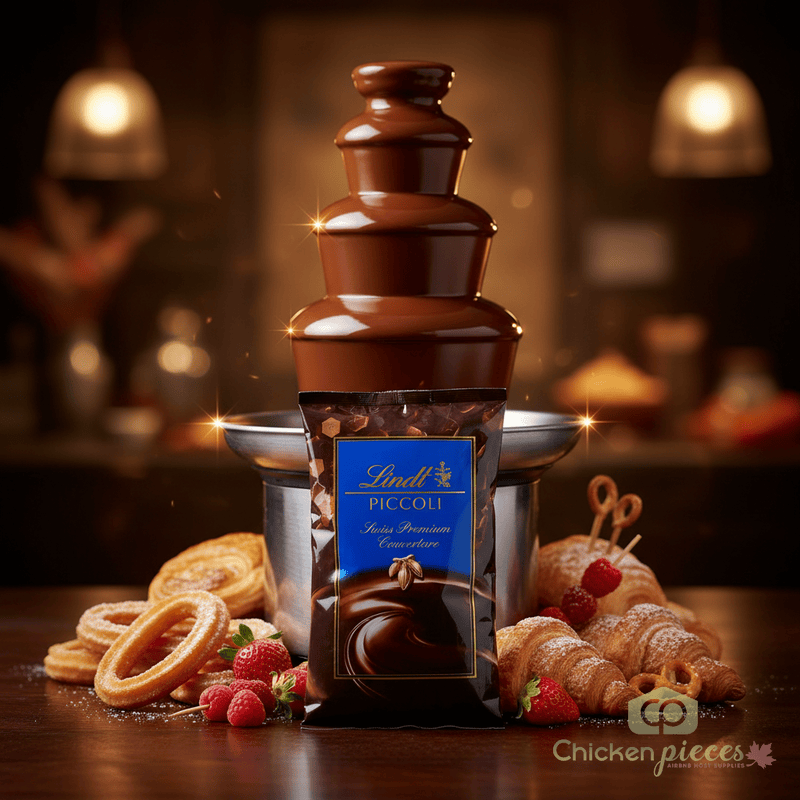
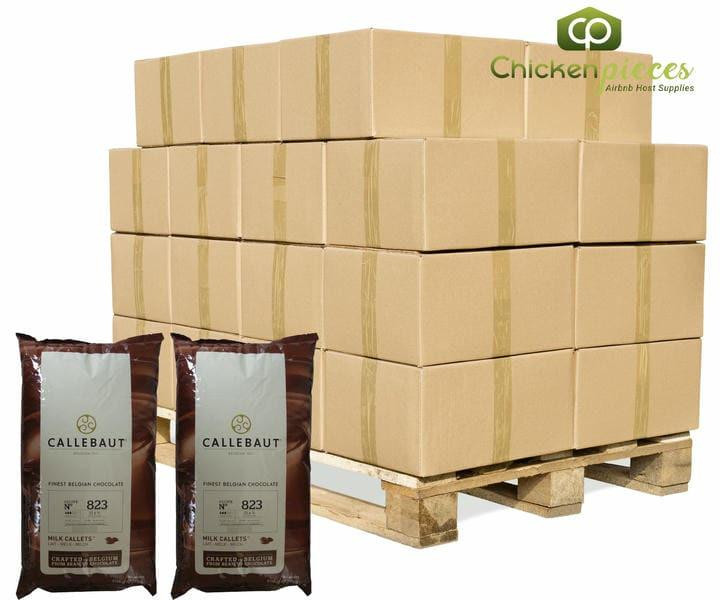
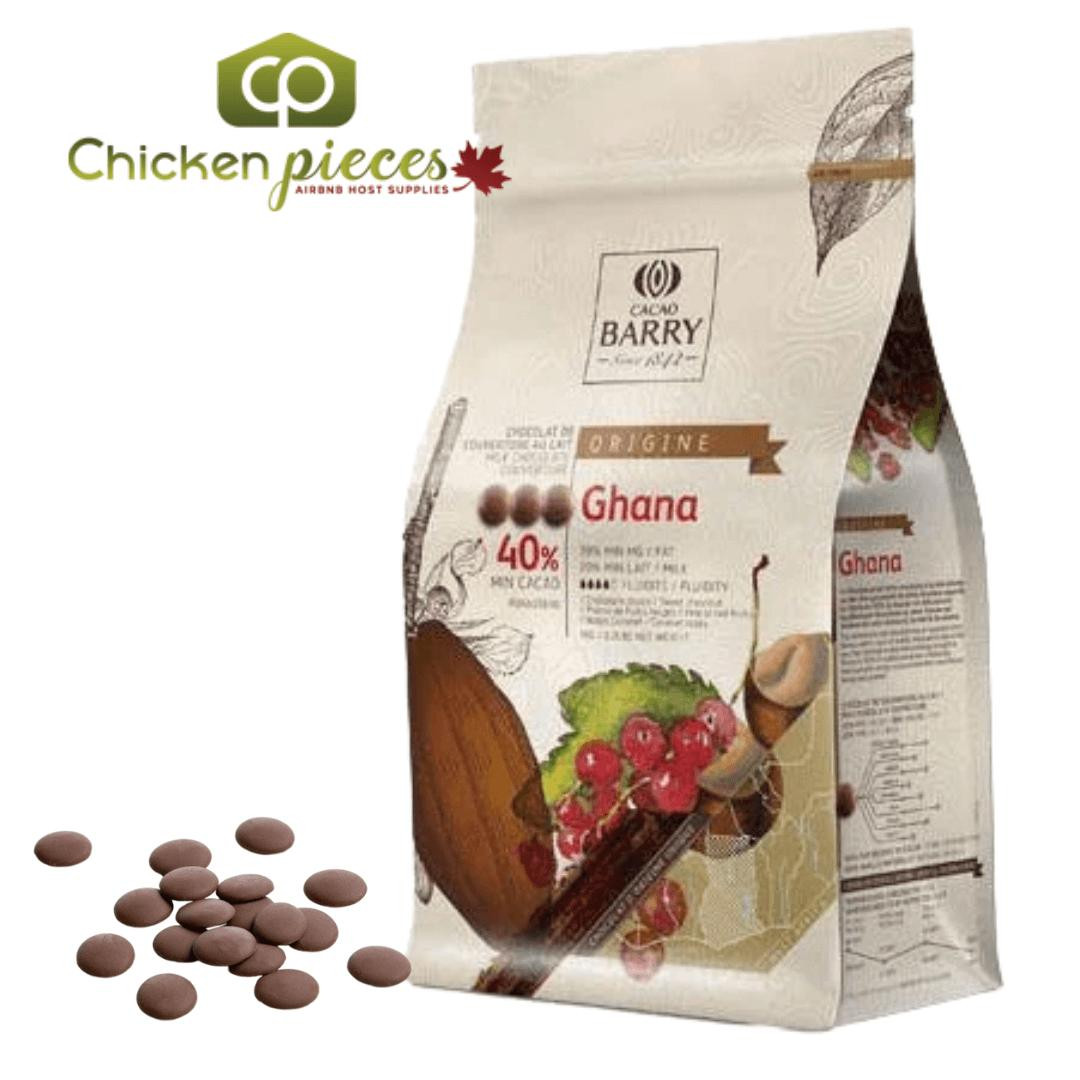
Couverture callets, compound wafers, and cocoa powder in foodservice case sizes, shipping from our Calgary warehouse.


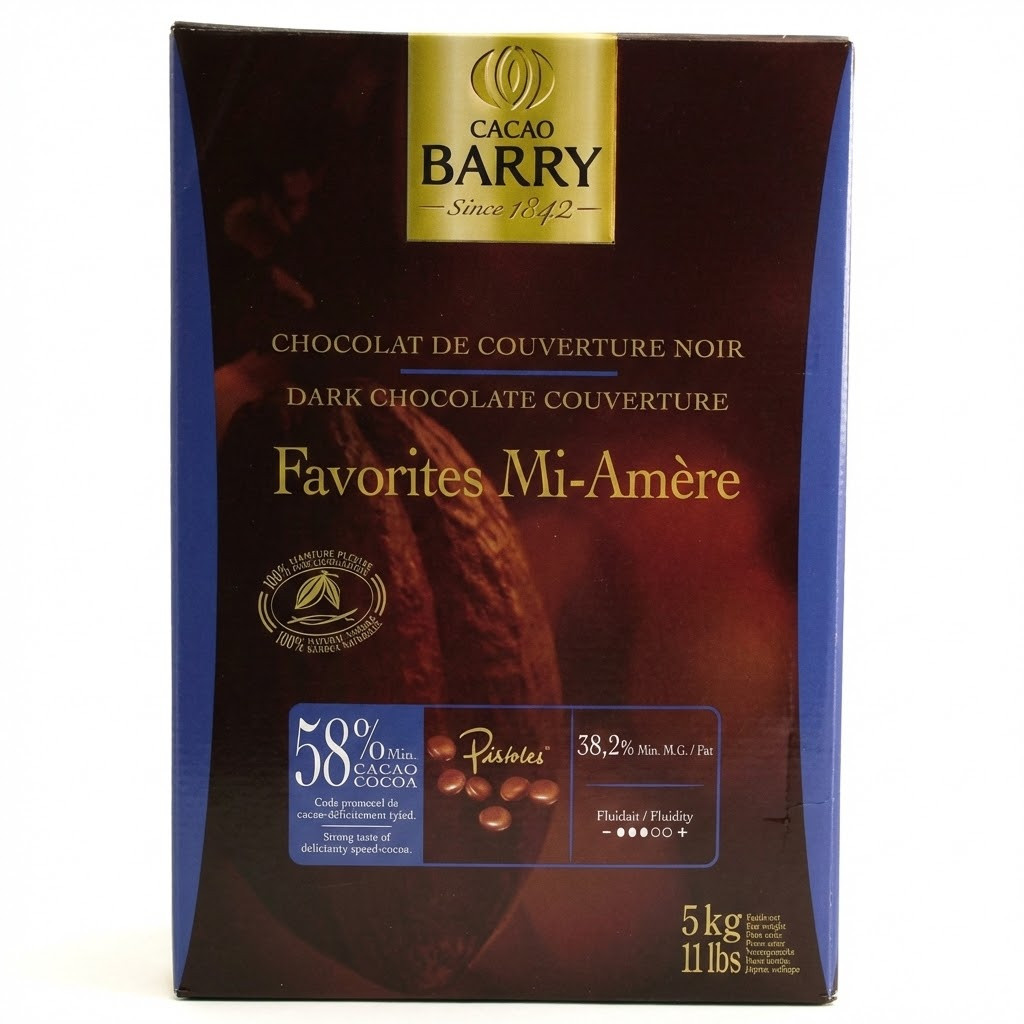
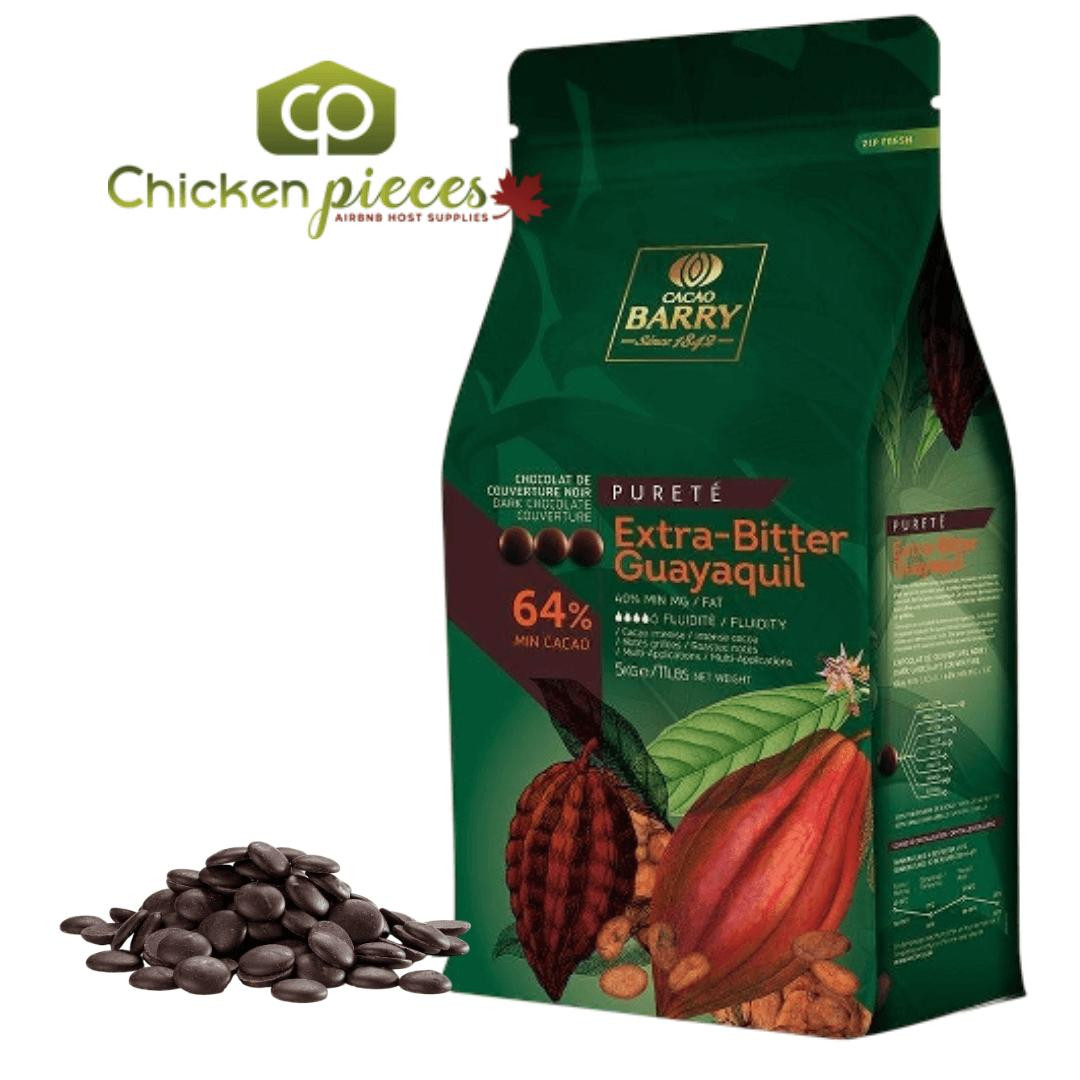
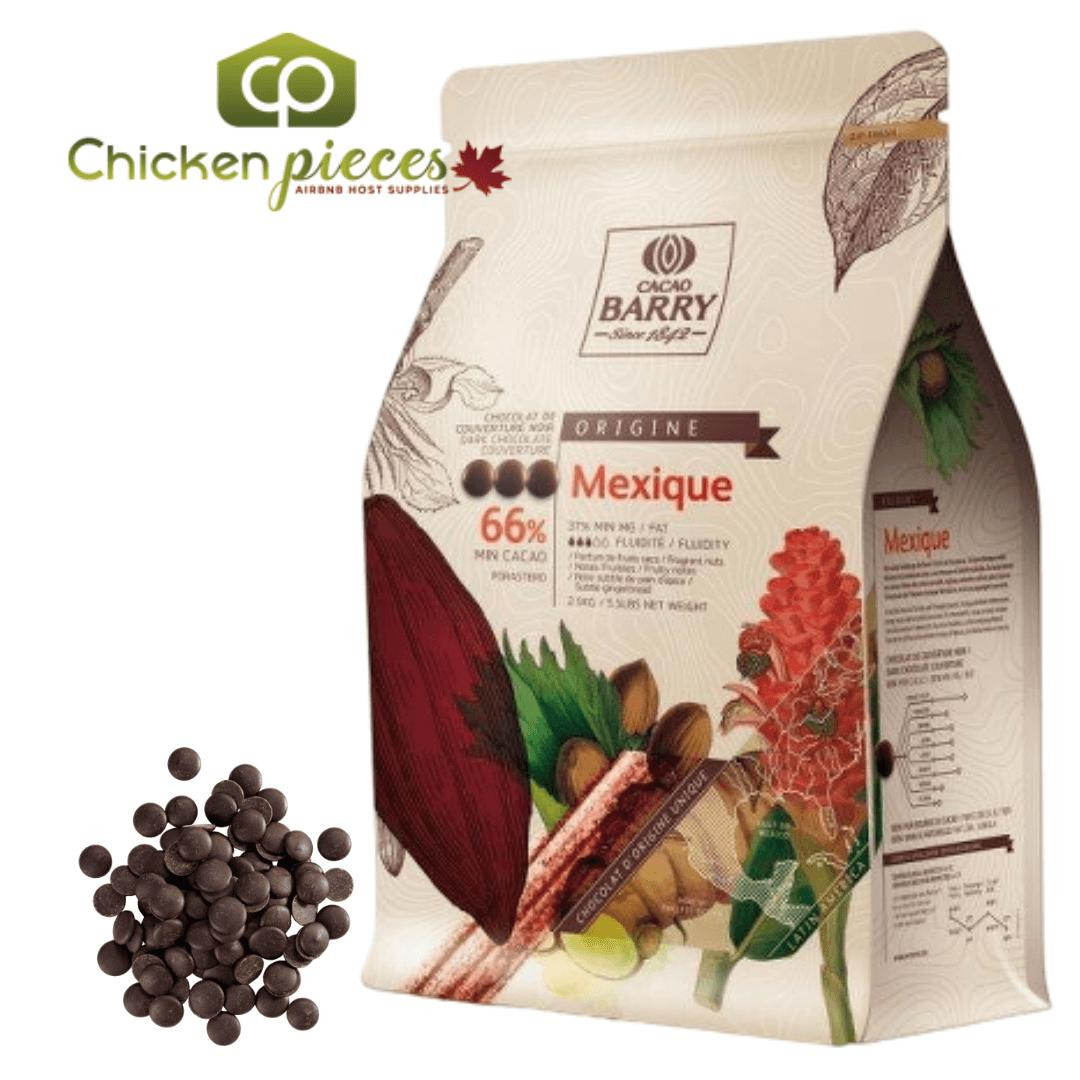
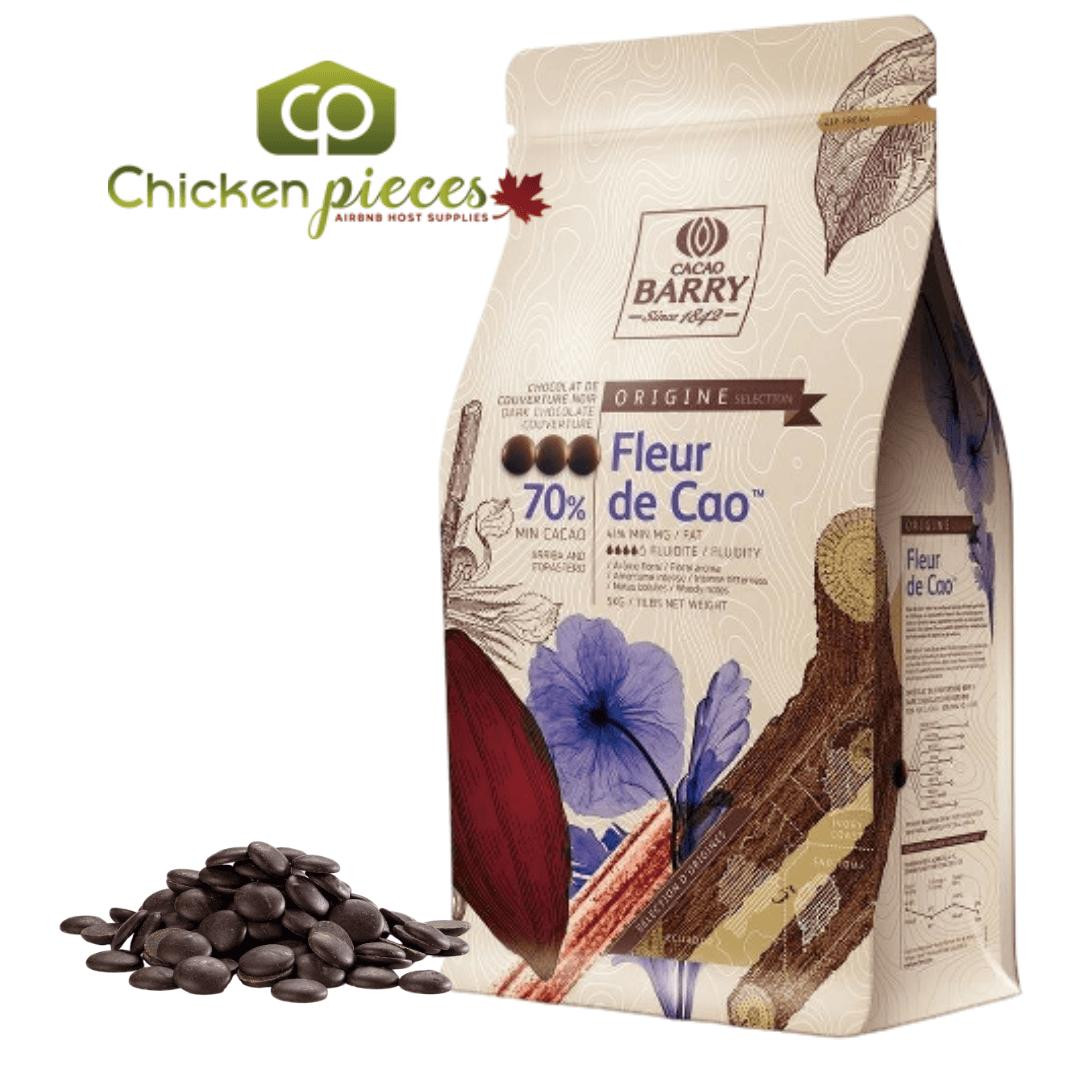
What Canadian Canadian cafes and bakeries say
What Canadian bakeries and cafes say about switching to bulk couverture and compound chocolate.
We used to buy whatever was cheapest and wonder why our dipped strawberries looked streaky by morning. Switching to real couverture and tempering it properly fixed that overnight.
Compound wafers changed our catering game. We coat a few hundred cake pops for weekend events and nobody has time to temper chocolate at that volume.
Reading the CFIA rules made me realize our old supplier's coating was mislabelled on our own menu for months. We fixed the wording and buy each separately now.
couverture and compound chocolate for foodservice: Frequently Asked Questions
The following operator questions are answered with cited sources. Every FAQ links to Health Canada, CFIA, Canada.ca, or another authoritative regulator.
What is the difference between couverture and compound chocolate?
Products referenced:
- Couverture Chocolate, Bulk
- Compound Chocolate, Bulk
Do I need to temper couverture chocolate, and can I skip it with compound?
Products referenced:
- Couverture Chocolate, Bulk
- Chocolate Melting Wafers, Bulk
Where can I buy bulk couverture chocolate for a bakery?
Products referenced:
- Couverture Chocolate, Bulk
- Cocoa Powder, Bulk
Source: Where do you get your bulk couverture in USA for candy making? - r/chocolate
What is the best chocolate for coating cake pops?
Products referenced:
- Chocolate Melting Wafers, Bulk
- Compound Chocolate, Bulk
- Piping Bags, Bulk
Source: Cake pop coating - r/AskBaking
How long does couverture chocolate last and how should I store it?
Products referenced:
- Couverture Chocolate, Bulk
- Compound Chocolate, Bulk
What is the difference between couverture and compound chocolate for baking?
Products referenced:
- Couverture Chocolate, Bulk
- Compound Chocolate, Bulk
- Cocoa Powder, Bulk
Source: What is the difference between couverture and compound chocolate? - Quora
What temperature do I temper couverture chocolate to?
Products referenced:
- Couverture Chocolate, Bulk
- Chocolate Melting Wafers, Bulk
Source: What temperature do you temper couverture chocolate to? - People Also Ask
Why does my tempered chocolate bloom or turn grey?
Products referenced:
- Couverture Chocolate, Bulk
- Chocolate Melting Wafers, Bulk
Source: Having a terrible time trying to Temper Chocolate - ChefTalk
What can a product be called chocolate under Canadian labelling rules?
Products referenced:
- Couverture Chocolate, Bulk
- Compound Chocolate, Bulk
Source: Labelling requirements for confectionery, chocolate and snack food products - inspection.canada.ca
Related guides from ChickenPieces
Why Bakeries Order Bulk Chocolate From ChickenPieces.com
Real couverture and compound chocolate in foodservice case sizes, with the labelling clarity Canadian kitchens need to stay compliant.
True Couverture and Compound, Clearly Labelled
Every bag is labelled to CFIA standards so you always know whether you're buying real chocolate or a compound coating.
Bulk Case Sizes for Real Kitchens
Callets, wafers, and blocks in foodservice quantities sized for daily production, not small retail bars at a markup.
Live Canada-Wide Freight
Rates are calculated on real carrier quotes from our Calgary warehouse at checkout, so you see true landed cost.
CFIA-Aligned Compliance Support
We source and label to Canadian Food Compositional Standards, backing up accurate menu and packaging claims.
Sources & further reading
- Confectionery, chocolate and snacks labelling requirements — Canadian Food Inspection Agency
- Canadian Food Compositional Standards (Volume 4, chocolate and cocoa products) — Canadian Food Inspection Agency
Stock the Right Chocolate for the Job
Order couverture for finishing work and compound for high-volume coating, in case sizes built for daily production.
Request a QuoteAuthoritative References