Deglazing means adding liquid to a hot pan so the browned bits stuck to the surface (fond) dissolve into a savory pan sauce. Kitchens deglaze with stock, wine, vinegar, or water, scrape the pan while it sizzles, then simmer briefly. It turns fond from seared vegetables or aromatics into a fast sauce base.
At a Glance
Key Takeaways
Hot pan + liquid = sauce base
Liquid hits a hot pan, the browned bits lift, and they become the start of a pan sauce.
Fond is flavour, not mess
Browned bits from seared vegetables, onions, garlic, or tomato are the point. Keep them. Do not burn them black.
Scrape while it sizzles
A wooden spoon or spatula frees the fond so it dissolves into the liquid.
Deglaze first, reduce after
Deglazing lifts the fond. Reducing is the separate step of simmering that liquid down for body.
Same pan, fewer bases to buy
The sauce builds in the pan that cooked the item, so the line is not opening a separate base every time.
Liquids that support the method
Wine vinegars, cooking wine, and stock bases for the deglaze. Ingredients for the technique, not glove or sanitizer SKUs.
Pronunciation
Deglaze, fond, and sucs
Deglaze is an English kitchen term. Fond is French for “base” or “foundation.”
Classic French usage calls the browned deposits sucs and uses fond for the sauce built from them. In North American kitchens, “fond” usually means the browned bits themselves. That is how this guide uses it.
Method
How deglazing works step by step
Build fond. Sear or sauté vegetables or aromatics until browned bits form on the pan. Brown, not black.
Pour off excess fat if needed. Keep the fond in the pan.
Add a splash of liquid while the pan is hot. Stock, wine, vinegar, or water. It should sizzle.
Scrape. Use a wooden spoon or spatula to lift the fond so it dissolves into the liquid.
Simmer briefly. Let the flavours come together. Reduce if the sauce needs more body.
Finish and hold. Strain or leave rustic. Mount with butter or oil if the menu calls for it. Season, then hold hot under the site’s food-safety plan.
Field tip: Burnt fond makes a bitter sauce. If the bits on the pan are black, start a fresh pan rather than deglazing them.
Clarity
What deglazing is not
Not a reduction by itself. Deglazing lifts fond with liquid. A reduction is simmering that liquid down afterwards to concentrate it. Many pan sauces do both, in that order.
Not starting a sauce in a clean pot. Without fond, there is nothing to deglaze.
Not washing the pan mid-service. Deglazing is a cooking step with food-grade liquid in a hot pan. It is not soaking a cold dirty pan or cleaning it with soap. Pan cleaning and sanitizing follow the site procedure after the cook.
On the Line
Deglazing in foodservice
Menu language like “pan sauce,” “deglazed with white wine,” or “fond-based gravy” points to this method. A working station may show:
Hot pans with brown fond from onions, garlic, mushrooms, or tomato
Stock or wine added from a ladle or bottle
A spoon scraping while the liquid turns brown and savory
A quick sauce for the pass, or a batch moved to a hotel pan for the hold
Why kitchens use it
Flavour that is already in the pan instead of scrubbed off and lost
Fast pan sauces from the same pan that cooked the item
Depth without buying a separate sauce base every time
Works across stations: vegetable, fish, and meat. It is a technique, not a protein.
Vegetable cooks use it too. When onions leave sugars on the pan, a splash of liquid lifts them back into the vegetables instead of making a separate sauce. Catering and banquet teams use the same idea for quick gravy from roast pans.
Canada note
Holding, labelling, and pan sanitation
Once a pan sauce leaves the active cook, handle it like other ready-to-eat sauces under the site’s written food-safety plan and the local food-premise authority.
Label and date batch pan sauces and gravy bases.
Cool, store, reheat, and hot-hold per site procedure.
Clean and sanitize pans and utensils per the site’s food-contact procedure after the cook.
Ask the local health authority or your food-safety lead when a process or hold is uncertain.
See CFIA — Requirements for food businesses. Verify current local requirements for your licensed kitchen.
Supplies
Equipment for reliable deglazing
Sauce pans: build fond from aromatics, deglaze, and finish small-batch pan sauces.
Stock pot: sweat vegetables, deglaze the bottom, and carry the base into a soup or larger sauce.
Hotel pans and a solid lid: hold batch pan sauce or gravy covered on the line.
Wooden spoon, spatula, ladle: needed for the scrape and the pour.
Labels and food-contact sanitizer stay on the prep procedure. They are not shop cards on this post.
Browse ChickenPieces.com for foodservice and hospitality supplies. Chicken Pieces is a Calgary foodservice and hospitality supply company founded in 2018—not a poultry or meat distributor.
Comparison
Deglaze vs reduction vs braise
Factor
Deglaze
Reduction
Braise
Main action
Add liquid to a hot pan and scrape up fond
Simmer liquid uncovered so water evaporates
Cook food in shallow liquid in a covered vessel
Starting point
A pan with browned bits
A flavourful liquid
Food plus cooking liquid
Lid
Off
Off
On
Typical goal
Pan sauce base
Stronger, thicker sauce
Tender food plus cooking liquid
How they connect
Often first
Often follows a deglaze
Often starts with a sear and deglaze
Deglaze when the pan holds fond you want in the sauce. Reduce when that liquid needs body. Braise when the goal is tender food under a lid.
Shop the Range
Deglazing liquids and bases
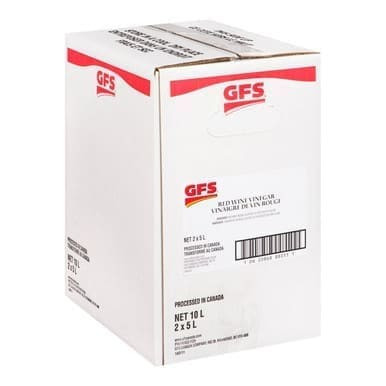
Gordon Choice GFS White Wine Vinegar | 5L/Unit, 2 Units/Case
White wine vinegar to deglaze for a bright pan sauce.
Deglazing means pouring liquid into a hot pan so the browned bits stuck to the bottom, called fond, loosen and dissolve. You scrape them up as the liquid bubbles and they become the base of a pan sauce. Stock, wine, vinegar or even water all work. A liquid vegetable base makes a quick deglazing stock.
What does it mean to deglaze a pan?
It means using liquid to lift the flavour left in the pan after searing or sautéing. You pour the liquid in while the pan is still hot, scrape with a wooden spoon or spatula, and let it simmer a moment. The result is a quick, flavourful liquid you can reduce into a sauce or add to a braise.
What is best to deglaze a pan?
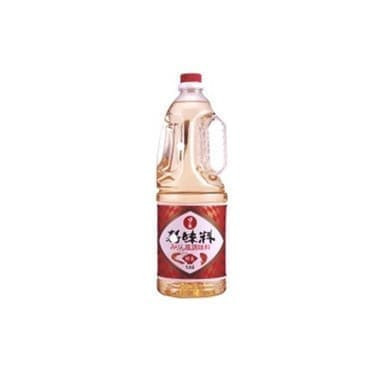
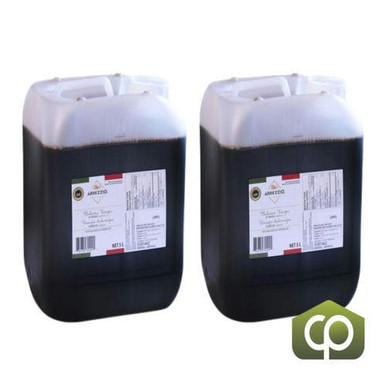
Use whatever suits the dish: stock or a vegetable base for savoury sauces, wine for depth, vinegar for brightness, mirin for a sweet-savoury finish, or water when you just want to save the fond. Cold liquid into a very hot pan releases fond fastest. Try a splash of balsamic vinegar for sharpness.
What can I use for deglazing instead of wine?
Stock, broth made from a base, verjus, or water with a splash of vinegar all work. Red or white wine vinegar gives the acidity wine would, so use less and taste as you go. Mirin adds sweetness, and juice can suit some dishes. This white wine vinegar comes in 3.78 L jugs.
Can you deglaze with vinegar?
Yes. Vinegar lifts fond as well as any other liquid and adds sharp acidity, so use a small splash and let it bubble for a few seconds before adding stock or cream. Balsamic, red wine and white wine vinegar are the usual choices. Too much straight vinegar can make the sauce harsh, so balance it with stock.
How much liquid do you need to deglaze a pan?
Just enough to cover the bottom of the pan in a thin layer. That's enough to dissolve the fond without stopping the sizzle. You can add more liquid later if you're building a bigger sauce or a braise. Too much at once cools the pan and turns the job into simmering instead of deglazing.
How do I deglaze a nonstick pan?
You can, but expect less fond, because nonstick pans don't let much food stick. Use a silicone or wooden spatula, never metal, and keep the heat at medium rather than very high. For pan sauces you'll make often, stainless steel or cast iron builds far better fond to deglaze.
Can you deglaze a cast iron pan?
Yes. Cast iron builds excellent fond. Water, stock or wine are all fine for a quick deglaze. Long simmers with a lot of vinegar or wine can strip some seasoning, so reduce the liquid quickly and move the sauce out of the pan. Dry and lightly oil the pan afterwards.
Does deglazing with wine remove the alcohol?
Not all of it. Bubbling the wine in a hot pan drives off some alcohol, and longer simmering removes more, but a trace usually remains in a quick pan sauce. If you need a sauce with no alcohol at all, deglaze with stock, a vegetable base, juice or vinegar instead.
How do you deglaze a pan after cooking?
Leave the browned bits in the pan, pour off excess fat, then add a cold liquid while the pan is still hot. Stir and scrape until the fond dissolves. Stock, wine, or another cooking liquid already used on the dish all work. Stop when the pan looks clean, then use that liquid as the start of a sauce.
Can you deglaze a pan with cream?
Yes. Cream can deglaze a pan, but it behaves differently from wine or stock. Lower the heat first so the cream does not scorch, then scrape the fond as it loosens. Cream makes a richer sauce and can dull a dark fond if it boils hard. Pour off excess fat first, and stop once the pan is clean.
Can you deglaze a pan with milk?
Yes. Milk can deglaze a pan when you want a mild sauce and you do not want wine in the dish. Use moderate heat, because milk can catch in a very hot pan. Pour off excess fat, add the milk, and scrape the fond until it dissolves. If the milk starts to separate, lower the heat and finish gently.
Why Partner With ChickenPieces
Canadian foodservice supplies for operators who need vinegars, cooking wine, and stock bases for pan-sauce work — not a poultry or meat distributor.
Local Calgary Support
Based in Calgary, we understand regional operator needs and ship Canada-wide.
Wide Product Range
Source foodservice, disposables, gloves, janitorial, bar, and hospitality supplies from one supplier.
Competitive Pricing Structure
Access practical bulk pricing without a forced membership model.
Regulatory Compliance Focus
Chicken Pieces uses foodservice-focused, Health Canada- and CFIA-aware language where relevant. It is a foodservice and hospitality supply company founded in 2018—not a poultry or meat distributor.