The Ultimate Guide to Slushy Syrups in Canada for Cafes

2025 Nov 5th

The Ultimate Guide to Slushy Syrups in Canada for Cafes

Canadian-Owned No MOQ Ships Canada-Wide Calgary Warehouse Food Safe Focus
Slushy syrup
CP

Chicken Pieces Editorial

Chicken Pieces · Calgary, AB

The Ultimate Guide to Slushy Syrups in Canada

How Canadian concession operators choose, use, and store bulk slushy concentrates.

Quick Answer

A commercial slushy starts with a 5:1 concentrate mixed to the syrup-to-water ratio on the jug, then fine-tuned so the bowl freezes to a clean, scoopable slush. Shelf life, refrigeration, and flavour choice matter as much as the first mix. Cases of concentrate ship to concession stands across Canada from our Calgary warehouse.

Overview

Start here

There's something universally appealing about a frozen slushy drink, the vibrant colors, the icy texture, the sweet flavor that cools you down on a hot day. For concession stands, food trucks, convenience stores, and entertainment venues, slushies represent one of the highest-margin products you can sell. The secret to success? Understanding slushy syrups and concentrates.

This complete guide covers everything you need to know about buying, using, and storing slushy syrups in bulk, helping you maximize profits while delivering consistently delicious frozen drinks.

The method

What Are Slushy Syrups and How Do They Work?

Slushy syrups are highly concentrated flavoring solutions designed to be mixed with water and ice to create frozen beverages. Most commercial slushy syrups use a 5:1 ratio, meaning you mix five parts water (or ice) with one part concentrate.

The magic happens in a slushy machine, which freezes and continuously churns the mixture to prevent it from becoming solid ice. Instead, you get perfectly textured frozen slush that pours easily and provides that satisfying icy consistency customers love.

The basic chemistry: Slushy concentrates contain high levels of sugar, which lowers the freezing point of the mixture. This is why slushies freeze at a lower temperature than plain water, typically around 28°F (-2°C) instead of 32°F (0°C). The constant agitation in the machine prevents large ice crystals from forming, creating that signature smooth texture.

Guide

Understanding 5:1 Concentrate Ratios

When you see "5:1 concentrate" on a product label, this tells you the mixing ratio:

  • 5 parts water/ice
  • 1 part concentrate

Practical example: If you add 1 cup of concentrate to your slushy machine, you'll add 5 cups of water or ice. The result is 6 cups total of finished slushy ready to sell.

This ratio is crucial because:

  • Too much concentrate: Overly sweet drinks that cost more to produce
  • Too little concentrate: Weak flavor and unhappy customers
  • Correct ratio: Perfect flavor, optimal texture, and maximum profit margins

Some operators try to stretch concentrates further to save money, but this backfires. Weak slushies get fewer repeat customers, and you lose more in future sales than you save in syrup costs.

The details

Popular Slushy Syrup Flavors and What Sells Best

Not all slushy flavors perform equally. After decades of sales data from concession stands, movie theaters, convenience stores, and amusement parks, certain flavors consistently outsell others.

Top-Selling Flavors

Blue Raspberry

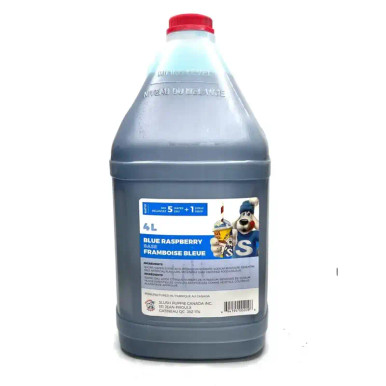
The undisputed champion of slushy flavors. That bright blue color draws customers like a magnet, and the sweet-tart flavor appeals to kids and adults alike. The Slush Puppie Blue Raspberry 5:1 Concentrate (4L) at CA 47.78 is our best-selling slushy product for good reason, it's the flavor customers specifically request by name. Currently on sale at 25% off (save CA 15.93), this Canadian-made concentrate is in stock and ships in 2-3 days.

Guide

Choosing Between Branded and Generic Slushy Syrups

Walk through any convenience store or concession stand and you'll see both branded slushies (Slush Puppie, ICEE, Slurpee) and generic frozen drink machines. Each approach has advantages.

Branded Syrups: The Slush Puppie Advantage

Slush Puppie has built brand recognition since 1970. Customers specifically request "a Slush Puppie," not "a slushy." This brand loyalty translates to:

  • Higher perceived value: You can charge CA 0.25-0.50 more per cup simply because it's a known brand
  • Marketing support: Slush Puppie provides point-of-sale materials, signage, and brand assets
  • Consistent quality: The formula has been refined over decades to deliver optimal flavor and texture
  • Customer trust: Parents trust established brands, especially for kids' treats

Our best-selling Slush Puppie concentrates come in 4L containers that produce approximately 20L of finished slushy, that's 80-100 servings, depending on your cup sizes. With bulk discounts available (5% off at 12+, 7% off at 24+, 10% off at 48+), your per-serving cost drops even further with larger orders.

Generic Syrups: The Flexibility Factor

Generic slushy concentrates like our Concession Stand Slushy Syrup 5:1 Concentrate at CA 51.77 offer different advantages:

  • Lower upfront costs: No franchise fees or brand requirements
  • Flexibility: Change flavors seasonally without worrying about brand consistency
  • Higher profit margins: Lower cost per serving means more profit per cup
  • No restrictions: Use any machine, any marketing, any presentation
  • Testing freedom: Try unique flavors without committing to brand guidelines

The Concession Stand line offers multiple flavors including Mango, Cotton Candy, Lemon Lime, Watermelon, Cherry, Peach, Coconut, Pineapple, and Banana, all at a 30% discount (save CA 22.30 per gallon). Each gallon yields approximately 48 servings.

Many successful operators use a hybrid approach: Slush Puppie for their primary two flavors (blue raspberry and cherry) because customers ask for them by name, plus a rotating third flavor using generic concentrates to test new tastes.

The method

How to Calculate Your Slushy Economics

Understanding your numbers separates profitable slushy programs from money losers. Let's break down the math.

Cost Per Serving

Example using Slush Puppie Blue Raspberry at CA 47.78 per 4L container:

  • One 4L container mixed at 5:1 ratio produces 20L of finished slushy
  • Average serving size: 250ml (8oz) or 500ml (16oz)
  • Small (250ml): 80 servings per container = CA 0.60 per serving
  • Large (500ml): 40 servings per container = CA 1.19 per serving

Add cup costs:

  • Small cups: CA 0.05-0.10 each
  • Large cups: CA 0.10-0.15 each
  • Lids and straws: CA 0.05 each

Total cost per serving:

  • Small slushy: CA 0.70-0.80
  • Large slushy: CA 1.39-1.49

Retail Pricing Strategy

Industry standard pricing for slushies:

  • Small (8-12oz): CA 2.00-3.00
  • Medium (16-20oz): CA 3.00-4.50
  • Large (24-32oz): CA 4.00-6.00

Profit margins:

  • Small: CA 1.20-2.30 profit (150-290% markup)
  • Large: CA 2.50-4.60 profit (170-310% markup)

Slushies typically deliver 65-75% gross profit margins, making them one of the most profitable items in food service. Even after accounting for machine costs, electricity, and labor, net margins often exceed 40-50%.

Break-Even Analysis

Example scenario: Food truck adding slushy program

  • Initial investment: CA 3,000 (machine)
  • Monthly concentrate cost: CA 200 (4 containers)
  • Average selling price: CA 3.50
  • Average cost per serving: CA 1.00
  • Gross profit per serving: CA 2.50

Break-even: CA 3,000 ÷ CA 2.50 = 1,200 servings

At 40 servings per day (slow for a food truck), you break even in 30 days. After that, it's almost pure profit.

In Canada

Proper Storage for Slushy Concentrates

Slushy syrups are remarkably shelf-stable, but proper storage extends their life and maintains quality.

Unopened Concentrate Storage

  • Location: Cool, dry place away from direct sunlight. A storage closet or pantry works perfectly.
  • Temperature: Room temperature (60-75°F) is ideal. Avoid locations that get extremely hot or cold.
  • Shelf life: Most concentrates last 18-24 months unopened. Check the "best by" date on each container.
  • Organization: Use first-in, first-out (FIFO) inventory management. Mark purchase dates on containers and use older stock first.
  • Stacking: Syrups in plastic containers can be stacked 3-4 high safely. Don't exceed manufacturer recommendations.

Opened Concentrate Storage

  • Refrigeration: Not required but extends shelf life by 3-6 months.
  • Sealing: Always reseal containers tightly after use to prevent moisture absorption and contamination.
  • Usage timeline: Use opened concentrates within 6-12 months for optimal flavor. The high sugar content prevents bacterial growth, but flavor can degrade over time.
  • Contamination prevention: Never pour concentrate directly from storage containers into machines. Use clean measuring cups or pumps to avoid cross-contamination.
  • Temperature cycling: Avoid repeatedly moving concentrates from cool storage to warm areas and back, as temperature fluctuations can affect consistency.
Guide

Getting Started: Equipment You'll Need

Before you can sell slushies, you need the right equipment. Here's what successful operations use.

Slushy Machine Options

Single-bowl machines: CA 500-1,500

  • Perfect for startups, small concession stands, or testing the market
  • Hold 2-5 gallons of finished slushy
  • Offer one flavor at a time

Double-bowl machines: CA 1,200-3,000

  • The most popular choice for established operations
  • Each bowl holds 3-5 gallons
  • Offer two flavors simultaneously (typically blue raspberry and cherry)

Triple-bowl machines: CA 2,500-5,000

  • For high-volume locations
  • Three distinct flavors increase sales through variety
  • Take up more counter space

Features to prioritize:

  • Easy-to-clean design (you'll clean it daily)
  • Reliable thermostat (consistent texture matters)
  • Strong agitator motor (prevents ice clumping)
  • Transparent bowls (customers buy with their eyes)
  • Drip tray (reduces mess)

Supporting Equipment

  • Measuring tools: Accurate concentrate-to-water ratios ensure consistent quality and protect profit margins.
  • Cleaning supplies: Food-safe sanitizers specifically designed for frozen drink equipment.
  • Storage containers: If you're mixing concentrate ahead of time, use food-grade storage containers.
  • Cups, lids, and straws: Buy in bulk to match your slushy bulk buying strategy.
  • Signage: Clear menu boards showing flavors and prices. Include appealing photos.
Guide

Operating Tips for Maximum Profit

Pre-mixing vs. Mixing in Machine

Pre-mixing method:

  • Mix concentrate and water in a separate container
  • Pour pre-mixed solution into machine
  • Advantages: Ensures exact ratios, faster refills during busy periods
  • Disadvantages: Requires extra containers and storage

In-machine mixing:

  • Add concentrate directly to machine
  • Add water/ice on top
  • Let machine mix as it freezes
  • Advantages: One less step, fewer containers needed
  • Disadvantages: Must calculate carefully, easy to get ratios wrong

Most experienced operators pre-mix during setup, then refill machines with pre-mixed solution during service. This ensures consistency and speeds up busy periods.

Optimizing Machine Settings

  • Temperature: Most machines work best at 27-29°F. Too cold creates hard, icy texture; too warm produces soupy slush.
  • Agitation speed: Continuous agitation maintains smooth texture. Don't let machines sit idle for extended periods with product inside.
  • Filling level: Keep machines 70-80% full for optimal texture. Overfilling creates inconsistent freezing; underfilling wastes energy.

Color Psychology and Sales

Display matters enormously in slushy sales. The bright colors attract attention from across a venue.

  • Bowl positioning: If you have multiple flavors, put your best seller (usually blue raspberry) on the right where customers' eyes naturally land.
  • Lighting: Ensure good lighting around machines. Dim lighting makes colors less appealing.
  • Flavor rotation: If you have two machines, rotate positions of flavors periodically to ensure even sales.
  • Seasonal adjustments: Summer calls for refreshing fruit flavors; winter might favor warmer-toned options if you're selling indoors.
Guide

Cleaning and Maintenance

Proper cleaning isn't optional, it's required by health codes and essential for machine longevity.

Daily Cleaning Routine

End of day:

  1. Sell or dispose of remaining slushy (don't save it overnight)
  2. Turn off machine and unplug
  3. Drain completely
  4. Remove all removable parts (bowls, augers, seals)
  5. Wash parts with hot, soapy water
  6. Sanitize with food-safe sanitizer
  7. Rinse thoroughly
  8. Air dry overnight
  9. Wipe down exterior and drip tray

Morning prep:

  1. Inspect all parts for damage
  2. Reassemble machine
  3. Run one cycle of plain water through machine
  4. Drain
  5. Add fresh slushy mixture
  6. Allow 30-45 minutes for proper freezing before opening

Weekly Deep Clean

Once weekly, conduct a thorough deep clean:

  • Remove and clean cooling coils
  • Check all seals and gaskets for wear
  • Lubricate moving parts per manufacturer specifications
  • Sanitize entire machine interior
  • Check drain tubes for clogs
  • Inspect electrical connections

Neglecting cleaning leads to bacterial growth, off flavors, machine breakdown, and health code violations. Schedule cleaning as rigorously as you schedule opening.

Guide

Common Mistakes to Avoid

  • Watering down concentrate: Some operators think they'll save money by stretching concentrate further. This creates weak, disappointing slushies that kill repeat business. Stick to recommended ratios.
  • Improper storage: Leaving opened concentrate unsealed allows moisture in and contaminants. Always seal tightly.
  • Inconsistent ratios: Without careful measuring, you'll get inconsistent products. One batch might be perfect; the next watery. Use measuring tools every time.
  • Neglecting machine maintenance: Broken machines mean lost sales. Daily cleaning and weekly maintenance prevent expensive repairs and downtime.
  • Wrong temperature settings: Each machine has optimal temperature ranges. Too cold creates ice; too warm creates liquid. Find your machine's sweet spot.
  • Ordering insufficient inventory: Running out of popular flavors during peak times means turning away sales. Always maintain backup inventory.
  • Ignoring health codes: Slushy machines require regular sanitation per local health department requirements. Violations can shut you down.
Guide

Getting Started with Bulk Slushy Concentrate

Ready to start or expand your slushy program? Focus on these fundamentals:

Start with proven flavors: Blue raspberry and cherry dominate slushy sales. Begin with Slush Puppie Blue Raspberry and Slush Puppie Cherry rather than experimenting with unusual flavors. Once you've established demand, add a third flavor using the Concession Stand Slushy Syrup line.

Buy bulk: Individual retail slushy syrups cost 2-3x more per ounce than commercial concentrates. The Slush Puppie 4L concentrates at CA 47.78 provide the economy of scale you need for profitable operations, with additional bulk discounts when you order 12+ units.

Test before committing: If you're unsure about demand in your location, start with one machine and two flavors. Track sales for 3-4 weeks across different weather conditions before expanding.

Train your team: Ensure everyone knows proper mixing ratios, cleaning procedures, and how to handle the machines. Inconsistent product quality kills slushy sales faster than anything else.

Price for profit: Don't underprice slushies just because they're inexpensive to make. Customers expect to pay CA 3-5 for frozen beverages. Price accordingly and enjoy the margins.

Promote aggressively: Slushies are impulse purchases. Visible machines, bright signage, and strategic placement near checkout areas all boost sales significantly.

Plan for seasonality: Slushy sales peak in summer but continue year-round, especially in indoor locations. Don't shut down your program completely in winter, you'll lose customers who've come to expect it.

The method

Your Next Steps

Slushy programs deliver exceptional profit margins with relatively low effort once you've established systems. The combination of low cost per serving, high selling prices, and customer love for frozen treats makes slushies a smart addition to almost any food service operation.

Whether you're running a concession stand, food truck, convenience store, movie theater, or entertainment venue, bulk slushy concentrates provide the foundation for a profitable frozen beverage program.

Explore our complete selection of slushy concentrates to start building your program today. With no membership required and bulk pricing available to everyone, there's no barrier to entry for this high-margin business opportunity.

Start with the proven best sellers, Slush Puppie Blue Raspberry and Slush Puppie Cherry, then expand from there as you learn what your customers love most. Your first 4L container will produce 80-100 servings. At CA 3.50 per serving, that's CA 280-350 in revenue from a CA 47.78 investment. Those economics speak for themselves.

Ready to maximize your profits? Browse all available slushy syrup flavors and sizes to find the perfect options for your business.

Shop the Range

Bulk slushy concentrates

Cielo Beverage Blue Raspberry Slushy Syrup 5:1 Concentrate 4 Liter

Item ID 7425155313370. 5:1 blue raspberry concentrate in a 4 L jug.

Cases ship to Canada and the US at live UPS rates. Pallets and frozen products ship within Canada only. Free shipping over $199 CAD is Canada only.

FAQ

Frequently asked questions

What syrup-to-water ratio works in a commercial slush machine?

For most 5:1 commercial concentrates, start at 1 part syrup to 5 parts water. Confirm the finished mix in the machine rather than guessing from colour. Blue raspberry 5:1 syrup and cherry 5:1 syrup are labelled 5:1 concentrates. Always follow the ratio on the bottle you are using.

Source: Best syrup for making slushees? (r/ninjaslushi)

How long does slush syrup last?

Use the best-before date on the pack for unopened slush syrup, and store it as the label directs, usually in a cool place away from heat. Once a jug is opened, follow the maker’s opened-storage guidance rather than a generic guess. Cap it tightly and rotate older stock first.

Source: Slush base? Syrup? (r/ninjaslushi)

Does slush syrup expire?

Yes. Slush syrup has a best-before or expiry date on the pack, and that date is the one to follow. Unopened jugs should be stored as labelled. Opened jugs should be capped and used within the maker’s opened-storage guidance. Cherry 5:1 concentrate is one dated commercial jug in this catalogue.

Source: Slush base? Syrup? (r/ninjaslushi)

Does slush syrup need to be refrigerated?

Follow the label on the concentrate you bought. Many unopened commercial slush syrups are stored cool and dry, not necessarily in a refrigerator, but opened-storage rules can differ by brand. Do not assume every jug is shelf-stable after opening. If the label requires refrigeration after opening, move the jug into the cooler and keep the cap closed.

Source: Slush puppie in the ninja slushie (r/ninjaslushi)

Why does a slushy mix fail to freeze properly?

The usual cause is the mix ratio, not a broken machine. If the mix is too strong, it may not freeze. if it is too lean, it can freeze too hard. Start at the labelled 5:1 ratio, 1 part syrup to 5 parts water, then adjust only after you have measured the pour.

Source: Best syrup for making slushees? (r/ninjaslushi)

Where can Canadian operators buy slushy syrup cases?

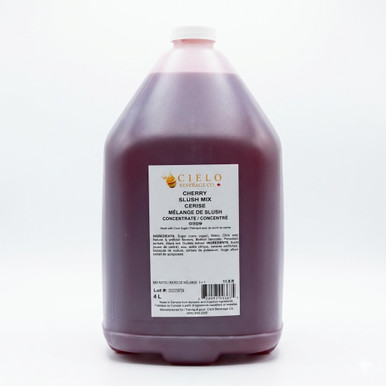
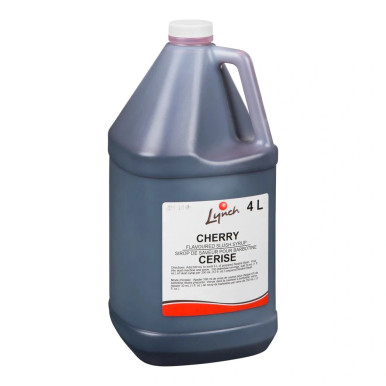
Canadian stands can order commercial concentrates from Chicken Pieces with no membership and no minimum. Blue raspberry 5:1 and cherry 5:1 ship as non-frozen case goods from Calgary. Browse the slushy syrup category and check live stock before an event.

Source: Anyone using Monin syrups? (r/ninjaslushi)

Can two slush syrups be mixed into a signature flavour?

Yes, operators often blend two compatible concentrates, but mix each syrup with water at its labelled ratio first unless the maker says otherwise. Keep a written recipe so the next shift can repeat it. If the blend will not freeze, the combined mix is probably off ratio.

Source: Anyone using Monin syrups? (r/ninjaslushi)

How much slush syrup inventory is needed for an event?

Par from expected cups, not from a guess at leftover flavour. A 5:1 concentrate makes several finished litres from each jug, so count drinks first, then back into jugs, cups and lids. Hold a backup flavour that uses the same ratio. Rotate older dated stock first so you are not opening a jug you cannot finish.

Source: Slushy Machines that last? (r/BarOwners)

What cups and lids work for slushy drinks?

Use cups and lids made for frozen drinks so the lid stays on and the straw fits. Pair them with the cup size you costed, and par extra lids and straws with the syrup. A slush program stalls when packaging runs out even if the machine is still full.

Source: What are you using for sugar free and diet drinks? (r/ninjaslushi)

Does Slush Puppie syrup expire?

Yes. Follow the date printed on the jug, and store it as the label directs. Blue raspberry 5:1 and cherry 5:1 are dated commercial concentrates. Once a jug is opened, cap it and use it within the maker’s opened-storage guidance rather than a generic guess.

Source: Slush puppie in the ninja slushie (r/ninjaslushi)

Why Partner With ChickenPieces

Chicken Pieces is a Calgary foodservice, hospitality and medical supply company founded in 2018, with about 20,000 products in the online catalogue. We supply pantry ingredients, medical nutrition and kitchen supplies. We are not a poultry or meat distributor.

Local Calgary Support

Real people in Calgary answer the phone and check labels, pack sizes and stock for you.

Wide Product Range

Pantry staples, medical nutrition, disposables, janitorial and concession supplies from one supplier.

No Membership Needed

Order by the case or the pallet with no membership and no minimum order quantity.

Food Safe Focus

We write for operators working under CFIA and Health Canada aware food safety plans.

Request Your Custom Quote Today

Call 1-833-462-8550 or shop chickenpieces.com. Browse Grocery and beverages for the full range.

Request a Quote

References: Health Canada - Food Chemical Contaminants CFIA - Food Safety for Industry.