
 US Dollar


2026 Aug 2nd
Choose the Right Commercial Coffee Brewer for Your Canadian
Automatic brewers suit high-volume breakfast service with minimal staff attention. Pourover units work where plumbing is limited. Single-serve systems fit low-count guest rooms or executive floors where variety matters more than speed.
Choose the Right Commercial Coffee Brewer for Your Canadian Operation
Airbnb hosts, property managers and facility operators across Canada need reliable morning coffee without the complexity of café-style training or maintenance.
Key Takeaways
Six practical points to narrow your choice before requesting a quote.
Match volume to brewer type
Serve under fifty cups daily and single-serve or small automatic units keep waste low. Above two hundred cups, dual brewers with thermal servers become essential.
Check your electrical service
Many commercial units need 208-240V split-phase or dedicated 30-amp circuits. Verify panel capacity before ordering any high-wattage model.
Pourover needs no plumbing
Manual-fill tanks suit remote cottages, renovation periods or locations where water lines would cost more than the equipment itself.
Automatic means consistency
Programmed ratios and timed dispensing reduce variation between shifts. Staff turnover becomes less of a quality risk.
Pods reduce waste per cup
Individual servings eliminate the half-pot that sits cold. Guests brew what they want. Housekeeping resets a simple bin, not a filter basket.
Plan for scale buildup
Hard water across the Prairies and parts of Ontario shortens heating element life. Filtered supply and quarterly descaling protect your investment.
Pourover, Automatic and Single-Serve Compared
Each format serves different staffing levels and space constraints.
Pourover brewers require an operator to pour a measured volume of cold water into a reservoir. The heating element brings that water to temperature and dispenses it through the grounds. This manual step suits locations without direct water lines or where installation costs would exceed equipment budgets. The trade-off is attention: someone must be present for each batch, and batch sizes are fixed by the reservoir capacity. For seasonal properties or staff kitchens with intermittent use, this simplicity often wins.
Automatic brewers connect to pressurized water supply and refill themselves after each cycle. Programmable recipes store water-to-coffee ratios, brew temperatures and pulse timings. Staff press one button and attend to other tasks. Volume scales easily with dual brew heads and multiple warming stations. The dependency on plumbing and higher electrical draw means these units suit permanent installations with predictable demand: hotel breakfast areas, conference centres and multi-unit residential lobbies.
Single-serve and pod systems brew one cup from a sealed cartridge or ground coffee capsule. Guests or residents choose their own strength and flavour. Waste drops because every cup is fresh. Maintenance shifts from daily filter changes and glass pot washing to weekly exterior wipe-downs and periodic bin emptying. The cost per cup runs higher than batch brewing, so these systems fit settings where variety and convenience outweigh volume economy: executive floors, boutique inns and premium short-term rentals.
Size Your Brewer to Actual Daily Demand
Overbuilding wastes counter space; underbuilding creates morning bottlenecks.
Start with a simple count. How many people need coffee during your busiest ninety-minute window? Multiply by the cups each person consumes. A business hotel guest drinks two cups at breakfast; a ski lodge guest might drink three between gearing up and leaving. That total gives your peak hourly volume, which matters more than daily averages. A brewer that handles morning rush with headroom will idle through afternoon without strain.
Batch capacity is straightforward: a standard commercial brewer yields roughly one gallon per batch, or about sixteen 8-ounce cups. Dual systems run back-to-back batches, yielding two gallons before the next brew cycle begins. Thermal server systems hold temperature for an hour without warming plates that scorch coffee. For two hundred cups in ninety minutes, you need either multiple automatic brewers with dedicated servers or one high-capacity twin system with staff rotating full servers to a dispensing station.
Single-serve systems size by throughput per minute, not batch. Most pod units take thirty to sixty seconds per cup plus any rinse cycle between users. A ten-unit apartment building with staggered departures works fine. Fifty units with the same checkout time does not. In high-density settings, batch brewing with airpot or thermal server distribution remains the practical choice. Match the tool to the traffic pattern, not the reverse.
Understand Voltage and Circuit Requirements
Canadian commercial kitchens and service areas vary widely in available power.
Commercial coffee equipment ranges from simple 120V plug-in units to hardwired 208-240V systems requiring dedicated circuits. The specification matters because it determines installation cost and location flexibility. A 120V automatic brewer with upper and lower warmers might share a circuit with other small equipment. A dual-voltage twin brewer at full 240V draw needs its own breaker and appropriately gauged wiring back to the panel.
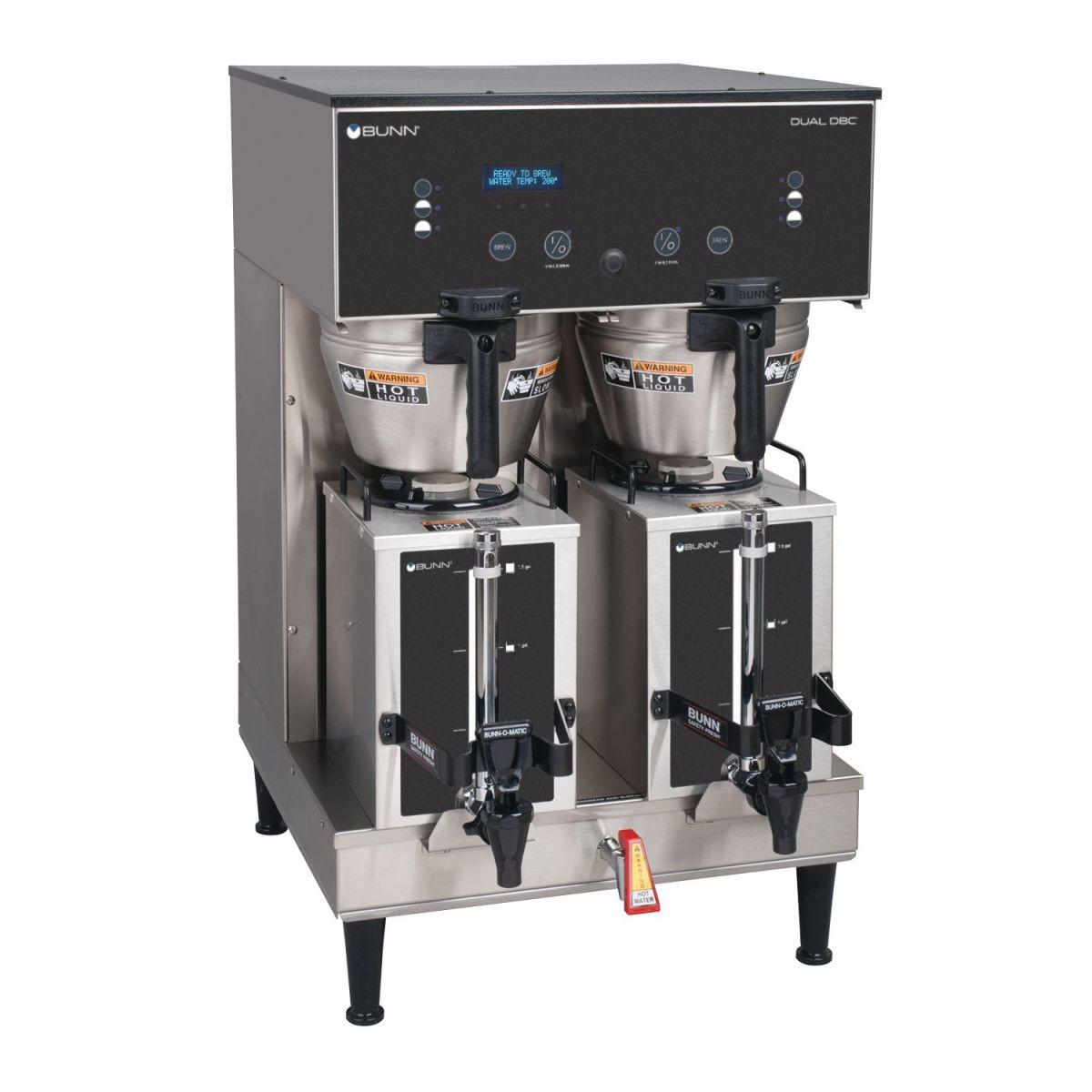
Wattage correlates directly with recovery speed. Higher wattage means faster return to brew temperature after a batch, which matters when demand arrives in waves. The Bunn BrewWISE GPR DBC at 16800W is built for exactly that: high-volume locations where downtime between batches translates to guest complaints. Lower-wattage units work fine where batches are spaced ten minutes apart or more. Do not pay for recovery speed you will not use, but do not starve a busy station either.
Dual-voltage models offer flexibility during installation or relocation. A unit that runs at 120V for temporary service can convert to 240V when permanent wiring is complete. This matters for property managers who move equipment between buildings or phase renovations over seasons. Always confirm local electrical code and have a licensed electrician complete any hardwired installation. ChickenPieces supplies spec sheets for your contractor's review.
Why Bunn Dominates North American Foodservice
Decades of parts availability and technician familiarity reduce long-term risk.
Bunn has manufactured commercial brewing equipment in the United States since the nineteen-fifties. That longevity creates a service ecosystem: technicians trained on the platforms, parts distributors carrying common wear items, and user documentation that covers decades of models. For facility operators managing multiple locations, this predictability matters more than marginal feature differences. A brewer that any qualified technician can repair with next-day parts keeps coffee flowing.
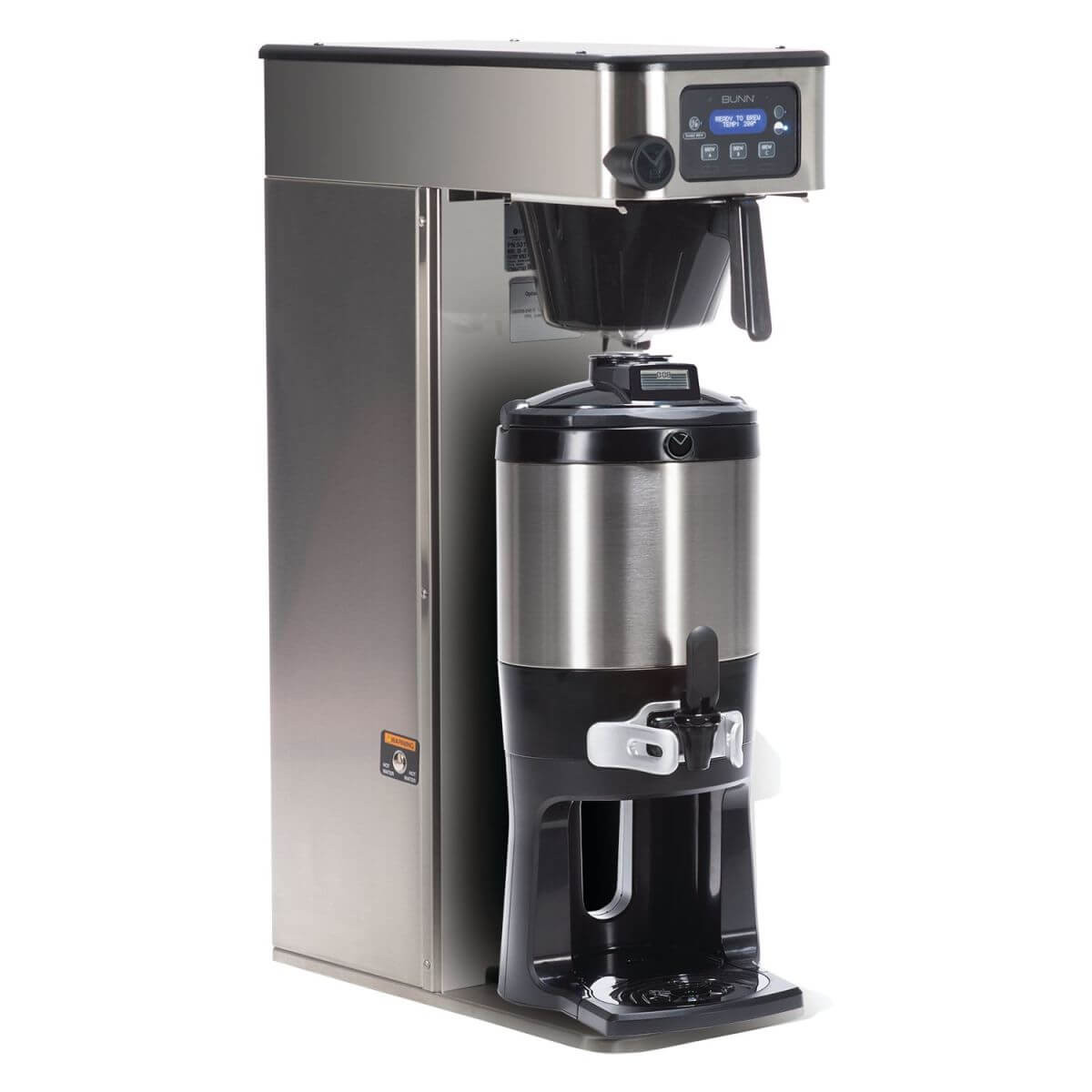
The BrewWISE platform integrates grinder and brewer communication, reducing operator error in settings with rotating staff. DBC (Digital Brew Control) models store multiple recipes and track batch counts for maintenance scheduling. These features suit larger operations with central oversight. For smaller properties, the CWTF15-2 and similar workhorse units deliver reliable automatic brewing without digital complexity that staff might misconfigure.
Bunn's Infusion Series addresses the gap between traditional batch brewing and specialty coffee expectations. Programmable pre-infusion and pulse brewing extract more nuanced flavour from quality beans without requiring a trained barista. This appeals to boutique hotels and corporate foodservice where guest expectations have risen but labour budgets have not. The stainless construction withstands the physical demands of commercial kitchens better than consumer-grade alternatives.
Match Specific Bunn Models to Your Setting
Nine available configurations cover distinct operational profiles.
For high-volume batch service, the BrewWISE GPR DBC and BrewWISE Dual ThermoFresh DBC represent the heavy-duty tier. Both feature digital control, thermal server compatibility and high-wattage recovery systems. The GPR DBC at 16800W handles the most demanding peak periods. The Dual ThermoFresh at 6600W suits moderate-volume locations with 120/240V flexibility. Either can anchor a hotel breakfast station or institutional cafeteria.
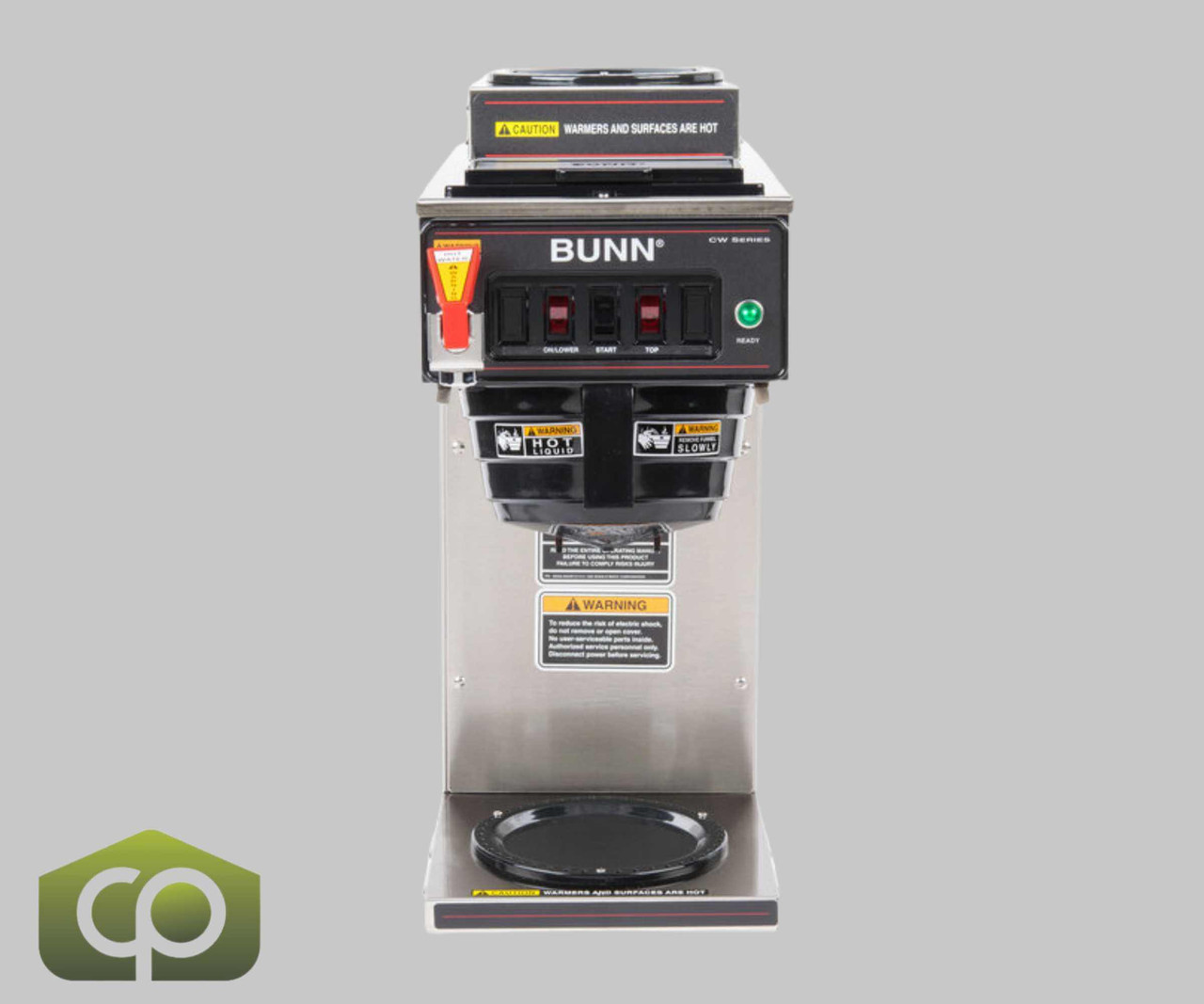
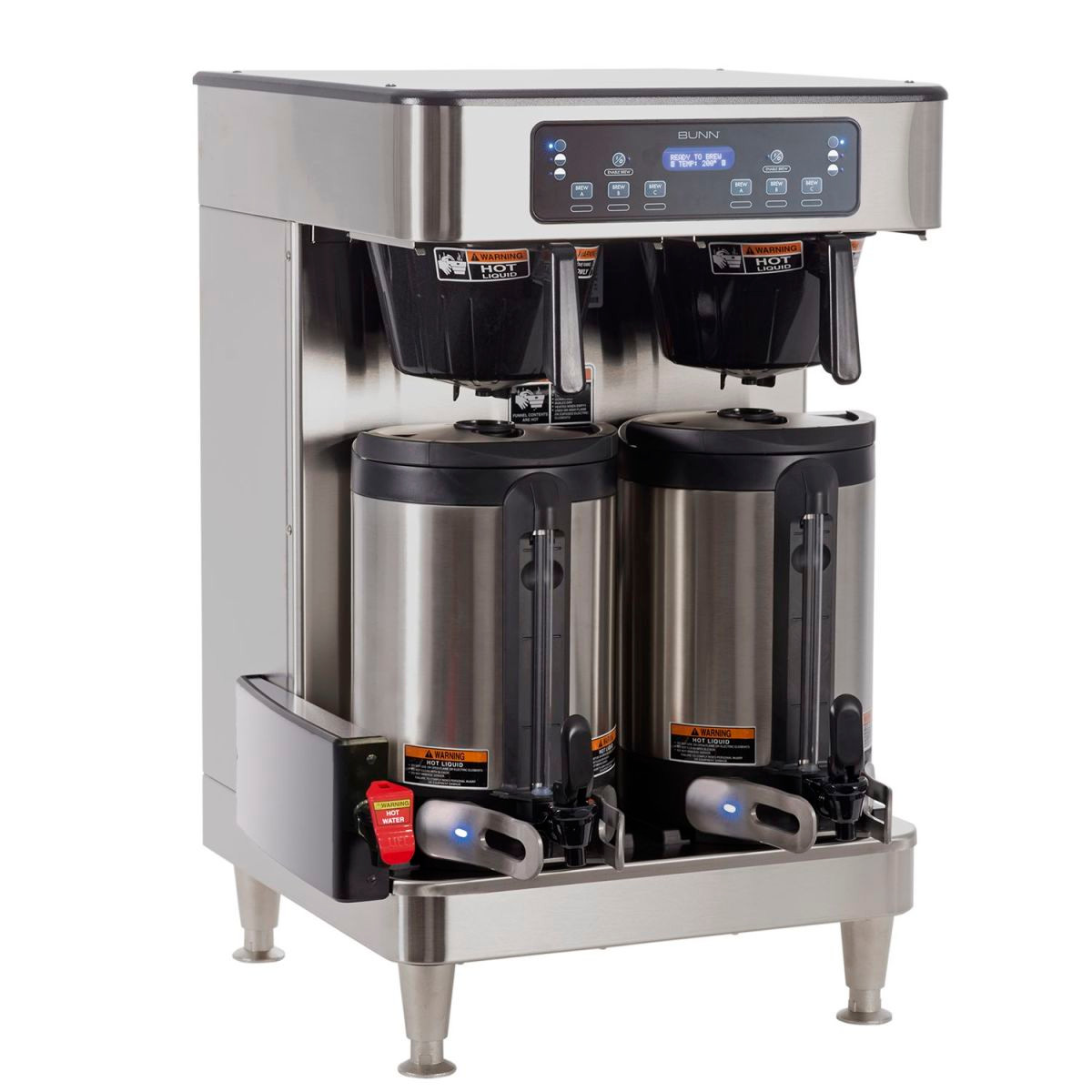
Mid-volume automatic needs are met by the CWTF15-2 with upper and lower warmers and the Infusion Series twin and dual-voltage tall models. The CWTF15-2 is straightforward and familiar to most foodservice staff. Infusion models add recipe programmability for operators who rotate bean origins or serve multiple roast profiles. The tall format accommodates larger thermal servers and airpots for self-service stations.
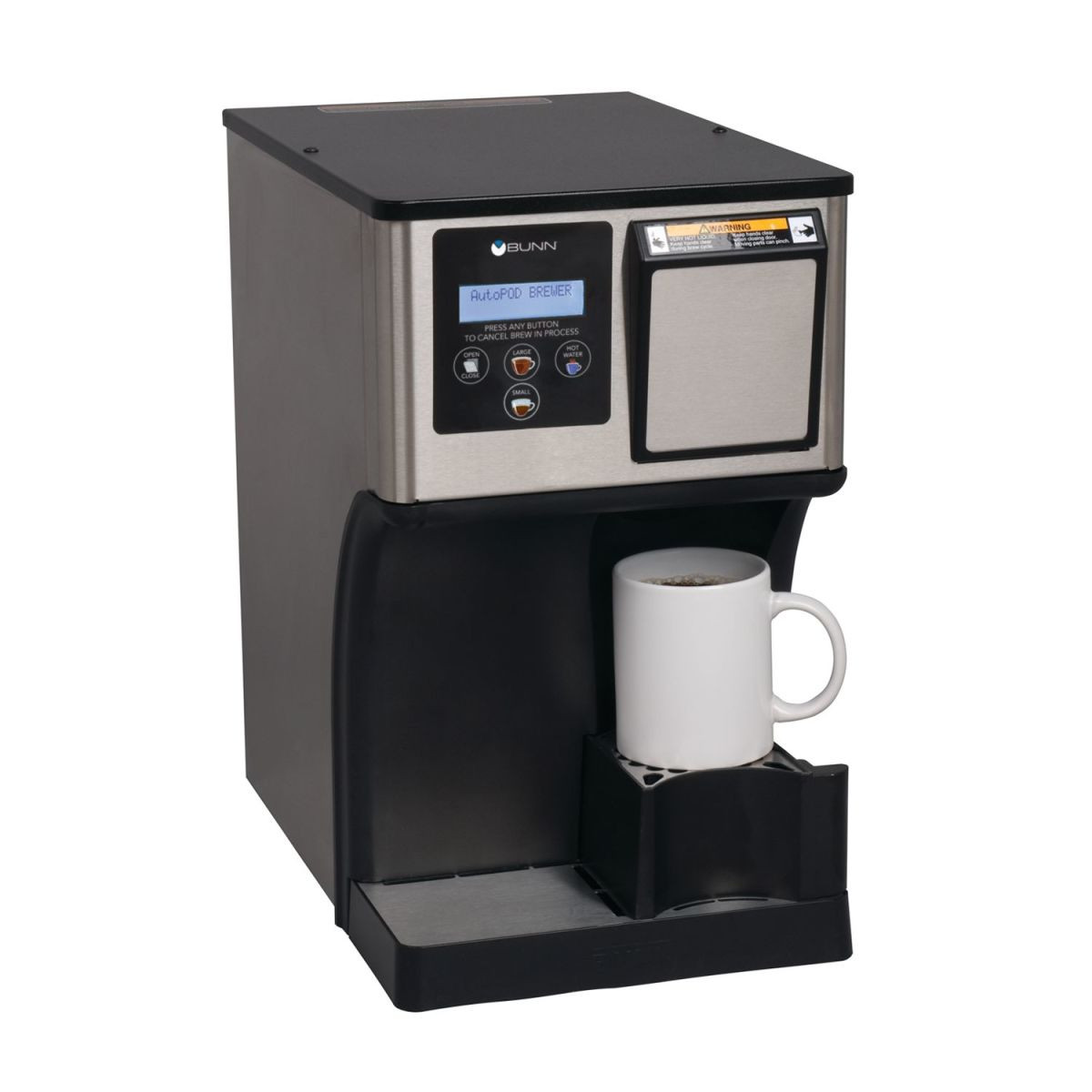
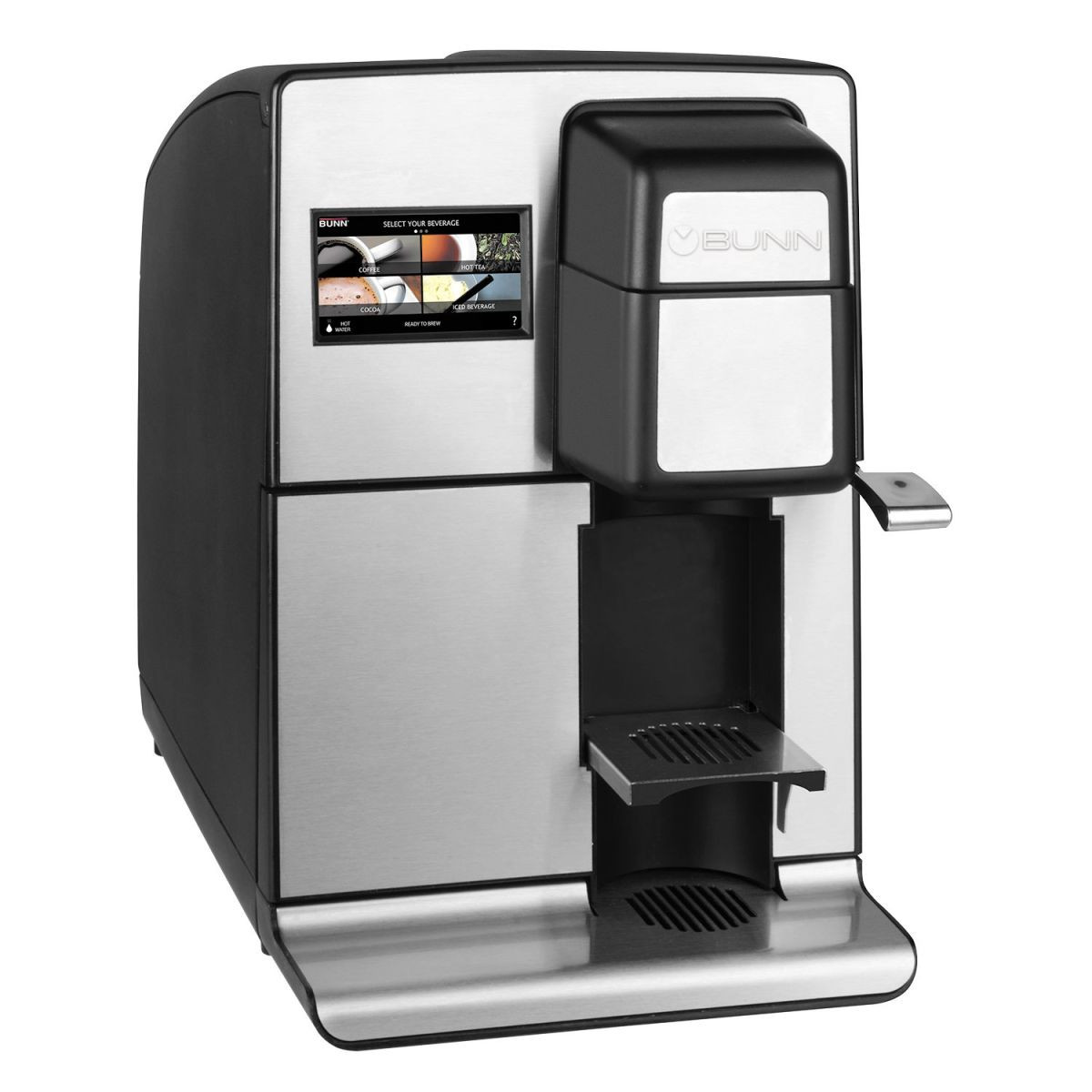
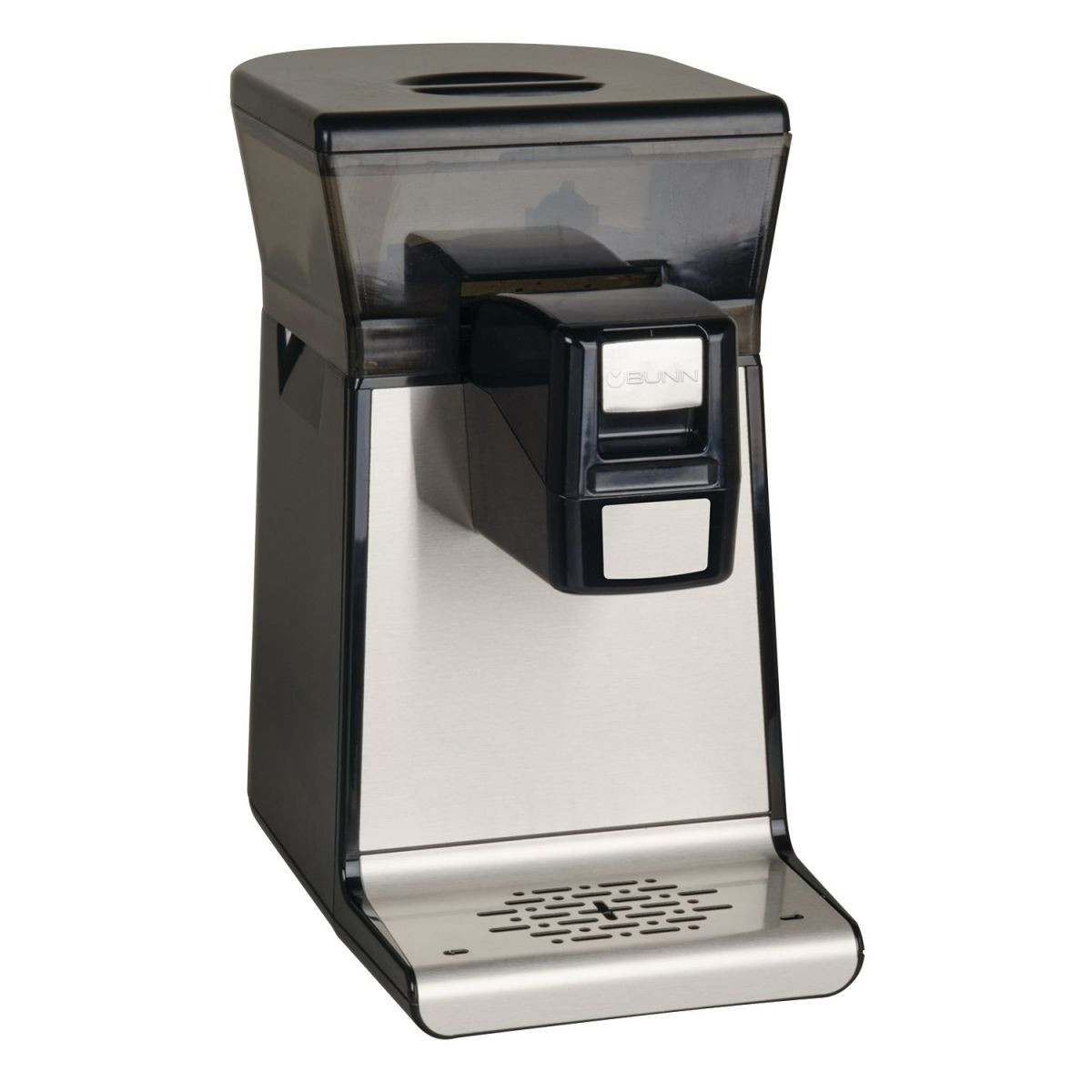
Single-serve and pod systems serve distinct niches. The My Cafe AutoPOD and My Cafe MCO run sealed cartridges for consistency and minimal cleanup. The original My Cafe Single Serve handles ground coffee for operators who prefer bulk purchasing. The Sure Immersion 312 brews single cups with a different extraction approach, suited to office and meeting room environments where one or two people brew at a time. None of these replace batch systems for volume; all of them outperform batch systems for flexibility and waste control.
Request Your Quote and Plan Installation
Verify three details before ordering to avoid delays and returns.
First, confirm your electrical service against the specification sheet. Note whether the model requires 120V, 208V, 240V or dual-voltage field configuration. Second, verify water supply for automatic units: pressure range, line size and shutoff valve location. Third, measure available counter space including clearance for server removal, filter drawer access and ventilation. ChickenPieces provides dimensional drawings for all models upon request.
Consider your water quality. Hardness above 150 ppm calcium carbonate accelerates scale buildup on heating elements and valves. In-line filtration or softening extends service intervals and preserves warranty coverage. We can recommend filtration specifications matched to your local water report. This small addition protects equipment costing many times the filter system price.
Finally, plan for training and documentation. Even simple automatic brewers benefit from posted quick-reference cards for refill procedures and cleaning schedules. Digital models need password management and recipe backup. Assign one staff member as primary contact for service calls and warranty questions. ChickenPieces supplies user manuals, spec sheets and direct manufacturer support contacts with every shipment. Request your detailed quote through our standard form; we respond with confirmed availability, freight options and any current promotional terms.
Commercial Coffee Brewer Comparison
Match your daily volume and staffing to the right system type.
| Brewer Type | Best For | Staff Attention | Typical Output |
|---|---|---|---|
| Pourover manual | Remote or unmanned locations | High per batch | 1-2 gal per manual fill |
| Small automatic 120V | Under 100 cups, limited power | Low | 1 gal per 4-6 min cycle |
| Standard automatic | Hotel breakfast, medium cafeteria | Minimal | 1-2 gal per cycle |
| Twin automatic | 200+ cups peak, buffet service | Minimal | 2-4 gal simultaneous |
| High-watt automatic | Conference centre, rush periods | Minimal | 2 gal with fast recovery |
| Pod single-serve | Executive floor, premium rooms | None per cup | 1 cup per 30-60 sec |
| Ground single-serve | Office, meeting rooms, flex use | Low | 1 cup per 1-2 min |
Browse Bunn Commercial Coffee Brewers
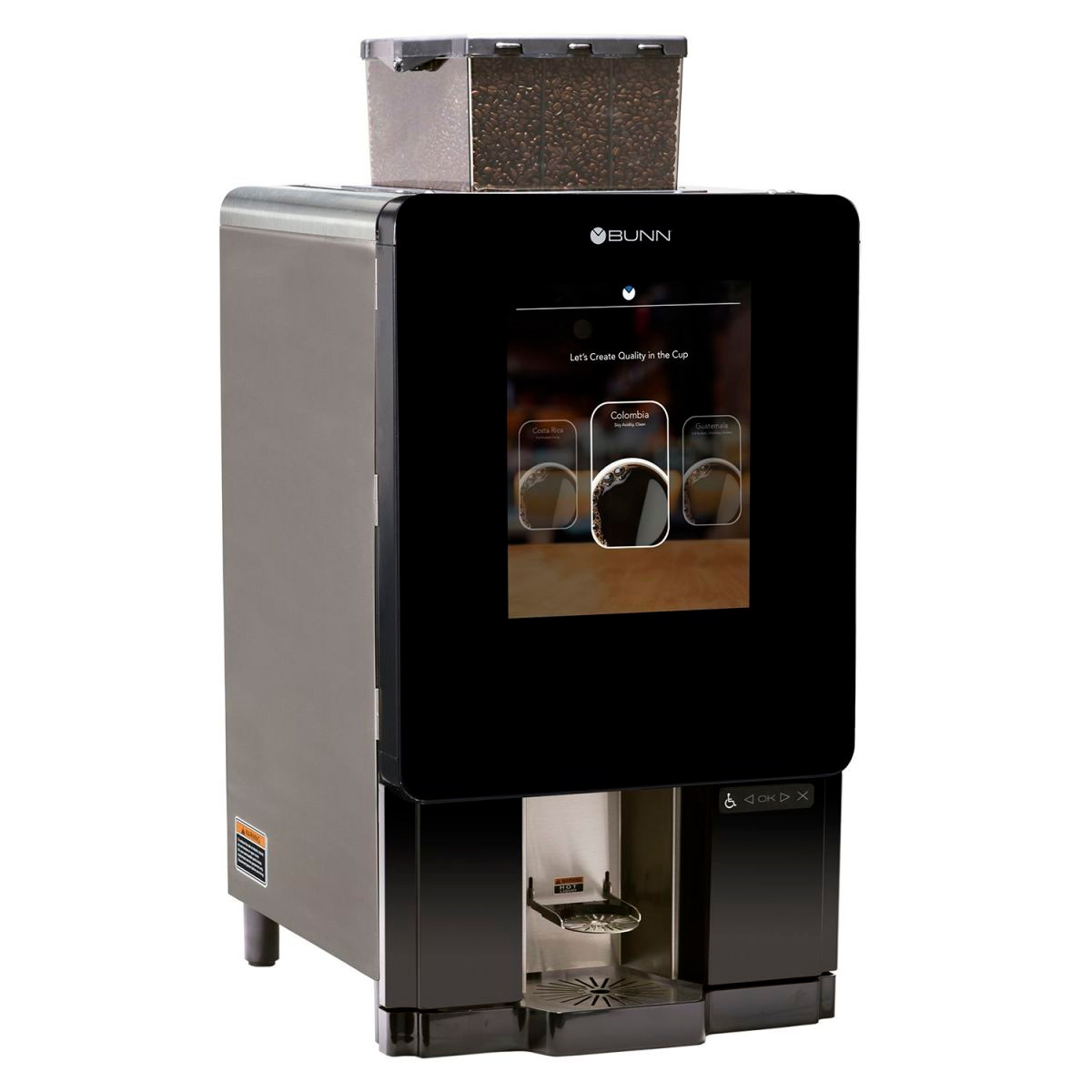
Nine models in stock for Canadian foodservice, from single-cup units to high-volume twin systems.

What Canadian facility operators say
Facility operators across Canada describe their equipment decisions.
We replaced three old pour-overs with a BrewWISE Dual ThermoFresh in our Canmore lodge. Breakfast rush went from twenty-minute waits to self-serve in under a week. Staff actually thanked me.
The My Cafe AutoPOD went into twelve executive suites at our Toronto building. Housekeeping time per room dropped, and guest complaints about stale coffee stopped entirely.
Running a fishing lodge outside Prince George, we had no plumbing for a full automatic. The CWTF15-2 in pourover mode solved it. Guides brew at four AM without waking maintenance.
Brewer Selection: Frequently Asked Questions
How do I know if my electrical panel can handle a commercial brewer?
Check the model's wattage and voltage against your panel's available amperage. A 240V 6600W unit draws 27.5 amps and needs a 30-amp dedicated circuit. We supply spec sheets for your electrician's review.
Can I use a pourover brewer without any plumbing at all?
Yes. Pourover units only need access to cold water for manual filling and a standard electrical outlet. They suit remote locations, temporary kitchens and renovation periods.
What is the difference between BrewWISE and standard Bunn models?
BrewWISE models communicate between grinder and brewer to enforce recipe consistency. They also store multiple programs and track usage data. Standard models use simpler timer-based controls.
Do single-serve pod systems cost more per cup than batch brewing?
Generally yes. The trade-off is waste reduction, variety and minimal labour. For under fifty cups daily, the difference may be negligible. For high volume, batch brewing remains more economical.
How often should I descale a commercial coffee brewer?
Quarterly in moderate-hardness water areas. Monthly in very hard water regions like parts of Saskatchewan and Manitoba. Use manufacturer-recommended descaling agent to protect seals and heating elements.
Can one brewer handle both regular and decaffeinated coffee?
Batch brewers need separate funnel and basket changes between batches. Some dual-head models can run one head regular, one decaf. Single-serve systems switch with a different pod or cartridge.
What height clearance do I need for a tall-format brewer?
Add six to eight inches above the listed height for filter basket removal and lid opening. The Infusion Tall models need roughly thirty inches total clearance for comfortable operation.
Are Bunn parts available in Canada?
Yes. Major distributors in Calgary, Toronto and Vancouver stock common wear items. Specialized parts typically arrive within five business days from US warehouses.
Do you provide specification sheets for my contractor?
We provide full technical documentation including dimensional drawings, electrical requirements and plumbing specifications upon request with any quote.
How do you calculate shipping on bulk orders?
We calculate shipping on live carrier rates at checkout, not on flat or subsidized tiers. Every order is priced against real LTL, parcel, or pallet-freight quotes from our Calgary warehouse to your dock. That means you never absorb hidden shipping costs into product margins — what we charge is what the carrier charges us, plus a small handling pass-through. For bulk and pallet orders this typically runs 15–25% lower than competitors who bake shipping into their unit prices, because the rate is transparent and tied to the actual shipment weight and distance.
Related guides from ChickenPieces
Why Canadian Operators Choose ChickenPieces
Straightforward sourcing for foodservice equipment across Western and Central Canada.
Real stock status
We confirm availability before you commit. No phantom inventory, no backorder surprises after payment clears.
Cross-Canada shipping
Freight rates from Calgary to major centres or remote locations. We package for commercial carriers, not residential parcel.
Technical documentation
Specification sheets, installation manuals and warranty terms provided upfront for contractor and inspector review.
Canadian compliance
Equipment meets or exceeds Health Canada and CFIA requirements for food contact surfaces and electrical safety in commercial settings.
Request Your Equipment Quote
Tell us your daily volume, electrical service and space constraints. We will recommend specific models and confirm current availability. Quotes include freight options to your location.
Request a Quote