
 US Dollar


2026 Aug 15th
Bar Glassware Guide That Cuts Down Your Reorder Headaches
The right glass shape affects how a drink smells, tastes, and looks to your customer. Match your glassware to your strongest menu categories, then stock backups in case counts that fit your storage.
Bar Glassware Guide That Cuts Down Your Reorder Headaches
This guide helps Alberta bar operators and restaurant managers choose beer, wine, and cocktail glasses that match their menu and their storage space.
Key Takeaways
Six practical points to help you order glassware with fewer mistakes and less waste.
Stemware protects aromatics
Wine glasses with stems keep hand heat away from the bowl. Your customer swirls, and the vapours collect in the tapered top instead of escaping.
Thin rims drink better
A thin lip on a wine or cocktail glass feels less bulky against the mouth. This detail matters more than decoration for repeat orders.
Tulip traps carbonation
Beer glasses with curved sides give bubbles room to rise. The shape also supports a foam head on aromatic styles like Belgian and craft ales.
Large ice needs large glass
Cocktail glasses built above thirteen ounces handle a proper ice cube without overflow. Your bartenders work cleaner and faster.
Start with three shapes
A coupe or Nick and Nora, a rocks glass, and a tall Collins glass cover most classic builds. Add specialty pieces after your menu is set.
Annealed glass resists thermal shock
Glassware that goes through annealing handles temperature swings from dishwasher to ice bath. Fewer cracks mean fewer mid-service surprises.
Beer Glass Shapes That Match Your Tap List
Different beer styles need different head space and aromatic capture.
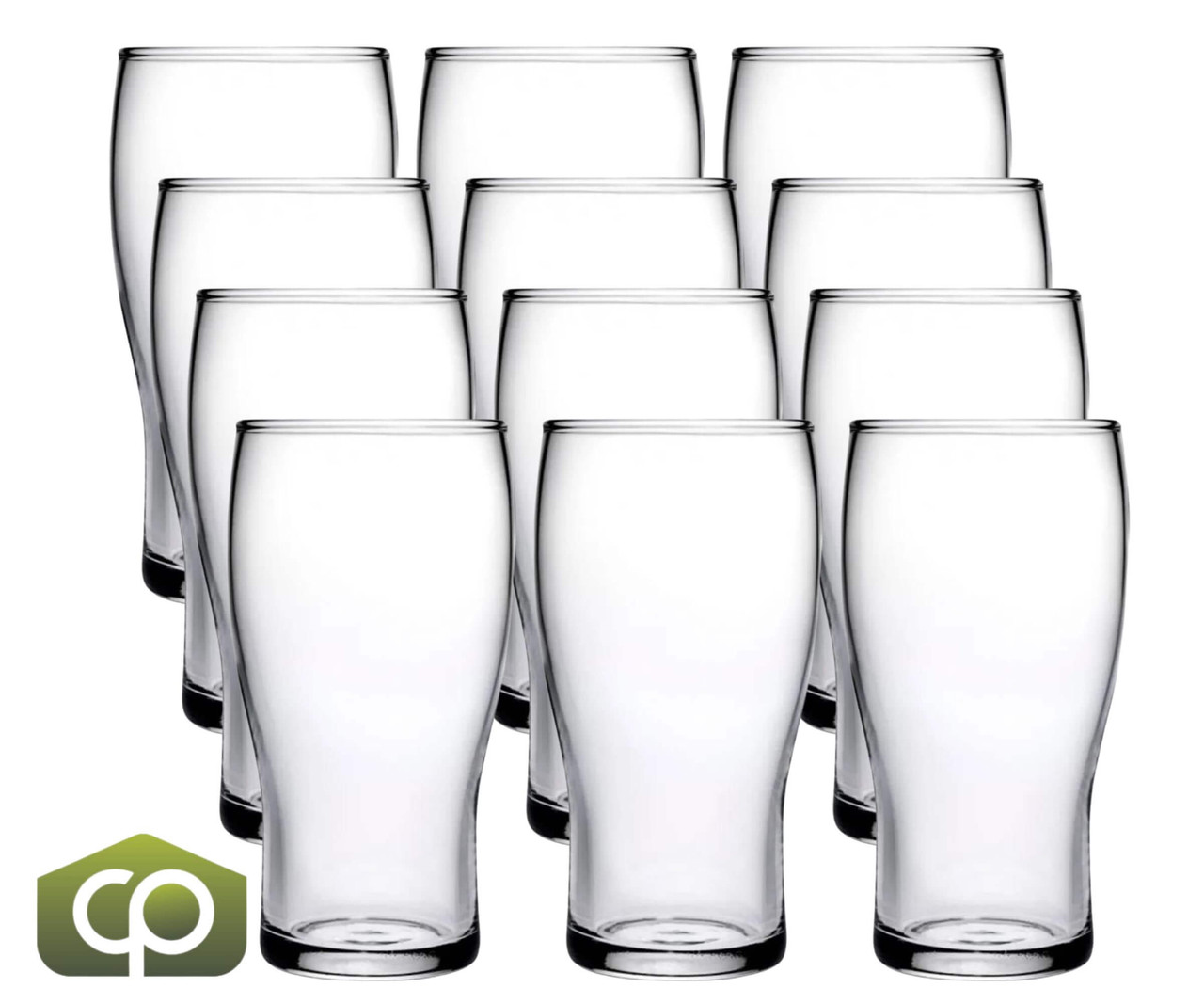
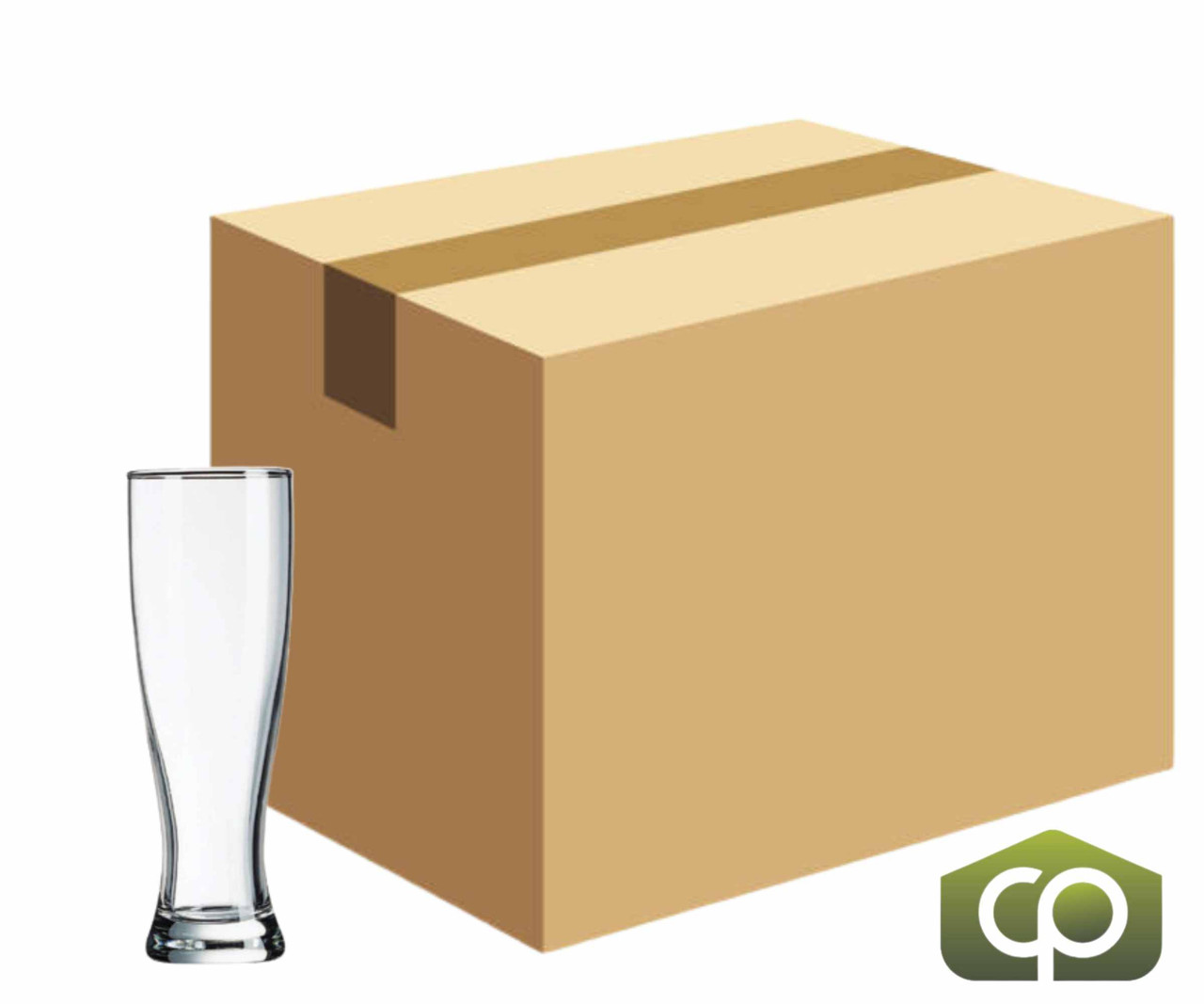
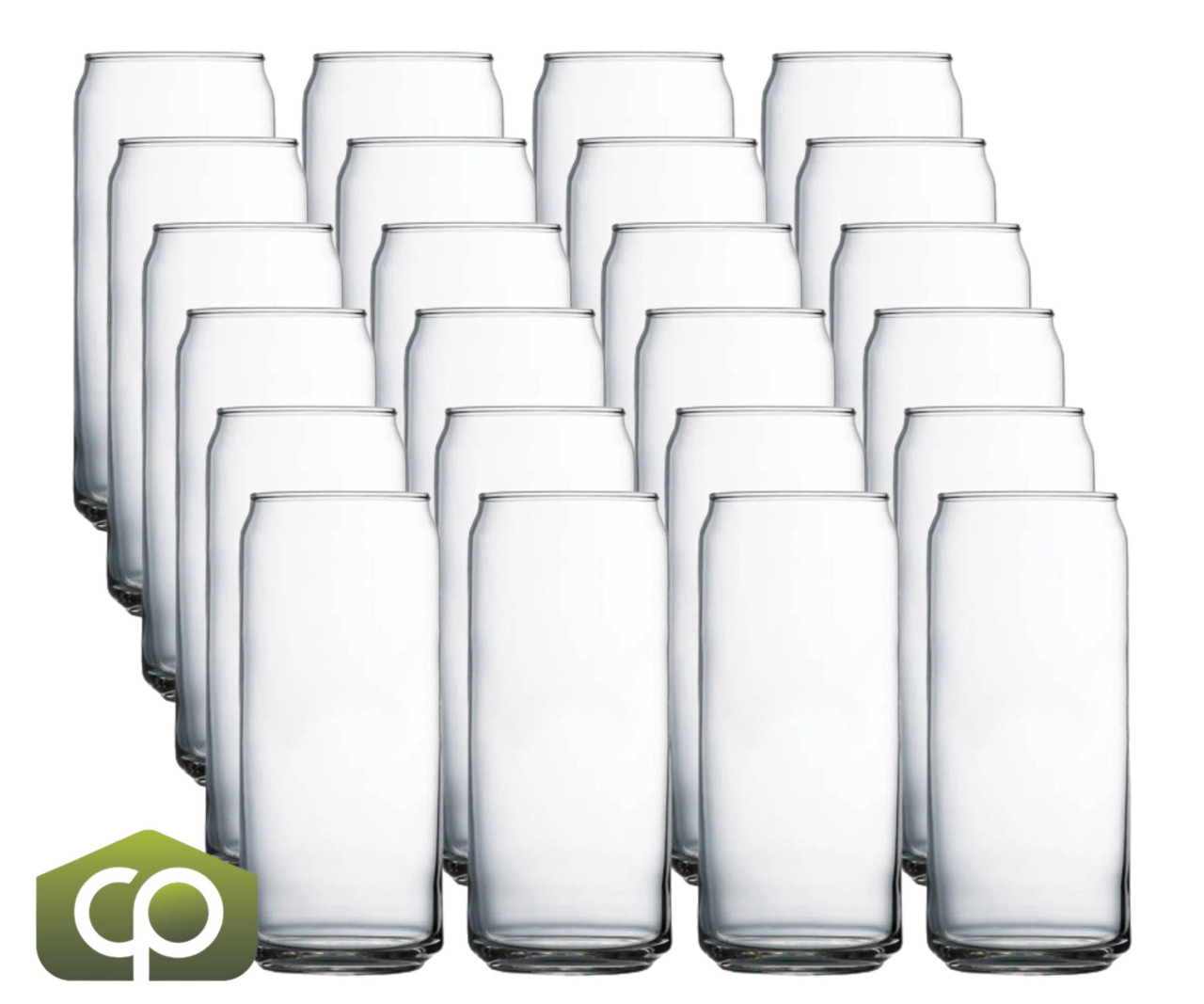
Pilsner glasses with tall, narrow bodies show off carbonation and colour. The Arcoroc Grand Pilsner stands sixteen ounces high and suits lagers where clarity matters. Tall can coolers work for casual service and novelty pours, but they do not concentrate aroma the way a tulip bowl does.
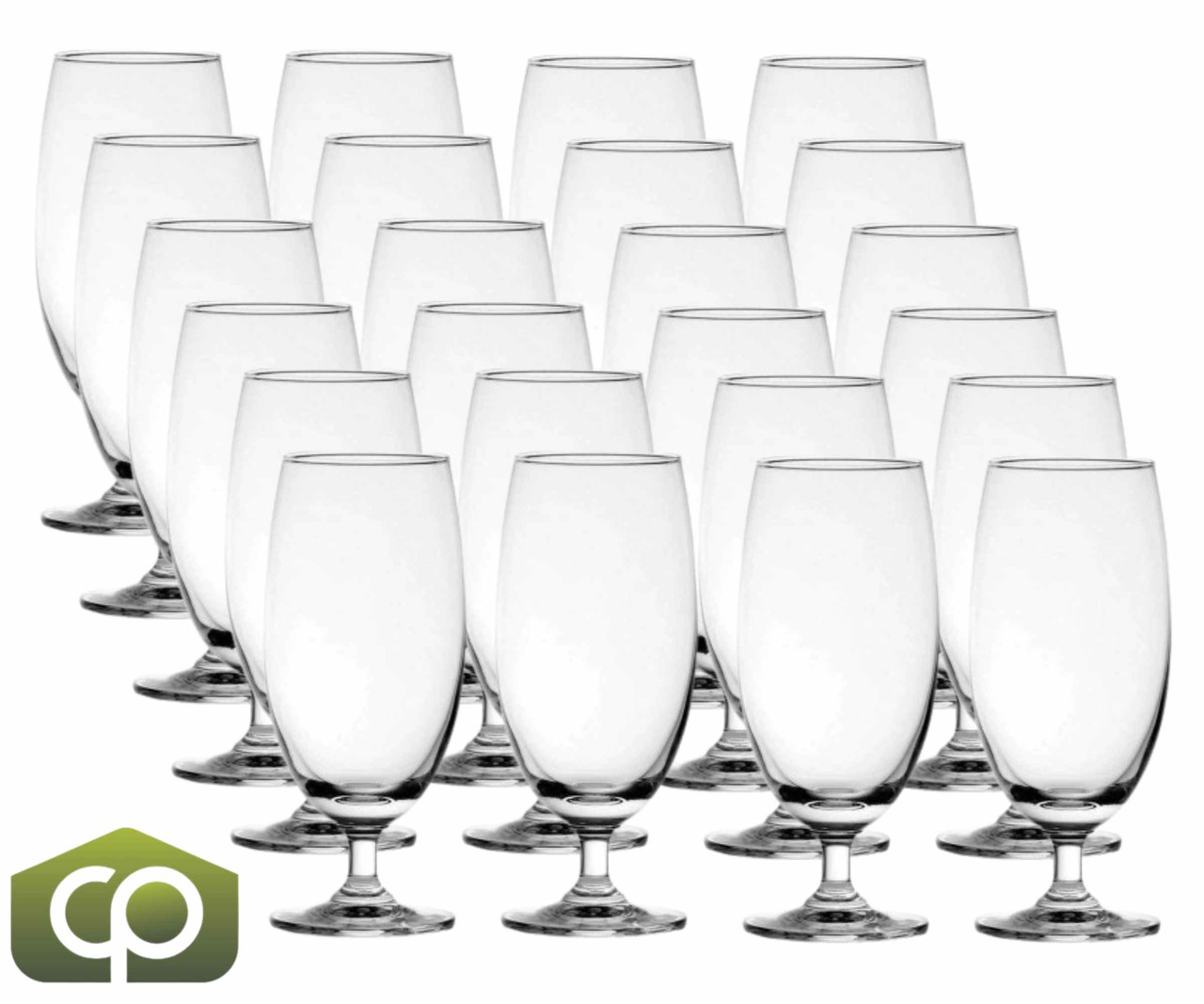
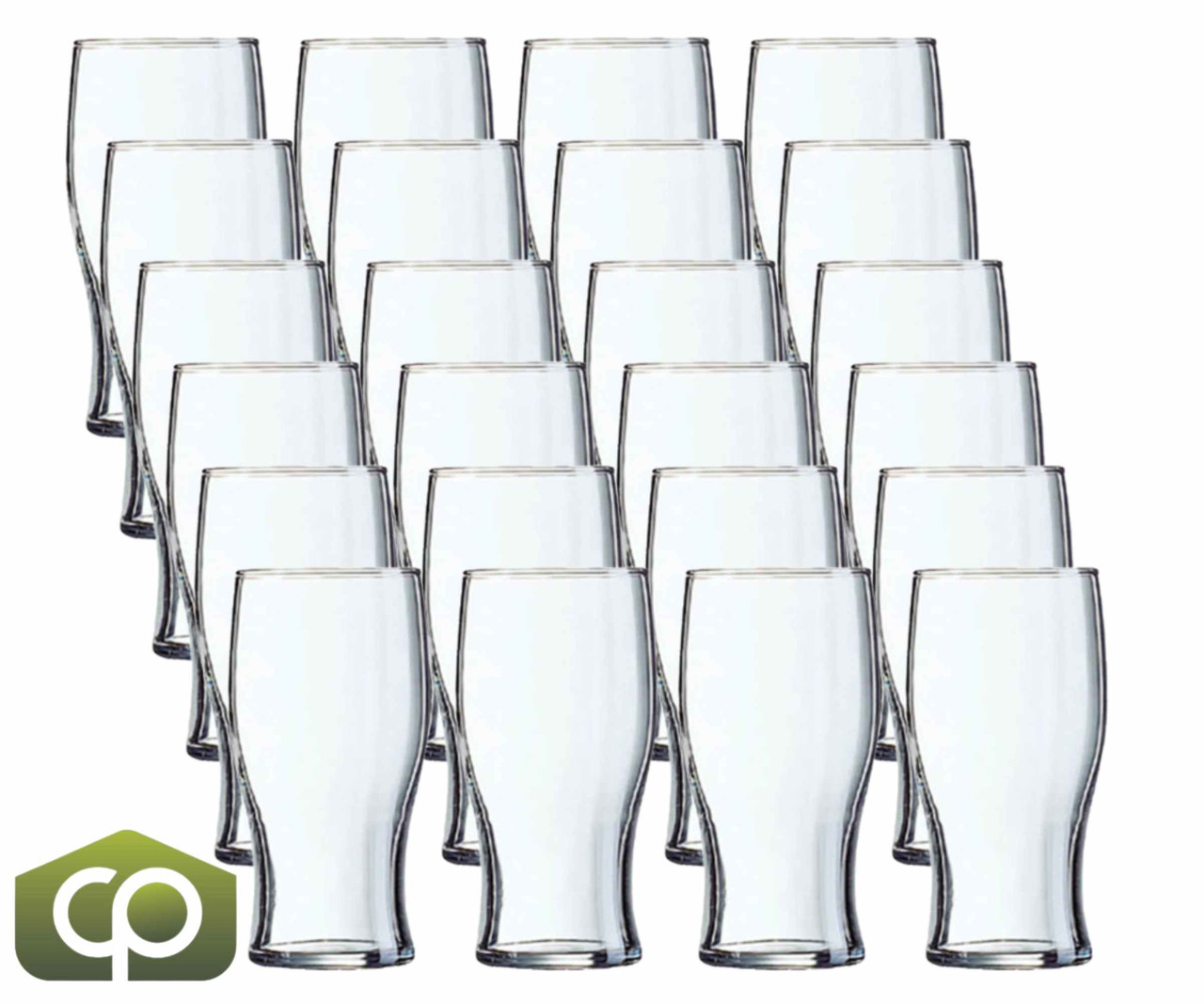
Tulip beer glasses curve inward at the rim to support foam and trap hop aromatics. The Anchor twenty-ounce tulip and Arcoroc P3008 both handle bigger pours and stronger beers. If your menu runs heavy on IPAs, saisons, or barrel-aged releases, tulip shapes belong in your rotation.
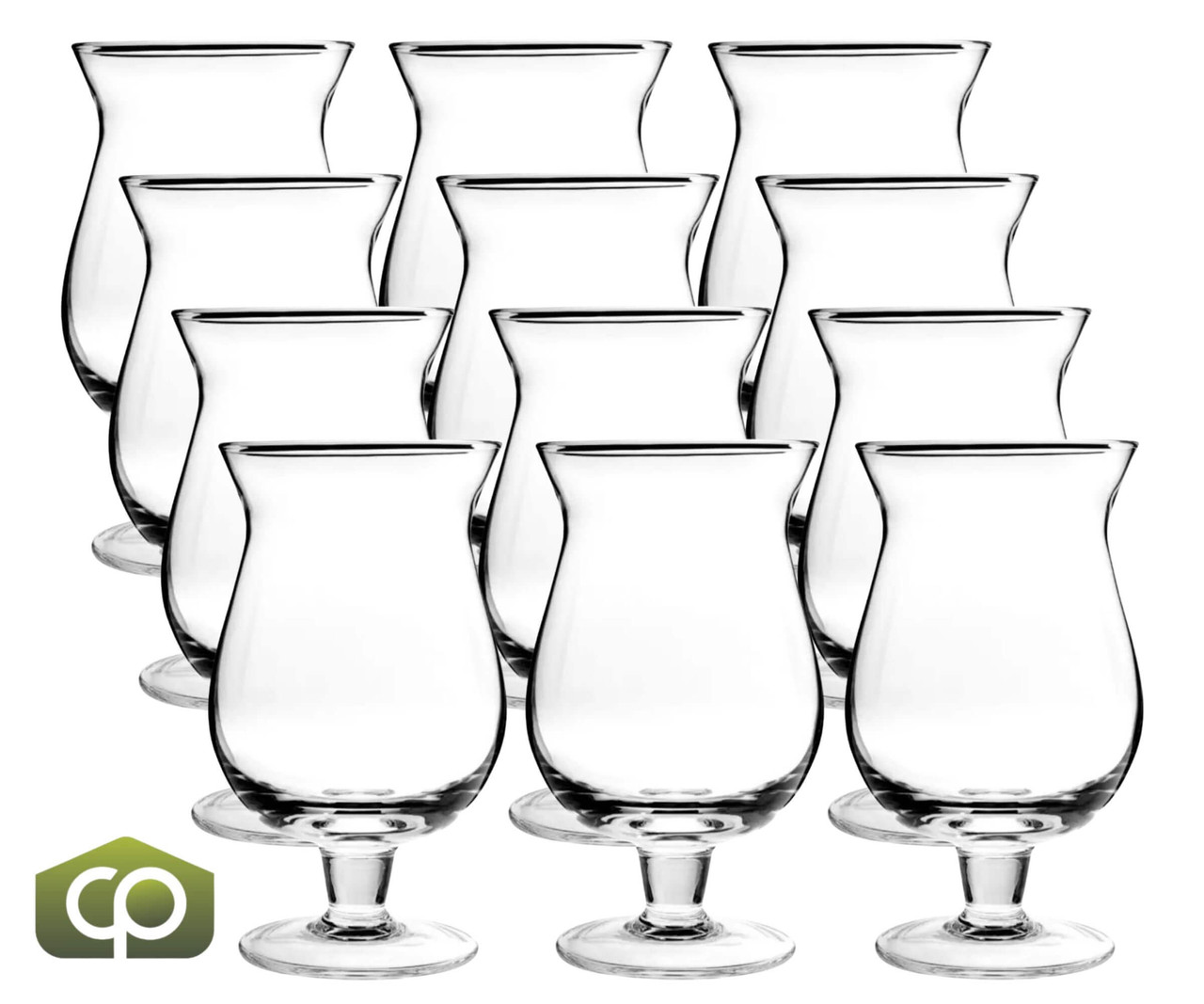
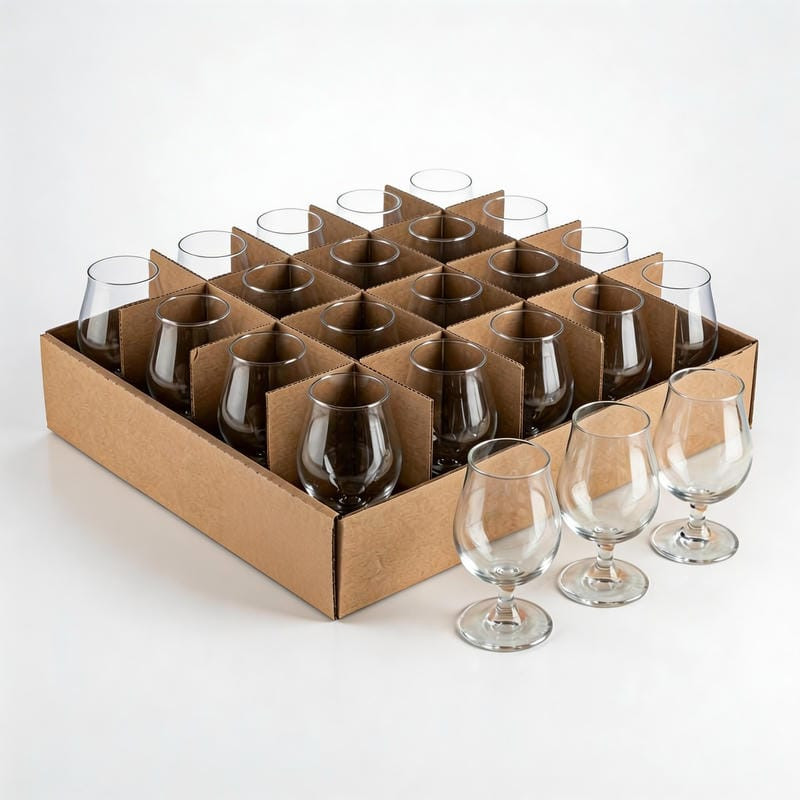
Stemmed Belgian glasses lift the beer away from hand warmth and give the drink presence on a table. The Anchor 90093 and Arcoroc FL338 both use stems for this reason. Belgian styles produce complex fermentation aromas that fade fast in a warm, flat pour. The stem buys time.
Wine Glass Anatomy Your Staff Should Know
Bowl shape and stem length change how wine presents itself.
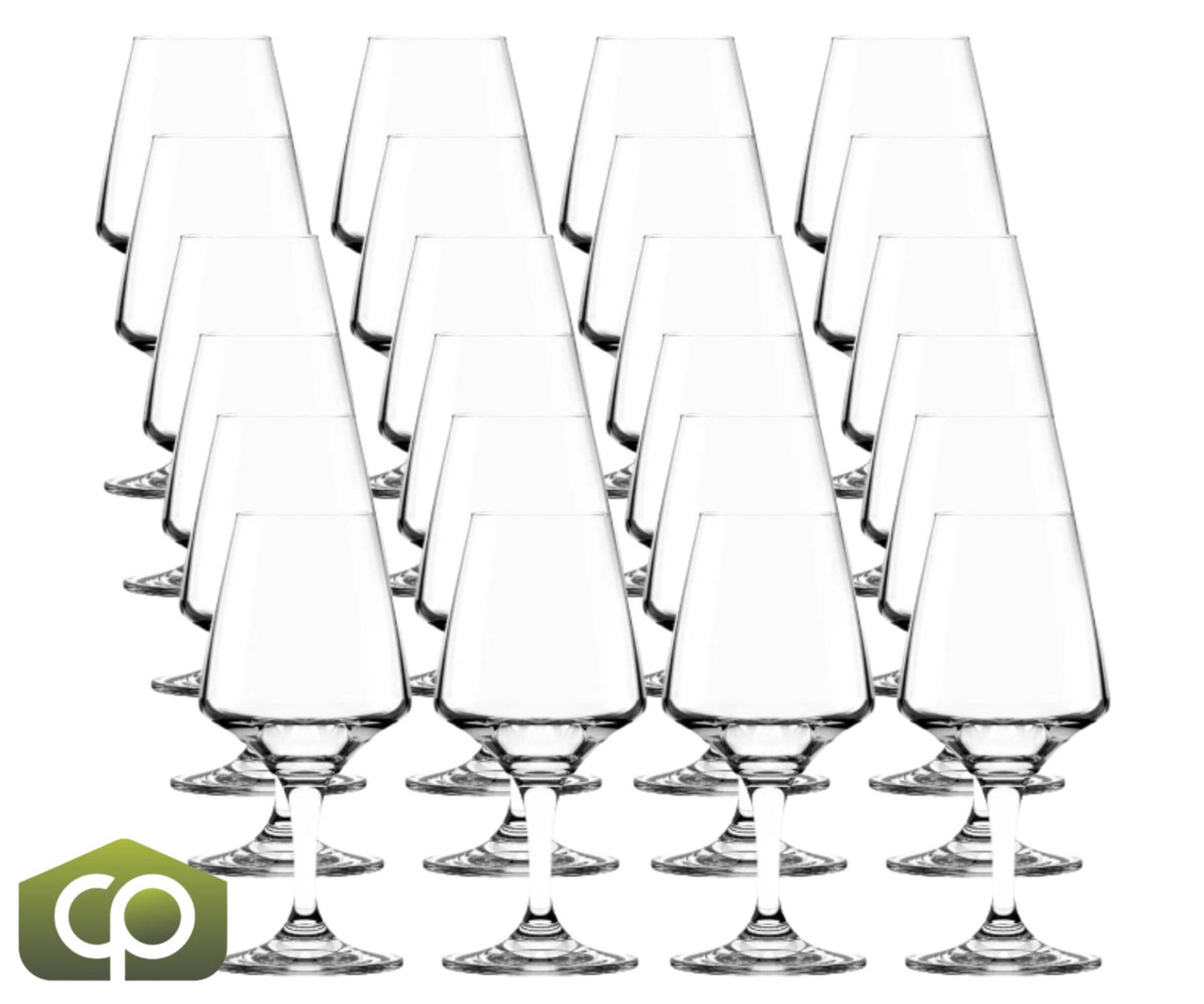
Wider bowls suit aromatic reds like pinot noir because the surface area releases vapours as the customer swirls. The taper at the top traps those vapours where the nose meets the rim. Narrower bowls work for tighter, more acidic whites where too much oxidation flattens the wine.
Stemware exists for practical reasons, not tradition alone. A stem keeps the hand away from the bowl so the wine stays at cellar or bottle temperature longer. When a customer grips the bowl and swirls from the base, the motion looks awkward and the wine warms faster than intended.
Thin rims matter for mouthfeel. A thick, rolled lip feels clunky against the tongue and can distract from the wine itself. Look for glasses where the rim tapers to a fine edge. This detail shows up in customer perception even when they cannot name it.
Three Cocktail Glasses to Build Around
Most bars can run a full cocktail program from three core shapes.
Anders Erickson breaks cocktail glassware into three categories: stemmed, rocks, and tall. A coupe or Nick and Nora glass works for up drinks served without ice. The stem keeps the drink cold and the presentation looks deliberate. Rocks glasses handle stirred spirits over a single large cube.
Tall Collins or highball glasses give carbonated drinks room to bubble up the sides. The vertical real estate lets tonic, soda, or ginger beer express itself instead of going flat in a cramped vessel. A thirteen-ounce or larger build glass also fits a full hand-cut ice cube without splashing.
Start with these three and add specialty pieces only after you know your menu. A bar with three solid shapes and enough backups beats a bar with twelve specialty glasses and constant shortages. Build your par levels around your fastest-moving drinks, not your most photogenic ones.
Why Ounce Markings Matter for Portion Control
Glass capacity shapes pour size, ice ratio, and perceived value.
Glassware capacity should match your standard pour plus headroom or ice space. A thirteen-ounce Belgian glass works for a twelve-ounce bottle pour with foam. A twenty-ounce tulip handles a pint plus aromatic head or a cocktail with large format ice and garnish.
Mismatched capacity creates service problems. Too small, and the bartender spills or skips garnish. Too large, and the drink looks half-empty to the customer. The Anchor 90243 twenty-ounce tulip and Arcoroc P3008 both give flexibility for beer or cocktail use depending on your menu mix.
Consider your ice program when you size glasses. Large cubes from a Kold-Draft or Hoshizaki machine need more vertical and horizontal space than standard half-moons. A rocks glass that looks right with pellet ice may fail with two-inch cubes.
Rim Tempering and Annealing for Busy Service
Heat treatment methods extend glass life in high-turnover settings.
Rim tempering strengthens the edge most likely to take impact. The Anchor 90243 tulip uses this process because beer glass rims contact metal tap handles, bottle openers, and dish racks constantly. A stronger rim means fewer slow leaks and fewer pieces in the composter.
Annealing cools glass slowly after forming to relieve internal stress. Arcoroc uses this on the FL338 Belgian glass so temperature swings from hot water rinse to ice bath cause less thermal shock. Bars that run glassware through rapid temperature changes see fewer cracks with annealed stock.
Neither process makes glass indestructible. Both reduce the failure modes that cost you money during service. Factor durability into your total cost, not just the per-piece price. A glass that lasts twelve months in your environment beats one that lasts three, even at higher initial unit cost.
How to Set Par Levels Without Overcrowding
Case counts and shelf shapes should match your storage reality.
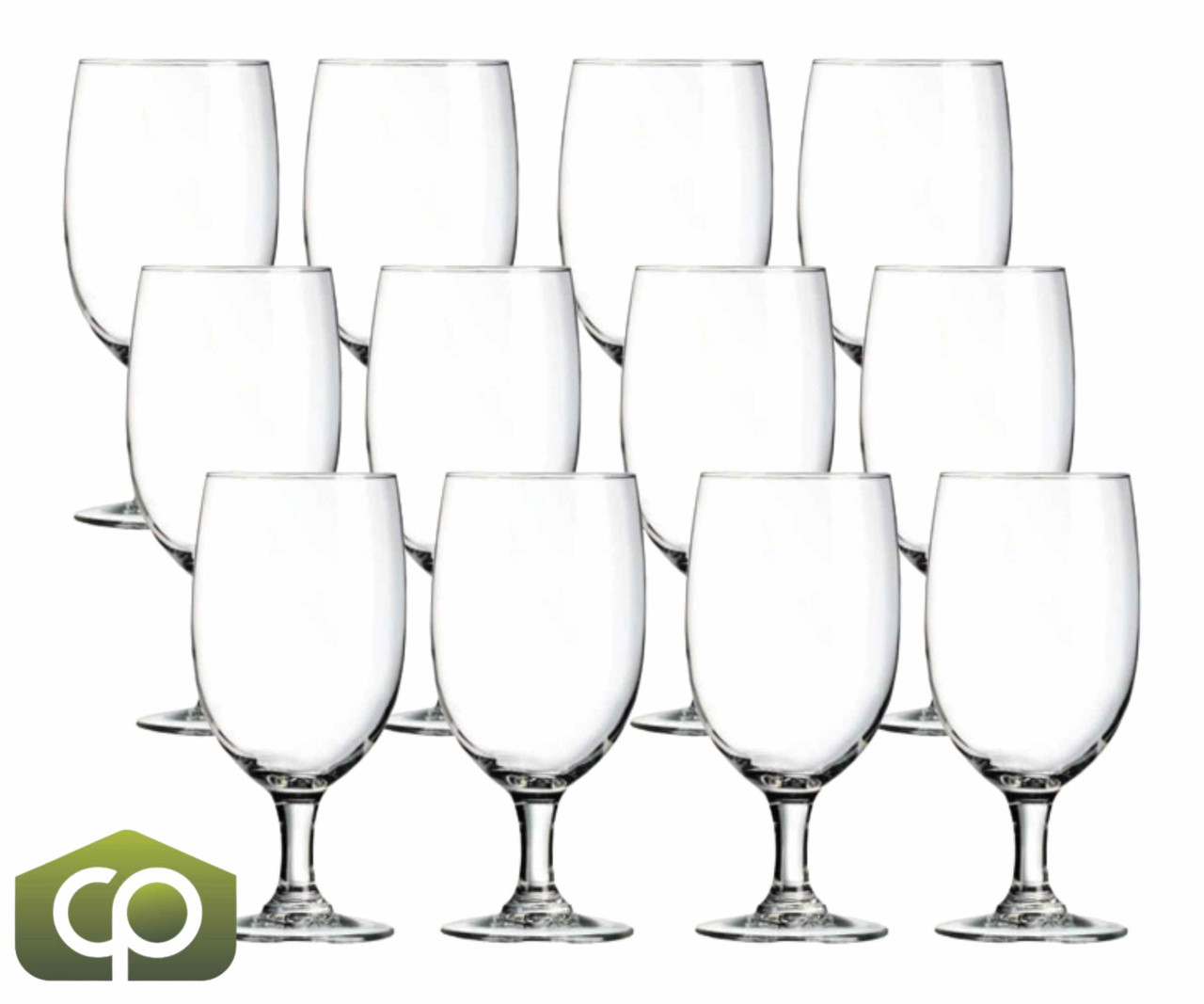
Our case packs range from twelve to thirty-six pieces. The Arcoroc Grand Pilsner ships thirty-six to a case, which suits high-volume beer programs with storage space. The Anchor stemmed Belgians come twelve per case, fitting tighter back bars that rotate slower-moving specialty shapes.
Set par levels by breakage rate plus turn time. Track how many glasses you lose weekly to chips, cracks, and theft. Add a safety stock equal to one busy weekend. If you cannot store that many, split orders between two delivery dates rather than overcrowd shelves where glasses touch and scratch.
Stackability matters in small spaces. Tumblers and can coolers nest; stemmed glasses need horizontal shelving or compartmentalized racks. Measure your shelving before you order cases that do not fit. A case of thirty-six pilsners takes more linear footage than a case of twelve tulips, even if the piece count differs.
Compare Beer and Cocktail Glass Options
Match glass shape to your menu priorities using capacity, build, and service style.
| Glass type | Best for | Capacity range | Key feature |
|---|---|---|---|
| Belgian stemmed | Aromatic ales, presentation | 13 oz | Stem avoids hand warming |
| Tulip bowl | Craft beer, carbonated cocktails | 20 oz | Curved sides trap aroma |
| Pilsner tall | Lagers, visual clarity | 16 oz | Shows carbonation column |
| Can cooler | Casual beer, novelty pours | 16 oz | Familiar silhouette |
| Rocks / Old Fashioned | Spirits over large ice | Varies | Heavy base, muddle-ready |
| Collins / Highball | Tonic drinks, carbonated builds | 13-16 oz | Vertical bubble travel |
| Coupe / Stemmed cocktail | Up drinks, strained cocktails | Varies | Stem keeps drink cold |
Stock Your Bar With Purpose-Built Glassware
Anchor and Arcoroc shapes in case quantities for Alberta hospitality operations.
What Canadian bar operators say
What Alberta bar managers say about buying glassware in bulk from ChickenPieces.
We switched to rim-tempered tulips last winter and stopped finding chipped rims in the bus tubs. The Anchor 90243 holds up to our Friday night volume without looking cheap on the table.
I run a small cocktail program in a hotel lounge. Starting with three core shapes cut our broken glass costs in half. The annealed Arcoroc handles our dishwasher-to-ice well routine.
The thirty-six count pilsner case was more than we needed at first, but the per-piece math worked out. We store extras in the basement and pull them up as front stock breaks.
Glassware ordering: Frequently Asked Questions
How do I choose between stemmed and stemless wine glasses?
Stemmed glasses keep hand heat away from the wine and leave the bowl clear for viewing. Stemless save shelf space and survive careless handling better. Match the choice to your service style and storage.
What is rim tempering and does it matter for beer service?
Rim tempering strengthens the glass edge against chips from taps, bottles, and ice contact. In busy beer service, this extends usable life and reduces the slow leaks that force early retirement.
Can I use one glass shape for multiple beer styles?
A tulip or Belgian stem works across ales, IPAs, and saisons. Pilsner glasses suit lagers best. If you must consolidate, choose a mid-capacity tulip over a specialized shape that limits your menu.
What does annealed glass mean for my operation?
Annealing slowly cools glass after forming to reduce internal stress. The result handles temperature swings better, so glasses move from hot rinse to ice bath with fewer cracks.
How many backup glasses should I keep per seat?
Track your weekly breakage, then set par at three to four turns of your busiest night. A forty-seat bar with two nightly turns needs different backup than one with four turns and higher breakage.
Are larger cocktail glasses always better?
Oversized glasses make standard pours look small and dilute drinks faster as ice melts. Match glass capacity to your standard pour plus intended headroom or ice space.
Which glass shape works for both beer and cocktails?
Tulip glasses and certain Belgians cross over well. The curved sides support beer foam and also give carbonated cocktails room to express bubbles. Check your pour sizes against the capacity.
How do I store stemmed glasses without damage?
Store upright in compartmentalized racks or hanging from stemware rails. Never nest stemmed glasses inside each other. Horizontal shelving with dividers prevents rim contact and chipping.
What is the difference between a pilsner and a tulip beer glass?
Pilsner glasses are tall and narrow to show carbonation and colour in lagers. Tulip glasses curve inward to trap aromatics and support foam in ales, Belgians, and stronger craft styles.
How do you calculate shipping on bulk orders?
We calculate shipping on live carrier rates at checkout, not on flat or subsidized tiers. Every order is priced against real LTL, parcel, or pallet-freight quotes from our Calgary warehouse to your dock. That means you never absorb hidden shipping costs into product margins — what we charge is what the carrier charges us, plus a small handling pass-through. For bulk and pallet orders this typically runs 15–25% lower than competitors who bake shipping into their unit prices, because the rate is transparent and tied to the actual shipment weight and distance.
Related guides from ChickenPieces
Why Alberta Bars Order Glassware From ChickenPieces
We stock case quantities for real hospitality operations, not home kitchens.
Case packs that scale
Order twelve, twenty-four, or thirty-six pieces to match your storage and your turnover. No need to overbuy or run short during busy weeks.
Calgary-based stocking
We warehouse in Alberta and understand the freight realities of Rocky Mountain and Prairie routes. Shipping rates calculate live at checkout.
Trade-focused support
Our team works with bar managers and facility operators, not retail shoppers. We know par levels, breakage rates, and seasonal menu changes.
Health Canada compliance
All glassware meets Health Canada guidelines for food-contact surfaces. Product documentation available for your CFIA records and inspection readiness.
Request Your Glassware Quote Today
Tell us your seat count, menu mix, and storage space. We will recommend case counts and shapes that fit your operation. No minimum order pressure.
Request a Quote